
What is Hyperliquid & HYPE Token? Beginner’s Guide


Key Takeaways
- 🔘 Hyperliquid is a Layer-1 blockchain network and its core product, decentralized exchange with perpetual futures trading support. As a DEX, Hyperliquid offers trading from self-custody but with a central limit order book rather than an automated market maker.
- 🔘 Under the hood, the platform is powered by HyperCore trading engine and HyperEVM for smart contracts, utilized for separate purposes. Both are secured by the HyperBFT layer, responsible for consensus.
- 🔘 The native token HYPE works across every level as a staking asset in HyperBFT consensus, gas asset in HyperEVM, and for user incentives enabled by HyperCore engine.
Disclaimer
Nothing in this guide constitutes financial or legal advice. Hyperledger is a protocol, not a fiduciary service. You are responsible for verifying token contract addresses before swapping, confirming transaction details in your wallet before signing, and understanding the tax and regulatory implications of on-chain activity in your jurisdiction.
This guide explains mechanics and workflows, with risk notes where they matter, but it does not replace independent verification or professional consultation.
The shortest introduction you can give to Hyperliquid is a trading platform for crypto markets. Naturally, it is an oversimplification: it is both a decentralized exchange for active trading and a purpose-built Layer-1 blockchain, which means its performance and trading experience come from its own on-chain system rather than an app running on another network.
To cover a project like this, our guide explains the trading model of Hyperliquid, its underlying architecture, and the HYPE token. By the end, you’ll know what Hyperliquid is, what it is for, and which sections to consult next depending on whether you want to trade, evaluate risk and security, or compare alternatives.
Hyperliquid as a DEX and Layer-1 Blockchain

Self-Custody Trading Model
Decentralized exchanges (DEX) like Hyperliquid are built around self-custody: instead of depositing your funds into a user account an exchange runs, you approve a smart contract to interact with a wallet address you own.
On Hyperliquid, the trading lifecycle looks like this: wallet connection → signed trading action → order execution under protocol rules → updated on-chain account state after the order is filled or remains open.
- What the user controls: the wallet and private keys. Connecting a wallet identifies the address that will be used for trading, but it does not mean the exchange takes custody of the wallet or its keys.
- What the protocol controls: execution rules for orders, including how orders enter the order book, how matching occurs, and how filled or open positions are reflected on the blockchain.
- What the user must sign or authorize: trading actions from the wallet, such as placing a limit order, canceling an order, or submitting an order intended for immediate execution. After a fill, the user’s funds and position state update on-chain rather than becoming a balance inside a traditional exchange account.
An “account” on Hyperliquid is better understood as an on-chain state tied to the user’s address, not a custodial balance managed by the exchange.
On-Chain Central Limit Order Book
Another key component of the Hyperliquid exchange is a central limit order book, or CLOB; it is a market structure where buy and sell orders are organized by price and matched when compatible orders meet. On Hyperliquid, “on-chain” means order placement, cancellation, and fills are represented as blockchain state transitions rather than only as entries in an off-chain exchange database.
This is not an AMM-style swap flow where a user trades against a liquidity pool formula; a common example of this model is Uniswap. Hyperliquid uses order-book matching, where orders conceptually sit in an order queue and execution follows price-time priority rather than pool-based pricing.
Order book implies that at least these two main types of orders are present:
- Limit order: the user chooses a specific price or better. This gives more price control, but the order may not fill immediately if the order book does not reach that price. If it rests on the book, the user is acting more like a maker by adding available liquidity.
- Market order: the user prioritizes immediate execution against existing orders in the order book. This can complete faster, but the final execution price depends on available liquidity at each level, which means slippage and price impact become more important. In that case, the user is acting more like a taker by removing liquidity already available in the book.
Hyperliquid Architecture
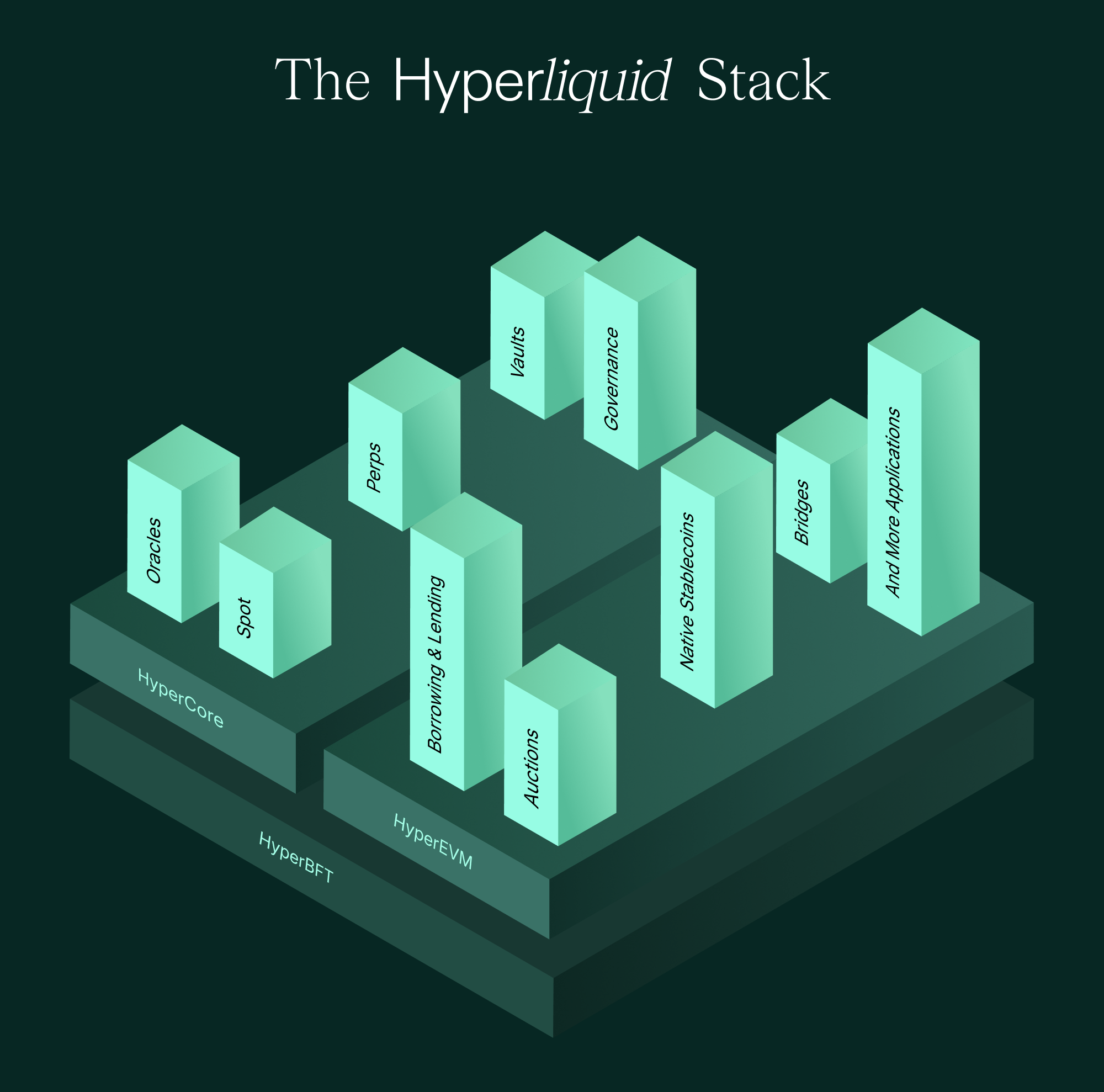
A single trade ties the layers of Hyperliquid’s architecture together. The user first signs or authorizes an action, which creates a trading intent for the system to process. HyperCore handles the native trading path by validating the action, running it through the matching engine, and updating order, fill, and account state. HyperBFT then finalizes the resulting state transition so the network agrees on the outcome. HyperEVM is only part of the flow if a smart contract app is involved, such as when application logic coordinates permissions or conditions before a trade intent reaches the native trading layer.
HyperBFT Consensus
In a distributed system, how do participants agree on the state of the system? Crypto knows many examples of consensus mechanisms and engines for this end.
HyperBFT is the consensus mechanism that coordinates validators around the ordering and finality of state transitions on Hyperliquid’s blockchain. In plain terms, it helps the network agree on what happened, in what order, and when the resulting state should be treated as final.
That is separate from matching and price formation. HyperBFT does not decide which order gets filled at which price; that role belongs to the native trading engine. Consensus is responsible for confirming the state changes that result after trading logic has been applied.
For traders, this matters because fast finality reduces the uncertainty between submitting an action and seeing it become a settled state. Cancel/replace workflows, for example, feel more responsive when the network can quickly confirm whether an old order is still live or has already been removed.
If the network is congested or validators stall, the user-facing effect is usually delayed confirmations rather than a different trading rule. Orders or cancels may take longer to be acknowledged as final, so the interface may show a pending state for longer before the account state is fully updated.
HyperCore Trading Engine
As for prices and orders, HyperCore is the specialized execution environment for native trading on Hyperliquid. It is where order validation, book updates, matching, fills, and trading-related account state changes are handled before those results are finalized by consensus.
A simplified order lifecycle looks like this:
- Submit: the user authorizes an order, and the system receives the trade intent. The pending action state is introduced for processing.
- Validate: HyperCore checks whether the order is acceptable under protocol rules. This can affect available margin, open-order eligibility, and whether the order can enter the order book.
- Match or rest: the matching engine compares the order against available opposing liquidity. If it does not fully execute, the remaining quantity can mutate the order book as a resting order.
- Fill: executed quantity becomes a fill. Fills and trade history are updated so the account has a record of what traded and at what execution terms.
- Update account state: positions, margins, balances, and open orders are adjusted at a high level to reflect the result of the order.
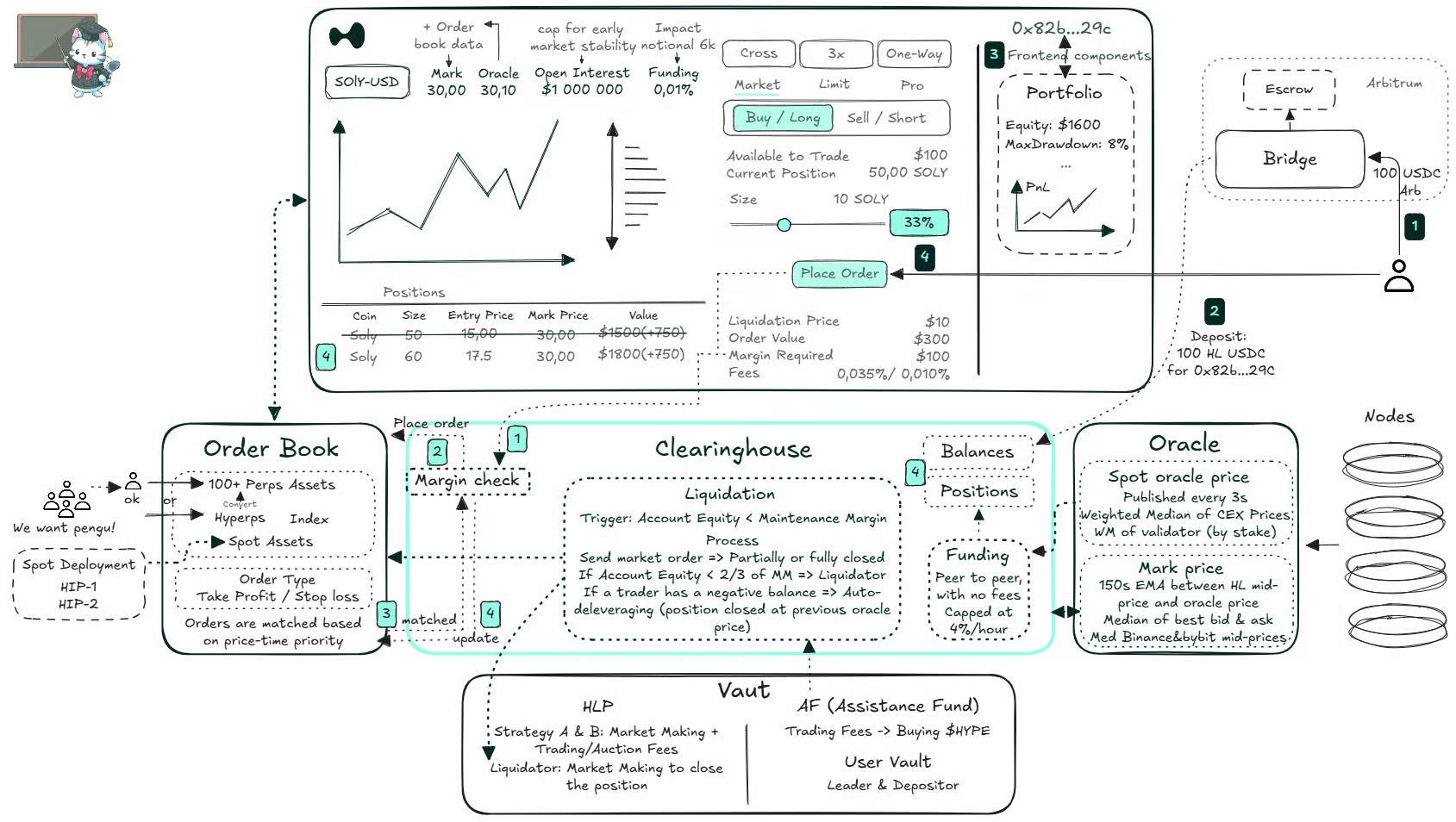
The boundary is important: native trading actions stay in HyperCore when they involve order submission, cancellation, matching, fills, and trading account updates. A flow needs the HyperEVM Smart Contract Layer when it involves general-purpose dApp logic, composable smart contracts, or application behavior that is not part of the native matching path.
HyperEVM Smart Contract Layer
Finally, this layer adds EVM compatibility, which means builders can work with Solidity tooling used in Ethereum and typical smart contract patterns. From an architecture point of view, this makes Hyperliquid more than a trading engine: it gives developers a programmable environment alongside the native trading layer.
Smart contract execution differs from the native matching engine path. HyperCore is optimized for trading-specific state transitions, while HyperEVM is meant for general-purpose contract logic such as application rules, programmatic permissions, or composable on-chain interactions. Both can exist within the broader blockchain system, but they are not the same execution path.
Conceptually, an app could use HyperEVM logic to coordinate a user flow and then lead to a trading intent handled by the native layer. For example, a contract-based application might manage user permissions, strategy conditions, or accounting logic, while the actual order matching remains the responsibility of HyperCore. The key architectural idea is coordination between programmable application logic and specialized trading execution, without treating smart contracts as the matching engine itself.
Performance and Throughput
As a result, performance of the whole system spans a few measurable dimensions rather than a single headline number:
- Latency: this is the time between submitting an order or cancellation and receiving acknowledgement that the system has processed it. In the UI, you notice this as how quickly an order appears, updates, cancels, or moves out of a pending state.
- Throughput: this is the system’s ability to process many trading actions during busy periods. In the UI, you notice this when order entry, cancel/replace actions, and account updates continue to respond even when activity spikes.
- Finality: this is when the resulting state of a fill, cancel, or account update is economically “done” from the user’s perspective. In the UI, you notice this when the platform stops treating the action as pending and reflects it as a settled account state.
What can still slow down:
- Validator load: if validators are under heavier processing pressure, confirmations can take longer.
- Network propagation: messages still need to move across the network, so connectivity and propagation delays can affect responsiveness.
- Bursty order traffic: sudden waves of submissions and cancellations can create temporary pressure on processing and acknowledgement.
These are architecture-related slowdowns. They are different from market-driven execution issues such as slippage or price impact, which come from available liquidity and order book conditions rather than the chain’s ability to process state.
HYPE Token
Hyperliquid runs on its own Layer-1 blockchain but not every blockchain or distributed ledger has a native token. Why did Hyperliquid opt for one?

Utility and Governance
HYPE is the native token of the Hyperliquid ecosystem, so its role is not only about market price. It also functions as an economic and control surface: holders look at what the token can do, how governance may evolve, how staking affects network security, and how tokenomics shape future supply pressure.
For the HYPE token in particular, its roles are:
- Protocol-level governance: HYPE can be used for governance-related decisions as the ecosystem matures, such as parameter changes, protocol upgrades, incentive design, or other network-level settings that affect how the system evolves.
- Transaction-level utility: HYPE can act as the native asset inside the ecosystem, which matters when users need a token for network-specific activity rather than only holding it as a speculative asset.
- User incentives: HYPE may support rewards, rebates, discounts, or ecosystem incentive programs, giving holders and active users a reason to care about participation beyond price exposure.
- Ecosystem alignment: HYPE links users, validators, builders, and governance participants to the same network asset, which can make adoption and token demand more connected over time.
For those coming into crypto with expectations shaped by traditional finance: governance does not automatically mean equity, revenue share, or ownership of a company. In crypto networks, governance usually means the ability to influence protocol parameters and ecosystem decisions over time. For a holder, the practical question is not “does this token represent a business?” but “what decisions can token holders influence, and how binding are those decisions in the actual system?”
Staking and Network Security
Arguably, the main purpose of the HYPE token is security through staking. At a high level, the process looks like this:
- Acquire HYPE: the user first needs to buy Hyperliquid HYPE and have it in a compatible wallet or account.
- Choose a staking path: the user decides whether to self-validate, if technically and economically feasible, or delegate to an existing validator.
- Delegate or select a validator: if delegating, the user chooses a validator based on factors like reliability, reputation, commission, and operational history.
- Understand the lock or bond concept: staked tokens are generally bonded to the staking system, which may make them less liquid while they are actively securing the network.
- Earn rewards at a high level: rewards typically come from network-defined staking mechanics and are distributed based on participation, validator performance, and protocol rules.
- Unbond or withdraw: leaving staking usually involves an unbonding or withdrawal process, meaning access to tokens may not be immediate.
- Account for risks: staking can involve validator performance risk and, in some proof-of-stake systems, slashing as a concept if a validator violates protocol rules.
What staking secures is the reliability of the chain that users interact with. In practical terms, staking aligns validators to maintain liveness and correct ordering/finality of state transitions, so users can trust that the system continues processing actions and settling state consistently. The user impact is simple: stronger validator alignment should support a more dependable network experience.
Supply, Unlocks, and Buybacks
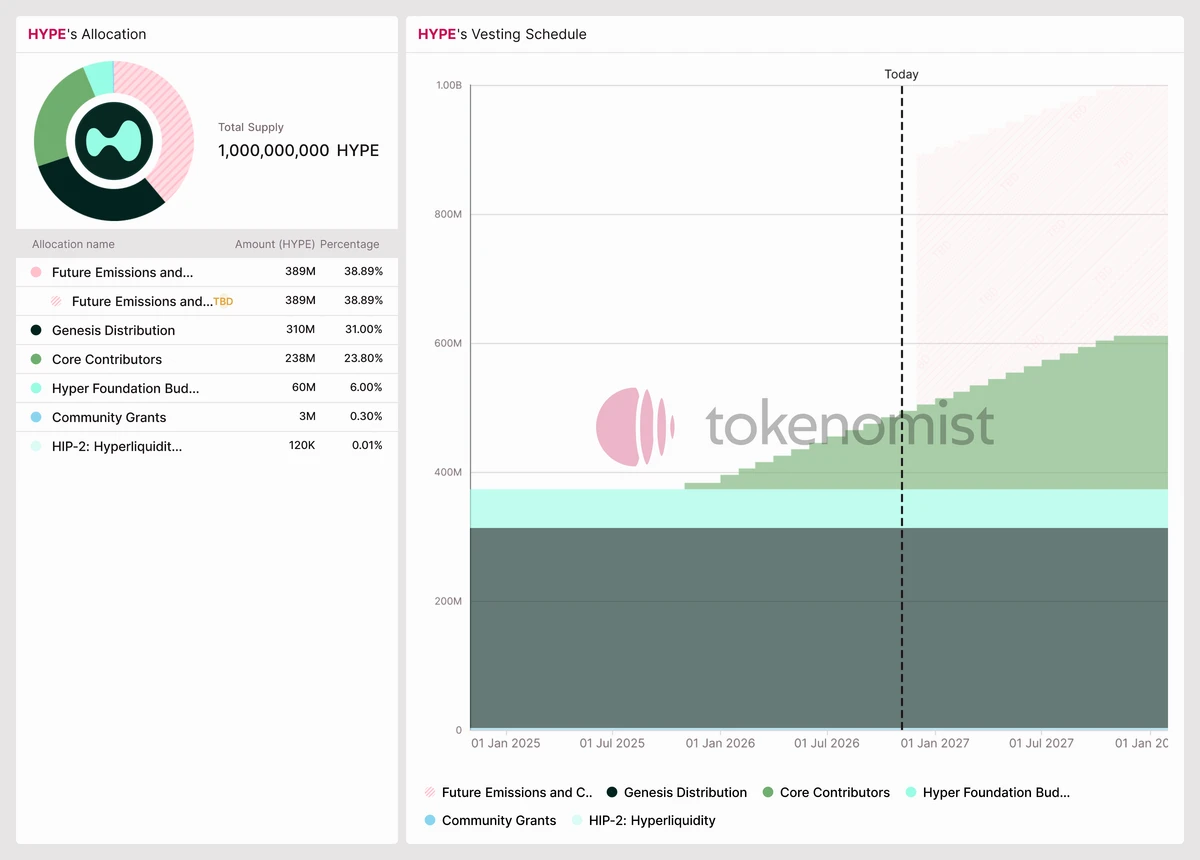
Tokenomics matter because the price of HYPE is affected by both demand and supply. Even without exact numbers, readers can evaluate the token by checking the main sources of supply pressure and supply reduction.
- Max supply vs circulating supply: shows how much of the total token base is already liquid versus still outside the market. At the time of writing, it is 484.74M HYPE out of 1.00B HYPE (45.68%).
- Emissions schedule: explains whether new tokens are released continuously, slowly, or in larger waves. Hyperliquid uses cliff vesting, especially for Future Emissions and Community Rewards allocations. This means tokens are released all at once after a set waiting period, creating a delayed but significant supply event.
- Unlock cadence: helps readers see whether supply enters the market gradually or through concentrated events. HYPE tokens unlock monthly.
- Team and investor allocations: important because concentrated allocations can influence future float and market expectations. The Hyperliquid allocation includes Genesis Distribution at 31.00%, Core Contributors at 23.80%, Hyper Foundation Budget at 6.00%, Community Grants at 0.30%, HIP-2: Hyperliquidity at 0.01% and Future Emissions and Community Rewards at 38.89%.
- Ecosystem incentives: rewards for users, builders, or liquidity programs can support growth, but they can also add sell pressure if recipients monetize rewards. Hyperliquid’s release schedule sets aside almost 40% to this category, released gradually.
- Treasury holdings: treasury-controlled supply can fund development or incentives, but it also represents potential future distribution.
- Burn or buyback mechanics: these can reduce circulating supply or create recurring demand, depending on how the mechanism is designed and executed. Both are present in this case.
When a large scheduled unlock occurs, more tokens can become transferable, increasing float and potentially adding liquidity to the market. If recipients sell, the effect can be supply-side pressure; if they hold, the market impact may be smaller even though the float has expanded. This differs from demand-side catalysts, such as product growth or new exchange access, which work by increasing buyer interest rather than increasing available supply. Neither side guarantees price direction, but the distinction helps explain what kind of force is acting on the token.
Market Data and Price Drivers
A useful way to evaluate the HYPE price and fair value is to separate price drivers by how they transmit into the market.
| Driver | How it typically transmits into price | |
|---|---|---|
| A. On-chain/protocol drivers | Usage growth | More activity can increase demand for the ecosystem asset if the token is tied to participation, incentives, or network utility. |
| Fees and economic activity | Stronger protocol economics can support a narrative premium if the market believes token demand benefits from deeper usage. | |
| Staking participation | A higher staking ratio can reduce liquid supply, while weak participation can signal lower confidence or weaker security alignment. | |
| Governance changes | Parameter changes, incentive updates, or staking adjustments can affect expectations for future demand, rewards, or supply behavior. | |
| B. Market-structure drivers | Liquidity and float | Deeper liquidity can make the token easier to trade, while a small float can make price more sensitive to large buyers or sellers. |
| Unlock events | Unlocks can increase available supply, so the market often reprices before or after them depending on expected selling and absorption. | |
| Exchange listings | More listings can expand access to buyers and sellers, usually improving liquidity and sometimes adding a short-term attention premium. | |
| C. Macro/sector drivers | Risk-on or risk-off conditions | In risk-on markets, capital tends to move toward higher-beta crypto assets; in risk-off markets, liquidity often rotates away from them. |
| L1 narratives | If Layer-1 networks are in favor, HYPE may benefit from broader sector demand even when the token-specific news is limited. | |
| DEX and on-chain trading narratives | When markets reward decentralized trading infrastructure, HYPE can receive a narrative premium tied to the ecosystem’s positioning. |
Hyperliquid Products and Use Cases
Hyperliquid’s product surface covers four things a user can actually do: trade perpetual futures, trade spot markets, deposit into vault-style liquidity strategies, or use DeFi applications built on HyperEVM. Perps and spot are trading venues, vaults and HLP are passive liquidity surfaces, and HyperEVM is the app layer where smart contracts can coordinate more complex user flows.
Perpetual Futures Trading
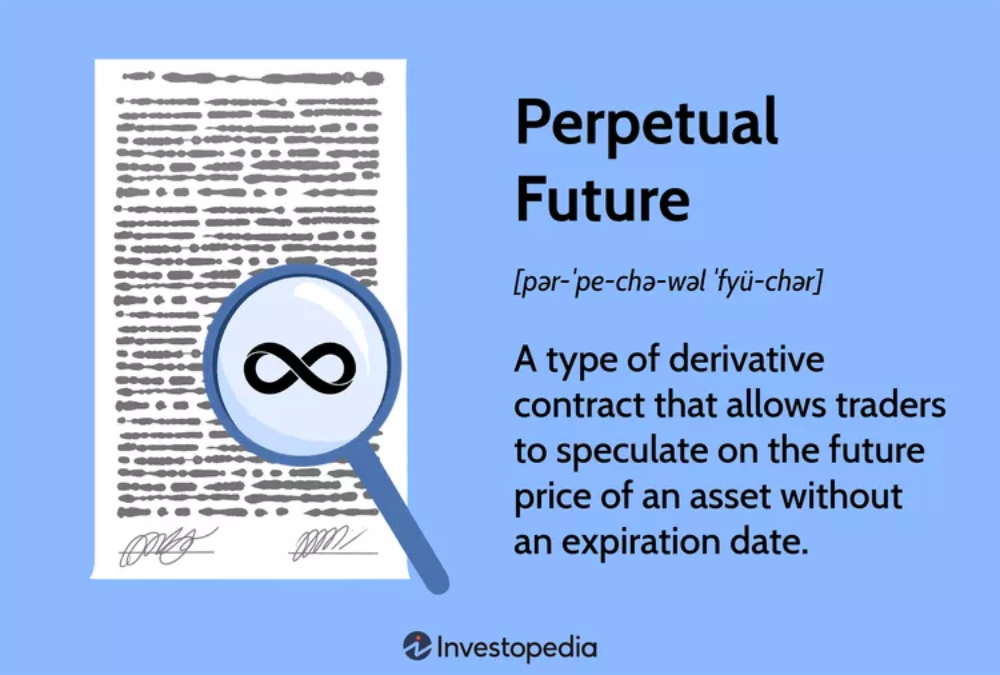
Perpetual futures are derivatives that let traders take long or short exposure to an asset without buying or selling the underlying token directly. To use them effectively, a trader needs to understand the mechanics that control position size, collateral usage, PnL, and liquidation.
- Leverage: Leverage increases the notional size of a position relative to the collateral posted. In practice, higher leverage makes PnL move faster in both directions and brings the liquidation price closer to the entry price.
- Margin trading: Margin trading means the position is backed by collateral rather than fully paid notional value. In practice, margin determines how much loss the position can absorb before liquidation rules take over.
- Funding rate: The funding rate is the periodic payment exchanged between long and short traders to keep the perpetual futures price aligned with the underlying market. In practice, funding can turn a profitable-looking position into a more expensive hold if the rate is paid against your side.
- Open interest: Open interest is the total outstanding notional size of active perpetual futures positions in a market. In practice, rising open interest can show growing positioning, while crowded positioning can make liquidations more impactful when price moves sharply.
- Mark price vs index price: The index price reflects the reference market price, while the mark price is the value used for PnL and liquidation calculations. In practice, the mark price matters because liquidation is typically triggered by that calculation rather than by every last traded price tick.
- Liquidation: Liquidation is the forced reduction or closure of a position when margin is no longer sufficient under the platform’s risk rules. In practice, the liquidation price is the key user-visible level that shows how much adverse price movement the position can tolerate.
A typical perp trade lifecycle looks like this:
- Choose the market: Select the perpetual futures pair you want to trade, such as a major asset market or another listed contract, and the interface shows the available order book, price, and contract details.
- Choose margin mode: Decide between cross margin and isolated margin, which changes whether the position can draw on broader account collateral or only the collateral assigned to that position.
- Set leverage: Choose the leverage level, and the interface updates the required margin, estimated position size, and visible liquidation price.
- Place the order: Submit a limit or market order, and the user-visible result is either an open order waiting to fill or an executed position at the available price.
- Position opens and PnL updates: Once filled, the position appears with size, entry price, margin used, unrealized PnL, and liquidation price.
- Funding accrues if applicable: If the position remains open through funding intervals, funding payments are reflected based on the funding rate and whether the position is long or short.
- Close or reduce-only: To exit, the trader closes the position fully or uses a reduce-only order so the order can decrease exposure without accidentally opening exposure in the opposite direction.
Spot Trading
In contrast, spot trading in crypto or generally is asset-for-asset exchange: the user buys or sells the actual asset rather than taking synthetic exposure through a derivative. Compared with perps, spot does not use leverage by default, does not have funding payments, and does not create a liquidation price from borrowed exposure.
Spot-specific use cases include:
- Rotating between majors: A user can move from one liquid asset to another, such as changing portfolio exposure between large-cap tokens without creating a leveraged position.
- Accumulating a token without leverage: A user can build a direct token position where the main exposure is the asset price itself, not margin mechanics.
- Converting to or from stablecoin collateral: A user can move into or out of USDC to manage available collateral, reduce volatility exposure, or prepare for other trading activity.
Execution expectations on spot are different from simply deciding what asset to own. Traders should watch the spread, depth, and likely slippage or price impact before entering size. In thin liquidity, a market order may fill quickly but at worse average prices, while a limit order gives more price control but may sit unfilled or only partially fill if the market does not trade through that level.
Vaults and HLP Market Making
Vaults turn the market maker role into a passive deposit surface for users who do not want to place and manage every order themselves. The user contributes capital, the strategy deploys that capital into market making or liquidity provisioning-style activity, and returns may come from fees, spread capture, and strategy performance rather than from a simple directional long-only bet.
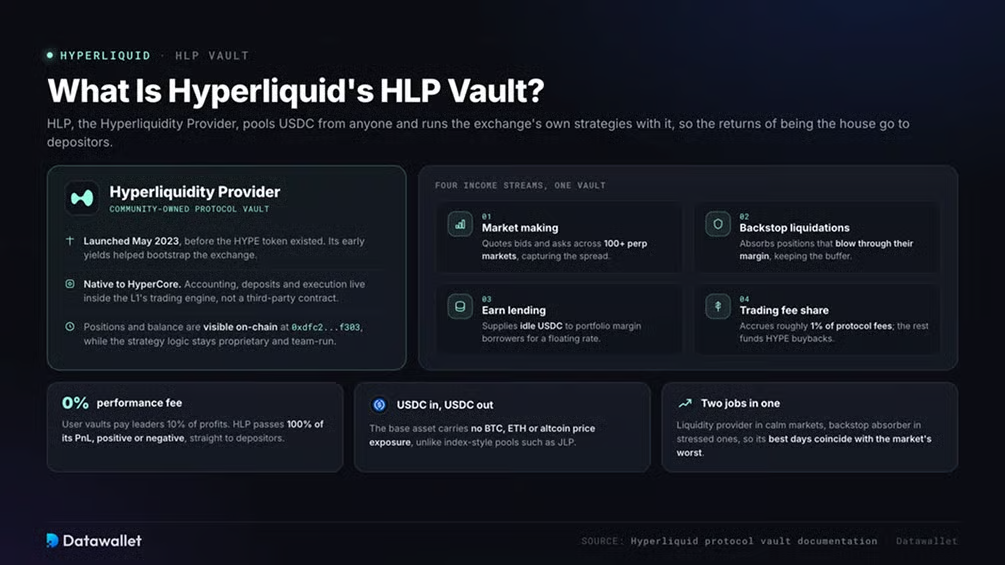
Vault-specific risk dimensions are:
- Drawdowns: The vault value can decline when the strategy performs poorly or market conditions move against its inventory.
- Adverse selection: A market maker can end up trading with better-informed flow, buying before further downside or selling before further upside.
- Inventory risk: The strategy may hold changing asset exposure as it provides liquidity, so returns can be affected by what inventory it accumulates.
- Withdrawal or lockup constraints: Users should check whether withdrawals are immediate, delayed, queued, or otherwise constrained before treating vault capital as liquid.
Vaults may make sense when:
- You want passive exposure to trading revenue mechanics: The user is seeking exposure to fees, spreads, and liquidity-provisioning outcomes rather than manually trading each market.
- You can tolerate strategy drawdowns: The user accepts that vault returns can fluctuate and that periods of negative performance are possible.
Vaults may not make sense when:
- You need guaranteed principal: A vault is not the same as a fixed deposit or insured cash balance.
- You have a short time horizon: If you may need the capital quickly, withdrawal constraints and short-term performance volatility can matter more than the strategy’s longer-term thesis.
DeFi Applications on HyperEVM
HyperEVM makes EVM-style DeFi applications plausible on Hyperliquid, meaning developers can build smart-contract-based products that interact with users, assets, and potentially trading-related flows. The practical categories to understand include:
- Lending and borrowing: HyperEVM changes this by allowing collateral, debt positions, interest logic, and liquidations to be coordinated through smart contracts.
- Prediction markets: HyperEVM changes this by letting market rules, settlement conditions, and payout logic be encoded into programmable contracts.
- Structured products: HyperEVM changes this by allowing predefined payoff rules, rebalancing conditions, and user deposits to be handled through automated contract logic.
- On-chain options or perp vault strategies: HyperEVM changes this by making strategy accounting, deposits, withdrawals, and rule-based execution more composable.
- Yield aggregators: HyperEVM changes this by allowing smart contracts to route deposits across strategies according to programmed rules.
- Portfolio or risk-management tools: HyperEVM changes this by enabling contracts to bundle multiple actions or conditions into a single application experience.
The composability gotcha is that smart-contract apps introduce a different risk and UX model than native trading. Instead of only placing orders or managing positions, users may approve contracts, interact with application-specific rules, and depend on transaction ordering or contract behavior that sits outside the basic trading interface. That makes DeFi on an EVM layer more flexible, but it also means contract risk, approvals, and app-specific execution paths become part of the decision.
Hyperliquid Compared With Other Exchanges
| Category | Hyperliquid | Typical CEX | dYdX | GMX | Drift |
|---|---|---|---|---|---|
| Custody model | Wallet-connected DEX account state | Custodial exchange balance | Non-custodial DEX account model | Non-custodial DeFi positions | Non-custodial DeFi trading |
| Execution model | Order-book perps and spot | Order-book matching | Order-book perps | AMM/perp liquidity design | Perp DEX market design |
| Transparency/on-chain verifiability | On-chain state visibility | Internal ledger plus reports | On-chain settlement visibility | Pool and position transparency | On-chain program transparency |
| Composability with other DeFi | Expanding through HyperEVM | Limited external composability | Chain/app-specific composability | Strong DeFi integration paths | Solana DeFi integration paths |
| Typical UX/friction | Wallet connection and funding route | Account login and KYC flow | Wallet/app onboarding | Wallet plus liquidity-pool UX | Wallet plus Solana app UX |
| Principal risk surface | Smart contract, bridge, and market risk | Custodial platform risk | Protocol and market risk | Smart contract and liquidity-pool risk | Program, oracle, and market risk |
Hyperliquid vs Centralized Exchanges
Choose Hyperliquid when…
- You want a self-custody trading setup where the account is tied to your wallet rather than a traditional exchange login.
- You care about on-chain transparency and want more of the trading state to be externally verifiable than it would be on a typical CEX.
- You want exposure to a DEX environment that can connect more naturally with DeFi composability, especially as HyperEVM-style applications develop around the trading layer.
Choose a CEX when…
- You need fiat rails, card payments, bank transfers, or other direct on/off-ramp conveniences.
- You prefer the simplicity of account recovery through a centralized support process rather than managing wallet access yourself.
- You need deep liquidity on specific pairs that may still trade better on a large centralized venue.
A useful distinction is that Hyperliquid’s account is a wallet-connected trading state, while a custodial exchange balance is an internal claim recorded by the exchange. In both cases the interface may show balances, positions, and open orders, but the custody model behind those numbers is not the same.
Hyperliquid vs dYdX
The more useful comparison with dYdX is not which brand sounds more “decentralized,” but what the trader’s workflow feels like. Start with order types and order-book expectations: confirm whether the order types you rely on are available, how open orders are displayed, how edits or cancels work, and whether the order-book experience matches your style of trading.
Collateral movement is another practical difference. A trader should compare how quickly funds can move in and out, what steps are required before collateral becomes usable, and where on-chain constraints can slow the process. This matters more than the label on the venue because the real question is how quickly you can fund, trade, reduce risk, or withdraw when market conditions change.
Composability is the third lens. Hyperliquid’s HyperEVM direction makes the comparison more relevant for users who expect trading to connect with EVM-style apps over time, while dYdX has its own app-chain-style ecosystem constraints and integrations. The point is not to assume one is automatically better, but to ask which environment fits the tools, wallets, and DeFi workflows you already use.
Hyperliquid vs GMX and Drift
For a trader, the key difference between CLOB and AMM is how execution quality is formed. In an AMM-native design such as GMX-style liquidity, slippage and price impact are usually shaped by pool mechanics, oracle pricing, liquidity availability, and protocol parameters. In an order-book environment, the practical focus shifts toward visible bids and asks, maker fee and taker fee treatment, resting liquidity, and whether another participant is willing to trade at your price.
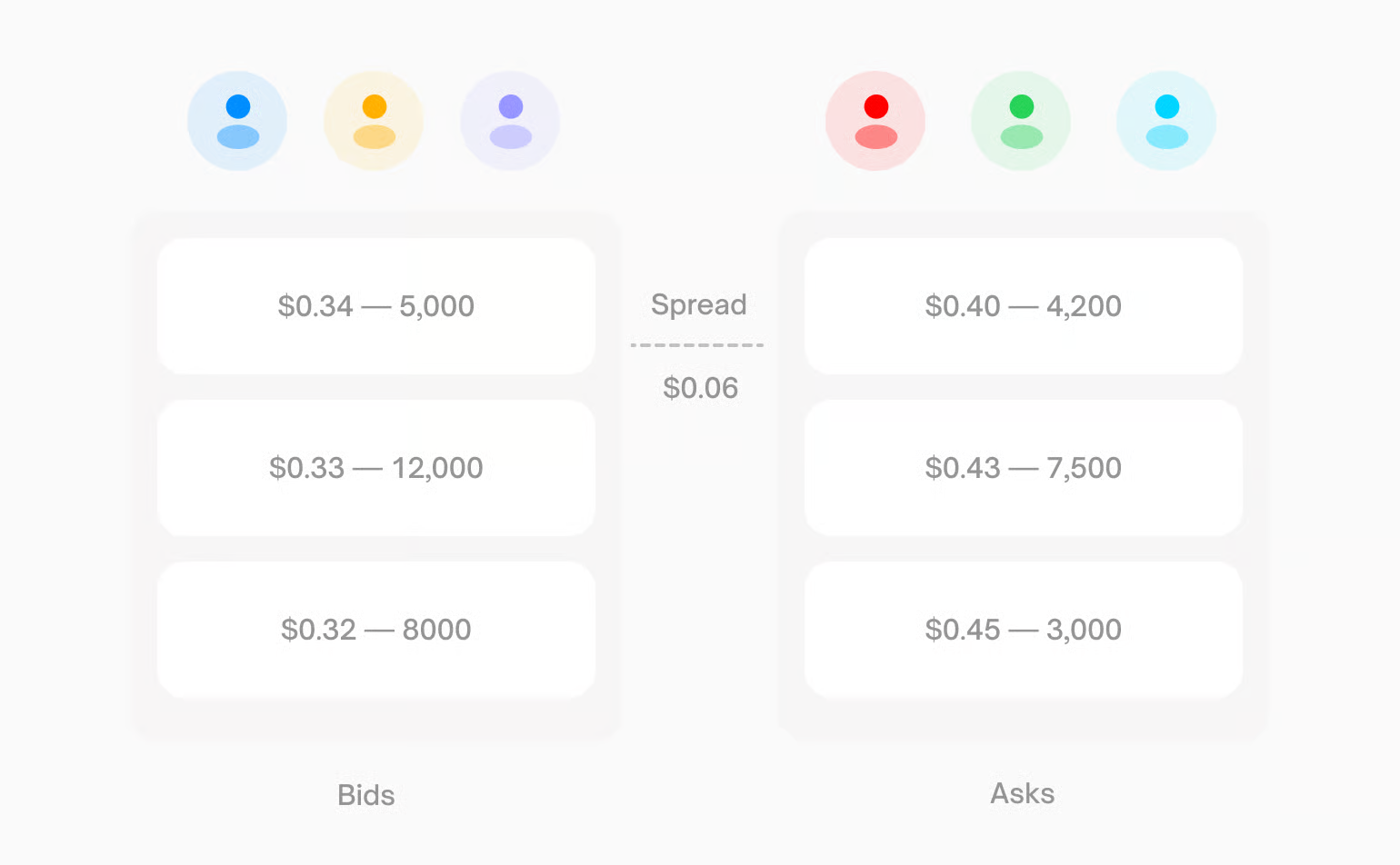
In deep markets, spreads may be tight enough that the user mostly cares about fees, latency, and position management. In thin markets, the difference becomes more obvious: fills depend on available liquidity at each price level, and the cost of immediacy can rise quickly when there is not enough depth near the mid price. Drift adds another comparison point because its execution environment and Solana DeFi context can make wallet workflow, program-level behavior, and ecosystem routing part of the decision.
The gotcha for AMM-native users is that an order book makes limit orders, queue priority, and spread/depth the primary execution variables. Instead of assuming that a trade routes through a pool at a quoted formula, you have to think about whether your order rests, whether it gets priority over later orders, and how much size is actually available before your average fill moves away from the displayed top of book.
Security and Transparency
As a DEX and L1 platform at once, Hyperliquid has quite a few potentially weak points:
- Contracts and bridge: a user can interact with the wrong app, approve the wrong smart contract, or route funds through the wrong bridge path; the visible consequence can be stuck funds, unexpected approvals, or balances not appearing where expected; check official app links, exact routes, transaction details, and approvals before using them.
- Leverage and liquidations: a position can move against you or fail margin requirements; the visible consequence is forced position reduction or closure; check margin mode, leverage, liquidation price, and maintenance margin before submitting the trade.
- Validators and network: validator or network stress can slow finality, liveness, and state visibility; the visible consequence can be delayed order, cancel, withdrawal, or settlement updates; check public network information, status updates, and whether the UI is showing fresh state.
- Team and company: operational risk can come from compromised domains, unclear support routes, poor incident communication, or weak disclosure habits; the visible consequence can be user confusion during problems; check official channels, documentation, postmortems, and update cadence.
Smart Contract and Bridge Exposure
Security risk is not one thing on Hyperliquid. Native exchange actions and HyperEVM smart contract interactions have different failure modes, so treat them as separate lanes before you click, sign, or approve anything.
| Lane | What you are doing | User checks |
|---|---|---|
| Native exchange/trading layer actions | Placing orders, canceling orders, managing positions, or updating trading account state through the exchange interface. | 1. Confirm the trading page or app is reached from official resources, not a search ad or copied link. 2. Check that the wallet address shown in the interface is the address you intend to trade from. 3. Review the order ticket before signing: market, side, size, order type, reduce-only status if relevant, and any visible margin or liquidation impact. |
| HyperEVM smart contract interactions | Using dApps, approving tokens, signing contract calls, or interacting with app-specific logic on HyperEVM. | 1. Verify the exact app and contract context from official documentation or the project’s official site before connecting. 2. Review token approvals and allowances for HyperEVM apps, especially unlimited approvals or approvals to contracts you no longer use. 3. Confirm you are using an official bridge route from official resources when funds need to move into the correct environment. |
Bridge-specific failure modes are more operational than an on-chain spot or perp trade. A trade changes exposure inside the trading venue; a bridge route moves assets across environments, so the evidence trail matters if something does not appear where expected.
- Wrong chain or asset routing: funds can arrive in the wrong context or as the wrong asset version; gather the transaction hash, source chain, destination chain, asset ticker, and destination address before escalating.
- Delayed credit after source confirmation: the source transaction may be complete before the destination balance or trading credit is visible; gather the source-chain confirmation, timestamp, bridge route, and destination account context before escalating.
- Third-party bridge risk: if a route depends on an external bridge or service, its own delays or incidents can affect the transfer; gather the bridge provider name, route page, tx hash, and any status message before escalating.
- Destination address mismatch: the transfer may be valid on-chain but not tied to the wallet or trading account you expected; gather the sending address, receiving address, wallet account selected in the app, and any deposit reference shown by the interface before escalating.
- Trade vs transfer confusion: a spot or perp action should show as an order, fill, position, or balance change, while a bridge action should show as a cross-environment transfer; gather screenshots of the action type, tx hash, and destination context before escalating.
Liquidation and Leverage Exposure
Liquidation risk has two parts. Market risk is the risk that price moves against the trade. Mechanical risk is the risk that the account no longer satisfies the platform’s margin rules, even if the trader’s longer-term view later turns out to be right.
Pre-trade liquidation sanity check:
- Choose margin mode: decide whether cross margin or isolated margin fits the risk you want to take.
- Set leverage: select leverage only after considering how close it brings the liquidation price to the entry area.
- Locate liquidation price and maintenance margin in the UI: do not submit the order until you can see the liquidation-related fields for the position or order preview.
- Estimate buffer for volatility: compare the liquidation distance with normal and stressed price movement for the market you are trading.
Liquidation gotchas:
- Higher leverage can make a small adverse price move large enough to threaten the position before the broader trade idea has time to play out — reduce leverage.
- Adding collateral can move the liquidation level farther away, while removing collateral can pull it closer than expected — add buffer collateral.
- Cross margin may protect one position by using more account collateral, but it can also let one bad position consume funds intended for other trades — use isolated for capped downside.
- A position can be liquidated during a volatility spike even if price later returns to the trader’s expected direction — reduce leverage.
- Exit orders can accidentally increase or flip exposure if they are not configured carefully — use reduce-only orders for exits.
Validator and Network Security
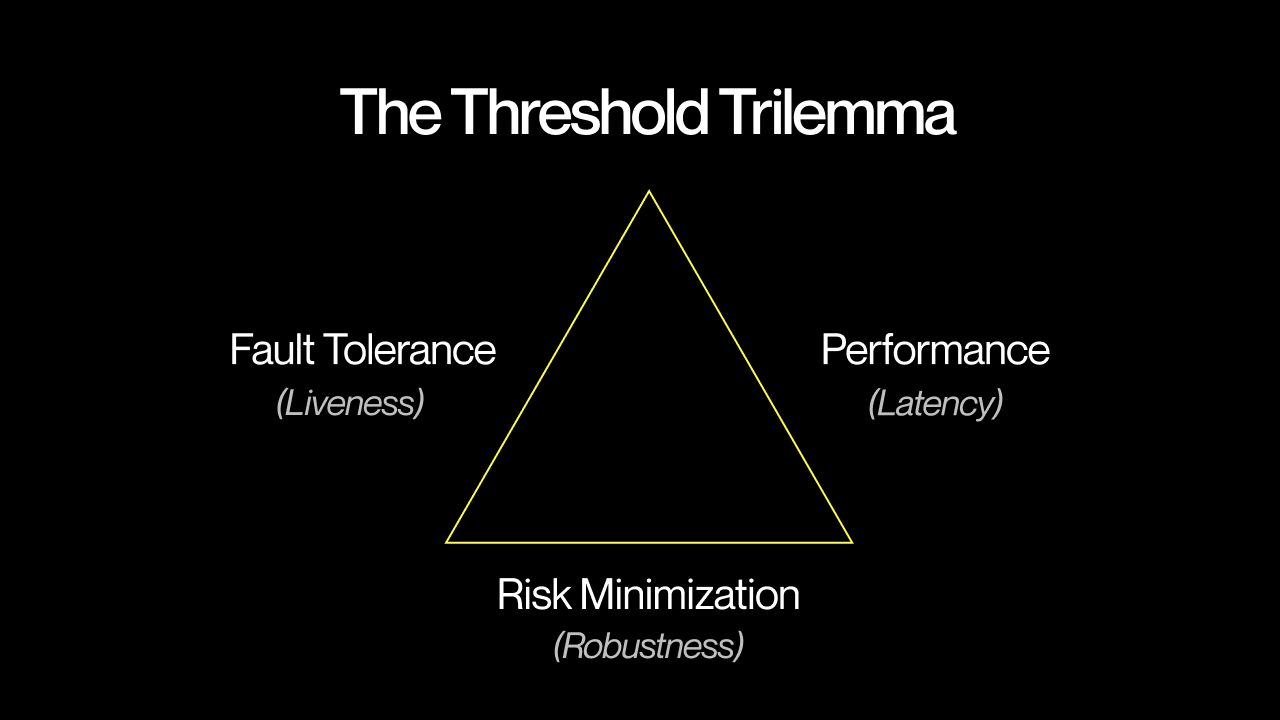
The Architecture section already covered how consensus, the trading engine, and finality fit together, so this section only translates that into user outcomes. Validator security matters because users need orders, cancels, position updates, withdrawals, and settlement visibility to move from “submitted” to “confirmed” without unnecessary ambiguity. In practice, finality and liveness are not abstract network terms; they affect whether the interface can reliably show what happened and whether a user can act on the latest state.
Network stress symptoms to watch for:
- Delayed confirmations or account updates: if an action stays pending longer than normal, avoid repeating the same action until the UI or official status information makes the state clearer.
- Stale balances, positions, or order state: if the screen appears out of sync, refresh from an official interface and cross-check the account state before placing new size.
- Slower cancel or replace acknowledgement: if cancel/replace actions lag, assume the prior order may still be active until confirmed otherwise and avoid stacking conflicting orders.
- Withdrawal or settlement visibility delays: if a withdrawal or settlement-related update is not visible yet, collect the transaction or request details and wait for confirmation before escalating.
What transparency looks like for networks:
- Publicly visible validator set information or documentation describing how validators participate.
- Signals about stake distribution and whether voting power appears concentrated or broadly distributed.
- Published software, release notes, or upgrade information that shows how the network changes over time.
- Incident notes, postmortems, or status updates when degraded conditions occur.
- Documentation that explains finality, validator responsibilities, and user-facing operational assumptions without requiring privileged access.
Team and Company Status
Self-custody reduces some counterparty risk, but it does not remove every operational risk. Protocol risk lives in the smart contract, bridge, validator, and network layers; company or operational risk lives in service continuity, front-end availability, domain security, social channel integrity, support processes, and communication quality. A wallet-connected trading model means you control your keys, but it does not automatically protect you from using a compromised link, misunderstanding an incident, or relying on weak official communication during a disruption.
Due-diligence checklist:
- Check whether public identities, contributor history, or track record signals are available from official or reputable sources.
- Look for documented audits, security reviews, or formal assessments if they are disclosed in official documentation.
- Review incident history, postmortems, and whether the team explains causes, user impact, and remediation steps.
- Check whether a bug bounty or responsible disclosure route exists and whether it is linked from official resources.
- Verify communication channels from the official site, not from search results, social replies, or unsolicited messages.
- Review the update cadence for docs, status pages, release notes, and product notices.
- Check whether support processes are clearly described, including what support will never ask for.
- Compare major announcements across multiple official channels when the action involves wallet connection, bridge use, or smart contract approvals.

Security warning: ‘Do’s and ‘Don’t’s
- Do: verify the exact domain, app link, bridge route, and wallet address before connecting or funding.
- Do: read the human-readable transaction intent and confirm what you are signing before approving.
- Do: review smart contract approvals periodically, especially for HyperEVM apps you no longer use.
- Don’t: share your seed phrase or private keys with anyone, including anyone claiming to be support.
- Don’t: trust lookalike domains, sponsored links, or support DMs for wallet-connected trading actions.
- Don’t: approve a transaction just because the interface looks familiar; confirm the action, asset, amount, and destination first.
Conclusion
Without focusing too much on how Hyperliquid positively blew up in 2025, its current place is as one of leading DEXs and a household name by DeFi standards. Its native token HYPE, now a top-10 crypto asset, is a microcosm of this meteoric rise to success.
Frequently Asked Questions
What is Hyperliquid used for?
Hyperliquid is used for crypto trading and on-chain applications. The key distinction is that perps and spot sit in the active trading venue bucket, while HyperEVM DeFi apps sit in the application layer bucket.
Is Hyperliquid a blockchain or an exchange?
Hyperliquid is both a decentralized exchange and a blockchain. In decision terms, you evaluate it as a DEX experience that runs on its own Layer 1, not merely as an app on another chain.
Is Hyperliquid available in the United States?
Hyperliquid availability can be restricted in the United States. Readers should verify current eligibility through the platform’s official policy and status disclosures before using a product.
What is the HYPE token?
The HYPE token is the native token of Hyperliquid. The key distinction is that HYPE is an ecosystem token with governance and utility roles, not just a trading product.