
Best Crypto Presales: Find, Vet & Invest Safely


Key Takeaways
- 🐣 A crypto presale is an early-stage token sale where pricing is set by the project, custody is often deferred, and liquidity is typically minimal until listing.
- 🐣 The “best crypto presale” is rarely the loudest. It is the one with verifiable utility, coherent tokenomics, a publishable vesting period, and a security posture that holds up on-chain.
- 🐣 The fastest way to reduce risk is to treat presales as a verification workflow: confirm the contract address, confirm the unlock schedule, and confirm who can change what via admin keys.
- 🐣 What counts as a "best presale" in this guide:
- Utility & Roadmap — whether the token has a credible use case and a verifiable development timeline
- Tokenomics & Vesting — how supply is allocated, distributed, and locked through the vesting period
- Security & Team Transparency — the quality of smart-contract audits, team doxxing, and public accountability
- 🐣 Is this guide right for you?
- ✅ This guide is for: Risk-tolerant readers who understand early-stage token investing, are comfortable with smart-contract risk, and are conducting active due diligence before committing capital
- ✅ Readers who want a structured framework for evaluating cryptocurrency and blockchain presale projects on their own terms
- ❌ Avoid presales if: You need liquidity in the near term, are uncomfortable with the possibility of total loss, or are unfamiliar with how smart-contract risk affects token security
Risk & Scope Disclaimer:
Presales are among the highest-risk activities in crypto: tokens are illiquid from purchase until listing, vesting schedules create predictable sell pressure, and smart-contract vulnerabilities can result in total loss of funds. Nothing on this page constitutes financial advice. Only allocate capital you can afford to lose entirely.
What Is a Crypto Presale?
A crypto presale sells early-stage tokens to buyers before any public trading begins. Pricing is fixed or structured across rounds, tokens are typically claimable later rather than instantly transferable, and access is restricted to pre-listing participants only.

Definition
A crypto presale is one of the main methods of buying crypto before listing. It is distinct from a public sale, IDO, or IEO in several specific ways: access is gated (often by whitelist or private invitation rather than open registration), custody is deferred (you receive an allocation or receipt, not transferable tokens), disclosure varies (presales may lack the formal documentation required by a launchpad), and liquidity expectations are minimal until listing. It also differs from a simple OTC token purchase, where custody and pricing terms are negotiated bilaterally and tokens may transfer immediately.
When you participate in a presale,
- you pay with cryptocurrency, most commonly ETH (Ethereum) or stablecoins such as Tether (USDT) and USD Coin (USDC), sent to a smart contract or project wallet.
- you receive immediately an allocation record, a receipt, or an on-chain entry confirming your purchase—not spendable tokens.
- later you receive claimable tokens, released according to the project's unlock schedule after the Token Generation Event (TGE).
You get a discounted entry price relative to the public listing price, in exchange for a lock-up period, uncertainty about the project's execution, and limited liquidity until distribution begins.
Presale Stages
At each step of a process of participating in a crypto presale, a distinct mechanic can be involved.
First off, a whitelist or allowlist determines who can participate and enforces per-wallet allocation caps. What to verify: the maximum contribution per wallet, and whether the whitelist is first-come-first-served or merit/lottery-based.
Next can come a private sale offered to venture funds or large early backers, typically featuring the largest discounts and the longest vesting periods. What to verify: the stage price relative to later rounds, and the length and cliff terms of any vesting agreement—large private allocations with short vesting are a structural risk for later buyers.
After that, one or a few public presale rounds (often with tiered pricing) follow. Most projects run two to four sequential rounds, each at a higher price than the last. What to verify: the exact price increment between rounds, whether KYC is required at your jurisdiction, and what happens to unsold tokens (burned, rolled into the next round, or absorbed into treasury).
When the final / public listing arrives, the token reaches an exchange and open liquidity discovery begins. What to verify: the initial listing price relative to presale round prices, and whether any market-making or liquidity provisioning is contractually committed.
Pricing formats you will encounter:
- Fixed price: Every buyer in that round pays the same per-token price. Straightforward, but earlier rounds are cheaper, rewarding faster action.
- Rising-round price ladder: Each successive round has a higher fixed price. Earlier buyers get better entry; later presale participants carry more risk if the listing price lands below their round price.
- Bonding-curve style sales: Price rises continuously as more tokens are purchased. Creates slippage risk—buyers later in the same round pay more than those who entered earlier, which introduces a fairness tradeoff that is worth reading the contract for explicitly.
Token Distribution
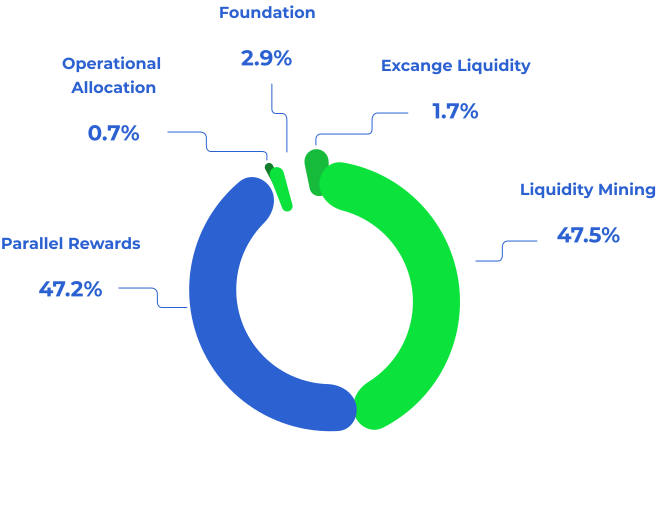
Token distribution in a presale context can refer to two separate things: either to who gets what or when.
First, allocation categories: A project's total token supply is divided across cohorts such as team, treasury, liquidity provision, community/ecosystem, and presale participants, as an example. The size of each category of recipients directly reflects where control and incentives sit.
Second, timing: Each portion of token supply has its own cliff (the minimum hold period before any tokens unlock), vesting period (the total duration over which tokens release), and unlock schedule (the specific cadence and size of each release). Concentration of supply in any single category, combined with short cliffs and large same-day unlocks, creates predictable post-claim sell pressure. When a large insider or presale allocation becomes liquid at the same moment, there is a direct mechanical reason the price often drops at that event.
Distribution red flags to check directly in documents or on-chain explorers:
- Oversized insider allocation: Team + advisors + private sale combined exceeding 40–50% of total supply is a concentration risk, regardless of vesting terms.
- Short cliffs: A cliff of less than six months on team or private-sale tokens means insiders can begin selling very soon after listing.
- Large same-day unlocks: Any single unlock event releasing more than 10–15% of circulating supply in one transaction is a structural sell-pressure event.
- Unclear liquidity allocation: If the tokenomics document does not specify a dedicated percentage for liquidity provision on exchanges, assume liquidity at launch will be thin.
- No stated market-making plan: Projects that omit any mention of a market maker or liquidity provisioning strategy for their blockchain listing leave early buyers with no visibility into post-listing trading conditions.
Best Crypto Presales in 2026
The subject warrants a pause for a word of caution before jumping into the ratings and lists. Presales are illiquid, subject to vesting, and may not even list at all; at the very least, verify contract address and unlock schedule before participating.
Each entry names the base network and any execution-environment claims (L1, L2, EVM/SVM compatibility, bridging) so you can assess infrastructure risk before anything else. Token utility covers 2–4 concrete uses—fees, staking, governance, revenue share, or access—so you can tell a utility-driven presale from a narrative-only token. Where verifiable numbers exist (raise amount, participant count, hard cap, sellout pace, testnet/MVP), they are listed; missing data is flagged as a due-diligence gap rather than omitted. Disclosed vesting periods, token allocation splits, and unlock schedules are explicitly mentioned; undisclosed ones are marked as gaps you should request before committing. Finally, risk callouts close each entry, followed by a single line matching the project to an investor intent and risk tolerance.
Gno.land ($GNOT)
What it is: Gno.land is an open-source smart contract platform. It provides transparent, auditable code for realms and includes Boards, a fully on-chain social forum with appropriate functionality.
Stack / chain: Built on a Cosmos subchain. Gno Playground is a web application for building, running, testing, sharing, and deploying code in Gno, an interpreted and fully deterministic variation of the Go programming language for succinct and composable smart contracts.

Token utility:
- Reserving ownership of storage on Gno.land by locking as storage deposit
- Gas token within the ecosystem
- Value transfer through IBC/ICS cross-chain interactions
- Transaction fees
Traction signals (verifiable): According to the official website, during the 5+ years in the making, Gno.land connected 3+ million wallet addresses, 650+ thousand of them active.
Tokenomics & unlocks: Only about 2.9% of the total supply of GNOT is reserved for the upcoming presale. About 15% more of the tokens will enter circulation upon TGE, distributed in two previous airdrops. 85% of the total supply, reserved for Newtendermint, LLC and treasuries, will remain locked and vested.
Primary risks / watchouts:
- High initial concentration of tokens with the team and investors
- KYC required on registration
- Adoption metrics are high for this particular product; however, consider its niche and do not count on mass adoption
Best for: Tech-focused investors looking for a position heavy on blockchain technology, willing to trust the team that developed Tendermint and Cosmos.
Credible ($CRED)
What it is: CRED represents community ownership of Credible, governed through MetaDAO's decision market structure.
Stack / chain: MetaDAO is a hybrid between governance portal and prediction markets on Solana.
Token utility: governance token for MetaDAO-powered contributions to Credible’s development
Traction signals (verifiable): Credible is a global payments business claiming to be growing 29% MoM and generating $3.5M per year in run rate revenue.
Tokenomics & unlocks (only if disclosed): The ICO distributes 10 million fully liquid tokens. Extra supply includes 2.9M for AMM liquidity, ~5.2M for prior investors (3-year linear vest with 1-year cliff), and ~4.5 for the team.
Primary risks / watchouts:
- Regulatory risk: crypto-to-fiat conversion at scale attracts MSB licensing requirements across jurisdictions, and a single regulatory action can pause operations
- Platform dependency: $CRED is usable only within the MetaDAO platform
- USDT and stablecoin dependency for conversion liquidity
Best for: Investors familiar with MetaDAO or explicitly looking for contribution to a fintech company through decentralized channels.
Remittix ($RTX)
What it is: Remittix is a crypto-to-fiat payment protocol purpose-built as a cross-border payment solution, letting users send cryptocurrency and have recipients receive local fiat currency directly into a bank account.
Stack / chain: Built on Ethereum (EVM-compatible); smart contracts handle the conversion and settlement flow. Specific bridging to other chains is not specified in public presale materials.
Token utility:
- Fee payment for every crypto-to-fiat payment conversion
- Staking for protocol revenue share distributed to $RTX holders
- Access to premium payment rails and reduced fee tiers
- Governance rights over fee structures and supported corridors
Traction signals (verifiable): Remittix has raised over $14 million in presale funding, signaling strong early community traction ahead of its DEX listing. (Source: Bitcoin Foundation)
Tokenomics & unlocks (only if disclosed): Token allocation between public presale, ecosystem promotion, listings, reserves, team, and rewards has been disclosed as 50/15/12/10/9/4; the vesting period and team unlock schedule are not as freely available as public information, though.
Primary risks / watchouts:
- Regulatory risk: crypto-to-fiat conversion at scale attracts MSB licensing requirements across jurisdictions, and a single regulatory action can pause operations
- Bank integration execution risk: partnerships with banking rails are operationally complex and may not scale as projected
- USDT and stablecoin dependency for conversion liquidity means peg-break events in the broader stablecoin market flow directly into Remittix's settlement capacity
Best for: Investors backing real-world adoption layer plays in payments; suits those comfortable with fintech-regulatory risk and a medium-to-long holding horizon through the vesting period.
Little Pepe ($LILPEPE)
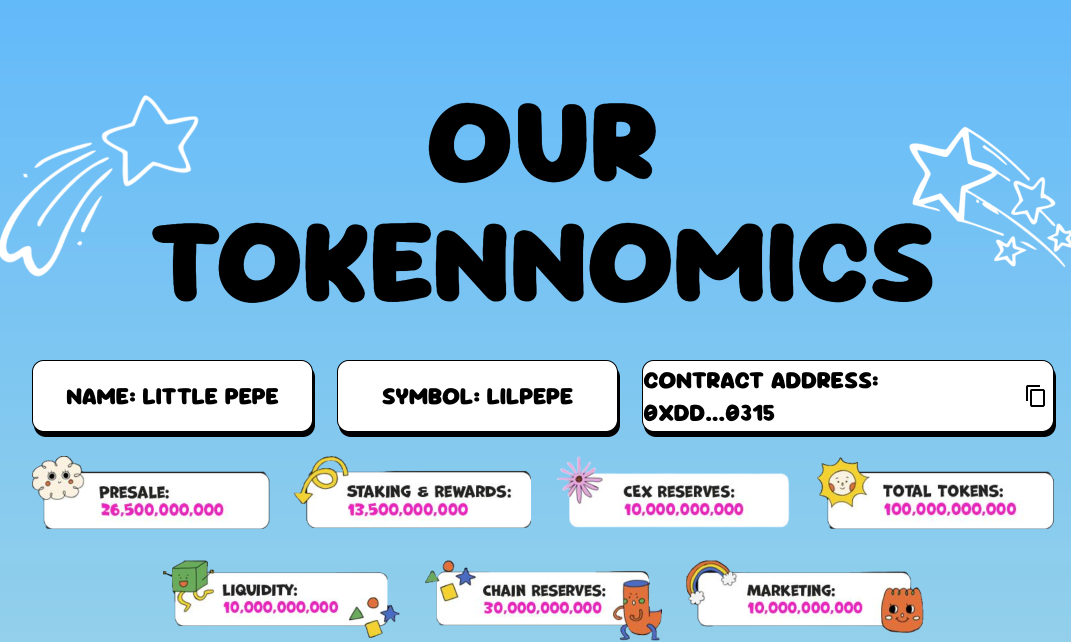
What it is: Little Pepe is a meme token on Ethereum that differentiates itself through a built-in dump protection mechanism designed to reduce whale-driven sell pressure at launch.
Stack / chain: Ethereum (EVM); no L2 or bridging claims specified in public presale materials.
Token utility:
- Community incentive distribution to early holders
- Staking pool access for yield during the presale and post-launch phases
- Governance votes on community treasury allocation
- DEX liquidity mining rewards at token generation event (TGE)
Traction signals (verifiable): Specific raise amount, participant count, and hard cap figures are not published in accessible presale materials at time of writing—these represent a due-diligence gap; verify on-chain or via the official contract address before participating.
Tokenomics & unlocks (only if disclosed): The dump protection mechanism is the headline tokenomics feature; full token allocation breakdown and unlock schedule details are posted on the official website but request the insider vesting period and whale risk controls before committing.
Primary risks / watchouts:
- Meme "viral liquidity cycle" dependency: price action driven by social momentum can reverse sharply once the narrative fades
- Bot-driven hype inflating presale participation metrics without genuine holder conviction
- Undisclosed team allocation creates whale risk at unlock, even with stated dump protection
Best for: Speculative community-narrative investors who understand meme token mechanics; high risk tolerance, short-to-medium horizon.
Dogeball ($DOGEBALL)
What it is: Dogeball is a meme/gaming community token that fuses meme-driven community traction with a play-to-earn reward structure, creating a dual-flywheel engagement model uncommon in pure meme tokens.
Stack / chain: Ethereum L2 DOGECHAIN, currently available as testnet; confirm base network and any EVM/SVM compatibility before participating.
Token utility:
- In-game reward currency for play-to-earn game modes
- Staking to earn passive yield from the gaming treasury
- Governance over game development priorities and prize pool allocation
- DEX trading pairs at TGE as the primary liquidity vehicle
Traction signals (verifiable): Specific raise amount, participant count, and hard cap are not published in accessible presale materials—these are due-diligence gaps; no confirmed game demo is widely publicly available, although consistently referenced in public materials.
Tokenomics & unlocks (only if disclosed): Token allocation is between marketing and presale, rewards and liquidity, and team and treasury in the 5/5/3/3/2/2 ratio respectively; unlock schedules are not disclosed in public presale materials. Undisclosed unlocks are a primary whale risk vector for gaming tokens.
Primary risks / watchouts:
- Meme and gaming narrative stacking can attract bot-driven hype that inflates early metrics without genuine player adoption
- Game development execution risk: play-to-earn titles have a high failure rate even with funded teams
- No confirmed smart-contract audit; gaming contracts handling prize pools are high-value targets
Best for: Speculative investors attracted to meme-gaming narrative crossover; very high risk tolerance, short-horizon positioning.
Project Review Criteria
Applying consistent due diligence across every crypto presale you evaluate is what separates disciplined investors from ones who get burned by hype. The eight criteria below form a presale-specific rubric. Each section gives you a tight checklist, a minimum acceptable bar, and the deal-breakers that should make you walk away.
Utility
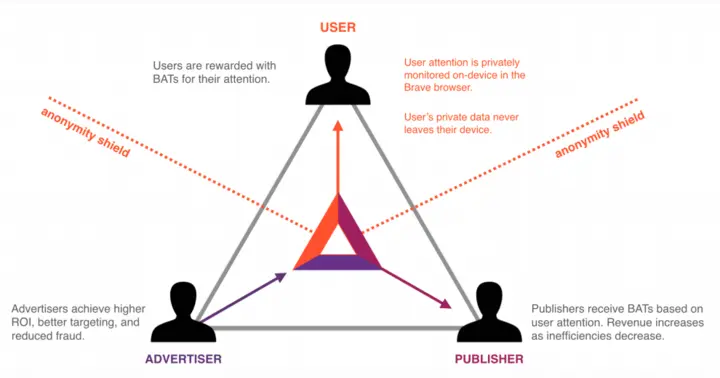
Token utility is the single most important thing to verify before committing capital. Not all utility is equal — and vague claims are the norm at the presale stage.
What to verify and how:
- Token-as-payment: Confirm merchants or protocols already accept the token. Screenshots of integrations are not sufficient — require verifiable on-chain transactions showing actual settlement activity on a public blockchain explorer.
- Token-as-access: Look for published API endpoints or live testnet/mainnet activity demonstrating that access is gated by the token contract. A published whitepaper claiming future access gates is not proof.
- Staking/rewards: Verify the staking contract is deployed and callable on testnet or mainnet. Check that emission schedules are hard-coded or governed on-chain, not adjustable by an admin key.
- Governance: Confirm governance contracts exist with at least one on-chain proposal or vote recorded. "Governance coming soon" after TGE is a reason for suspicion.
- Protocol fee capture: Verify that fees are routed to token holders or a treasury by reading the contract directly — not from the project's own documentation alone. Look for a fee distribution function in verified source code.
Why it matters: Utility-first screening filters out tokens whose only demand driver is speculation, which collapses during bear markets.
Minimum bar: At least one utility function should be verifiable on a public testnet explorer or live mainnet with real transaction history — not a demo, not a screenshot.
Deal-breakers:
- Utility is described only in the whitepaper with no on-chain or testnet artifact to verify.
- All demand for the token relies on future ecosystem growth with no mechanism specified.
- The live MVP does not exist and launch is contingent on raising the full hard cap.
Roadmap
A realistic roadmap is one you can partially verify today, not one you have to trust entirely.
What to verify and how:
- Shipped vs. promised: Map each milestone claim to a verifiable artifact — a GitHub repository (check commit frequency and recency), a testnet/mainnet transaction, or a dated release note. Any milestone without a linked artifact should be treated as unverified.
- Commit frequency: A public repository with fewer than 10 commits in the last 90 days on a project claiming active development is a red flag. Check timestamps, not just commit count.
- Version alignment: Confirm that the roadmap version in the whitepaper matches what is published on the website and in the GitHub README. Inconsistency suggests the document is not maintained.
- External dependencies: Any milestone that hinges on a third-party bridge, L2 integration, or CEX listing carries higher execution risk. Verify that the counterparty is named and that a public confirmation (tweet, press release, or official announcement from the counterparty) exists. "In discussions with a major exchange" is not confirmation; for example, claiming integration with Solana Labs or a cross-chain deployment on Avalanche should be backed by a verifiable artifact rather than implied marketing.
- Timeline realism: Cross-check the number of milestones against team size. A four-person team promising five product launches in six months is a structural risk, not a confidence signal.

Why it matters: Evidence-backed milestones reveal whether a team executes or just plans.
Minimum bar: At least 50% of past roadmap milestones should have a verifiable on-chain or public repository artifact proving completion.
Deal-breakers:
- No public repository exists or the repository has been set to private.
- All future milestones depend on unnamed external counterparties.
- The roadmap has been revised multiple times without changelog or explanation.
Tokenomics
Token allocation determines who has sell pressure leverage over you after TGE. Read the numbers, not the narrative.
What to verify and how:
- Insider allocation: Add up team + advisors + private sale allocations. If this exceeds 40% of total supply, insider allocation is high. Cross-check wallet addresses against the contract's token distribution transactions on a blockchain explorer.
- Sell pressure windows: Map vesting end dates for each category. Identify months where multiple large tranches unlock simultaneously — these are predictable sell pressure events that depress token price.
- Concentration risk: Use a token explorer (e.g., Etherscan's holders tab) to check if the top 10 wallets hold more than 50% of circulating supply at TGE. High concentration = high manipulation risk.
- Demand drivers: Confirm that token demand is tied to a specific mechanism — fee burns, access gates, staking emissions, or DEX liquidity incentives — not to "ecosystem growth," which is not a falsifiable claim.
Why it matters: Token allocation math tells you when and by whom you will be sold against after you buy in.
Minimum bar: Team and advisor combined allocation should be under 30%, with vesting of at least 12 months including a cliff, and liquidity allocation sufficient to support DEX trading at launch.
Deal-breakers:
- Team allocation exceeds 25% with a cliff shorter than 6 months.
- No token allocation breakdown is publicly available before the presale ends.
- Emission schedule is "to be determined" or adjustable by an admin wallet.
Vesting
The unlock schedule, when read properly, becomes a ready sell pressure map.
What to verify and how:
- Cliff vs. linear vs. step unlocks: A cliff means no tokens release until a fixed date. Linear means tokens release continuously after the cliff. Step unlocks release tokens in discrete chunks at set intervals. Step unlocks create predictable sell events — mark those dates.
- Circulating supply calculations: To compute circulating supply at TGE, sum only the tokens that are unlocked at the moment of launch (public sale unlocks + liquidity + any immediate team unlocks). At 3, 6, and 12 months, add each tranche that vests in that window. This number tells you what percentage of max supply is actually in circulation and available to sell.
- Team vs. presale vs. liquidity vesting: Team vesting should be the longest of the three. If presale investors vest faster than the team, that is misaligned incentives. Liquidity is typically unlocked at TGE by design, but LP lock periods should be verified.
- Short cliff risk: A 1-month cliff means insiders can sell within 30 days of TGE. Even if total vesting is 24 months, a short cliff front-loads sell pressure into the earliest and most illiquid trading window.
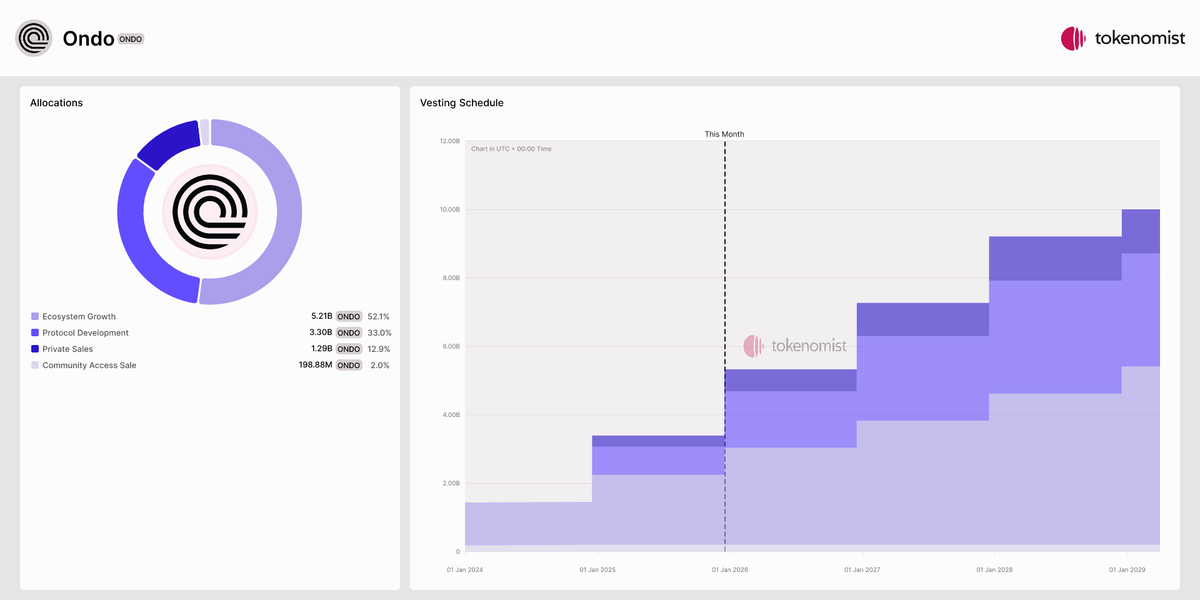
Why it matters: Unlock schedules determine the real float at every point in time — which directly controls sell pressure and price discovery on DEX markets post-launch.
Minimum bar: Team vesting should include at least a 6-month cliff with 18–24 months of linear or step vesting thereafter, and the full schedule should be published on-chain or in a verifiable smart contract, not just stated in a document.
Deal-breakers:
- Team cliff is shorter than presale investor cliff.
- Unlock schedule is not encoded in a verifiable smart contract.
- More than 30% of total supply unlocks in the first 3 months post-TGE across all categories combined.
Funding
The amount a project raises and the quality of that raise are two completely different signals.
What to verify and how:
- Amount raised vs. runway: Divide disclosed funds raised by estimated monthly burn (inquire a use-of-funds breakdown). If the project raises $2M but lists $800K/month in development costs, runway is under 3 months post-launch — a critical risk.
- Hard cap vs. soft cap: Verify both are published. A soft cap sets the minimum viable raise; a hard cap sets the ceiling. Projects without a published soft cap have no accountability floor.
- TGE valuation check: Compute the fully diluted valuation (FDV) at the presale price. If FDV implies a market cap larger than comparable live projects at launch, upside asymmetry is limited. Large raises can increase valuation risk significantly and reduce the upside available to presale participants.
- Use-of-funds specificity: Require a percentage or dollar breakdown by category (development, marketing, legal, liquidity, operations). "General development" without line items is a governance red flag.
- Escrow and multisig controls: Verify that presale funds are held in a multisig wallet or third-party escrow, not a single team-controlled address. Look for the wallet address in public communications and verify it on-chain.
- Milestone-based fund release: Ask whether funds are released in tranches tied to deliverables. Projects using milestone-based disbursement have structural accountability; lump-sum releases do not.
Why it matters: Cap table quality and fund controls determine whether your capital is protected against misuse between raise and launch.
Minimum bar: Use-of-funds should be itemized with at least four distinct line items, funds should be held in a verifiable multisig or escrow address, and FDV at TGE should be benchmarkable against live comparable tokens.
Deal-breakers:
- Funds are held in a single EOA wallet controlled by one team member.
- No soft cap is published, meaning the project launches regardless of raise quality.
- FDV at presale price exceeds 10x comparable live projects with working products.
Partnerships
Being honest, most partnership announcements in the crypto presale space are marketing, not commercial agreements. Apply an authenticity protocol before counting any partner as a signal.
What to verify and how:
- Reciprocal announcements: Search the supposed partner's official channels (website, Twitter/X, LinkedIn) for a corresponding announcement. A partnership only announced by the project itself has not been verified by the counterparty.
- Integration evidence: Look for SDK usage, shared GitHub repositories, co-branded documentation, on-chain activity connecting the two protocols, or co-marketing content with direct links from both parties. Pilot agreements differ materially from signed commercial contracts — treat pilots as unconfirmed.
- Scope clarity: Require that the partnership announcement specifies what is being built, by when, and under what terms (commercial, pilot, MOU, or revenue-sharing). Vague scope = unverified scope.
- Logo wall red flags: A "partners" section on a project website with logos and no links is the most common authenticity failure. Require live URLs to external partner pages that reference the project by name.
Why it matters: Fake or inflated partnerships signal that the team is optimizing for presale optics, not product development.
Minimum bar: At least one partnership should have a reciprocal public announcement from the named counterparty, with a described scope that goes beyond a logo placement.
Deal-breakers:
- Zero partnerships have reciprocal verification from the counterparty.
- Named "strategic partners" are themselves unaudited presale-stage projects.
- Partnership announcements were published only days before the presale opened.
Security
Even if "Audited" is there, it is not a security signal on its own. The details of the audit matter far more than the badge.
What to verify and how:
- Auditor identity and reputation: Verify the auditing firm independently. Confirm they have a public track record of audits, a professional website, and prior work that is searchable. Unknown "audit firms" that appeared recently are a red flag — fake audit PDFs are a documented fraud vector in the crypto presale ecosystem.
- Audit scope: Confirm exactly which contracts were audited — the token contract, the presale contract, the staking contract, and/or the bridge. An audit of the token contract alone does not cover the presale vesting contract you are interacting with.
- Date and version pinning: Verify that the audit report references the specific contract version (commit hash or contract address) that is currently deployed. An audit of a previous version does not cover post-audit changes.
- Finding remediation: Read the audit report's findings section. Check that all critical and high-severity findings are marked "resolved," not "acknowledged" or "accepted." Acknowledged findings are still live vulnerabilities.
- Timelocks and multisig: Verify on-chain whether admin functions are protected by a timelock contract (giving users notice before changes take effect) and whether ownership is held by a multisig rather than a single address.
- Verified source code: Confirm that the deployed contract's source code is verified on the relevant blockchain explorer (e.g., Etherscan). Unverified contracts cannot be independently reviewed. Note whether ownership has been renounced (immutable, no future upgrades) or whether a controlled upgrade proxy is in place — both have tradeoffs, but undisclosed admin key control is a risk.
Smart-contract audit checklist on-chain:
- Find the contract address → check "Contract" tab on explorer → confirm "Verified" status.
- Read the owner/admin address → check if it is a multisig (multiple signers required).
- Search for timelock contract linkage in the constructor or ownership transfer history.
- Download the published audit PDF → confirm auditor name matches a traceable firm → match the contract hash in the report to the deployed address.
Why it matters: Unverified, unaudited, or post-audit-modified smart contracts are the primary technical attack surface for presale exploits.
Minimum bar: A full-scope audit by a named, verifiable auditing firm with all critical findings resolved, applied to the specific contract version currently deployed, is the acceptable floor for any crypto presale evaluation.
Deal-breakers:
- Audit PDF lists a firm that has no public track record or verifiable web presence.
- Critical findings in the published report are marked "acknowledged" rather than resolved.
- Deployed contract source code is not verified on the blockchain explorer.
Community

Community size is a commonly publicized signal but ultimately, a vanity metric. Its quality is the real signal worthy of attention. Apply a scoring approach that separates the two.
Community quality dimensions:
- (a) Size: Total follower/member count across Telegram, Discord, and Twitter/X. Context matters — 5,000 engaged members outperform 50,000 bots. Verify member counts against engagement rates.
- (b) Engagement quality: In the last 14 days, count unique users who posted substantive questions or comments (not just emoji reactions or "wen launch" posts). A healthy community has broad participation across many usernames.
- (c) Retention: Check whether the same users appear in discussions across multiple weeks, or whether the user base churns entirely between announcement cycles. Community-created tools (trackers, dashboards, bots built by members) are a strong retention signal.
- (d) Contributor activity: Look for moderation response times under 2 hours, active developer presence in community channels, and whether team members answer technical questions directly. Developer or moderator dropout is a retention red flag.
- (e) Bot/hype signals: Check for bot-driven hype by looking at follower growth charts (sudden vertical spikes on a single day), identical phrasing across multiple accounts in the same thread, and whether discourse is led primarily by paid influencers with no organic member voices.
Where to Find Crypto Presales
Finding legitimate crypto presales requires treating discovery as a funnel: first, source candidates from aggregators, launchpads, and social channels; second, verify each candidate's authenticity against multiple independent sources; third, monitor traction and on-chain activity for confirmation signals; fourth, qualify your access through whitelists or allocation rounds only after the prior steps are complete. Skipping steps in this funnel is where most exposure to fake presale networks, spoofed contracts, and bot-driven hype begins. The sections below give you a repeatable workflow for each layer.
Tracking Platforms
This is the broadest entry point for discovering early-stage token presales. The two most important distinctions to understand before using any aggregator:
- Aggregator listings (e.g., CoinGecko, CoinMarketCap.com) compile presale data submitted by projects or scraped from public sources. Listings are not endorsements, and inclusion does not imply any vetting.
- Independent project pages are the official websites published by the project team. These are the authoritative source—aggregators should point to them, not replace them.
Because coverage varies significantly across trackers, cross-checking across at least two separate platforms is essential before treating any listing as confirmed. A thin list is not a problem in itself; the problem is assuming that what one tracker shows is comprehensive.
Before moving any candidate forward:
- Cross-check the URL across at least two independent sources. The presale link on an aggregator, the project's pinned Telegram/X post, and the official website should all match exactly. One mismatch is a hard stop.
- Confirm social handles match the website. The X handle, Telegram group link, and Discord invite linked from the official site should be identical to those appearing on any aggregator listing. Divergence is a scam risk indicator.
- Look for consistent presale stage timelines. If the aggregator lists Stage 1 closing on a date that contradicts what the project's own announcement channel states, treat the discrepancy as unresolved until you can confirm which source is current.
Launchpads

Launchpads introduce a layer of intermediary vetting that tracking platforms do not provide, but that vetting varies widely in quality. Using a launchpad outside its native ecosystem (Ethereum, Solana, BNB Chain, etc.) for a given project is unusual and warrants an explanation from the team.
Before treating a launchpad as a trust signal, check for the following:
- KYC process: Does the launchpad require identity verification for participants and/or the project team?
- Audit links: Are smart contract audits published and linkable from the launchpad's own project page—not just claimed in a whitepaper?
- Badge or tier systems: Does the launchpad publish criteria for its vetting badges, or are badges applied inconsistently?
- Historical performance pages: Can you see past projects, their raise outcomes, and post-launch token performance? Absence of this record is a yellow flag.
One of the highest-risk discovery traps at the launchpad stage is landing on a cloned version of a legitimate launchpad's website. These look-alike domains are designed to capture wallet connections or private key entries. The mitigation is straightforward: bookmark the verified launchpad URL from the project's official announcement the first time you access it, and never navigate to a launchpad by clicking a link in a DM, comment section, or unsolicited message. Always verify the domain character by character before connecting a wallet.
Social Channels
Social channels are where most presale candidates first surface publicly, and also where the highest concentration of manipulation signals exists.
- Announcement channels (typically a dedicated X account, a Telegram broadcast channel, or a Discord announcements feed) are controlled by the core team and carry the highest authority for contract addresses, dates, and official links.
- Community channels (Telegram groups, Discord general channels, X replies) are participant-driven and carry zero authority for any technical claim. Long story short, never source a contract address or presale link from a community channel.
| Authenticity vs. Manipulation Signals | |
|---|---|
|
|
On-Chain Monitoring
On-chain data is the verification layer that no social channel or aggregator can replicate. You do not need advanced tools to use it effectively.
What to watch for before a presale begins:
- New token contract deployment: A block explorer is the authoritative source for when a token contract was deployed, by which wallet address, and whether any initial transactions have occurred. Checking the deployer wallet's history can reveal whether the same address has deployed and abandoned prior contracts—a meaningful risk signal.
- Deployer wallet activity: Look for patterns such as the deployer wallet receiving large transfers from anonymous sources, or immediately distributing tokens to a high number of wallets before any public announcement.
What to watch for during a presale:
- Liquidity-related transactions: If the project has indicated a DEX listing as part of its post-presale plan, early signs of liquidity provisioning activity on-chain can be a corroborating signal—or its absence can raise questions about stated timelines.
- Contract interaction volume: Unusually high early interaction volume from wallets with no prior history can indicate bot activity inflating participation metrics.
In any case, do not interact with any contract that arrives through an unsolicited channel, airdrop prompt, or "claim" interface unless you have independently located and verified the contract address through the project's official announcement channel and confirmed it on a block explorer. Treat all airdrop and claim prompts as high-risk by default until that verification is complete.
Whitelists
Whitelists are a formal access mechanism used by many presales to manage allocations before a public round opens. Projects publish a whitelist form or registration link during a defined window (tasks, allocation tiers, and deadlines are usually specified in the announcement channel). Common tasks include following social accounts, joining a Telegram or Discord, tagging other users, or completing a short quiz.
Following token allocations are either fixed (everyone who qualifies receives the same amount) or tiered (based on points, holdings of a related token, or referral activity). Deadlines are hard and non-negotiable; missing the window typically means waiting for a public round, if one exists.
Whitelist directories can surface projects with substantial raises—to illustrate the scale of attention they attract, some directories list projects such as BlockDAG ($600,000,000 raised) and BMIC Crypto Wallet ($40,000,000 raised) alongside many smaller entries. That being said, a raised amount is not a legitimacy guarantee. The presence of a large raise figure in a directory listing is a reason to apply more scrutiny, not less.
For the reference, it is relatively normal to provide the following information when applying to a whitelist: email address, public wallet address, social media handles, country of residence for KYC compliance, and a referral code or invite source. What you should never share, even if asked nicely, are seed/recovery phrases, private keys, and passwords to any account; steer clear if you are asked to grant remote access to your device or asked for any payment outside of the stated presale contract.
Recommended Discovery Workflow

Use this sequence to move from candidate sourcing to confirmed whitelist participation while minimizing exposure at each step. Run even the candidates we highlighted in the rating through this checklist.
- Source broadly from tracking platforms. Check at least two aggregators (e.g., CoinGecko and CoinMarketCap.com) and note candidates using the four-field template (chain, official URL, contract address, key dates). Do not act on any single source.
- Verify against launchpad listings. If the project is associated with a launchpad, locate the project's official launchpad page directly (bookmarked domain, not a linked URL). Confirm KYC, audit, and historical performance records are present. Check for look-alike domains before any wallet connection.
- Cross-check social announcement channels. Locate the official announcement channel (X, Telegram broadcast, or Discord announcements). Verify admin identities, pinned verification posts, and that all official links and contract addresses match what you recorded in step 1.
- Apply the authenticity and manipulation signal checklist to community channels. Identify any manipulation signals. A high count of manipulation signals is sufficient reason to remove the candidate from your list before proceeding.
- Confirm on-chain via block explorer. Look up the contract address on the relevant block explorer. Review the deployer wallet history, contract deployment date, and any early transaction patterns. Do not interact with any contract that fails this check or arrives through an unverified channel.
- Locate the whitelist through official sources only. Access the whitelist link from the official website or pinned announcement channel message only. Confirm the form URL, deadline, and task requirements match the official announcement before completing any form.
- Apply the data minimization check before submitting. Review the whitelist form for any request that falls in the red-flag column. If any such request is present, do not submit and report the form link in the official community channel for team clarification.
- Record your submission confirmation and monitor the announcement channel for allocation results. Do not act on allocation claims that arrive through DMs or community posts—wait for the official announcement channel confirmation.
How to Buy Crypto Presales
Presales are high-risk investments by default: transactions on a blockchain network are irreversible, and you should only commit funds you can afford to lose entirely.
Wallet Setup
Before touching any presale, lock down your wallet environment.
- Wallet type: Choose a browser extension wallet (MetaMask, Rabby) for desktop presale UIs, or a mobile wallet (Trust Wallet) for projects that require an in-app browser. Know which your presale supports before you start.
- Fresh wallet for high-risk presales: If the presale carries elevated scam risk, generate a dedicated wallet used only for that interaction. Never reuse a primary wallet loaded with other holdings.
- Seed phrase storage — offline only: Write your seed phrase on paper (or engrave it on metal). Never photograph it, type it into any app, or store it in a cloud drive.
- Never share / never paste rule: Your seed phrase, private key, and any approval signature are never required by a legitimate presale UI. If any site, DM, or pop-up requests them, it is a phishing attempt — abort immediately.
Before clicking "Connect Wallet," confirm you are on the correct account inside your wallet. Copy your wallet address and paste it into a notes file or pin it somewhere visible. You will cross-match this exact address at claim time to prevent "connected wrong wallet" errors.
Network Selection

Every presale runs on a specific blockchain network. Connecting on the wrong chain means your funds go nowhere recoverable.
| Presale Chain | Required in Wallet |
|---|---|
| Ethereum | ETH for gas + correct chain (ID 1) |
| BNB Chain | BNB for gas + correct chain (ID 56) |
| Solana | SOL for fees + Solana-compatible wallet |
| USDT-based presale | USDT + native token of the matching chain for gas |
Common failure troubleshooting:
- "Unsupported network" → Switch chain inside your wallet to match the presale's stated network.
- "Wrong RPC" → Update the RPC endpoint for that chain in your wallet's network settings (use the chain's official RPC or a reputable public endpoint).
- "Insufficient gas" → Add the native token (ETH, BNB, SOL) to cover transaction fees; even USDT-denominated presales require native-token gas.
- "Token not showing" → Manually add the token using its official contract address (see Token Claiming section below).
Funding
How you get funds into the correct wallet depends on where they start:
- From a CEX (Coinbase, Binance, etc.): Best when you already hold the required token on the exchange. Withdraw directly to your presale wallet — but always double-check the withdrawal network matches the presale chain. The primary failure mode is selecting the wrong network on withdrawal (e.g., withdrawing USDT on Ethereum when the presale runs on BNB Chain), which can result in unrecoverable loss.
- Swapping on a DEX: Appropriate when you hold a different token on the correct chain and need to convert it. Use a reputable DEX and set a reasonable slippage tolerance. The main failure mode is slippage — volatile market conditions can cause the swap to execute at a worse rate or fail entirely, so set slippage conservatively and check the output amount before confirming.
- Bridging from another chain: Use only when your funds are on a different chain entirely and there is no direct route via CEX withdrawal. Bridge to the correct chain first, then fund your presale wallet. The failure modes here are bridge delays (some bridges take minutes to hours) and bridge fees eating into your budget — factor both into your timing and cost.
Never convert 100% of your balance into the purchase token: leave some for the gas fees. Set aside a small reserve of the native token — enough to cover the approval transaction, the purchase transaction, and the later claim transaction. Running out of gas mid-process stalls the entire workflow and can leave funds in a limbo state until you top up.
Presale Access
Finding the real presale site is a security step, not a convenience step.
- Navigate to the presale only via a link from an official source — the project's verified documentation, their official Twitter/X bio, or their Discord announcement channel. Do not use search engine ads.
- Verify the domain spelling character by character. Scammers register near-identical domains (e.g., replacing an "l" with a "1" or adding a hyphen).
- On the presale page, confirm the chain name and token symbol shown match exactly what the project's official documentation states.
- Before connecting your wallet, copy the sale's smart contract address from the page and cross-check it in a blockchain explorer (Etherscan, BscScan, Solscan). Verify it matches the address published by the project team in official channels. A smart-contract audit report linked from the project page adds further confidence.
If the presale site prompts your wallet to switch to an unusual or unrecognized chain that does not match the project's stated blockchain network, treat this as a red flag and abort. Legitimate projects do not route you to unlisted or custom chains. This is a known attack vector used by fake presale network pages to steal approval signatures.
Transaction Approval
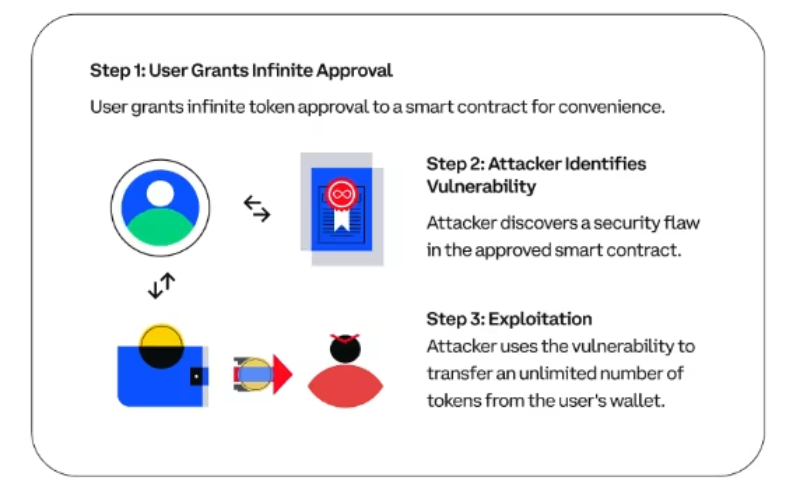
Most ERC-20 and BEP-20 presales involve two separate wallet confirmations: token approval (spend permission) grants the presale smart contract permission to spend a specified amount of your token (e.g., USDT). It does not move funds yet. When prompted, approve only the exact amount you intend to spend — not unlimited approval — to limit exposure if the contract is later exploited. Verify the spender address shown in your wallet matches the official presale contract address you confirmed in the explorer.
Purchase transaction (actual spend) is the transaction that transfers your funds to the presale contract in exchange for an allocation. Once confirmed, it is irreversible.
Token Claiming
After the purchase, when and how you receive tokens depends on the project's claim model.
Claim model 1 — Immediate claim: Some presales let you claim tokens directly after purchase or at the end of the presale round. Connect the same wallet you used to purchase, confirm the transaction, and tokens are transferred to your wallet.
Claim model 2 — Delayed claim at TGE or cliff date: However, most presales release tokens at a Token Generation Event (TGE) or on a defined unlock schedule. Vesting can be incremental — for example, 25% released every three months, meaning you receive your full allocation across four quarters, not all at once. Because of this, users should check the vesting/unlock schedule before buying, as receiving less than 100% at claim is not an error but a deliberate schedule (source). Document the vesting period and each unlock date.
If the claim button isn't live:
- Check the project's official announcement channel for the confirmed claim date.
- Verify you are connected with the exact wallet address used to purchase (match it against your pinned address from setup).
- Ensure your wallet holds enough native token for the claim gas fee.
- If all three check out and the button remains inactive, the claim window has not opened — do not interact with any third-party "claim assistant" site.
Newly claimed tokens may not appear automatically in your wallet. To add them: go to your wallet's "Import Token" or "Add Custom Token" function, and enter the official token contract address. Only use the contract address sourced from the project's official documentation or verified on a blockchain explorer. Never use a contract address sent to you via DM or found on an unofficial site.
Risks, Drawbacks, and Key Considerations
Crypto presales carry a specific set of risks that differ from buying tokens on an open exchange. Before TGE, your funds are locked—you cannot exit, and your token claim depends on a contract you did not deploy. If the project delays its launch, changes its tokenomics, or disappears entirely, you have no recourse and no market to sell into. The asymmetry here is real: downside is capped at 100% of what you sent; upside depends entirely on conditions you cannot control.
Volatility

Presale tokens do not simply "go up then come down." The price mechanics at launch are structurally different from a token that has been trading for months. The swings are further amplified at TGE and in the weeks following by a number of factors.
Low float and shallow depth at launch. When a token first lists on a DEX, only a fraction of total supply is actually circulating. A small number of sell orders can move the price dramatically because the order book or liquidity pool has almost no depth to absorb them. This is not the same volatility you see in established assets—it is structurally manufactured by the token's own design.
Narrative rotation. Presale buyers are often early because of a story: the project's category is hot, the team is credible, the timing feels right. Once that narrative fades or a newer project captures attention, capital rotates fast. Unlike a listed token with sticky institutional holders, a presale token's investor base is largely retail and speculative, which accelerates the rotation effect.
Scheduled unlocks and predictable sell pressure. The token unlock schedule is public information, which means sophisticated participants can—and do—position around it. If a large tranche unlocks on a specific date, sell pressure tends to build in advance. This is not random volatility; it is a structural feature of the vesting period that buyers can anticipate if they read the tokenomics carefully.
Concrete vesting illustration. Consider a common unlock pattern: 25% of purchased tokens release every three months over a one-year period. If you purchased tokens at $0.05 in the presale and they list at $0.15, you may feel ahead on paper. But every 90 days, another 25% of the total presale allocation—across all participants—becomes liquid simultaneously. That recurring sell-pressure window means price may soften predictably at each unlock date. A buyer who understands this can plan partial exit targets around unlock dates rather than waiting for a single peak that may not materialize. (Source)
What to check before buying:
- Circulating supply at TGE — what percentage of total supply is actually liquid on day one?
- Unlock schedule timing — when do team, investor, and presale allocations begin vesting? Are any unlocks immediate?
- Initial liquidity plan — how much liquidity is being seeded, on which DEX, and is it locked?
Whale risk is also real here: a small number of large presale participants holding a significant share of the float can move price without warning, particularly in the first weeks after launch.
Fraud
Fake presale sites and URL impersonation. Scammers clone legitimate project websites with near-identical URLs—swapping a letter, adding a hyphen, or using an alternative TLD. The site looks identical; the wallet address it shows you is not.
- Verify the official domain from at least two independent sources: the project's verified Twitter/X account and their pinned announcement in the official Telegram or Discord.
- Do not click links from DMs, ads, or Google search results without cross-referencing.
- Check the domain registration date using a WHOIS lookup; newly registered domains are a red flag.

Counterfeit contracts and wrong networks. A scam contract can exist on the same network as the real project, or direct you to contribute on a different chain entirely. The real token is on Ethereum; the scam has you sending funds on BSC.
- Confirm the presale contract address from the official site and from a separate official announcement post—never from a DM or third-party site.
- Verify that the network/chain matches what the project's whitepaper and official channels specify.
- If possible, simulate the transaction using a tool like Tenderly or your wallet's built-in transaction preview before signing.
Team and treasury extraction (rug mechanics). This includes hard rugs (developers drain the contract and disappear) and soft rugs (gradual dumping of team allocations while maintaining the appearance of activity). Both are forms of intentional extraction.
- Check whether the team's allocation is subject to a publicized, verifiable vesting period—not just stated in a whitepaper but enforced by an on-chain vesting contract.
- Look for whether contract ownership is renounced or held by a multisig with known signers.
- Verify whether the liquidity contributed from the presale raise will be locked via a third-party locker (e.g., Team Finance, Unicrypt).
Social engineering—DMs, fake support, and fake airdrops. Legitimate projects do not DM you first. Fake "support" accounts impersonate moderators; fake airdrop bots ask you to connect your wallet and sign a message that drains it.
- Never sign a message or transaction initiated through a DM or unsolicited link.
- Fake presale network activity often clusters around new announcements; be especially skeptical of outreach that arrives immediately after you engage with a project's public content.
- Treat any "exclusive offer" or "whitelist extension" arriving via DM as a scam until proven otherwise through official channels.
Smart Contract Risk
As already mentioned, an audit is not a guarantee yet. Unaudited presale contracts are a hard stop for serious due diligence but a contract can receive a clean audit and still carry meaningful risk. Auditors review a specific codebase at a specific point in time. If the admin retains upgrade rights, the code you read in the audit is not necessarily the code running when you interact with the contract.
Many audits cover the main token contract but not the presale or claim contract, the vesting contract, or any post-deploy configuration. If the audit scope did not include every contract you interact with, you are partially unprotected.
Specific failure and abuse modes to check for in presales:
- Upgradeable proxy swap — the owner can replace the contract logic behind the proxy, invalidating everything the audit reviewed.
- Mint function misuse — if minting is not capped or ownership is not renounced/timelocked, the team can inflate supply after you have purchased.
- Blacklist and whitelist controls — some contracts allow the owner to block specific addresses from transferring tokens, which can be used to trap funds selectively.
- Fee and tax changes — transaction tax rates that are adjustable post-deploy can be raised to 100%, effectively blocking sells.
- Claim contract manipulation — if your presale allocation is distributed through a separate claim contract, that contract may have independent vulnerabilities or admin controls not covered by the main audit.
- Oracle and price dependency — if the presale price is denominated in a stablecoin but settled against a price feed, oracle manipulation or feed failure can alter how much you receive.
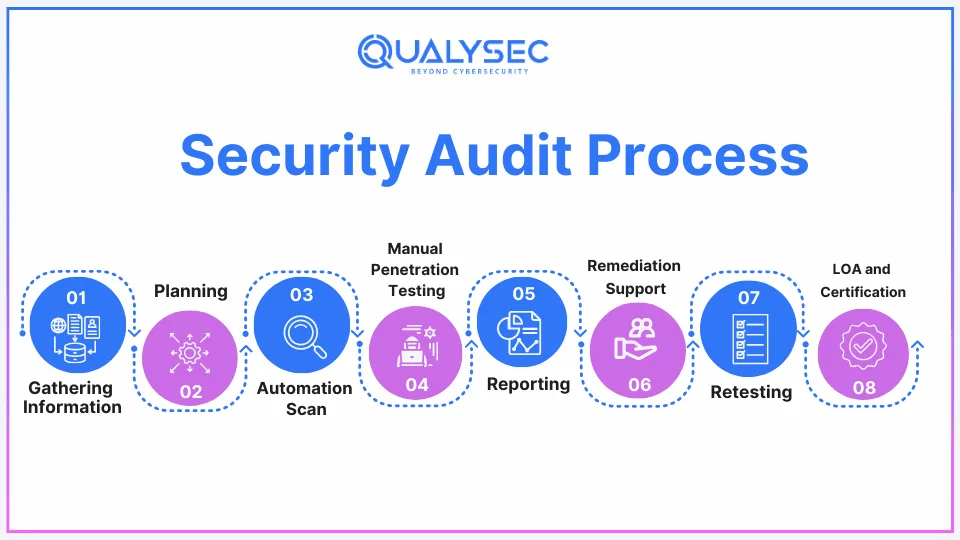
What to look for in a presale-tailored audit report:
- The contract addresses listed in the audit must match the addresses actually deployed—verify on-chain.
- Check the audit date and code version; post-audit changes are unreviewed by definition.
- Confirm whether contract ownership has been renounced or placed behind a timelock.
- Verify that minting is capped in the contract logic, not just stated in documentation.
- Check whether the claim and vesting contracts are explicitly within the audit scope—not just the main token.
- Review the severity distribution: were any high or critical findings unresolved or marked "acknowledged" rather than fixed?
Liquidity Risk
While your funds are committed to the presale, you cannot exit. There is no secondary market, no order book, and no DEX pair. If the project delays TGE, changes its terms, or fails to list, your capital is illiquid for an indefinite period. This is the liquidity lock issue that presale buyers accept by design—but should price explicitly into their decision.
Even after the token lists on a DEX, the initial liquidity pool may be small relative to the presale raise. A thin pool means high slippage on any meaningful sell order, plus exposure to MEV and sandwich attacks that can worsen your effective exit price further.
Suppose you entered a presale with $5,000 at $0.02 per token, giving you 250,000 tokens. At TGE, the token lists at $0.06—a 3x on paper. But the total liquidity in the DEX pair is $80,000. Selling 250,000 tokens at $0.06 would represent roughly $15,000 in selling pressure against an $80,000 pool—a meaningful price impact that could push your realized exit price significantly below $0.06. Add sandwich bot activity and you may exit at $0.04 or less, cutting your paper gain substantially. Profitable-on-paper presales frequently fail to convert to realized gains precisely because post-launch liquidity was never adequate for the presale raise size. This is a whale risk analog at a smaller scale.
A post-launch crash is often a liquidity event as much as a sentiment event: thin pools amplify selling, which triggers stop-losses and panic, which drains liquidity further.
Regulatory Risk
Many presales now implement KYC gating—either voluntarily or because their legal counsel requires it for certain regions. If you participate before completing KYC and the project later requires it for token claims, your claim may be blocked. Confirm your eligibility and any identity verification requirements before sending funds. Even if you successfully participated in the presale, the token claim interface may geo-block your country at the claim date due to regulatory developments that occurred after you contributed. This is not hypothetical—it has happened across multiple presale cycles.
When a project promises specific returns, describes the token as an investment, or makes representations about listing prices, it may be engaging in conduct that regulators in multiple jurisdictions treat as securities solicitation. This does not directly harm you as a buyer at the moment, but it increases the probability of enforcement action that delays or prevents exchange listings—which directly affects your exit options.
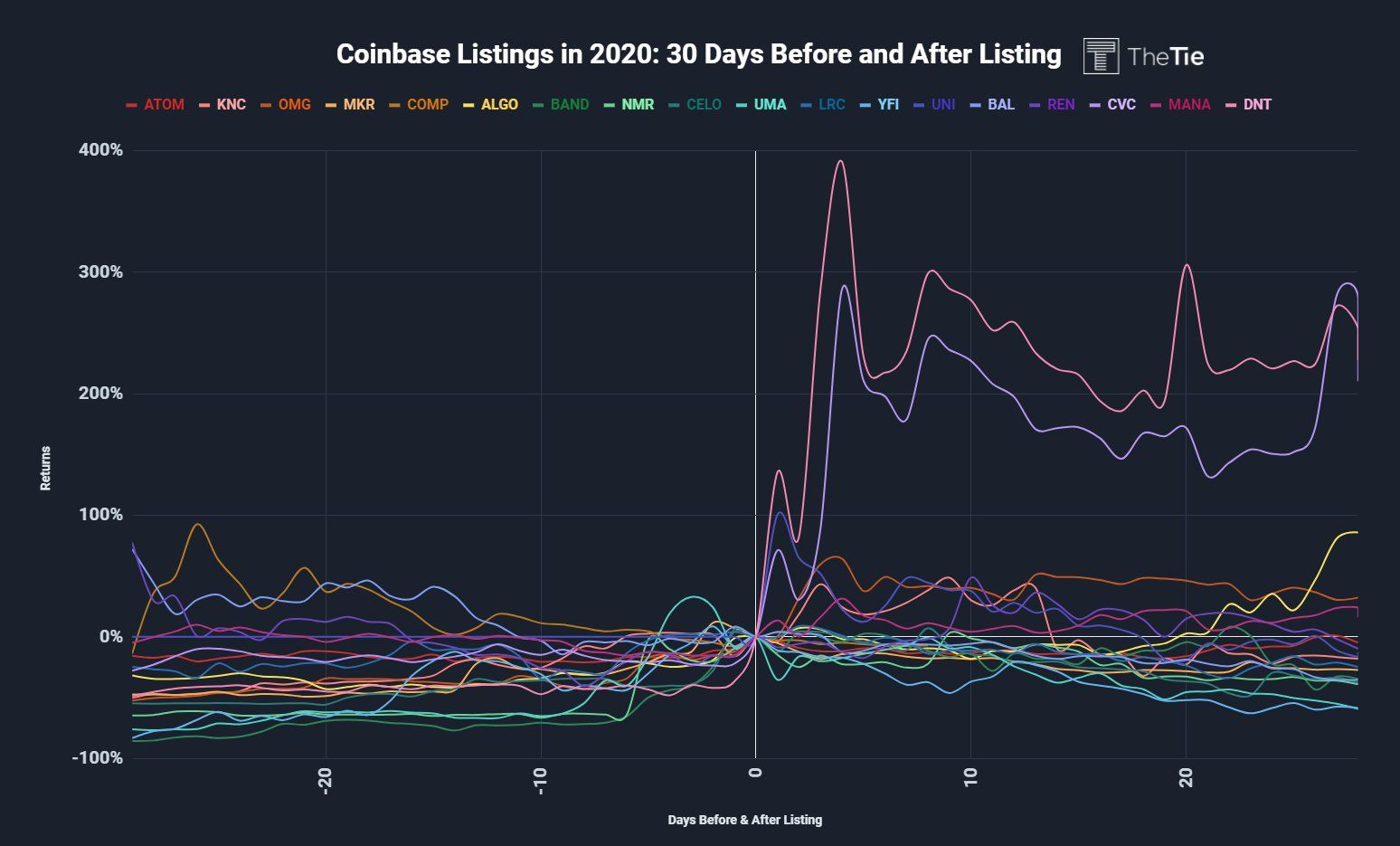
The reason we do not conflate buying crypto before listing and presales is because a presale token's listing is not guaranteed. Regulatory pressure on exchanges has caused projects to be denied listings or delisted post-launch in specific jurisdictions. If the primary planned exchange operates in a jurisdiction with tightening rules, listing timelines are unreliable.
Rules vary significantly by country and platform. What is permissible in one jurisdiction may constitute a regulated offering in another. The practical question for the buyer is not what the law says in the abstract—it is what changes about your ability to claim, hold, and exit the token if your jurisdiction is affected.
Conclusion
The 2026 presale market looks meaningfully different from earlier cycles—not because the core risks disappeared, but because the signals that separate credible projects from noise have sharpened.
Read more news and guides by the ChangeHero team in our blog! If you want to get updates, follow ChangeHero on social media: X, Facebook, and Telegram.
Frequently Asked Questions
How to stay safe and still take part in crypto presales?
Presales carry real financial risk; a few non-negotiable hygiene steps can meaningfully reduce your exposure before you send a single dollar.
- New wallet vs. main wallet: Create a dedicated wallet (e.g., Trust Wallet or a fresh MetaMask address) for presale interactions so your primary holdings are never exposed to a malicious contract.
- Spend limits: Decide your maximum allocation before connecting — emotion and FOMO make rational sizing harder once a countdown is ticking.
- Chain/network confirmation: Double-check whether the presale runs on Ethereum, BNB Chain, or another network before sending funds; cross-chain sends are typically unrecoverable.
- Contract interaction caution: Read every wallet prompt carefully. "Approve unlimited spending" on an unknown contract is a risk flag; revoke allowances after purchase via tools like Revoke.cash.
- Illiquidity expectation: Presale tokens are illiquid from purchase until the claim window opens and listing occurs — sometimes weeks or months. Treat that capital as locked.
Stop investing immediately if:
- The countdown timer resets or extends after it reaches zero — legitimate projects publish fixed dates.
- The contract address differs across the official website, Telegram, and Twitter/X — mismatched addresses across channels are a primary indicator of a cloned-site attack.
- Anyone — admin, support, or "the team" — requests your private key, seed phrase, or asks you to "validate your wallet" to receive tokens.
How to check if a presale is authentic?
You can complete a meaningful due diligence verification sequence in under 10 minutes using only a browser and a block explorer.
- Confirm the official domain from two independent sources: Cross-reference the URL shown on the project's pinned Twitter/X post and their official Telegram announcement channel — never click links from DMs or comment sections.
- Verify the exact token contract address: When published, copy the contract address from the official site and paste it into CoinGecko or CoinMarketCap.com to confirm it matches any indexed listing; also check the address on Etherscan or BscScan.
- Validate the correct network: Confirm whether the token is deployed on Ethereum or BNB Chain — this determines which block explorer to use and which wallet network to select before sending.
- Check launchpad vs. custom dApp: A reputable launchpad (e.g., PinkSale, Unicrypt, or a vetted platform) provides a layer of standardized smart-contract audit tooling; a fully custom dApp demands extra scrutiny.
- Confirm audit link validity: If the project publishes a smart-contract audit, open the link directly and verify the auditor's name, date, and that the audited contract address matches the one you found in Step 2. A broken link or mismatched address is a hard stop.
Why did a token’s price drop after the exchange listing?
Price drops after a presale listing are common and often structural — understanding the mechanics helps you distinguish a temporary dip from a fundamental problem.
When a portion of the total supply unlocks at listing, circulating supply jumps instantly. For example, a project with a schedule releasing 25% of tokens every three months will face four separate supply-side pressure events — early sellers can front-run each unlock date, pushing price down regardless of project progress. (Source: Business Insider)
A small liquidity pool means even modest sell volume produces outsized price impact; this is often misread as "the project is dying."
Presale participants who purchased at the deepest discount have the widest margin to sell at a profit even after a 60–70% decline from the listing peak.
Macro events (Fed announcements, BTC corrections) compress altcoin prices broadly — small-cap presale tokens experience amplified drawdowns.
Finally, projects marketed on hype rather than a concrete use case see rapid sentiment reversals once speculative momentum fades.
How to find quality crypto presales?
Finding quality presales requires a structured sourcing workflow — discovery channels vary significantly in reliability and signal quality. Avoid bot-driven hype signals:
- Sudden follower spikes: A project's Twitter account gains 10,000 followers in 48 hours with no corresponding news — this is purchased or bot-driven growth.
- Identical comment patterns: Copy-paste testimonials ("This project changed my life! 🚀") appearing across multiple posts within the same hour are coordinated inauthentic behavior.
- Repeated influencer shills with no product proof: The same three accounts promote the same token across YouTube, TikTok, and Telegram simultaneously, but no working product, no audit, and no named team exists — a classic pump-and-dump setup.
How to buy crypto presales without mistakes?
Avoiding transaction errors during a presale purchase is as important as choosing the right project — most mistakes are preventable with a pre-send checklist.
Before connecting your wallet, confirm the site's required network (Ethereum, BNB Chain, etc.) matches your wallet's active network — a mismatch causes failed transactions or lost funds. Keep a small reserve of the native token (ETH for Ethereum, BNB for BNB Chain) beyond your purchase amount to cover gas fees; running out mid-transaction leaves your funds in limbo.
If paying with USDT or USDC, the first transaction is a spending approval (giving the contract permission to access your tokens); the second is the actual purchase. Many buyers panic-cancel after the first, thinking it was the purchase.
A failed transaction still consumes gas. Check your tx hash on a block explorer before retrying — common causes include gas set too low, contract pause, or sold-out allocation.
Tokens are rarely sent at the moment of purchase. Confirm whether you must manually claim tokens on a specific date via the project's dApp — missing a claim window does not mean tokens are lost, but it does require action.