
Best Crypto Cards in 2026: Review & Guide

What this guide covers — and what it doesn't
- Regions: Primarily US, EU, and globally available programs; availability shifts frequently, so we note restrictions per card. Region-locked waitlists and country-specific beta programs are excluded.
- Card types: Debit, credit, prepaid, and hybrid crypto cards — all of which convert or settle crypto-to-fiat at point of sale or prior to spend.
- What "best" means here: Net value after accounting for conversion spreads, reward rates and caps, spending/ATM limits, supported assets, and the custody model the issuer uses.
- What's excluded: Unverified or discontinued issuers, business-only card programs, and any product still on a region-locked waitlist with no confirmed public launch.
⚠️ Tax note: Spending crypto can create a taxable event depending on your jurisdiction — tracking your cost basis on every transaction matters. For a full breakdown, see the Legality, Regulation, Taxes, and Key Risks section below.
Crypto cards in 2026 are no longer a novelty product. March 2026 alone saw $607M in monthly volume, a 230.5% increase year-over-year, with cumulative spend over the prior 18 months reaching $6.5B across 21M+ transactions (SpendNode, 2026). At that scale, fee design stops being “fine print” and becomes the main variable that determines whether a card is actually worth using.
Stablecoins now dominate card funding and day-to-day spend. That single fact changes how you should compare issuers: supported stablecoin assets matter, but how each issuer handles the exchange rate and crypto conversion spread matters more. The infrastructure is more mature than prior years; the fee stacks and compliance requirements are, too.
How Crypto Cards Work
Crypto card spending is now large enough to track at scale, and this payment method has moved well beyond early-adopter novelty. The mechanics—where assets sit, how they move, and where costs are embedded—determine your real-world outcome far more than the marketing headline. Read a brief intro to this financial product before diving into the review of the best crypto cards in 2026.
Funding Methods

A bank card starts with funding, the crypto variety included. As a foundational feature of the product, it determines what you will be able to do with the card and how, and your experience with it at large.
1. Custodial exchange balance — Assets are held by the exchange (think Coinbase-style platforms). To add funds, you deposit crypto or fiat directly into your exchange account. The primary friction is KYC verification, which can take hours to days and is required before the card is activated or funded.
2. On-chain / self-custody wallet connection — Assets remain in a non-custodial wallet (think MetaMask-style setups) until a transaction triggers a draw. Adding funds means sending crypto to your own wallet address. The friction here is blockchain confirmation time: depending on network congestion, confirmation can delay fund availability by minutes or longer.
3. Prepaid / top-up via bank transfer or card — Assets are held in a prepaid card balance maintained by the program manager. You load funds via ACH, wire, or debit card. Friction comes from top-up delays (ACH can take one to three business days) and, often, an additional KYC layer for bank-linking.
4. Credit-line / loan-backed spending — You post crypto as collateral and spend against a credit line; your assets remain locked in a custodial collateral account. Adding capacity means depositing more collateral or reducing your loan-to-value ratio. The ongoing friction is collateral management: price drops can trigger margin calls or automatic liquidation.
Stablecoins (USDT, USDC) function as a distinct funding option within several of the rails above, most commonly within custodial exchange balances and prepaid top-ups. They're widely used because they eliminate the volatility exposure you'd have holding a BTC or ETH balance earmarked for daily spending. However, stablecoins are not always cost-free at point of sale: depending on program design, the issuer may still apply a conversion spread or a fixed conversion fee when settling in fiat. Stablecoin-denominated transactions dominate crypto card spend by volume—USDT and USDC together account for the majority of card spend processed across major programs—which is why understanding stablecoin funding workflows matters even if you primarily hold other assets. (Source)
Spending Flow
From the moment you tap or swipe to the moment the merchant is paid, several actors and handoffs are involved. Here is the exact sequence:
- Cardholder initiates payment — You present your virtual card or physical card at a merchant point-of-sale (POS) terminal.
- Merchant POS transmits an authorization request — The terminal sends the transaction amount to the card network (Visa or Mastercard).
- Card network routes to the issuer/program manager — Visa or Mastercard forwards the authorization request to the bank or program manager that issued the card.
- Issuer places an authorization hold — The issuer reserves funds in your crypto or fiat balance. This is the first possible conversion moment: some programs convert crypto to fiat at authorization, locking in a rate immediately. Others hold the crypto and convert at clearing, which introduces a slippage risk window.
- Issuer/program manager instructs the liquidity or exchange venue — If conversion hasn't happened yet, the program manager contacts its liquidity provider or internal exchange to execute the crypto-to-fiat settlement.
- Fiat settlement to merchant — The card network completes the interchange cycle, and the merchant receives fiat currency, typically within one to two business days.
If conversion happens at authorization, the rate you see in the app is close to the rate you pay. If conversion happens at clearing or settlement, the rate can shift—sometimes in your favor, sometimes not—because crypto prices move in the hours between authorization and final settlement.
Rewards Flow
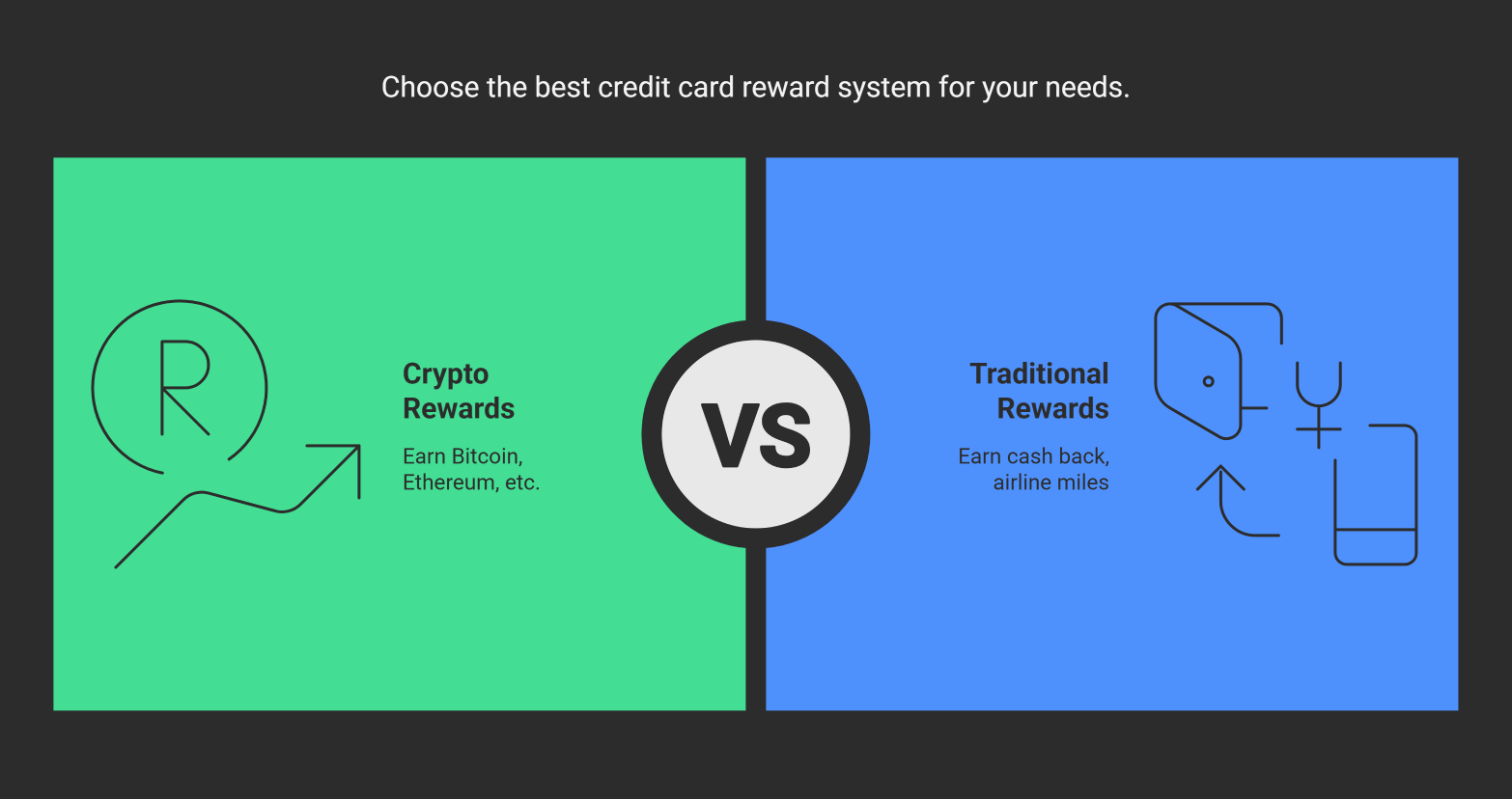
Rewards, which are a common feature of crypto cards, do not post instantly; they move through a lifecycle before they reach your balance.
- Eligible transaction determination — Not every purchase qualifies. The program evaluates the Merchant Category Code (MCC—a four-digit code assigned to every merchant that identifies the type of business) to determine whether the transaction is included. Many programs exclude categories such as gambling, peer-to-peer transfers, and cash advances, which crypto-related purchases can sometimes fall under.
- Reward rate selection — The applicable rate is chosen based on whether you qualify for a base rate or a tiered rate (tiered rates typically require holding a minimum balance in the platform's native token or maintaining a paid subscription tier).
- Pending period — Rewards are held in a pending state, commonly for 30 to 45 days, to allow time for refunds and chargebacks to resolve before rewards are credited.
- Payout currency — Rewards may be issued as the platform's own token, as BTC, as USDC, or as user-selectable assets depending on the program. The currency of payout matters: a reward denominated in a volatile token can be worth more or less by the time it vests.
- Vesting and subscription requirements — Some programs require a staking lockup or an active subscription to receive the full advertised rate; others reduce or forfeit rewards if conditions lapse.
Reward terms also commonly include monthly or annual caps on the total cashback earned and excluded MCCs that can silently reduce effective reward rates on categories you spend frequently.
Exchange Rates
Whenever a crypto card transaction involves currency conversion, costs can stack in up to three layers.
First, network FX rate — If the purchase currency differs from the card's settlement currency (for example, you buy something priced in euros but your card settles in US dollars), the card network (Visa or Mastercard) applies its own daily wholesale exchange rate. This rate is generally close to mid-market but includes a small markup, and it is separate from anything the crypto issuer charges.
Second, crypto-to-fiat conversion rate and spread — This is the rate the issuer or exchange venue uses to convert your crypto into fiat before the transaction settles. The spread—the difference between the mid-market price and the rate you actually receive—is often the largest hidden cost in crypto card spending. It may not appear as a labeled fee; instead, it is embedded in the exchange rate itself.
Third and last, explicit fees — These include a named conversion fee (sometimes a flat amount or a percentage of the converted amount), a foreign transaction fee (common on non-crypto-native cards, typically 1–3%), and any network or blockchain-related transaction fee if your funding rail involves on-chain movement.
At the moment your app shows a quoted rate or a converted amount, compare that figure against a public spot price from a reference source (a major exchange or a market data aggregator) at the same timestamp. The gap between the two is the effective spread you are paying. Line-item disclosures in your transaction receipt or app confirmation screen make it easier to audit than one that shows only a single "converted amount."

Before choosing a product, see whether the card uses a single liquidity venue or multiple sources. A program routing through a single exchange may offer consistent but potentially less competitive rates; a program using multiple liquidity sources may achieve better pricing but introduces more variability. Either way, the methodology should be disclosed in the program's fee schedule or cardholder agreement.
Top Crypto Cards in 2026
These six cards were evaluated across network coverage, custody model, rewards mechanics, fee exposure, supported assets (with particular attention to stablecoins vs. volatile crypto), geographic availability, and whether the card operates as a debit, prepaid, credit, or dual-mode product.
- Best for US-based simplicity: Coinbase Card — direct exchange integration, no extra wallet setup required.
- Best for staking-linked perks: Crypto.com Visa Card — tiered cashback rewards scale with CRO staking commitment.
- Best for self-custody spending: MetaMask Card — funds stay in your own wallet until authorization fires.
- Best for borrowing-mode flexibility: Nexo Card — dual-mode lets you spend against collateral rather than liquidating holdings.
- Best for existing Binance ecosystem users: Binance Card — seamless spend-from-exchange for active Binance traders.
- Best for multi-currency international use: Wirex Card — combines crypto and fiat accounts with virtual card access and mobile wallet support for travelers.
Coinbase Card

Card type & network: Visa debit card linked directly to a Coinbase exchange account (availability varies by region—verify current markets on the Coinbase website).
Custody model: Exchange-custodial; Coinbase holds your assets at rest, and at the moment of authorization, the platform liquidates the required amount from your selected balance on your behalf.
Funding & settlement: Spends from your Coinbase cash or crypto balance; crypto-to-fiat settlement occurs at the point of purchase when a crypto asset is selected as the funding source; USDC is supported and commonly used.
Rewards mechanism: Cashback paid in select cryptocurrencies (rates and eligible assets subject to change; confirm current offer on issuer site).
Primary fees to watch: Crypto conversion spread at point of sale, ATM withdrawal fee, and foreign transaction/FX conversion fee depending on region.
Best for: US-based users who want a straightforward spend-from-exchange experience with no separate wallet setup.
Not ideal if: You want to retain self-custody of your assets until the exact moment of purchase.
Crypto.com Visa Card
Card type & network: Visa prepaid card; tier and metal level vary by CRO stake amount (verify current tier structure on issuer site).
Custody model: Exchange-custodial; Crypto.com holds assets on the platform, and authorization triggers settlement from your Crypto.com balance without user-side key control.
Funding & settlement: Spends from your Crypto.com fiat or crypto wallet balance; crypto-to-fiat settlement happens at authorization; stablecoins including USDT and USDC are supported funding options.
Rewards mechanism: Cashback paid in CRO; rates are tier-dependent and tied to the amount of CRO staked on the platform—higher stakes unlock higher cashback percentages.
Primary fees to watch: Crypto conversion spread, FX conversion fee for non-base-currency transactions, and ATM withdrawal fee above the monthly free-withdrawal threshold.

Best for: Users who are comfortable staking CRO and want to maximize cashback rewards through the tiered perks ecosystem.
Not ideal if: You want to avoid exposure to a platform's native token or prefer fee structures that don't require staking.
MetaMask Card
Card type & network: Visa debit card designed for self-custodial spending; regional availability varies—confirm on issuer site.
Custody model: Self-custodial; unlike Coinbase or Crypto.com, your assets remain in your MetaMask wallet (under your key control) at rest—funds leave your custody only at the moment of card authorization, when the required amount is pulled from your wallet to settle the transaction.
Funding & settlement: Spends directly from your connected MetaMask wallet; crypto-to-fiat settlement is triggered by the card authorization event itself, not by a prior transfer to an exchange; stablecoin support enables more predictable settlement values.
Rewards mechanism: Reward structure details subject to change; verify current cashback terms and any applicable tiers on the MetaMask Card page.
Primary fees to watch: Crypto conversion spread applied at settlement, plus any network/gas-related fees depending on the chain used, and ATM withdrawal fees.
Best for: Users who prioritize self-custody and want to spend directly from a non-custodial wallet without first transferring funds to an exchange.
Not ideal if: You want the simplicity of a single custodial dashboard and have no interest in managing your own private keys.
Nexo Card
Card type & network: Dual-mode card (credit line against collateral or direct debit); operates on the Mastercard network (verify current availability by region on issuer site).
Custody model: Exchange-custodial in that Nexo holds your deposited assets as collateral; at rest your crypto backs a credit line rather than sitting in a spend wallet, and authorization draws from either the credit facility or your Nexo balance depending on mode selected.
Funding & settlement: In credit mode, spending draws against a crypto-backed credit line rather than liquidating your holdings; in debit mode, assets are sold for fiat at settlement; stablecoins are accepted as collateral.
Rewards mechanism: Cashback paid in NEXO tokens or Bitcoin; rate may depend on the ratio of NEXO tokens held in your portfolio.
Primary fees to watch: Interest on the credit line (in credit mode), crypto conversion spread (in debit mode), and ATM withdrawal fee.
Best for: Users who want to access liquidity from their crypto holdings without necessarily triggering a sale event.
Not ideal if: You want a simple spend-and-earn card with no interest mechanics or collateral requirements.
Precision note on dual-mode and tax outcomes: Using the Nexo Card in credit mode—borrowing against your crypto rather than selling it—may avoid a taxable disposal in some jurisdictions when borrowing rather than selling. This is jurisdiction-specific and not tax advice; see the Taxes section later in this article for further detail.
Binance Card
Card type & network: Visa debit card linked to a Binance account; availability varies significantly by region—verify on issuer site.
Custody model: Exchange-custodial; Binance holds assets on the platform, and authorization liquidates the required amount from your selected Binance wallet balance.
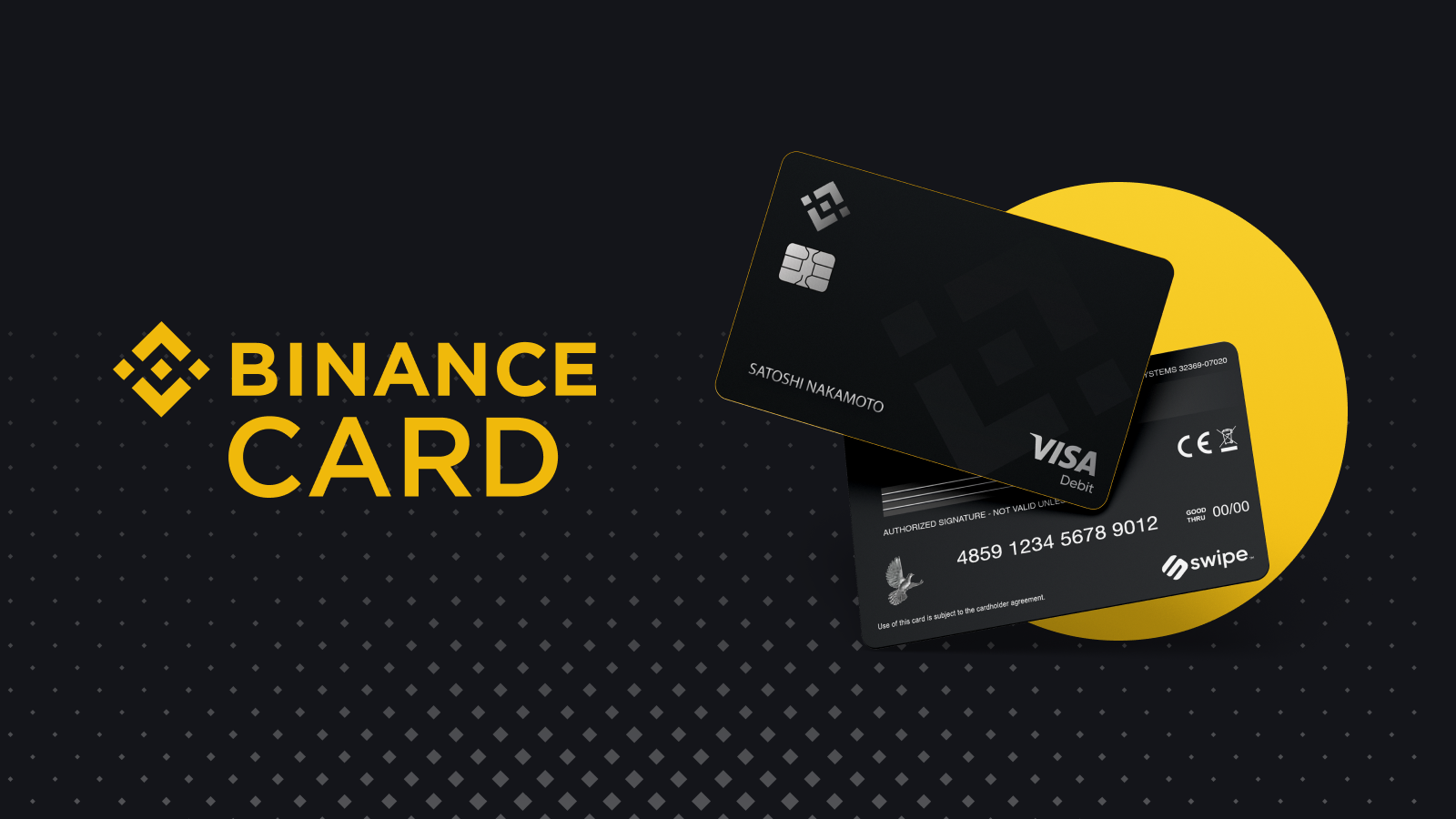
Funding & settlement: Spends from your Binance Spot Wallet balance; crypto-to-fiat settlement occurs at point of purchase; a wide range of assets including stablecoins such as USDT can be used as the funding source.
Rewards mechanism: Cashback paid in BNB; rates may be subject to promotional adjustments—confirm current terms on issuer site.
Primary fees to watch: Crypto conversion spread, FX conversion fee, and ATM withdrawal fee.
Best for: Active Binance exchange users who want to spend directly from their existing Binance balance with minimal account friction.
Not ideal if: You are outside Binance's supported card regions or prefer a card not tied to a single exchange ecosystem.
Wirex Card
Card type & network: Visa debit card (virtual card and physical card available); availability and features vary by region—verify on issuer site.
Custody model: Exchange-custodial within the Wirex platform; assets are held by Wirex at rest, and authorization draws from your Wirex account balance.
Funding & settlement: Spends from your Wirex account in fiat or crypto; crypto-to-fiat settlement occurs at point of purchase; stablecoins are supported as a funding option, and the platform emphasizes multi-currency account capability.
Rewards mechanism: Cashback paid in WXT (Wirex Token) or other supported assets; rates may depend on WXT holdings or subscription tier—confirm current structure on issuer site.
Primary fees to watch: Crypto conversion spread, FX conversion fee on non-base-currency transactions, and ATM withdrawal fee.
Best for: Frequent international travelers who want a multi-currency card with both crypto and traditional fiat account management in one app, plus mobile wallet support for contactless payments.
Not ideal if: You want best-in-class staking rewards or a card tightly integrated with a major exchange's trading ecosystem.
Comparing the Best Crypto Cards: Fees, Rewards, Limits, Assets
| Card | Eligibility | Supported Assets | Rewards | Fees | Limits | Setup | Best for |
|---|---|---|---|---|---|---|---|
| Coinbase Card | US + select EU; consumer account; KYC required; no staking required | Exchange balance; BTC, ETH, USDC | 1%–4% back in crypto; paid in BTC or XLM; rate tied to Coinbase One tier; capped at $10,000/mo then drops to 2% | No annual fee; FX conversion spread applies; ATM fee varies by issuer | Daily/monthly spend limits; ATM withdrawal limits; set in app | Virtual card: instant; physical: ships; Coinbase app required | Everyday US crypto spend |
| Crypto.com Visa | 40+ countries; consumer account; KYC required; CRO staking required for top rewards | Exchange balance; BTC, ETH, CRO | 0%–5% back in CRO; paid in CRO; tier locked to staked CRO amount; caps vary by tier | No annual fee on base tier; FX conversion fee applies; ATM fee free up to monthly limit | Daily spend and ATM withdrawal limits; tiered limits by staking level; set in app | Virtual card: instant; physical: ships; Crypto.com app required | Stakers wanting high CRO rewards |
| MetaMask Card | EU/EEA residents; self-custody wallet holder; KYC required; no staking required | Self-custody wallet; ETH, USDC, DAI | Varies; paid in crypto; no tier/stake requirement; cap details check app | No annual fee stated; conversion spread applies at checkout; FX conversion fee; ATM fee: check app | Purchase and ATM limits; user-adjustable in app; issuer limits also apply | Virtual card: available; physical: check availability; MetaMask wallet linking required | Self-custody spend path |
| Nexo Card | EU + select regions; account required; KYC required; NEXO token hold unlocks better rates | Exchange balance or credit line against collateral; BTC, ETH, NEXO | Up to 2% back in BTC or NEXO; paid in BTC or NEXO; rate tied to NEXO loyalty tier; cap: check app | No annual fee; FX conversion fee applies; conversion spread note: check app; ATM fee: varies | Daily spend and ATM withdrawal limits; credit-line mode adds borrow limit; set in app | Virtual card: instant; physical: ships; Nexo app + funded account or collateral required | Credit/borrow mode users |
| Binance Card | 30+ countries; Binance account; KYC required; no staking required for base tier | Exchange balance; BTC, BNB, BUSD/stablecoins | Up to 8% back in BNB; paid in BNB; rate tied to BNB balance held; cap: check app | No annual fee; FX conversion fee applies; conversion spread applies; ATM fee: varies/check app | Daily spend and ATM withdrawal limits; set in app and issuer-governed | Virtual card: available; physical: ships; Binance app required | High BNB holders, wide asset range |
| Wirex Card | EU, UK, US (select states), Asia-Pacific; account required; KYC required; WXT staking boosts rewards | Exchange balance; BTC, ETH, stablecoins (USDT, USDC) | 0.5%–2% back in WXT; paid in WXT; tier boosted by WXT stake; cap: check app | Annual fee on some tiers; FX conversion fee applies; conversion spread applies; ATM fee: free up to limit | Daily spend and ATM withdrawal limits; top-up limits also apply; set in app | Virtual card: instant; physical: ships; Wirex app required | Multi-currency and stablecoin spenders |
How to read this table
- Conversion fee vs. conversion spread vs. network FX rate: A conversion fee is an explicit percentage charged when crypto is sold to fund a purchase. A conversion spread is a markup baked into the exchange rate itself—less visible but equally real. The network FX rate (Visa or Mastercard's base rate) is applied on top when you spend in a foreign currency; cards can layer both a spread and an FX conversion fee over this base.
- Rewards cap vs. tier requirement: A rewards cap is a hard ceiling on how much cashback you can earn per period (e.g., Coinbase One Card rates of 2.5%/3%/4% are capped at $10,000 in purchases per month, then drop to 2%). A tier requirement is the staking or token-hold condition you must maintain to reach a given rate—if you unstake, your effective rate can drop instantly.
- "Limits" covers multiple activities: A card may have separate limits for daily purchases, monthly purchases, ATM withdrawals, and top-up/funding. These can be issuer-set (fixed) or user-adjustable (raised or lowered in the app). Always check all conditions, not just the headline spend limit.
- "Varies/Check app" is intentional: Where fee schedules are subject to change or tier-dependent and no publicly fixed rate exists, this table labels them accordingly rather than citing a number that may be outdated.
- Stablecoin cells reflect spend source, not just holdings: A card that lets you spend from a self-custody wallet holding USDC behaves differently at checkout than one that auto-converts BTC from an exchange balance. The distinction affects crypto-to-fiat settlement timing, tax events, and volatility exposure.
Eligibility
What to check: supported residency/country list, KYC level required (basic ID vs. enhanced verification), whether a credit check applies (relevant for credit-mode cards like Nexo), and staking or token-hold minimums (Crypto.com, Wirex, Nexo all gate top reward tiers behind a staking requirement).
Most crypto cards require an exchange account (custodial). MetaMask Card is the primary outlier, requiring a self-custody wallet—this changes both onboarding friction and the ongoing control model.
As far as KYC goes, every card in this comparison requires identity verification. The difference is depth and speed—some approve within minutes, others require document review queues.
- ⚠ Region availability changes without notice: Card programs are governed by issuer agreements (Visa, Mastercard) and local financial regulations. A card available in your country today may be paused or withdrawn. Always verify current availability directly in the issuer's app before applying.
Supported Assets
What you can hold is not always what you can spend. Some cards let you hold a wide portfolio on the platform but only spend from a specific sub-wallet or converted balance. Check whether the card auto-selects the asset to convert at checkout or lets you choose.
If you spend from a USDC or USDT balance, there is no price-volatility event between the moment you tap your card and the moment the merchant receives funds. This alone justifies the high volume of stablecoin transactions when it comes to crypto cards. Plus, this also simplifies the tax position in many jurisdictions compared to spending appreciating assets—no gain or loss is realized on a stablecoin that holds its peg.
Rewards

To no one’s surprise, rewards paid in BTC or ETH are subject to subsequent price movement—a 2% reward in BTC at issuance could be worth more or less when you actually use it. Rewards paid in a stablecoin lock in the face value. Rewards paid in a platform token (CRO, WXT, NEXO, BNB) carry both price risk and liquidity risk.
Another caveat is the headline rate is only meaningful up to a cap. As a concrete example, Coinbase One Card reward rates of 2.5%, 3%, and 4% (depending on tier) are capped at $10,000 in purchases per month—spend above that earns only 2%. (Source) If you spend $15,000/month, your blended rate is materially lower than the advertised top rate.
To earn the top rate on Crypto.com, Wirex, or Nexo, you must stake or hold a platform token. The opportunity cost of that locked capital—or the downside risk if the token depreciates—should be factored into the effective reward calculation. Some cards drop to a flat lower rate after the cap (as with Coinbase). Others simply stop accruing rewards for the remainder of the period. Confirm which applies before optimizing spend routing.
Fees
Summing up the table, some fees you are most likely to encounter when using a crypto card are:
- FX conversion fee: charged when you spend in a currency different from your card's settlement currency.
- Conversion spread: the markup on the crypto-to-fiat rate at the moment of settlement—separate from any labeled fee.
- ATM withdrawal fee: often free up to a monthly limit, then a flat fee or percentage per withdrawal above that threshold.
- Inactivity fee: charged after a defined period of no card use—not universal, but present on some programs; check terms.
- Card replacement fee: applies when a physical card is lost or damaged beyond the first free replacement.
- Decline/chargeback processing: rare but worth confirming for high-volume users.
Two cards with identical labeled fees can have meaningfully different real costs if one applies a 1% conversion spread and the other applies 2.5%. Always test with a small foreign-currency transaction and compare the effective rate to the mid-market rate.
Fee schedules on crypto cards update frequently. Where a fixed public rate is not available, the table labels it accordingly as “Varies/Check app”—trusting a stale number is riskier than prompting you to verify.
Limits
Some limits are hard floors/ceilings set by the card issuer (Visa/Mastercard program rules) and cannot be changed by the user, and others are defaults within an app that you can raise (often after additional KYC) or lower for security. Learn which type applies before you hit one unexpectedly. A card can have a daily purchase limit, a monthly purchase limit, a per-transaction ATM limit, a monthly ATM withdrawal limit, and a top-up/funding limit—all active at the same time. The binding constraint at any moment is whichever bucket you exhaust first.

If your rewards cap is $10,000/month (as with Coinbase One Card tiers), spending beyond that still works—but the financial incentive to route discretionary spend through the card effectively ends at that threshold. A rewards cap is an economic limit even when it is not a hard transaction limit.
Crypto.com and Wirex both increase spend and ATM limits as users move up staking tiers—meaning limits and rewards are coupled, not independent variables.
Crypto Card Networks and Availability
Visa
This is the dominant network rail for crypto debit cards today. On the acceptance side, Visa's global acceptance footprint covers in-person terminal payments, online checkout, and contactless tap-to-pay at any merchant displaying the Visa logo—which amounts to hundreds of millions of locations worldwide. Most crypto cards also support Apple Pay and Google Pay through standard Visa tokenization, and virtual card numbers are commonly issued for online use before a physical card arrives.
The key nuance here is that almost no crypto card is issued directly by Visa. Instead, Visa provides the network rail, while a local or partner e-money institution or fintech issuer handles licensing, KYC, and country eligibility. This means availability is determined by the issuer, not by Visa itself. Before applying for any Visa-branded crypto card, run three concrete checks:
- Supported-country list — confirm your country of residence appears on the issuer's official eligibility page, not just the network's global map.
- Supported ID types — verify the issuer accepts your specific document type (national ID, passport, driving licence) for KYC, as requirements vary by issuer and jurisdiction.
- Physical card shipping — check whether a physical card is actually shipped to your country, since some programs issue virtual-only cards in certain regions.
Mastercard
Mastercard is the second major network rail used by crypto debit card and crypto credit card programs, and the practical experience is broadly similar to Visa for most users—merchant acceptance, contactless, and mobile wallet support (Apple Pay, Google Pay) are all generally expected. Where differences appear, they tend to trace back to issuer partnerships and regional rollout decisions rather than the network brand itself.
Availability on Mastercard-branded crypto cards tracks issuer partnerships and the region in which the issuing program holds a license. Tokenization and contactless are standard features on the Mastercard rail, but eligibility for specific users and country-by-country rollout is controlled at the issuer level. Run the same pre-application checks as with any Visa card.
One important clarification worth keeping in mind: choosing Mastercard over Visa—or vice versa—does not change how crypto-to-fiat settlement works. Settlement mechanics, conversion timing, and the crypto assets supported are determined entirely by the issuer and the card program terms, not by the network rail.
Best Crypto Cards in Europe
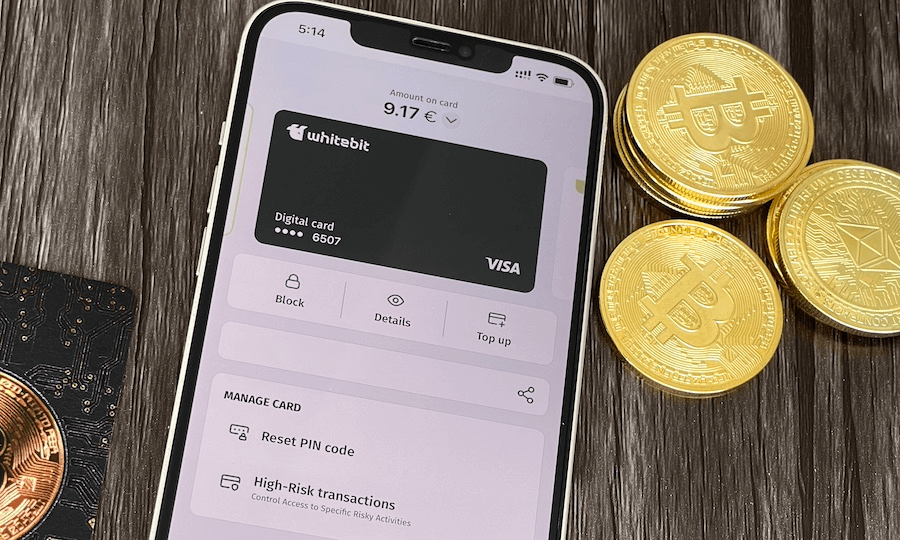
Europe has a large and growing base of crypto card users, but "available in Europe" is not a single condition—it fragments across regulatory zones, issuer licenses, and program-by-program decisions. Rather than re-ranking the global list here, the more useful tool is a checklist you can apply to any card you are already considering. Before applying for any crypto debit card or crypto credit card as a European resident, confirm each of the following:
- EEA vs UK support — post-Brexit, EEA and UK are separate regulatory jurisdictions. A card program licensed under an EEA e-money license may not cover UK residents, and vice versa. Check explicitly which zone your country falls under.
- SEPA top-up support — if you plan to fund your card via bank transfer, confirm the issuer accepts SEPA (or SEPA Instant) top-ups in EUR; some programs only support card-to-card or crypto deposits.
- EUR base currency option — holding a EUR base currency reduces unnecessary conversion steps for euro-zone residents. Not all programs offer this; some default to USD or GBP.
- Language and app support — check whether the issuer's app is available in your language and functions correctly in your country's app store region.
- Local tax reporting expectations — transaction export and reporting formats vary by country. Most programs provide a transaction history CSV; country-specific tax treatment of crypto-to-fiat conversion varies by country and is covered in depth elsewhere in this guide.
Residency requirements are the most frequent barrier: many programs require proof of address in a specific country or list of countries, and a European address alone is not always sufficient. Address verification and physical card shipping can also be restricted—some issuers ship only to certain EU member states even if they accept residents of a broader list.
It is also worth knowing that the same brand can run different card programs in different jurisdictions. For example, a provider may be available across EEA member states but not in the UK—or available in the UK but not yet rolled out to all EEA countries—depending on which local issuer holds the relevant license for each territory. Always verify the program details for your specific country rather than assuming brand presence equals availability.
Legality, Regulation, Taxes, and Key Risks
Legality
Before you apply for a crypto debit card or crypto credit card, the first question isn't which perks you want—it's whether the card is available and legal where you live. Go into this only knowing how to answer the questions below for yourself:
- Card availability and legal issuance
- Is the issuing provider licensed or passported in your country?
- Does your country permit exchange services to operate? If your country restricts exchange services → expect card unavailability or forced offboarding.
- Is your country on the provider's supported-regions list? If not → the card may be issued but terminated when your location is detected.
- Have recent regulatory changes affected card programs in your region? (Several providers have exited the EU, UK, or US markets with little notice.)
- Legality of holding and spending crypto vs. stablecoins
- Is holding cryptocurrency legal for retail users in your country?
- Does your country treat stablecoin spending differently from direct crypto spending?
- If your country imposes capital controls on digital assets → even a technically issued card may trigger compliance flags on outbound settlements.
- Merchant-category restrictions (MCC blocks)
- Even when the card itself is legal, many providers block high-risk merchant category codes: gambling, adult content, firearms dealers, and certain money-service categories.
- If you intend to spend in a restricted MCC → the transaction will decline regardless of your card balance or local legality.
- Check your provider's restricted-category list before relying on the card for specific merchant types.
Compliance
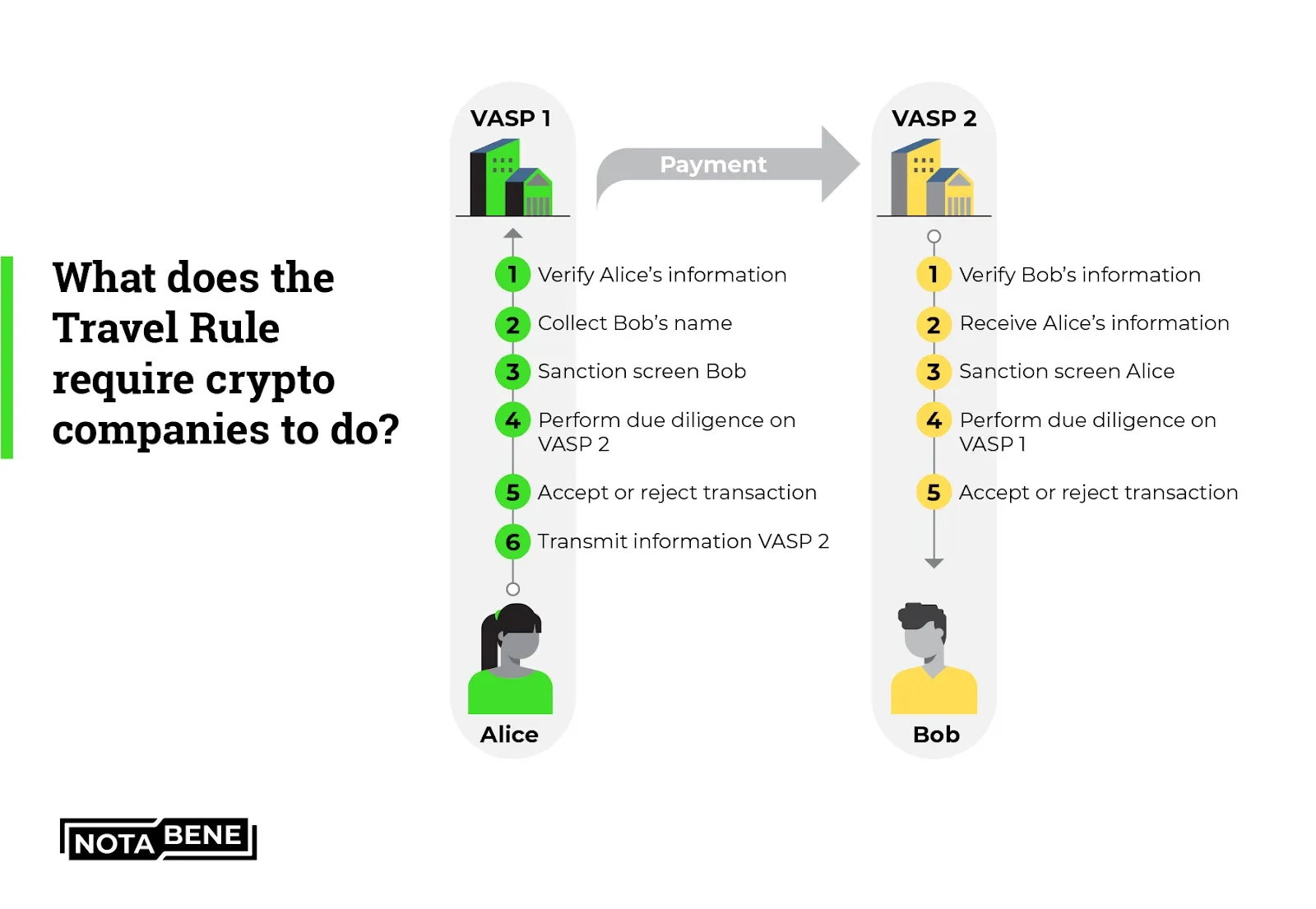
Providers offering crypto debit cards and crypto credit cards operate under anti-money-laundering (AML), know-your-customer (KYC), and increasingly, travel-rule frameworks. You can avoid account freezes at inconvenient moments knowing what triggers enhanced checks—and what to have ready:
- KYC identity verification: Submitting a government-issued ID and selfie at onboarding; re-verification may be requested if your document expires or if you upgrade spend limits.
- Proof of address: A recent utility bill, bank statement, or official letter—typically dated within 90 days—may be required at sign-up or when your address changes.
- Source-of-funds (SoF) / source-of-wealth (SoW) requests: Triggered by large top-ups, sudden spending pattern changes, or high-value cash-out events. Providers may ask for payslips, tax returns, investment account statements, or on-chain proof that funds originate from a declared source.
- Sanctions screening: Automated checks run continuously; a name or address match against OFAC, EU, or UN lists can result in an immediate account freeze pending manual review.
- Travel-rule–style data collection: For transfers into the card account above certain thresholds, providers may request originating wallet address, exchange account details, or sender identification to comply with FATF travel rule implementations.
A typical set of papers and justifications that can help you pass even the reasonably deep identification procedures looks like this: a valid government-issued photo ID (passport preferred for international providers), proof of address dated within 90 days, exchange account statements showing deposit history and source labels, on-chain transaction records or wallet address documentation for self-custody top-ups; employment or income documentation (payslip, tax return, or accountant letter) for SoW requests and ideally, a clear, written narrative of where your crypto originated, even before it is requested.
Quite a few things can trip up a compliance freeze, and you have the choice to avoid them completely or to brace for KYC. If the name on the card account differs from the name on your exchange or bank account, it is likely to trigger SoF review or rejection. Logging in from a jurisdiction where the card is unavailable, for example, with VPN, triggers a geographic compliance flag and potential freeze. Next, top-ups originating from an account not in your name are routinely flagged and may result in funds being returned and the account suspended. Finally, on-chain activity that touches mixing protocols, sanctioned addresses, or high-risk exchanges can trigger automated risk scores that freeze withdrawals or card functionality.
Taxes and Reporting
Tax treatment of crypto card activity is unsettled in many jurisdictions, but the underlying events that create tax exposure are well understood. The mini playbook below separates treatment by card type and funding method. Nothing here is jurisdiction-specific tax advice; terms like "often treated as" reflect common approaches you should verify with a local tax professional.

By card type and funding method:
- (a) Spending crypto directly (disposal event): Using a crypto debit card funded with BTC, ETH, or similar assets is often treated as a disposal—you are exchanging property for goods or services. The taxable amount is typically the fair market value at the moment of crypto-to-fiat settlement minus your cost basis. Every transaction is a potential taxable event.
- (b) Spending stablecoins: Stablecoins pegged to fiat are often treated more favorably because the disposal gain is theoretically near zero—but this depends entirely on your jurisdiction and on whether the stablecoin ever traded above or below your acquisition price. Do not assume stablecoin spending is tax-free without confirming local guidance.
- (c) Topping up from an exchange vs. from self-custody: A top-up from an exchange may represent a transfer between your own accounts (non-taxable movement) or a sale depending on how the provider settles funds. A top-up from a self-custody wallet similarly depends on whether a conversion occurs. The key question: at what point does crypto-to-fiat settlement happen, and does that event constitute a disposal in your jurisdiction?
- (d) Borrowing/credit-line mode: Using a crypto credit card backed by collateral is conceptually a loan, not a sale—meaning the collateral posting itself is often not treated as a disposal, and spending the credit line is not a crypto disposal event. However, if collateral is liquidated by the provider, that liquidation is often treated as a taxable sale. The distinction between loan mode and sale mode matters enormously for tax planning.
Rewards earned from crypto debit card or crypto credit card spending are frequently overlooked by users at tax time. Two interpretations are common in practice:
- Rewards as income on receipt: The fair market value of the reward (whether crypto, stablecoins, or points convertible to crypto) is recognized as ordinary income at the time it is received. Future disposal of the reward then uses that receipt value as the new cost basis.
- Rewards as a reduction of purchase price: The reward is treated as a rebate, reducing the cost of the qualifying purchase rather than creating a separate income event.
Follow your local guidance—do not assume one treatment applies. What you must do regardless of treatment: record the timestamp of each reward receipt and the market value of the reward asset at that moment. Without this data, you cannot satisfy either interpretation.
Crypto Card Risks
Crypto card risk goes well beyond the "crypto is volatile" disclaimer (which, of course, applies here as well). The taxonomy below identifies the five core risk categories specific to crypto debit card and crypto credit card products, with a prevention step and a response step for each.

- Conversion and spread risk
- What it is: The exchange rate applied at authorization may differ from the rate at final crypto-to-fiat settlement, and the crypto conversion spread (the markup between mid-market rate and the rate you receive) may not be disclosed prominently. Hidden charges embedded in the spread can make the effective transaction fee substantially higher than the headline fee.
- Prevention: Compare the mid-market rate to your card's applied rate on a small transaction before relying on the card for large spend. Request the provider's spread disclosure in writing.
- If it happens: Document the rate applied vs. the mid-market rate at the same timestamp, and escalate a formal dispute if the spread exceeds disclosed limits.
- Account and provider risk
- What it is: Card programs can be shut down with weeks of notice—or less. Issuer changes, regulatory actions, and banking partner losses have terminated card programs mid-use across multiple providers. Account freezes can also strand funds for weeks during compliance reviews.
- Prevention: Maintain a parallel fiat payment method at all times. Do not hold large balances on a crypto card account; treat it as a spending account, not a savings account.
- If it happens: Immediately document your balance, request a written statement of reason for the freeze, and escalate to the card network (Visa/Mastercard) if the provider is unresponsive.
- Security risk
- What it is: SIM-swap attacks can bypass SMS-based two-factor authentication and grant full card account access. App-takeover via compromised devices can expose card details and linked wallet credentials. For self-custody–linked cards, wallet-drainer smart contract approvals can drain the underlying wallet that funds the card.
- Prevention: Use an authenticator app or hardware security key instead of SMS 2FA. Review and revoke smart contract approvals regularly. Use a dedicated device or browser profile for card account access.
- If it happens: Immediately contact your carrier to lock your SIM, freeze the card via the provider's app or emergency line, revoke all active wallet approvals, and move remaining funds to a cold wallet.
- Liquidation risk (credit/borrow modes)
- What it is: Crypto credit card products that use crypto collateral carry liquidation risk—if the collateral's value drops below the required loan-to-value (LTV) threshold, the provider can liquidate your crypto automatically. This is a forced disposal event, potentially at the worst market moment, and may create an unexpected taxable gain or loss.
- Prevention: Maintain collateral well above the minimum LTV. Set personal price alerts significantly above the liquidation threshold, not at it.
- If it happens: Obtain a full liquidation statement from the provider immediately (asset, quantity, price, timestamp) for both tax and dispute purposes.
- Fee opacity risk
- What it is: FX conversion fees, ATM withdrawal fees, foreign transaction fees, inactivity fees, card issuance fees, and the markup within the exchange rate can combine to make effective costs far higher than the stated transaction fee. Many providers disclose the ATM withdrawal fee separately from the FX conversion fee embedded in the rate.
- Prevention: Read the full fee schedule—not the marketing summary—before activating. Calculate the all-in cost on a representative transaction including the spread.
- If it happens: Request an itemized fee breakdown for the transaction in question. File a formal complaint with the card network if undisclosed fees were applied.

The majority of crypto card spending is already denominated in or settled through stablecoins like USDT and USDC. This concentration creates a specific risk category that most users overlook: if the dominant stablecoin your card settles through experiences a depeg, a regulatory freeze, or an issuer insolvency event, your card's spending ability can be impaired even if underlying crypto markets are functioning normally. Some practical mitigations include:
- Diversifying stablecoin exposure: Where your provider supports multiple stablecoins, avoid relying entirely on a single issuer (e.g., don't hold exclusively USDT or exclusively USDC if alternatives are available).
- Understanding issuer and chain risk: Know which blockchain your stablecoin lives on and who issues it. An on-chain congestion event or bridge failure can delay settlement independently of the stablecoin's peg.
- Monitoring depeg events actively: Set price alerts for your primary settlement stablecoin. A 1–2% depeg is often recoverable; a sustained or sudden depeg (as seen historically with algorithmic stablecoins) can represent permanent loss.
- Keeping a small fiat buffer: Maintain a conventional debit card and a small fiat balance for travel, recurring bills, and critical spend that cannot be interrupted by stablecoin market events.
Last but not least, it wouldn’t hurt to mention the scenarios in which using a crypto card can be suboptimal at best. For instance, large purchases with return or refund complexity: if the crypto-to-fiat settlement rate at purchase differs from the rate at refund—which it almost certainly will—you may receive a different fiat or crypto amount than you spent, and the tax treatment of the differential is unclear. In jurisdictions with unclear or aggressive crypto tax treatment, you may be unable to confirm how disposal events from card spending are treated locally, and so every transaction would create unquantified tax liability.
Without a reliable cost basis for the crypto being spent, you cannot calculate gain or loss accurately. Using a card under these conditions creates compliance exposure with no clear remedy. Crypto card chargeback rights vary significantly by provider and card network tier. For high-value purchases where buyer protection matters—electronics, travel, contractors—verify your chargeback entitlements before using a crypto debit card or crypto credit card instead of a traditional card with established dispute rights.
How to Choose the Best Crypto Card
Card selection in 2026 is less about token variety than it first appears. Monthly crypto card transaction volume reached $607 million in March 2026, up +230.5% year-over-year, with $6.5 billion transacted cumulatively over 18 months across 21 million+ transactions. Equally telling is what is being spent: USDT + USDC account for approximately 90% of total crypto card transaction volume as of March 2026, meaning the two assets dominating real-world card use are stablecoins, not volatile tokens.
In practical terms, this means a card's supported stablecoins and its crypto conversion spread on those assets are often more decision-critical than whether it supports fifty altcoins. When shortlisting, check whether your preferred stablecoin (USDT or USDC) is a valid funding source and what spread the issuer applies at settlement—those two data points will do more to determine your real cost than the headline cashback rate.

Selecting the wrong crypto card for your situation isn't going to be a minor inconvenience but a recurring cost. The right card is the one whose constraints match your reality: where you live, how you spend, what assets you hold, and how much control you want over your funds.
Location
Your country of residence determines which cards you can legally apply for, what KYC tier you'll need to clear, and whether a card's headline rewards even apply to you.
- Country of residence / ID issuance — Is the card available in your country? Check the issuer's supported-countries list, not the homepage.
- Where do you spend the most? — Primarily domestic, or frequent cross-border / travel spending? Cards optimized for domestic use often carry high FX conversion fees the moment you cross a border.
- Mobile wallet support — Do you need Apple Pay or Google Pay at checkout? Not all cards support both, and regional rollouts are common.
- Exchange/app account requirement — Does the card require you to hold an account on a specific platform? If that platform isn't licensed in your country, the card is inaccessible regardless of the issuer's Visa or Mastercard branding.
What to check before applying:
- KYC level required (basic identity vs. enhanced due diligence with proof of funds)
- Whether your country is on the supported list or a waitlist
- Local currency support (some cards settle only in USD or EUR, generating a hidden conversion on every domestic purchase)
- Waitlist status — some regions are listed as "coming soon" indefinitely
Region-locked reward tiers are common — a card's top cashback rate may be unavailable in your country even if the card itself is accessible.
Spending Patterns
Scale matters here. The way you actually spend — not how you intend to spend — should drive your comparison and choice of a crypto card offer.
Profile A: Everyday small-ticket spender
You're making frequent, low-value purchases: groceries, subscriptions, coffee. Key metrics to compare:
- Authorization holds — Does the card place a temporary hold that locks more crypto than the transaction value?
- Minimum top-up — Is there a floor that forces you to pre-load more than you want to expose?
- Conversion fee/spread — What is the crypto-to-fiat settlement cost on each transaction? Even a 1% spread compounds across hundreds of small purchases.
- Rewards MCC coverage — Do rewards apply to all merchant category codes, or are grocery and subscription MCCs excluded?
Profile B: Travel + ATM-heavy user
You're spending across currencies, withdrawing cash abroad, and relying on the card as a travel tool. Key metrics to compare:
- ATM withdrawal fee — Both the card provider's fee and the network ATM fee; these stack.
- ATM withdrawal limit — Monthly and per-transaction caps on how much you can pull in cash.
- FX markup and weekend spreads — Many cards widen their conversion spread on weekends when interbank markets are closed; this is a real, recurring cost.
- Foreign transaction fee — Separate from the spread, some cards add a flat FX fee per cross-border transaction.
- Chargeback handling — How disputes are resolved when the spend is already converted from crypto to fiat.
Note that rewards programs broadly exclude cash-like transactions and financial-category MCCs. Topping up another financial account, purchasing money orders, or making quasi-cash transactions will typically earn nothing and may incur additional fees regardless of which program you use.
Asset Preferences

What you hold determines what gets sold at checkout. The card's asset support list and auto-conversion behavior are the two most consequential technical details here.
If you hold USDC, USDT, or another stablecoin as your primary spending balance, verify: (1) whether your preferred stablecoin is on the supported asset list, (2) whether the card can be configured to draw from the stablecoin balance first before touching any volatile holdings, and (3) what the crypto conversion spread is on stablecoin-to-fiat settlement — some cards quote zero spread on stablecoins, others don't. This profile carries the lowest liquidation risk at the point of sale.
Spending a long-term holding such as BTC or ETH triggers a taxable disposal in most jurisdictions and exposes you to conversion timing risk. For this profile, check: (1) whether the card supports direct BTC or ETH as a funding asset, (2) whether auto-conversion happens at authorization or settlement (the price difference can be meaningful), and (3) whether the crypto conversion spread is displayed transparently before you confirm the transaction or buried in a post-transaction receipt.
Supported asset lists for altcoins vary dramatically across issuers. For less common tokens: (1) confirm the specific asset is listed as a spendable balance, not just a tradeable one on the associated exchange; (2) check whether the auto-conversion path routes through an intermediate asset (e.g., altcoin → BTC → fiat), which layers two conversion spreads; and (3) assess whether the card allows you to set a stablecoin as the default spend asset so you can manually convert to stablecoin on your terms before spending, reducing real-time volatility exposure.
Across all three profiles, conversion spread visibility is non-negotiable. If you can't see the exact spread before the transaction settles, you're accepting an unknown cost on every purchase.
Rewards Preferences
Cashback, a fixed percentage back on all eligible purchases, paid in fiat or crypto is simple to model. Compare: the payout asset (does cashback land as fiat, BTC, ETH, or a native platform token?), payout timing (instant, daily, monthly), and whether any spending category caps apply.
Rate of tiered rewards scales with spend volume or account status. Higher tiers often require holding or staking the platform's native token — this is a lockup. To find your effective rate, you need to account for the opportunity cost of the locked capital. If you stake $500 worth of a native token to unlock a 3% rewards tier, and that token depreciates 20% over the staking period, your effective rewards rate is negative.
Some premium Visa and Mastercard crypto cards offer subscription rebates on streaming, travel, or other subscriptions. These are often capped annually or monthly. For high spenders, caps compress the effective rate significantly.
Payout timing also matters: rewards paid in a native token that must remain on-platform for 30 days expose you to token price risk during that window.
Fee Tolerance
Every crypto card carries a fee stack. The advertised spread is typically only one layer, which we have already covered quite extensively in previous sections. Some hidden sources of fees we didn’t mention yet include:
- Weekend FX spread — Many issuers widen the conversion spread on Saturdays and Sundays; the rate you see on Monday may be materially better
- Dynamic currency conversion (DCC) at the merchant — When a foreign merchant offers to charge you in your home currency, accepting this routes the conversion through the merchant's bank at a worse rate; always decline DCC and let your card handle the FX conversion fee
- Top-up / withdrawal fees — Some cards charge to load the card from an external wallet or to move unused balance back off the card
The issuer's pricing page is the starting point to compiling the fee profile, but the cardholder agreement (often a PDF linked from the legal/terms section) contains the complete schedule, anyway. In-app fee schedules, if available, are usually the most current version. If any of these three sources conflict, the cardholder agreement is the binding document.
Custody Preferences

How a card is funded determines who controls the assets until the moment of purchase.
A custodial exchange-balance card draws from a balance held on the issuer's platform. You do not hold the private keys associated with these crypto assets. This is the dominant model for Visa and Mastercard crypto card programs today. Non-obvious implications:
- Who can freeze your funds: The platform can freeze your card or account balance under compliance triggers (AML flags, identity verification expiry, sanctions screening updates) or fraud detection — without advance notice. If this happens while you're traveling, your card is non-functional and your balance is inaccessible until the issue is resolved through the platform's support process.
- App account locked while traveling: If the platform flags a login from an unusual location and locks the account pending re-verification, you lose access to both the app and the card simultaneously. This is a real operational risk for frequent travelers, not a theoretical one.
Wallet-connected cards settle from a non-custodial wallet, meaning you retain control of the private keys until a transaction is authorized. The tradeoff is complexity: you manage key security, the card's connection to the wallet may require an active app session, and spending events are still reported for tax purposes.
All regulated crypto debit card and crypto credit card programs require KYC at issuance — your identity is linked to your transaction history. Self-custody wallet solutions reduce on-chain traceability but do not eliminate KYC at the card layer. If financial privacy is a priority, understand that no compliant card program offers full anonymity regardless of custody model.
Conclusion
So far we have established the order that reliably prevents expensive mistakes: confirm your location and card network availability (Visa or Mastercard) first, then verify the custody model, then stack the full fee picture, then evaluate whether rewards conditions are realistic for your spending habits, and finally check that card limits match your actual transaction volume.
In many jurisdictions, spending crypto directly is treated as a taxable disposal, meaning each transaction can trigger a capital gains event based on the difference between your acquisition cost and the asset's value at the time of spending. Using stablecoins may reduce volatility risk, but it does not necessarily eliminate reporting duties; stablecoin transactions can still constitute taxable events depending on local rules.
Was this guide helpful? Let us know in the comments or on Telegram, X, and Facebook, and subscribe so as not to miss any cryptocurrency-related tips! Learn to use cryptocurrency to the fullest with the articles and guides from our blog.
Frequently Asked Questions About Crypto Cards
What is a crypto card?
A crypto card converts cryptocurrency to fiat currency at the point of purchase, letting you spend digital assets anywhere the card network is accepted. Most cards handle crypto-to-fiat settlement automatically at checkout, so merchants receive local currency while your crypto balance is debited—no manual conversion required.
Are crypto cards safe for everyday payments?
Crypto cards are safe for everyday payments when you activate the right in-app controls, but safety is not automatic—it depends on how you configure the account. The card network (Visa or Mastercard) provides standard merchant acceptance protections, while the issuer's app governs crypto-specific risk controls.
Do crypto cards work with Visa and Mastercard?
Crypto cards issued on the Visa or Mastercard network work at any merchant terminal that accepts those networks—which covers the vast majority of global point-of-sale and online checkouts. However, merchant acceptance of the network is separate from whether you, in your country, can actually get and use the card.
How to activate a crypto card?
Activating a crypto card follows a standard provider-agnostic flow that covers account setup, KYC, card issuance, and funding—whether you're activating a virtual card instantly or waiting for a physical card by mail.
Are there any foreign transaction fees for crypto cards?
Foreign transaction fees on crypto cards exist, but the total cost of a cross-border payment involves several distinct charges—conflating them leads to unexpected hidden charges. Knowing which fee applies in which scenario lets you minimize cost before you travel.