
Best AI Crypto Trading Bot Overview & Comparison


Key Takeaways
- 👾 AI trading bots can spot patterns and predict market moves better than standard bots, which may lead to better profits.
- 👾 The best AI crypto bots combine machine learning with custom settings and strong security while staying easy to use.
- 👾 While paid options have more features, there are perfectly acceptable free and low-cost AI trading tools for beginners.
Our guide evaluates AI trading bots and automation platforms across cryptocurrency markets as of 2026. Where relevant, we include both AI-driven bots (using machine learning for decision-making) and automation-first platforms (rule-based strategies with algorithmic execution). You’ll find platform comparisons organized by use case, plus a complete setup framework, evaluation criteria, and risk management protocols later in this article. This guide is for beginners seeking automation, active traders optimizing execution, long-term portfolio managers, and is not suited for guarantee-seekers.
What Is an AI Trading Bot?
We define AI trading bot as a software agent that uses machine learning or statistical inference to analyze market and account data, generate trading decisions (such as entry points, exit timing, and position sizing), and, in many cases, automatically execute those orders through exchange APIs. Unlike rule-based systems, AI bots can adapt their strategies based on new data patterns. However, they do not guarantee profit and carry risks including overfitting, data dependency, and execution errors.
In practice, AI trading bots follow a pipeline that keeps data processing, decisioning, and execution clearly separated. Once you see that pipeline, it becomes much easier to spot what a platform actually does—and what it only claims to do.
With historical price data, order book snapshots, sentiment signals (from social media or news), portfolio state, and risk parameters as inputs, machine learning models are trained to predict price movements, detect regimes, or optimize trade timing. The resulting outputs are signals specifying asset, direction (long/short), quantity, and timing; some systems also output confidence scores or risk metrics, which then are translated into execution with automated order placement via exchange APIs (when full execution is enabled), or alerts and recommendations (when the bot operates in advisory mode).

Not every AI trading bot offers all three capability profiles:
- Decisioning: The bot generates trade ideas—when to enter, when to exit, and how much capital to allocate. If a tool only displays indicators without generating actionable decisions, it is not a true trading bot. (Key question: Do I need to make the final call, or does the bot decide?)
- Execution automation: The bot places orders on your behalf using API keys. This requires granting the platform trade permissions, which introduces custody and security considerations. Some bots operate in "read-only" mode, meaning they analyze and recommend but do not execute. (Key question: Will it place trades without my manual approval?)
- Analysis-only: Tools like screeners or alert systems use AI to rank assets or detect patterns but leave all trading decisions to you. These are decision-support tools, not autonomous agents. (Key question: Do I need API keys, or just notifications?)
AI trading bots operate across different layers of the trading stack, and it’s critical to understand where the AI ends and where human oversight or fixed rules must continue.
| Layer | What AI can do | What still needs rules or human oversight |
|---|---|---|
| Strategy research and backtesting | Generate candidate strategies, optimize hyperparameters, detect patterns in historical data | Define performance benchmarks, filter strategies for realistic transaction costs, validate that backtest results are not artifacts of overfitting |
| Live execution engine | Execute orders at optimal times, adjust position sizes dynamically, route orders to minimize slippage | Set maximum drawdown limits, enforce risk-per-trade caps, monitor for API failures or connectivity loss |
| Portfolio/risk overlay | Rebalance across assets based on correlation shifts, detect tail-risk scenarios, allocate capital dynamically | Enforce portfolio-level stop-losses, define asset concentration limits, approve major strategy changes before deployment |
AI Trading Bot vs Algorithmic Trading Bot
The terms "AI trading bot" and "algorithmic trading bot" are often used interchangeably, but they represent fundamentally different approaches to automated trading. The distinction matters because it shapes what you can expect from the system, how much maintenance it requires, and where failures are likely to occur. According to recent market data, algorithmic trading accounts for approximately 60-73% of overall U.S. equity trading volume, yet only a fraction of these systems use true machine learning—most rely on deterministic, rule-based logic.
| Dimension | AI Trading Bot | Algorithmic Trading Bot |
|---|---|---|
| Core decision logic | Learned from data via ML models; can discover non-obvious patterns | Hard-coded rules (if RSI > 70, sell); explicitly programmed by developer |
| Adaptability | Can retrain on new data (online learning) or update periodically (offline learning) | Static unless manually reprogrammed; does not learn from new outcomes |
| Data requirements | High: needs large, clean datasets for training; quality matters more than quantity | Moderate: needs market data to execute rules, but does not require labeled training sets |
| Interpretability/debug | Often opaque ("black box"); hard to explain why a specific decision was made | Fully transparent; every rule is visible and testable in isolation |
| Overfitting risk profile | High: can learn noise as signal, especially with insufficient data or excessive complexity | Low: follows fixed logic; performs as designed but may underperform in new regimes |
| Monitoring needs | Continuous: model drift, data quality, retraining schedules, slippage between backtest and live | Periodic: rule effectiveness, execution errors, market regime changes |
| Typical user control | Limited: adjusting hyperparameters or risk caps; underlying model is often proprietary | High: can modify rules, adjust thresholds, add conditions as needed |
AI Trading Bot vs Copy Trading
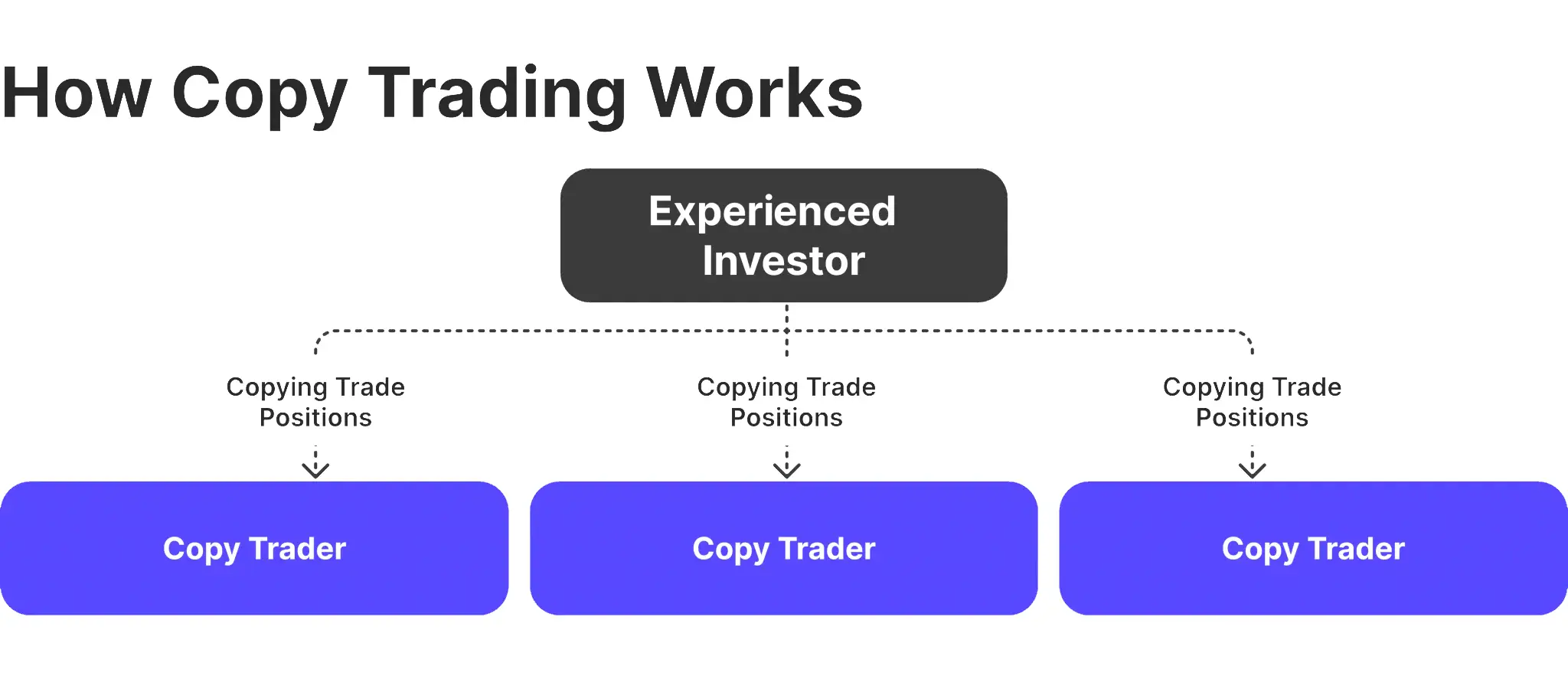
Copy trading and AI trading bots both automate execution, but the source of trade ideas and the responsibility structure differ fundamentally.
- Who generates the trade idea: In copy trading, a human trader (the "leader") makes discretionary decisions based on their analysis, intuition, or trading strategy. In AI trading, a model generates the signal with no human in the loop for individual trades.
- Who bears execution risk: Copy traders replicate the leader’s trades in real time, meaning slippage, latency, and order size mismatches can cause your results to diverge from the leader’s. AI bots execute directly from your account with no intermediary, so execution risk is tied to your API connection and the bot’s logic, not someone else’s timing.
- Permissions typically granted: Copy trading platforms usually require read and trade permissions (some also request withdrawal rights, which increases risk). AI bots require API keys with trade permissions; custody of funds typically remains with the exchange, not the bot provider, but this varies by platform.
The choice, therefore, is simple. If you value transparency in decision-making and want to follow a trader whose logic you understand, choose copy trading. If you prefer systematic, emotionless execution based on data patterns and are comfortable with model-driven risk management, choose an AI bot.
AI Trading Bot vs Signal Service
A signal service is a recommendation-only platform where analysts or algorithms generate trade ideas and distribute them via Telegram, email, or app notifications. Thus, it delivers trading recommendations—specific buy or sell suggestions with entry prices, targets, and stop-losses—but does not execute trades on your behalf. The operational burden and latency are the key differentiators.
| Feature | Signal Service | Trading Bot |
|---|---|---|
| Execution | Manual: you receive a notification and must log in to your exchange to place the trade | Automated: the bot places the order immediately when criteria are met |
| Latency | High: delays between signal generation, notification delivery, and your manual action can cause missed entries or worse fills | Low: milliseconds between signal and execution if API connectivity is stable |
| Order types supported | Depends on your exchange and manual input; you can use any order type | Limited to what the bot’s execution engine supports (often market or limit orders only) |
How AI Trading Bots Work
AI trading bots convert market data into executable trades through seven interconnected modules: raw inputs feed feature engineering and indicators → supervised or reinforcement learning models generate signals → backtest engines validate strategy logic against historical data → forward tests confirm behavior on live streams without capital → execution layers route orders through exchange APIs → multi-tier risk controls guard position size, leverage, and portfolio exposure → monitoring dashboards track performance drift and system health, triggering retraining cycles when regime shifts occur.
Data Inputs
Every trading algorithm, whether rule-based or AI-driven, begins with data. The quality and completeness of inputs directly determine whether your bot can identify genuine patterns or simply overfit to noise.
| Input Type | What It's Used For | Common Pitfalls |
|---|---|---|
| Price/Volume (OHLCV) | Trend detection, momentum calculations, volatility estimation | Time zone misalignment; irregular bar intervals during low-liquidity periods; survivorship bias if using delisted tickers |
| Order Book / Level 2 | Spread analysis, liquidity depth, detecting large hidden orders | Snapshots can miss fast updates; exchange-specific throttling; reconstruction errors during high volatility |
| Indicators / Derived Features | Moving averages, RSI, Bollinger Bands, MACD as model inputs | Look-ahead bias if future data leaks into calculations; lagging indicators miss regime changes |
| Fundamentals | Earnings, revenue, P/E ratios for equity selection | Restatements alter historical data; point-in-time reconstruction is expensive; crypto lacks standardized metrics |
| News / Sentiment | NLP-extracted tone, keyword frequency, headline scoring | Delayed feeds introduce lag; sarcasm and context confuse sentiment parsers; paywalled sources create uneven coverage |
| On-Chain | Wallet flows, exchange inflows/outflows, gas fees, staking rates | Labeling addresses is guesswork; privacy coins obscure activity; mempool data requires node infrastructure |
| Macro / Calendar Events | Fed announcements, GDP releases, employment data | Time zone confusion; revised figures change historical context; markets front-run scheduled events |
| Broker / Exchange Account State | Real-time balances, open positions, margin usage | API lags during volatility; rejected orders don’t always update state immediately; multi-exchange reconciliation is complex |
| Execution Venue Metadata | Tick size, minimum order notional, maker/taker fees | Fee schedules change without notice; minimum notional varies by symbol; API documentation often lags reality |
A few tips on data quality: OHLCV bars, sentiment scores, and order book snapshots must share a unified timestamp. Forward-fill, interpolation, or omission each introduce different biases. Finally, backtests that exclude delisted stocks or defunct crypto pairs may overestimate performance, so consider including those in the learning set as well.
Strategy Generation
Strategy is built upon signal generation, position sizing, and execution logic.
Signal generation answers when to enter or exit. Common AI approaches include:
- Supervised classification/regression: Train on labeled outcomes (price up/down in N bars). Models like gradient boosting, neural networks, or support vector machines predict directional moves or volatility bands.
- Reinforcement learning: An agent learns optimal actions (buy/sell/hold) through trial and reward. Deep Q-Networks or policy gradients adjust behavior based on cumulative profit, but require massive compute and sample efficiency tricks.
- Clustering / regime detection: Unsupervised methods (k-means, Gaussian mixture models) identify market states (trending, ranging, volatile). The bot switches sub-strategies per regime.
- NLP sentiment: Transformer models (BERT, FinBERT) classify news or social media tone. Sentiment scores become features in ensemble models or direct triggers.
Retail and many institutional desks utilize technical indicators (moving average crossovers, RSI thresholds, Bollinger Band breakouts), statistical arbitrage (pairs trading, cointegration) and fundamental rules (value screens, momentum filters) even without AI tools. If the bot or tool does not learn parameters from data, update with retaining or uses learned representations like word vectors or latent factors, not raw price alone, it’s very likely the AI is a marketing label rather than actual tech under the hood.
Position sizing translates signal strength into capital allocation. Fixed-fractional (risk X% per trade), Kelly criterion, or volatility-scaled methods ensure no single trade dominates portfolio risk. AI models can output position size directly or feed confidence scores into a secondary sizing module.
Execution logic determines order type, timing, and slicing. A strong signal means little if a market order walks the book during thin liquidity. Algorithms like TWAP (time-weighted average price) or VWAP (volume-weighted) spread orders to minimize market impact. AI can optimize execution parameters—when to switch from limit to market, how aggressively to cross the spread—based on recent fill rates and slippage history.
Backtesting
Backtests simulate how a trading strategy would have performed historically. Without rigorous realism, you’re simply curve-fitting to hindsight. A minimum viable realism checklist must include:
- Transaction fees: Maker/taker splits, exchange-specific tiers, volume discounts
- Slippage model: Spread widening under volume, partial fills at worse prices
- Latency assumptions: Order submission, acknowledgment, fill confirmation delays
- Partial fills: Limit orders don’t always complete; market orders can walk multiple price levels
- Order type simulation: Market, limit, stop-loss, stop-limit, trailing stop behavior
- Borrow / short constraints: Stock locate fees, hard-to-borrow lists, forced buy-ins
- Funding / overnight costs: Crypto perpetual funding rates; CFD/forex swap; stock borrow fees
- Portfolio-level constraints: Max open positions, leverage limits, sector exposure caps
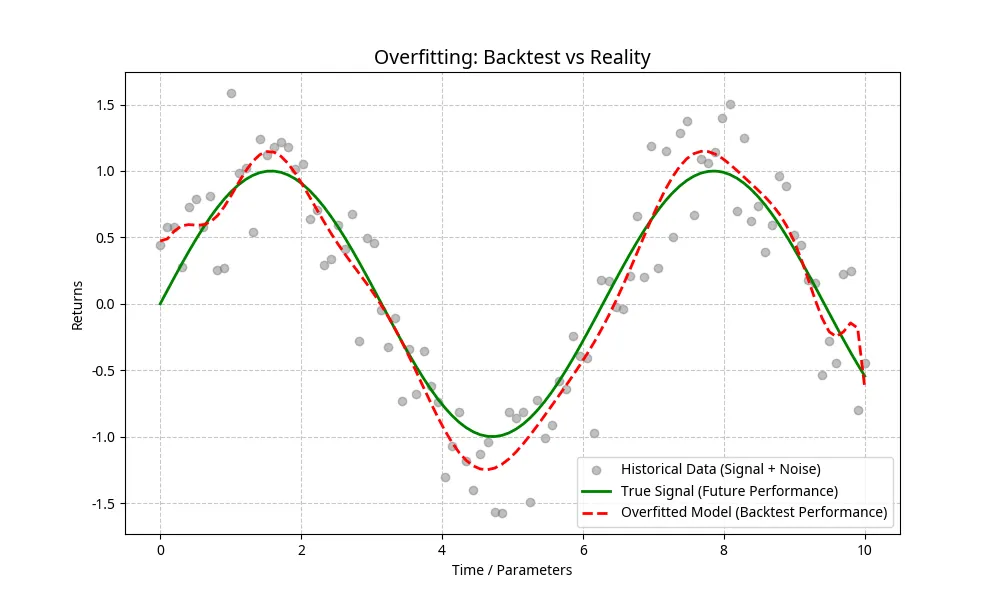
Overfitting turns backtest equity curves into fantasy. Sources of overfitting include parameter tuning on the same dataset, look-ahead bias and data snooping, among others. To mitigate, utilize methods such as walk-forward validation (train on period 1, test on period 2, retrain including period 2, test on period 3), out-of-sample splits (reserving the most recent 20–30% of data strictly for final validation, not tuning), cross-validation by time blocks, or parameter count control (keep it simple).
Every backtest must benchmark against a naive strategy—buy-and-hold, equal-weight rebalancing, or a simple moving average crossover. If your AI bot barely beats passive holding after fees, it’s not adding information, just complexity.
Paper Trading
The next step executes your strategy logic on live market data but without risking real capital yet. Paper trading crypto differs from forward testing: the latter is offline replay of historical streams; the former connects to live APIs but places simulated orders.
Paper trading is a necessary step before committing to actual execution because backtesting still misses quite a few important notions:
- Live signal timing: Does your data feed arrive late during volatile sessions? Are your indicators recalculating correctly in real time?
- Order routing differences: Your backtest assumed instant fills at mid-price. Live systems face rejected orders, minimum notional errors, and exchange maintenance windows.
- Rate limits: Exchange APIs throttle requests. A backtest doesn’t simulate hitting 1,200 requests/minute and getting temporarily banned.
- Real-time data quality: Bad ticks, stale quotes, and feed outages don’t appear in clean historical CSVs.
- Behavioral divergence: The bot may skip trades due to connectivity hiccups, insufficient balance updates, or unhandled edge cases.
Paper trading is the dress rehearsal and a guardrail against catastrophic go-live surprises. Skipping it to chase an urgent profit opportunity is how retail traders end up with losses with no wins.
Live Execution
Once all is validated, it is time to transform signals into actual market orders through a layered architecture: Exchange/Broker API → Order Manager → Risk Checks → Execution Algorithm → Reconciliation.
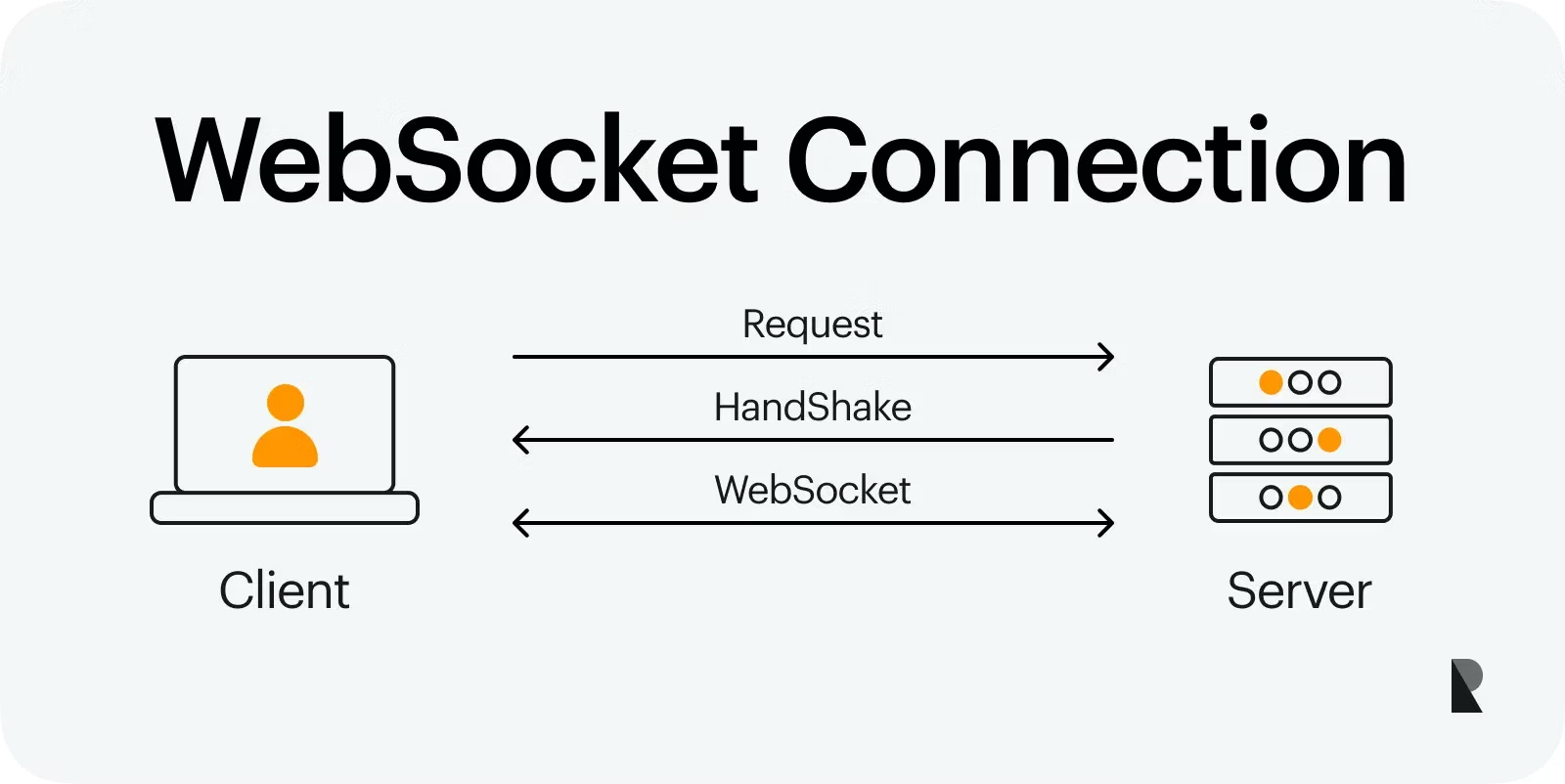
Exchange/Broker API provides the gateway, be it REST for account queries and historical data or WebSocket for real-time feeds and order updates. Latency here matters: co-located servers in exchange data centers cut round-trip time from 50ms to under 1ms, critical for high-frequency strategies, although an overkill for daily rebalancing.
Order Manager tracks intended vs actual state. It queues orders, handles retries, and ensures idempotency (resubmitting a failed order doesn’t double-fill). Most institutional bots use an order management system (OMS) that abstracts exchange differences.
Risk Checks (covered in detail below) run pre-trade: Does this order violate position limits? Leverage caps? Daily loss thresholds? Rejecting an order here prevents disasters downstream.
Execution Algorithm decides order type and urgency:
- Market orders: Guarantee fills but accept slippage. Use when urgency trumps cost (stop-losses, urgent exits).
- Limit orders: Specify max buy / min sell price. You control cost but risk missing the trade if price moves away. Maker fee rebates reward limit orders in many venues.
- Stop-loss / stop-limit: Trigger market or limit orders when price crosses a threshold. Stop-limits can fail to fill if price gaps through your limit.
- Time-in-force (TIF): Good-til-canceled (GTC), immediate-or-cancel (IOC), fill-or-kill (FOK), day-only. Mismatched TIF causes unintended overnight holds or missed partial fills.
High-frequency bots optimize for maker ratios; slower strategies tolerate taker fees for guaranteed execution.
Automated trading accounts for approximately 80% of total market volume in U.S. equities, making execution quality and tight risk controls non-negotiable for any bot competing in these venues.
Last but not least, reconciliation compares intended state (order manager log) vs actual state (exchange API account snapshot). Discrepancies—missing fills, phantom positions—trigger alerts. Run reconciliation on every order acknowledgment and at fixed intervals (every 60s for active bots).
Risk Controls

Strategy-level controls:
- Max position size: Cap any single position at X% of portfolio (e.g., 5%). Prevents concentration risk.
- Max open orders: Limit pending orders to avoid accidental over-leverage if multiple orders fill simultaneously.
- Max trades per day: Prevents runaway looping bugs from churning the account.
Position-level controls:
- Stop-loss: Exit at a fixed loss threshold (e.g., -2% from entry). Protects against single-position blowups.
- Trailing stop: Moves stop-loss up as price rises, locking in gains. Useful for trend-following but prone to whipsaws in ranging markets.
- Take-profit: Exit at a predefined gain target. Ensures the bot books winners rather than riding reversals.
Portfolio-level controls:
- Max leverage: Total notional exposure / account equity. Brokers enforce regulatory leverage caps (e.g., 2x for U.S. stocks, 100x+ for some crypto derivatives). Set internal limits tighter (e.g., 3x) to cushion volatility.
- Daily loss limit: Halt trading if portfolio drops X% in a session. Prevents catastrophic drawdowns from cascading failures.
- Max correlated exposure: Limit aggregate exposure to a sector or asset class (e.g., no more than 30% in tech stocks). Reduces systemic risk.
- Volatility-based sizing: Scale position size inversely with recent volatility (ATR, standard deviation). Calmer markets allow larger positions; turbulent periods shrink size.
Account-level controls:
- Kill switch: Manual or automated shutdown triggered by extreme losses, connectivity issues, or operational errors. Closes all positions and cancels pending orders.
- Liquidation risk (leveraged derivatives): Futures, perpetuals, and margin positions face forced liquidation if equity falls below maintenance margin. Distinguish this from stop-loss: liquidation is involuntary and often occurs at worse prices than a planned stop. Monitor margin ratio in real time and reduce positions preemptively.
Liquidation vs stop-loss: A stop-loss is a risk control you define; liquidation is a broker action to protect their capital. In volatile crypto perpetuals, prices can gap through your stop-loss, but if your margin ratio hits zero, liquidation engines auction your position at any available price. Build buffers: if exchange requires 1% maintenance margin, trigger internal deleveraging at 5%.
Monitoring and Optimization
Performance metrics:
- Equity curve: Cumulative P&L over time. Smooth upward slope indicates robust strategy; jagged spikes suggest luck or excessive risk.
- Win rate: Percentage of profitable trades. High win rate with small average winners and large losers is a red flag (picking up pennies in front of a steamroller).
- Risk-adjusted return: Sharpe ratio (return per unit volatility), Sortino ratio (downside deviation only), Calmar ratio (return / max drawdown). Pure return numbers mislead without risk context.
Execution quality:
- Slippage vs expected: Compare actual fill price to mid-price at signal time. Persistent negative slippage (worse fills than anticipated) erodes strategy edge.
- Fill rate: Percentage of intended orders that execute. Low fill rates on limit orders suggest pricing models are too conservative or markets are moving too fast.
System health:
- Latency: Measure time from signal generation to order acknowledgment. Latency spikes indicate network congestion, server load, or API throttling. Execution speed directly affects whether your bot captures intended entry prices or suffers adverse selection.
- Error logs: Track API errors, rejected orders, timeouts, and exceptions. Sudden error rate increases precede outages.

Data drift / regime shift detection:
- Feature distributions: Monitor input feature statistics (mean, variance, skew). Sharp changes signal regime shifts (e.g., transition from low to high volatility).
- Prediction calibration: If model outputs probabilities, compare predicted vs actual outcomes over rolling windows. Degrading calibration means model assumptions no longer hold.
Best AI Trading Bots in 2026
This list evaluates six AI trading platforms through a consistent lens: supported markets, primary differentiator (the single feature that sets each tool apart), strategy creation (no-code builders vs. code-required approaches), backtesting and paper trading (testing environments before risking capital), execution and integrations (broker, exchange, or API connections), pricing and trial availability, ideal user profile (who benefits most), and main risk or limitation (practical constraints that affect deployment). Each entry follows this micro-template structure to help you compare platforms side-by-side and shortlist the right fit for your trading goals without navigating through scattered feature lists.
Cryptohopper
Best for: Cryptocurrency traders seeking a prebuilt bot marketplace with minimal setup
Markets: Cryptocurrency (200+ exchanges supported)
Automation level: Full automation with customizable rule sets
Strategy tooling: Marketplace of 1,500+ community-built trading strategies available for subscription; visual designer for custom bots; TradingView signal integration
Testing: Paper trading mode with simulated balances; backtesting via Strategy Designer module
Execution/integrations: API connections to Binance, Kraken, Coinbase Pro, Bybit, and other major exchanges; requires API key with trade permissions
Costs: Free plan (limited features), paid tiers from $19 to $99 per month; strategy marketplace subscriptions billed separately
Watch-outs: Exchange API latency during network congestion can cause missed fill prices; strategy marketplace performance claims are not audited
Cryptohopper distinguishes itself through the strategy marketplace, where users can rent algorithms developed by other traders without building logic from scratch. This crowdsourced approach accelerates deployment but introduces performance variability: a strategy profitable in a 2024 bull market may underperform during the 2026 consolidation. The platform’s backtesting engine operates on historical candlestick data, which means it cannot account for order book depth or spread widening during flash crashes. Forward testing in paper mode for at least two weeks across different volatility regimes is non-negotiable before committing real capital, especially since crypto markets exhibit 24/7 price action that magnifies execution risk.
TrendSpider
Best for: Technical analysts automating chart pattern recognition and multi-timeframe strategies
Markets: Stocks, forex, cryptocurrency
Automation level: Semi-automatic (automated alerts, manual execution)
Strategy tooling: AI-driven pattern recognition for trend lines, channels, and support/resistance; automated technical analysis across 15+ timeframes simultaneously
Testing: Backtesting engine with historical bar replay; no dedicated paper trading mode
Execution/integrations: No direct broker integration; signals exported to TradeStation, Interactive Brokers, or TradingView for manual or scripted execution
Costs: Plans range from $39 to $99 per month; 7-day trial available
Watch-outs: Requires manual order placement or external automation layer; chart pattern recognition accuracy degrades in choppy, low-volume conditions
TrendSpider’s core differentiator is multi-timeframe automation: the platform simultaneously analyzes 1-minute through monthly charts to detect pattern confluences that manual traders might miss. The AI component scans for textbook formations—head and shoulders, triangles, Fibonacci retracements—then flags price levels where multiple timeframes agree. This synthesis reduces noise but does not execute trades autonomously. The backtesting engine replays historical bars to validate pattern-triggered rules, but it assumes instant fills at the trigger price, which rarely reflects live market conditions where slippage and partial fills are common.
Stoic.ai
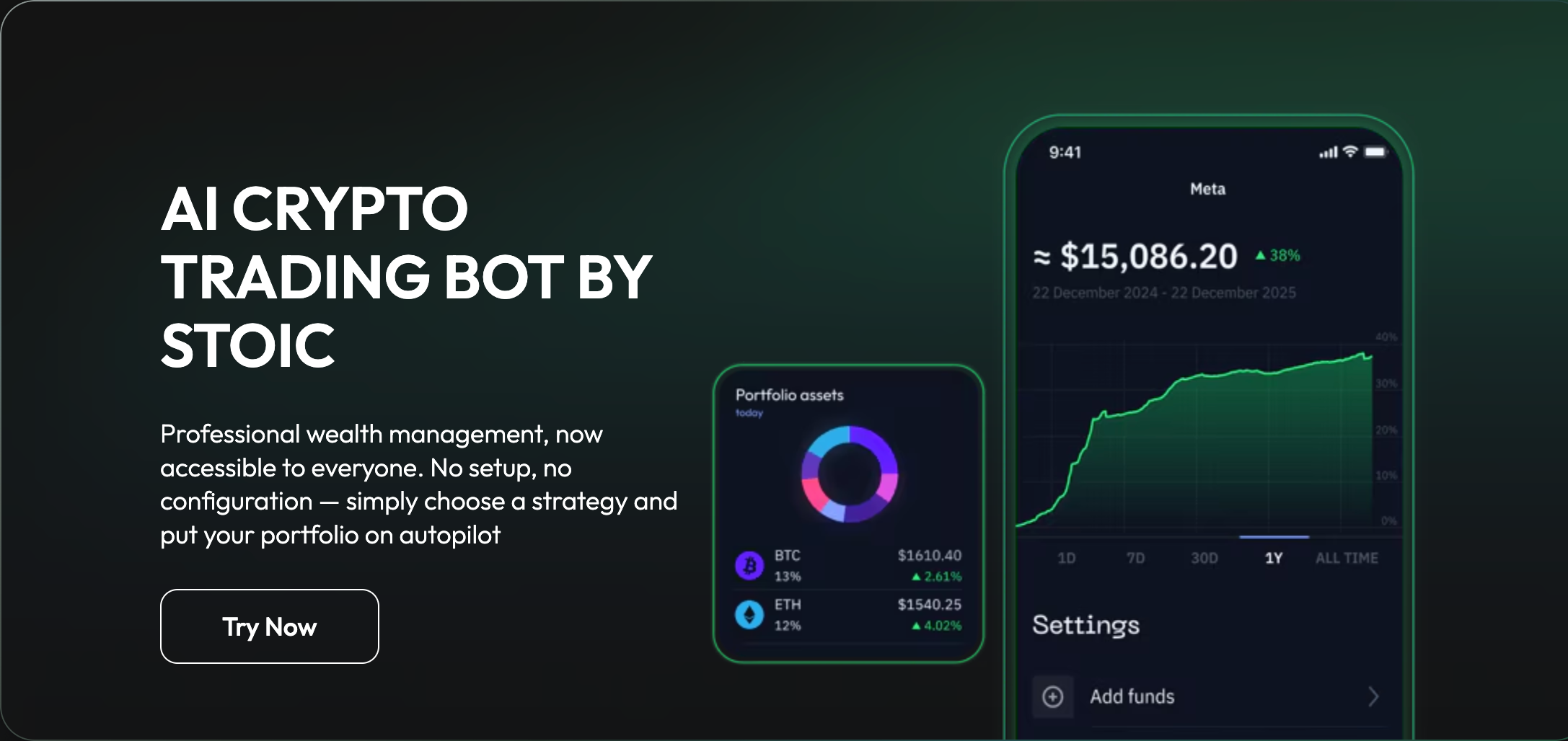
Best for: Passive crypto investors preferring AI-managed portfolio rebalancing over active trading
Markets: Cryptocurrency (Binance API integration)
Automation level: Full automation via portfolio rebalancing strategies
Strategy tooling: AI-driven portfolio management optimization using machine learning models trained on historical market regimes; no user-built strategies
Testing: Simulated historical performance shown in onboarding; no live paper trading account
Execution/integrations: Connects via Binance API with read and trade permissions; does not custody funds
Costs: Performance-based fee model (percentage of profits); no fixed monthly subscription
Watch-outs: Black-box model limits transparency into decision rationale; custody remains on exchange (requires trust in Binance security and API key management)
Stoic.ai diverges from rule-based bots by employing supervised learning models that adjust portfolio allocations based on predicted volatility and correlation shifts. The platform does not execute high-frequency trades; instead, it rebalances positions weekly or monthly to maintain target risk exposure. This passive approach suits investors uncomfortable with active strategy tuning but demands trust in the model’s training data and assumptions. The performance-based fee structure aligns incentives but obscures monthly cost predictability. Crucially, funds remain on the connected exchange, so users must implement strict API key hygiene: enable withdrawal whitelisting, disable withdrawal permissions, and rotate keys quarterly to mitigate the risk of unauthorized access.
Bitsgap
Best for: Crypto traders deploying grid and DCA (dollar-cost averaging) bots across multiple exchanges
Markets: Cryptocurrency (30+ exchanges including Binance, Kraken, Huobi)
Automation level: Full automation for grid and DCA strategies
Strategy tooling: Grid bot builder (configures price ranges and grid levels); DCA bot with take-profit and stop-loss logic; SBOT marketplace for copying strategies
Testing: Demo mode with virtual funds on all supported exchanges; backtesting limited to grid strategies
Execution/integrations: Unified API dashboard manages positions across multiple exchanges simultaneously; TradingView signal webhooks supported
Costs: Basic plan $29/month, Advanced $69/month, Pro $149/month; 7-day trial available
Watch-outs: Grid bots underperform in strong trending markets (designed for range-bound volatility); exchange API rate limits can throttle order updates during high activity
Bitsgap’s primary differentiator is the unified terminal that aggregates order books and positions from multiple exchanges into a single interface. Grid bots, which place buy and sell orders at predetermined intervals within a price range, profit from oscillations but accumulate losing positions if the market trends sharply in one direction. The DCA bot mitigates this by averaging entry prices over time, but it requires sufficient capital reserves to continue buying during prolonged drawdowns. Backtesting for grid strategies uses historical price ranges to simulate profit but cannot replicate the impact of exchange fee tiers, maker-taker rebates, or slippage from low liquidity pairs. Forward testing in demo mode across both bullish and bearish cycles is critical before deploying capital.
3Commas

Best for: Crypto traders requiring advanced order types (trailing stop, take-profit ladders) across exchanges
Markets: Cryptocurrency (20+ exchanges including Binance, Coinbase Pro, Bitfinex)
Automation level: Full automation with conditional order logic
Strategy tooling: SmartTrade terminal for manual trades with automation triggers; DCA and Grid bots; TradingView webhook integration for signal-based execution
Testing: Paper trading mode available on all bot types; backtesting not provided
Execution/integrations: API integration with major exchanges; SmartTrade can execute multi-step orders (entry, take-profit, trailing stop) as a single action
Costs: Starter plan $29/month, Advanced $49/month, Pro $99/month; annual billing discounts offered
Watch-outs: Platform experienced a 2023 API key exploit affecting user accounts; implement strict API hygiene including IP whitelisting, withdrawal lock on exchanges, and read-only keys where possible
The SmartTrade terminal is 3Commas’ unique feature: it bundles entry, multiple take-profit targets, and trailing stop orders into a single interface, executing them sequentially as price conditions trigger. This reduces the cognitive load of managing complex exit strategies manually. However, the 2023 security incident exposed vulnerabilities in how some users configured API permissions: attackers used compromised keys with withdrawal rights to drain funds from exchange accounts. Since then, best practices demand restricting API keys to "trade-only" permissions, enabling withdrawal whitelisting on exchanges, and using IP address restrictions when available. This platform-risk context underscores why exchange-side safeguards matter as much as bot logic: even a perfectly configured trading strategy fails if unauthorized access empties the account.
Superalgos
Best for: Advanced developers seeking open-source infrastructure for custom algorithmic strategies
Markets: Cryptocurrency (exchange-agnostic via CCXT library)
Automation level: Full automation with user-coded strategies
Strategy tooling: Visual Strategy Designer for building logic flows; JavaScript-based strategy scripting; modular architecture for backtesting, paper trading, and live execution
Testing: Integrated backtesting engine with historical data from multiple exchanges; forward testing via built-in paper trading mode
Execution/integrations: CCXT library provides API access to 100+ cryptocurrency exchanges; requires self-hosting on local machine or cloud VPS
Costs: Free and open-source; users pay only for cloud hosting (AWS, DigitalOcean) if not running locally
Watch-outs: Steep learning curve (requires Node.js, Git, and JavaScript familiarity); ongoing maintenance (dependency updates, bug fixes) falls on the user
Superalgos grants complete flexibility—traders can inspect every line of code, customize execution logic, and avoid vendor lock-in—but this comes at the cost of deployment complexity. Setting up the platform requires cloning the GitHub repository, installing Node.js dependencies, configuring exchange API keys, and troubleshooting environment-specific errors. Unlike SaaS platforms where updates are automatic, Superalgos users must manually pull updates and resolve breaking changes in dependencies. Maintainability becomes a hidden cost: a strategy that works today may require code adjustments after an exchange updates its API or the CCXT library introduces breaking changes. The tradeoff is clear—maximum control and zero subscription fees versus significant time-to-deploy and ongoing technical overhead. This suits developers who view trading infrastructure as a long-term asset to refine, not traders seeking plug-and-play solutions.
AI Trading Bot Comparison by Use Case

Before jumping into specific platforms, you need a framework for self-selection. This section maps common use cases to the features, integrations, and risk constraints that determine which bots actually deliver results—and which create expensive lessons. For each category below, you’ll find (1) a user profile snapshot, (2) four non-negotiable capabilities to verify before deployment, (3) critical integration checkpoints, (4) recommended platforms drawn exclusively from the 2026 list above, and (5) the failure modes traders encounter most often when requirements mismatch reality.
Crypto Trading
Best fit if... you operate in 24/7 markets with high volatility and need strategies that capitalize on continuous price action without sleep interruption.
Non-negotiable features:
- Strategy differentiation for market conditions: grid bots for ranging markets (exploit oscillation), DCA (dollar-cost averaging) for accumulation during downtrends, and momentum/trend-following for breakout phases—platforms must support conditional logic to switch modes automatically
- Leverage liquidation protection: real-time margin monitoring, automatic deleveraging triggers when unrealized loss hits predefined thresholds (typically 40-60% of margin), and exchange-specific liquidation price calculators since formulas vary across platforms
- Multi-exchange API orchestration with rate-limit management and failover logic—crypto infrastructure outages occur frequently; your bot must reroute orders or pause execution rather than double-submit trades
- Fee structure transparency: maker/taker distinctions, withdrawal fees, and network gas cost estimation built into profit calculations so net returns reflect total cost basis
Integration checklist:
- Exchange API permission audits—restrict withdrawal capabilities, enable IP whitelisting, and implement 2FA for API key generation (the 2021 3Commas exploit drained user funds via compromised keys with excessive permissions)
- WebSocket connectivity for real-time order book data and execution confirmations, not just REST API polling which introduces latency that causes missed fills in fast markets
Recommended picks from this guide:
- Cryptohopper: cloud-hosted strategy marketplace with 100+ backtested algorithms and trailing-stop capabilities, optimized for exchange diversity (supports 15+ platforms)
- 3Commas: SmartTrade terminal for manual intervention combined with automated grid and DCA bots, particularly strong for managing multiple exchange accounts through unified interface
- Bitsgap: arbitrage opportunity scanning across exchanges plus grid bot deployment for volatility harvesting, ideal for traders exploiting price inefficiencies rather than directional bets
Common pitfalls:
- Leverage amplifies liquidation risk during flash crashes—use cross-margin mode sparingly and maintain 3x buffer above liquidation price; isolated margin per position prevents cascade failures
- Exchange API downtime or rate-limiting during volatility spikes causes order submission failures—implement fallback logic that cancels outstanding orders and flattens positions when connectivity drops for >30 seconds
For Beginners
Best fit if... you have limited trading experience, need structured learning paths, and require automated guardrails that prevent catastrophic mistakes during the skill-acquisition phase.
Non-negotiable features:
- Mandatory paper trading lock-out: platforms should enforce minimum 30-day forward testing periods with performance thresholds (Sharpe ratio >1.0, maximum drawdown <15%) before enabling live capital deployment
- Smallest-possible position sizing with percentage-of-equity caps (default 1-2% per trade) and maximum daily loss limits that automatically halt trading when thresholds breach
- Pre-built strategy templates with transparent logic documentation—not black-box systems—so users understand cause-effect relationships between indicators and trade signals
- Educational integration: in-app tutorials, backtest result interpretation guides, and risk management metric definitions (Sharpe ratio, maximum drawdown, profit factor) that build literacy alongside automation

Integration checklist:
- 2FA enforcement and API key permission reviews—verify that bots have read/trade permissions only, never withdrawal capabilities
- Broker/exchange account compatibility with demo environments that mirror live market conditions, including realistic order fill simulations
Recommended picks from this guide: Cryptohopper: marketplace of community-rated strategies with performance statistics and social proof, helping beginners identify viable templates without trial-and-error capital loss.
Common pitfalls:
- Template over-reliance creates false confidence—backtested results reflect curve-fitted parameters optimized to historical data; always forward test 60+ days and verify performance degrades <30% from backtest to live results
- Ignoring position sizing discipline—even profitable strategies cause account blowups when individual trade risk exceeds 5% of equity; implement hard stops at platform level, not just mental rules
Technical Analysis
Best fit if... you base entry/exit decisions on chart patterns, indicator confluences, and price action signals, requiring platforms that automate scanning, backtesting, and alert generation across multiple timeframes.
Non-negotiable features:
- Indicator-based strategy construction with access to 50+ technical studies (RSI, MACD, Bollinger Bands, custom oscillators) and the ability to combine them using Boolean logic (AND/OR conditions) for confluence filtering
- Multi-timeframe backtesting engine that tests strategies across daily, hourly, and intraday periods simultaneously, revealing whether signals remain robust or degrade when timeframe changes
- Real-time scanning capabilities across 1,000+ instruments with user-defined criteria—identifying setups as they form rather than post-hoc analysis after optimal entry passed
- Forward testing and walk-forward optimization to prevent overfitting—platforms must partition data into in-sample (training) and out-of-sample (validation) periods, showing strategy performance on unseen data
Integration checklist:
- TradingView integration or native charting with equivalent depth—real-time data feeds, custom indicator scripting (Pine Script or equivalent), and alert webhooks for execution handoffs
- Data quality verification: confirm OHLC (open-high-low-close) accuracy and corporate action adjustments (splits, dividends) in backtests to avoid phantom signals
Recommended picks from this guide: TrendSpider: automated pattern recognition (head and shoulders, flags, triangles) with multi-timeframe analysis and dynamic support/resistance level calculation, streamlining the charting workflow.
Common pitfalls:
- Overfitting to historical data—strategies with 15+ parameter inputs often show 90%+ backtest win rates but fail live because they memorized noise patterns; limit parameters to <5 and test across multiple market regimes (trending, ranging, volatile)
- Ignoring forward test degradation—if live performance drops >40% below backtest results within first 30 trades, the strategy likely capitalized on sample-specific anomalies rather than repeatable edge
Portfolio Management
Best fit if... you maintain diversified holdings across asset classes and need automated rebalancing, risk-adjusted performance tracking, and correlation monitoring to maintain target allocations without constant manual intervention.
Non-negotiable features:
- Automated rebalancing triggers based on threshold (rebalance when allocation drifts >5% from target) or calendar (monthly, quarterly) schedules, with tax-loss harvesting logic for taxable accounts
- Correlation and diversification analysis—platforms must calculate rolling correlation matrices across holdings and alert when portfolio concentration risk increases (e.g., multiple positions moving in lockstep)
- Risk-adjusted performance metrics: Sharpe ratio, Sortino ratio, maximum drawdown, and Calmar ratio with benchmarking against relevant indices to evaluate whether active management justifies costs
- Transaction cost modeling—rebalancing frequency optimization that balances drift reduction against cumulative trading fees and bid-ask spreads, often revealing that quarterly rebalancing outperforms monthly on net-of-cost basis

Integration checklist:
- Multi-asset custody support—verify whether platform connects to brokers, exchanges, and DeFi protocols simultaneously for unified portfolio view, or requires manual CSV uploads
- Tax reporting integration—capital gains tracking, lot identification methods (FIFO, LIFO, specific ID), and export compatibility with TurboTax or accountant-preferred formats
Recommended picks from this guide: Cryptohopper: portfolio management dashboard across multiple exchanges with rebalancing and threshold alerts, suited for crypto-heavy allocations.
Common pitfalls:
- Hidden costs from frequent rebalancing—bid-ask spreads and exchange fees compound; backtest net returns after transaction costs to verify that annual rebalancing (2-4 trades per position) doesn’t erase 1-2% alpha
- Correlation blindness during market stress—diversification fails when asset class correlations converge to 1.0 during crises; maintain 10-20% cash allocation as volatility buffer and stress-test portfolio using 2008 and 2020 scenarios
No-Code Platforms
Best fit if... you lack programming skills but want to build custom strategies using visual editors, drag-and-drop rule builders, or pre-configured templates rather than relying on opaque black-box algorithms.
No-code means strategy construction through graphical interfaces—connecting logic blocks (if/then conditions), selecting indicators from dropdown menus, and defining entry/exit rules without writing Python or MQL code. These platforms democratize algorithmic trading but introduce risks when ease-of-use masks complexity beneath simplified interfaces.
Non-negotiable features:
- Visual strategy builder with transparent logic display—every condition and action must be represented in flowchart or block format so users understand causal chains without interpreting code
- Strategy template library with performance statistics and usage counts—community validation reduces trial-and-error, but templates must disclose backtest periods and assumptions to prevent blind copying of overfit strategies
- Backtesting with realistic execution modeling—platforms must simulate slippage, partial fills, and commission structures rather than assuming perfect fills at historical mid-prices
- Forward testing enforcement—require out-of-sample validation periods where strategy runs on new data before live deployment, revealing whether backtest performance reflected genuine edge or sample-specific luck
Integration checklist:
- Broker/exchange connectivity verification—confirm that visual strategies translate accurately to API calls without order type limitations or execution delays
- Data feed quality checks—no-code platforms often use aggregated data sources; verify tick-by-tick accuracy if running intraday strategies sensitive to execution timing
Recommended picks from this guide: Cryptohopper: strategy designer with indicator-based rules and template marketplace, accessible for crypto traders without programming backgrounds.
Common pitfalls:
- Template false confidence—100+ backtested algorithms often represent survivorship-biased winners from thousands of permutations; independently forward test any template for 60+ days and accept only strategies showing <25% performance degradation from backtest to live results
- Hidden complexity beneath simplicity—drag-and-drop interfaces can construct strategies with 10+ interdependent conditions that behave unpredictably during edge cases (gaps, halts, data feed interruptions); stress-test strategies using historical anomaly periods before risking capital
Setup Guide: How to Start Using an AI Trading Bot

Before moving to the detailed steps, verify you can check off each of these milestones—each represents a concrete output that proves you’re ready for the next phase:
- Account Prerequisites Met — KYC completed, 2FA enabled, base currency selected, jurisdiction verified for your target markets
- Connection Type Selected — Decision made between native exchange API, broker integration, or TradingView webhook bridge
- API Key Created — Trade-only permissions set, withdrawal access disabled, IP whitelist configured, keys stored in password manager
- Strategy Mapped to Market Regime — Chosen strategy (trend/mean-reversion/grid/DCA) matches current volatility and your time horizon
- Backtest Report Exported — Equity curve and drawdown chart saved with locked parameters and out-of-sample validation completed
- Paper-Trade Forward Test Documented — Minimum sample size reached, alert logs enabled, results compared against backtest expectations
- Live Deployment Guardrails Active — Smallest position size confirmed, max daily loss limit set, kill-switch conditions defined
- Performance Log Template Created — Daily, weekly, and monthly review cadence established with post-trade log fields ready
- Monitoring Protocol Installed — Error alerts configured, timezone settings verified, order execution logs accessible
Account Creation
Setting up an account for AI trading requires more groundwork than signing up for a typical exchange or brokerage. Start by confirming your identity and KYC status are fully approved; many platforms restrict API access or advanced order types until verification is complete. Next, select your base currency carefully, as changing it later often requires closing all positions and may trigger tax events or transfer fees.
Enable two-factor authentication (2FA) before proceeding—for API security it is even more critical than a personal account. Confirm your jurisdiction allows access to the markets and instruments you plan to trade. Finally, verify that your account tier or subscription level includes API features; some platforms gate API access behind premium plans or minimum balance requirements.
Stop here if: You cannot enable 2FA, your region is unsupported for the target market, or your account does not include API privileges. Resolve these before moving forward—attempting to connect a bot with incomplete prerequisites will fail during API setup or first trade execution.
Exchange or Broker Connection
Choosing the right connection type determines your bot’s execution speed, reliability, and feature set.
- Native Exchange Integration — Best for crypto or forex; offers direct REST/WebSocket API access with the lowest latency and full order types support (limit, stop-limit, OCO). Requires managing API keys yourself but provides maximum control over execution logic.
- Broker Integration — Ideal for stocks and regulated instruments.
- TradingView/Webhook Bridge — Suitable for strategy-first traders who design in Pine Script; sends alerts from TradingView to a webhook receiver that forwards orders to exchanges or brokers. Adds an extra hop (latency cost) but simplifies multi-strategy deployment without coding REST clients.
Before you connect, collect these exact details in advance: your account ID or login email, subaccount name (if using multiple bots or isolation), API endpoint region (US/EU/Asia data centers affect ping times), and testnet availability (sandbox environments let you test without risking real funds).
API Setup
API keys are the gateway between your bot and your capital. Mishandling them is the single fastest way to lose funds through unauthorized access or accidental overexposure. Follow this permissions and safety micro-checklist in order:
- Create Dedicated Keys Per Bot — Never share one API key across multiple bots or scripts; isolation limits blast radius if one key is compromised or a bot malfunctions.
- Set IP Whitelist — If your platform supports it, restrict API access to your bot server’s static IP or your home network; this blocks remote attackers even if they steal your key.
- Restrict Permissions to Read + Trade Only — Disable withdrawal, transfer, and account-modification rights; your bot needs to place orders and check balances, nothing more.
- Store Keys in Password Manager or Secret Vault — Use tools like 1Password, LastPass, or environment variable encryption; never hardcode keys in scripts or store them in plaintext files.
- Rotate Keys on Schedule — Set a calendar reminder to regenerate keys every 90 days; stale credentials accumulate risk over time as threat surfaces expand.
Security Warning: Platform and key compromise remains a documented risk vector in automated trading; attackers who gain access to trade-enabled keys can drain accounts through rapid sell orders or leveraged positions. Trade-only permissions, key rotation, and continuous monitoring are your primary defenses against this threat.
Choosing a Strategy
Not all strategies work in all markets—matching your bot’s logic to current conditions is the difference between steady gains and catastrophic drawdowns. Here are four clearly distinct starting strategies mapped to user intent and volatility regimes:
First, Trend Following — Suitable for high-volatility, directional markets (crypto bull runs, commodities breakouts); typical time horizon is days to weeks. The bot buys breakouts above resistance and sells breakdowns below support, riding momentum until reversal signals appear. Biggest Failure Mode: Gets chopped to pieces in sideways, range-bound markets where every breakout is a fake-out; stop-loss orders trigger repeatedly without profitable follow-through.
Second, Mean Reversion — Best for low-to-medium volatility, oscillating markets (range-bound stocks, stable forex pairs); time horizon is hours to days. The bot buys oversold conditions (RSI < 30, Bollinger Band lower touch) and sells overbought signals (RSI > 70, upper band touch), profiting from snap-backs to the mean. Biggest Failure Mode: Catastrophic losses in trending markets where "oversold" becomes "more oversold" and the mean never materializes; the bot keeps buying into a falling knife.
Third, Grid Trading — Ideal for choppy, non-trending markets with predictable ranges (crypto consolidation phases, stable FX pairs during low-volume hours); time horizon is continuous. The bot places buy orders at intervals below current price and sell orders above, profiting from repeated oscillations within the grid. Biggest Failure Mode: Wipeout risk in one-way breakout markets; if price trends strongly upward, the bot sells too early and misses the move, or if it crashes downward, the bot accumulates a massive losing position with no offsetting sells.

Fourth, DCA/Portfolio Rebalancing — Suitable for long-term accumulation in any volatility regime (index investing, dollar-cost averaging into crypto); time horizon is weeks to years. The bot buys fixed dollar amounts at regular intervals regardless of price, or rebalances portfolio weights back to target allocations when drift exceeds thresholds. Biggest Failure Mode: No exit discipline; the strategy assumes infinite holding periods and offers no protection against extended bear markets or black-swan events unless combined with stop-loss or portfolio hedging rules.
Backtest Configuration
Backtests are only as trustworthy as the settings you input; as they say, “garbage in, garbage out”. To not see your results evaporate in live trading, confirm these backtest hygiene settings explicitly before running your first simulation:
- Data Window Length — Use at least 2-3 years of historical data to capture multiple market regimes (bull, bear, consolidation); shorter windows overfit to recent conditions.
- Bar Interval — Match your intended trading frequency (1-minute bars for scalping, 1-hour bars for intraday, daily bars for swing trading); mismatched intervals distort entry/exit timing.
- Trading Fees — Input your exchange’s maker/taker fee schedule (typically 0.1%-0.25% per trade for crypto, $0-$1 per contract for stocks/futures); zero-fee backtests overestimate profitability by 30-50%.
- Slippage Assumption — Add 0.1%-0.5% slippage per trade depending on asset liquidity; market orders on low-volume pairs experience much worse fills than limit orders on major pairs.
- Order Types Used — Specify whether your bot uses market orders (instant fill, high slippage) or limit orders (better price, risk of no fill); limit-order backtests require fill-simulation logic based on volume.
- Position Sizing Rules — Define fixed-dollar amounts, percentage-of-equity, or Kelly-criterion sizing; inconsistent sizing between backtest and live trading invalidates your results.
To avoid overfitting, lock all parameters before retesting—do not adjust indicators or thresholds after seeing initial results. Use out-of-sample validation by splitting your data into training (first 70%) and testing (final 30%) periods; the strategy should perform similarly in both. Export an equity curve and drawdown chart for later comparison against paper trading and live results; visual divergence signals regime change or execution issues.
Paper Trading
Paper trading is the only way to test execution logic, API reliability, and real-world order behavior without risking capital.
Run the bot for at least 30 trades or 4 weeks, whichever comes first; smaller samples are dominated by luck rather than edge. Enable all alerts and logging so you can audit every decision the bot made, including orders that were skipped or rejected.
Calculate these metrics from your paper trades and compare them to your backtest report: win rate (percentage of profitable trades), average win vs average loss (expectancy ratio), and maximum drawdown (largest peak-to-trough equity decline). If paper results deviate by more than 20% from backtest expectations, investigate whether slippage, fees, or fill rates are worse than your assumptions, or whether market conditions have shifted.
Graduation Criteria (Must Meet Before Going Live):
- Paper trading win rate within 15% of backtest win rate
- Maximum drawdown did not exceed backtest worst-case by more than 25%
- No repeated order rejections or API timeout errors over a 7-day period
- Bot correctly handled all stop-loss and take-profit exits without manual intervention
- Alert notifications fired for every trade and error condition
If any criterion fails, extend paper trading and debug the issue; rushing to live deployment with unresolved problems guarantees losses.
Live Deployment
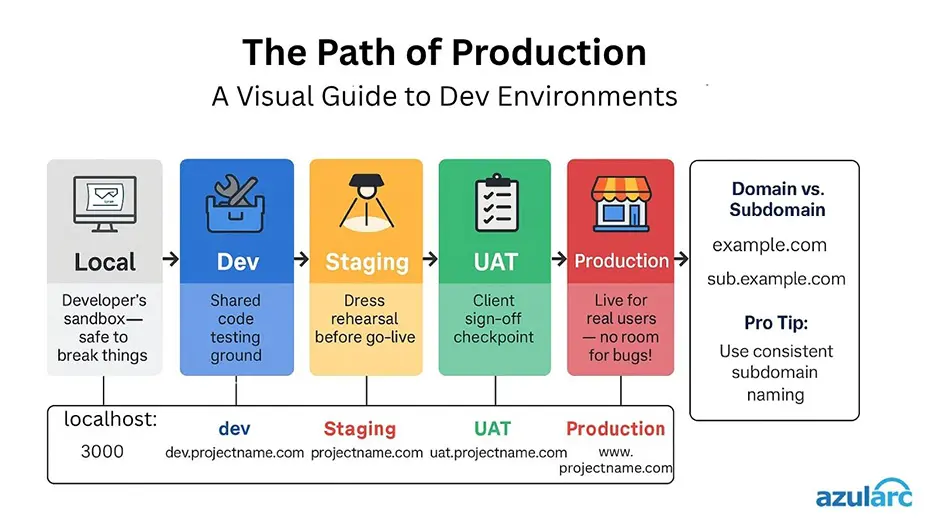
Transitioning from paper to live requires a safe-launch procedure with explicit guardrails to contain damage if anything goes wrong. Start by configuring the smallest position size your exchange allows (often 0.001 BTC or $10 notional for stocks); this limits per-trade loss to negligible amounts while you verify execution behavior. Set a maximum daily loss limit (e.g., -2% of account equity) and maximum open positions (e.g., 3 concurrent trades) to prevent runaway exposure if the bot enters a losing streak or malfunctions.
Confirm that stop-loss behavior matches your expectations by checking historical fills: are stops executing as market orders (instant fill, slippage risk) or stop-limit orders (better price, no-fill risk)? Verify that your order types are supported by the exchange for your specific trading pair—some exotic pairs lack support for stop-limit or trailing-stop orders. Define kill-switch conditions that will pause the bot automatically: repeated order rejects (3+ in a row), unexpected leverage (your bot tried to open a margin position when configured for spot-only), or abnormal slippage (fills 1%+ worse than bid/ask spread).
Check Before the First Live Trade:
- Timezone and trading session settings verified (prevents trading during closed markets or unintended hours)
- Stop-loss and take-profit orders successfully placed in paper trading and filled correctly
- Position size set to absolute minimum for first 10 trades
- Kill-switch alerts configured and tested with a mock error condition
Performance Review
Operational discipline after launch matters as much as pre-launch testing—most bot failures occur gradually through parameter drift or unnoticed regime changes. Establish this three-tier review cadence with proper risk management protocols:
Daily Quick Checks (5 minutes):
- Error log review: scan for API timeouts, rejected orders, or unexpected exceptions
- Filled orders audit: verify every executed trade matches your strategy logic and expected timing
- Exposure check: confirm current open positions and margin usage align with your risk limits
Weekly Review (30 minutes):
- Equity curve comparison: plot your live account balance against a buy-and-hold benchmark for the same period; if your bot is underperforming, investigate whether fees are higher than expected or the strategy has stopped working
- Drawdown analysis: measure your current peak-to-trough decline and compare it to backtest worst-case; exceeding historical drawdown by 30%+ signals either bad luck or a regime shift
- Trade statistics: recalculate win rate, average win/loss, and expectancy using live data; decaying metrics mean your edge is eroding
Monthly Review (1-2 hours):
- Parameter drift check: compare your bot’s current indicator settings and thresholds to your original backtest configuration; unintended changes (from manual tweaks or auto-optimization) often degrade performance
- Market regime assessment: evaluate whether volatility, trend strength, or correlation structures have changed since your last backtest; strategies tuned for bull markets fail in bear markets and vice versa
Post-Trade Log Template Fields (Create This Now):
To turn reviews into actionable insights, log these details for every trade: strategy version (e.g., "TrendFollower v2.1"), entry reason (e.g., "50-day MA crossover + RSI < 40"), exit reason (e.g., "stop-loss hit" or "profit target reached"), slippage amount (difference between expected and actual fill price), fee paid (maker vs taker), and a screenshot or chart link showing the market context. This artifact becomes your debugging tool when performance degrades and your training dataset for future strategy improvements.
Risks, Drawbacks, and Safety Considerations
Scams and Fraud
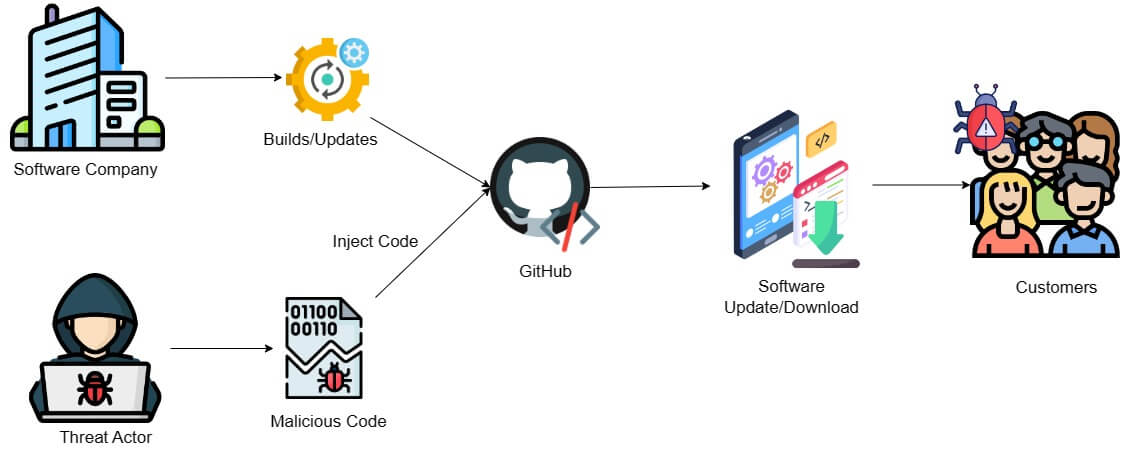
Before connecting any exchange account or transferring capital, perform several secuity checks. First, confirm domain and app authenticity by cross-referencing the official company website with app-store publisher names and checking for HTTPS certificates on all login pages. Second, verify that the company discloses a legal entity, registered address, and identifiable leadership team rather than hiding behind anonymous Telegram handles. Third, inspect the fee schedule for transparent breakdowns of subscription costs, performance fees, and withdrawal charges; hidden or conditional fees often signal predatory structures. Fourth, scrutinize performance claims for realism: any bot promising guaranteed ROI percentages, "AI that cannot lose," or audited results from unverifiable third parties should trigger immediate skepticism. Fifth, test withdrawal friction by initiating a small test withdrawal; legitimate platforms process requests within stated timeframes without requiring additional referrals or deposits to "unlock" funds. Sixth, survey third-party reputation through independent review aggregators, Reddit threads, and Trustpilot ratings that predate your discovery of the platform.
Red-flag claim patterns specific to trading bots include phrases such as "99% win rate," fabricated screenshots of TradingView charts with unrealistic equity curves, pressure to recruit others through referral schemes that pay more than trading profits, and promotional content that emphasizes lifestyle over strategy mechanics. If you suspect fraud after connecting an account, halt all new deposits, revoke API keys from both the exchange’s security settings and the bot dashboard, change your exchange password and enable a new two-factor authentication seed, contact your exchange’s support team to flag unauthorized activity, and preserve all transaction logs, email correspondence, and screenshots of the bot interface for potential legal or regulatory reporting.
Account Compromise
Bot users face compromise paths that differ from typical exchange account attacks because the bot platform itself is an extra attack surface. The most likely breach vectors include API key leakage through insecure storage in plaintext configuration files or browser localStorage, OAuth or session hijacking when logging into bot dashboards over unencrypted networks; phishing campaigns that impersonate the bot provider and harvest exchange credentials, and compromised devices running the bot software infected with keyloggers or screen-capture malware. An attacker who obtains trading-only API permissions can execute market orders that drain your account through forced liquidations or buying illiquid altcoins at inflated prices, but they cannot directly withdraw funds to an external wallet. In contrast, withdrawal-enabled API access allows instant capital theft, making it the highest-priority permission to restrict.
Overfitting
For AI tools in particular, data overfitting reveals itself through several concrete indicators visible in a bot’s backtest report, even to non-statisticians. First, parameter bloat: strategies with more than five or six adjustable inputs often memorize historical noise rather than capturing robust patterns. Second, unstable equity curves that show smooth exponential growth interrupted by sudden catastrophic drawdowns suggest the model exploited a temporary regime that no longer exists. Third, performance concentrated in fewer than ten high-impact trades means the strategy’s edge depends on rare events unlikely to repeat with the same timing or magnitude. Fourth, extreme sensitivity to small parameter changes signals that the bot is curve-fitted to historical accidents rather than structural inefficiencies.
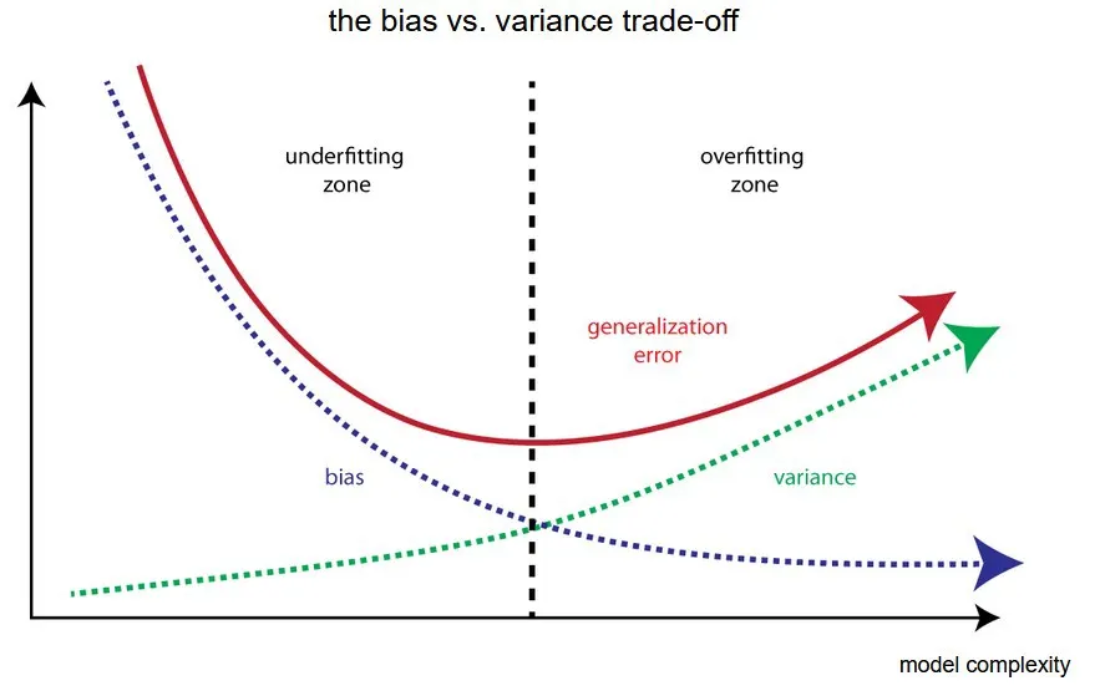
To guard against these failure modes, implement a minimum validation stack aligned with the workflow of backtesting, paper trading, and live execution: out-of-sample testing, walk-forward or rolling-window testing, parameter perturbation, and realistic fee/slippage assumptions.
Slippage and Liquidity
Slippage, or the difference between the expected price of a trade and the actual executed price, stems from four interacting factors you can model even without institutional tooling. Order types determine immediacy versus control; position size relative to typical volume dictates market impact; spread width acts as a baseline cost; and volatility multiplies all these effects.
Paper trading versus live execution consistently shows discrepancies because simulated fills assume infinite liquidity at the last traded price, whereas real order books require you to cross the spread and may only offer partial fills.
Market Regime Shifts
Trading bots trained or optimized during one market regime often fail catastrophically when the underlying structure changes. Volatility expansion or contraction breaks strategies calibrated to stable standard deviations; correlation spikes eliminate diversification benefits; news and event risk inject discontinuous price jumps that bypass stop-loss orders; and structural changes like fee adjustments or delistings can render a strategy unviable.
To implement regime guardrails, track a volatility proxy, peak-to-trough drawdown thresholds, win-rate drift, and sudden trade-frequency changes, each mapped to predefined actions (reduce size, pause, or switch presets).
API Permission and Key Management
Exchange and broker APIs offer granular permission scopes, and choosing the safest default significantly reduces the damage in the event of key leakage. Most platforms distinguish between read-only access, trade permissions, and transfer/withdrawal permissions. The safest operational default restricts bot API keys to read and trade only.
IP whitelisting, when supported, restricts API key usage to predefined IP addresses. Plan your deployment model before enabling IP restrictions to avoid operational lockouts.
Proper API key handling follows a lifecycle that balances security and operational continuity: create separate keys per bot, label keys, apply least privilege, rotate on schedule, revoke on suspicion, and avoid sharing keys across extensions or third-party tools. To rotate keys without downtime, create a new key, update the bot, confirm functionality, then revoke the old key.
Custody Model
Choosing between non-custodial API-connected bots and custodial bots that hold your funds represents a trade-off between convenience and counterparty risk. If minimizing catastrophic loss is your priority, default to non-custodial bots with withdrawal permissions disabled, keep only working capital on the connected exchange, and sweep profits periodically to cold storage.
Enable 2FA at both the exchange and bot-platform level to create defense in depth. Prefer authenticator apps or hardware keys over SMS-based 2FA where possible. Store recovery codes securely and test recovery workflows before you need them.
Disabling API withdrawal permissions is the first line of defense, but additional controls provide layered protection: address whitelisting, time locks, and per-day withdrawal limits. A secure operating pattern keeps only working capital on the exchange and sweeps profits periodically to cold storage or a separate vault account.
Conclusion
In practice, successful algo trading, whether AI powered or not, requires more than “a bot”: you need a reliable trading engine, clear logs, and disciplined guardrails that keep automation from compounding mistakes.
Whether or not you are going to empower your crypto investing with AI, the knowledge in ChangeHero blog can be of big help! If you prefer more digestible content, subscribe to ChangeHero in social media: X, Facebook, & Telegram
Frequently Asked Questions
What is the Best AI Trading Bot for Cryptocurrency Trading?
The “best” AI trading bot depends on your needs and skill level. Beginners should try Coinrule for its easy interface. Intermediate traders might prefer 3Commas for its balance of features and usability. Advanced traders who want full customization should look at Trality AI assisted stock trading with its Python code editor. Consider your technical skills, budget, and trading goals when choosing the best AI automated trading bot for yourself.
Is AI bot trading profitable?
AI trading bots can be profitable, but consistent gains require verifiable track records, realistic assumptions, and proper risk controls.
Algorithmic trading accounts for the majority of trading volume in major markets, establishing high standards for execution quality and creating competitive conditions that affect retail bot performance. Positive expectancy (average win ÷ average loss) matters more than win rate; a bot with 70% win rate can lose money if its losing trades are disproportionately large.
Which AI trading bots are free?
Free trading bots exist in four distinct categories—free trials, freemium models, open-source projects, and exchange-native tools—each with different cost structures and capability limits. Free trials provide full features for limited time (typically 7-30 days), allowing complete strategy testing before subscription commitment. Freemium models offer basic automation permanently but restrict advanced features like backtesting, multiple simultaneous strategies, or priority execution. Open-source bots eliminate licensing costs but transfer full security responsibility, hosting expenses, and troubleshooting burden to the user.
Are AI trading bots safe to use?
Trading bot safety requires layered defenses separating vendor security (platform architecture) from user controls (API permissions, device hygiene, and incident response plans). Upon detecting suspicious activity, immediately revoke all API keys through your exchange dashboard, freeze withdrawals if the platform supports it, review the last 48 hours of order history for unauthorized trades, contact both exchange support and bot vendor simultaneously with timestamps, download complete transaction logs for tax reporting and potential fraud claims. Document everything with screenshots before APIs disconnect.
How Do I Choose the Right AI Trading Tool for My Needs?
When picking an AI trading tool, consider: your experience level (beginners still need user-friendly interfaces), your budget (many platforms offer free tiers but reserve better features for paid plans), strategy complexity (some support custom strategies, others focus on simplicity), exchange compatibility, must-have features, security measures, and available support. Test a platform’s free tier or trial version before paying for a subscription.
Are AI trading bots good for beginners?
Beginners can safely operate trading bots by starting with paper trading, implementing position size caps, and requiring manual confirmation during the first week of live operation. "No-code" bot builders eliminate programming requirements but still demand understanding of risk controls, fee structures, break-even calculations, and when to intervene manually.
Can AI trading bots make money trading crypto?
Cryptocurrency markets suit algorithmic trading due to 24/7 operation, API-first exchanges, and volatility, but success requires matching bot strategy types to current market conditions and implementing proper custody controls. Crypto exchanges provide comprehensive REST and WebSocket APIs enabling sophisticated automation without requiring specialized broker relationships.
How Can AI Help Make Money in Crypto Markets?
AI does help make money in crypto through several key advantages: identifying patterns humans might miss, executing trades with perfect timing, removing emotional decisions, and working non-stop. The best AI to make money combines powerful analysis with careful risk management. AI trading tools can spot opportunities across different markets simultaneously, from spot trading to AI futures trading. Some specialized AI arbitrage bot programs can even profit from price differences between exchanges with minimal risk.
It even goes beyond these tools: investors willing to bet on the technology hold tokens of projects that make use of AI one way or another, and we have reviewed the best AI cryptocurrency projects in a guide before.
What do I need to use an AI trading bot?
Trading bot deployment requires verifying API compatibility, authentication security, supported order types, and rate limits through sandbox testing before connecting live accounts. Confirm the platform provides: REST API documentation with endpoint specifications, authentication method, supported order types including market, limit, stop-loss, and stop-limit at minimum, time-in-force options, position mode configuration, documented rate limits per endpoint, and sandbox/testnet environment.
How To Use AI to Trade Crypto Effectively?
Learning how to trade with AI successfully requires understanding both trading fundamentals and how artificial intelligence for trading works. Start by educating yourself on basic trading concepts, then explore how AI enhances these strategies. Begin with simulated trading before using real money. When using ai for trading crypto or stocks, start with conservative settings and gradually optimize based on results. Using ai to buy and sell stocks requires connecting to supported brokerages and setting appropriate risk parameters. Remember that you’re still responsible for monitoring performance and making adjustments.
What Are AI Algorithms for Stock Trading?
AI algorithm for stock trading typically involves machine learning models trained on historical market data. These range from statistical approaches to deep neural networks that identify patterns in price movements. A machine learning trading algorithm can adapt to changing market conditions by continually learning from new data. Similar techniques apply when learning how to use AI for crypto trading. The most effective AI algorithms for stock trading combine technical indicators, volume analysis, sentiment data, and sometimes fundamental metrics to make trading decisions.
Risk Disclaimer and Automation Realities
Automation accelerates both gains and losses: a poorly configured bot can execute dozens of losing trades in minutes, amplifying drawdown far faster than manual trading permits. Performance of any AI trading bot depends heavily on prevailing market conditions—strategies that thrive in trending, high-liquidity environments often fail during low-volume consolidation or extreme volatility shocks. No backtest guarantees future results, and even rigorously forward-tested systems can encounter black-swan events or structural market changes that invalidate their assumptions. You must start with small position sizes, enforce strict risk management rules including daily loss limits and per-trade stop-losses, and maintain the discipline to pause or shut down the bot when performance deviates from expectations. The 2022 3Commas API key phishing attack reinforces the importance of using API keys with minimal permissions, enabling two-factor authentication, restricting IP addresses, and never granting withdrawal rights to third-party software.