
Best Altcoins for Next Bull Run: Top Crypto Picks for 2026


Important Disclaimer
This article is provided for educational and informational purposes only. Nothing in this guide constitutes financial advice, investment recommendations, or an offer to buy or sell securities. Cryptocurrency investments are highly speculative and carry substantial risk, including the potential loss of your entire investment.
Before making any investment decisions, you should:
- 🔘 Conduct your own thorough research
- 🔘 Consult with a qualified financial advisor who understands your personal financial situation
- 🔘 Understand that past performance does not guarantee future results
- 🔘 Be aware that cryptocurrency markets are extremely volatile and can experience significant price swings in short periods
- 🔘 Only invest what you can afford to lose completely
The cryptocurrency market is largely unregulated in many jurisdictions. Regulatory changes can occur suddenly and may significantly impact the value and legality of digital assets. Tax obligations vary by jurisdiction and can be complex—consult a tax professional familiar with cryptocurrency taxation in your country.
By the way, when researching the best altcoins to buy now, remember that market conditions change rapidly. What appears promising today may face unexpected challenges tomorrow due to technological issues, security vulnerabilities, regulatory actions, or shifting market sentiment.
Contents
- 1. Introduction
- 2. When is the Next Crypto Bull Run Expected?
- 3. Methodology for Selecting the Best Altcoins
- 4. Top High-Cap Altcoins for the Next Bull Run
- 5. Mid-Cap Altcoins with Explosive Potential
- 6. Finding the Best Low-Cap Altcoins and Hidden Gems
- 7. How to Find Altcoins To 10x–1000x in the Next Bull Run
- 8. Sector-Specific Altcoin Opportunities
- 9. Investment Strategies for Bull Run Success
- 10. Market Timing and Entry Strategies
- 11. Risk Management and Exit Strategies
- 12. Tools and Platforms for Altcoin Research
- 13. Expert Insights and Market Predictions
- 14. Conclusion
Introduction
Current Market Landscape and Bull Run Indicators
The crypto market in 2025 looks fundamentally different from previous cycles—and that's a good thing. Institutional adoption has reached levels that would've seemed impossible just a few years ago. Spot Bitcoin ETFs now manage over $115 billion in assets. A 2025 survey revealed that 76% of global investors plan to increase their digital asset exposure, and nearly 60% expect to allocate over 5% of their assets under management to crypto.
Photo by Rostislav Uzunov on Unsplash
Bitcoin is not the only winner in this situation: cumulatively, altcoins currently represent approximately 41% of the total cryptocurrency market capitalization, and have stayed at this dominance (share of the total crypto market cap) rate quite consistently for the past year. This share of the $3 trillion crypto market is spread across over 14,000 coins and tokens, which in turn makes it so much more challenging to pick the best altcoin for the next bull run.
Bitcoin's fourth halving occurred on April 19, 2024, reducing the block reward from 6.25 to 3.125 BTC. Historically, halvings have preceded bull markets by several months; however, multiple reputable sources have speculated based on analysis and research that this market cycle can be different. Reduced volatility in BTC combined with macroeconomic factors have led to the price appreciation up to the current all-time high of $126,198 (CMC) to be at a more modest growth rate compared to previous post-halving bull runs (compare: +690% over 35 months between December 2022 bottom and October 2025 peak vs. 2,036% over the same time frame in 2019–2021). Altcoins tend to follow the Bitcoin wave, as history shows, with a handful of highlights significantly outperforming BTC.
Regulatory clarity has also improved dramatically. Europe's Markets in Crypto-Assets Regulation (MiCA) came into force on June 30, 2024, providing a unified regulatory framework. In the United States, the GENIUS Act establishing a federal regime for stablecoins passed the Senate in June 2025. This regulatory progress removes uncertainty that previously held institutional capital in the U.S. and EU back.
Why Timing Matters in Crypto Bull Markets
Before you assume, timing isn't about predicting exact price tops or bottoms but about recognizing and positioning yourself accordingly with market phases. Bull runs happen fast in crypto. Really fast. Assets that took months to accumulate can double or triple in weeks during peak altcoin season.
Timing matters specifically for altcoins: they typically underperform Bitcoin during the early phases of a bull market. Bitcoin dominance tends to rise first as new capital flows into the "safest" crypto asset. Only after Bitcoin makes significant gains do investors rotate profits into altcoins. That rotation is what triggers "altcoin season."
Historically, altcoin seasons have typically started when Bitcoin's market dominance falls below 60%. This pattern creates a relatively predictable opportunity window. If you buy the top 10 best altcoins for the next bull run too early in Bitcoin's dominance phase, you might watch Bitcoin surge while your altcoins stagnate. Buy too late, and you've missed the explosive initial moves.
The 2021 bull run demonstrated this perfectly. Bitcoin peaked in April 2021, but many altcoins continued rallying through November as Bitcoin dominance dropped from over 70% in January 2021 to below 40% by May. Those who recognized this rotation captured extraordinary gains.

Photo by Sable Flow on Unsplash
Another timing consideration: project development cycles. The best altcoins to accumulate are those approaching major technical upgrades or ecosystem launches during a bull market. These catalysts amplify gains when overall market sentiment is positive. For example, Ethereum's transition to Proof-of-Stake in September 2022 reduced its energy consumption by 99.95%, fundamentally improving its long-term value proposition.
Understanding Altcoin Cycles and Bitcoin Dominance
It’s worth it to dwell a bit more on these metrics. Bitcoin dominance, for instance, is the single most important one for understanding altcoin cycles. Think of it like a pendulum swinging between two states: Bitcoin accumulation and altcoin season.
During Bitcoin accumulation phases, dominance rises. New money enters crypto through Bitcoin first because it's the most recognized, liquid, and "least risky" crypto asset. Trading volumes concentrate on BTC pairs. Altcoins generally consolidate or decline relative to Bitcoin's performance.
Then the pendulum swings. As Bitcoin's price stabilizes or enters distribution, early investors take profits and rotate capital into altcoins seeking higher percentage gains. Bitcoin dominance falls, sometimes dramatically. This is altcoin season—when quality altcoins can outperform Bitcoin by 2x, 5x, or even 10x.
The cycle doesn't mean Bitcoin's price crashes during altcoin season. Often, Bitcoin continues rising, just at a slower pace than altcoins. The dominance metric captures this relative performance shift. When you see Bitcoin dominance consistently falling while the total crypto market cap grows, that's your signal that capital is flowing aggressively into altcoins.
But here's a detail worth keeping in mind: not all altcoins perform equally during these cycles. Different categories lead at different times. Layer 1 blockchains might surge first as investors seek "the next Ethereum." Then DeFi tokens rally as protocols capture real usage. Gaming and metaverse tokens might follow as retail interest peaks. Understanding these rotation patterns within altcoin season helps you position in the right projects at the right time.
In 2025, the market showed interesting category dynamics. Total value locked (TVL) in DeFi protocols reached approximately $89 billion. A bit earlier, GameFi captured significant attention with the sector's market capitalization reaching $23.6 billion during 2024. Notably, over 75% of new crypto users entered Web3 through gaming, suggesting GameFi tokens could lead retail interest in the next phase.
Real-World Asset (RWA) tokenization represents another persistent narrative, with Ethereum hosting 65.73% of the sector's value at $14.4 billion (Source: RWA.xyz). These sector rotations create opportunities if you can identify which narratives are gaining institutional and developer attention before they reach peak retail hype.
The key takeaway: successful altcoin investing isn't just picking good projects. Positioning in those projects when Bitcoin dominance patterns and market timing favor altcoin outperformance matters even more. That's the foundation for identifying and profiting from the best altcoins for the next bull run.
When is the Next Crypto Bull Run Expected?
Bull Run Predictions for 2026

Let’s get straight to what matters most: the next major crypto bull run is widely expected to potentially continue into 2026, driven by Bitcoin's fourth halving event that set the stage for a supply squeeze that historically precedes significant price appreciation.
Here's why this timeline makes sense. Bitcoin's MVRV (Market Value to Realized Value) Ratio stands at approximately 1.9 in late January 2026—significantly below the historical cycle peak threshold of 4.0. In simple terms, this metric suggests the market is far from the euphoria levels; there's substantial room for growth before we hit typical bull run peaks.
The institutional wave adds another compelling layer. By 2025, spot Bitcoin ETFs were managing over $115 billion in assets, representing unprecedented mainstream adoption. When traditional finance players commit this level of capital, it creates sustained upward pressure rather than the quick boom-and-bust cycles we saw in earlier crypto eras.
But timing the exact peak? That's where it gets trickier. Historical patterns suggest bull runs typically last 12–18 months after a Bitcoin halving, which would put the strongest momentum phase somewhere in mid-2025 through early 2026. Evidently, if the late 2025 price surge was not the full extent of it, another leg up should happen rather soon. The best altcoins to buy now are positioning themselves within this window, anticipating the institutional capital flow that follows Bitcoin's initial surge.
Key Market Signals and Technical Levels to Watch
When to search for the top 10 best altcoins for the next bull run? Monitor these signals to help you navigate the cycle rather than simply hope for the best.
Critical Market Indicators:
| Signal Type | What to Monitor | Bull Run Indicator | Current Context (2026) |
|---|---|---|---|
| Bitcoin Dominance | BTC's share of total crypto market cap | Falls below 60% | Historically triggers altcoin season |
| MVRV Ratio | Market value vs realized value | Above 3.5–4.0 signals peak | ~1.9 (room to grow) |
| Institutional Inflows | ETF and institutional holdings | Sustained growth | $115B+ in spot Bitcoin ETFs |
| Regulatory Clarity | Major policy frameworks | Positive legislation | MiCA in EU, GENIUS Act in US |
| On-Chain Activity | Transaction volume and active addresses | Consistent increases | DeFi TVL at ~$121.5B |
Bitcoin halving cycles remain the most reliable historical pattern, even when challenged as right now. The fourth halving in April 2024 kicked off what many analysts view as the current bull cycle's foundation. Previous halvings in 2012, 2016, and 2020 all preceded major bull runs within 12–18 months—a pattern that's held remarkably consistent.
Institutional adoption metrics matter more than ever. Traditional investors don't chase quick pumps—they build long-term positions. This creates a more sustained bull run compared to retail-driven cycles. Regulatory clarity indicators likewise have removed uncertainty that previously kept institutional capital on the sidelines.
Macroeconomic factors tie everything together. When traditional markets face inflation concerns or banking instability, crypto benefits from its position as an alternative asset class. The $46 trillion in stablecoin transaction volume during 2025—a 106% increase that nearly rivaled the ACH network's volume—shows how crypto infrastructure is rivaling traditional payment systems.
Altcoin Season Timing and Historical Patterns
As mentioned before: altcoin seasons don't start immediately when Bitcoin pumps. They follow a predictable sequence that savvy investors watch carefully.
The pattern usually unfolds like this: Bitcoin leads the initial rally, establishing new highs and attracting mainstream attention. Once Bitcoin stabilizes or consolidates, capital rotates into major altcoins (Ethereum, Solana, and other large-cap projects). Finally, smaller altcoins experience explosive growth as retail investors chase higher returns.
The 2017 and 2021 cycles demonstrated this rotation clearly. In both cases, Bitcoin reached new all-time highs several months before altcoins peaked. The altcoin euphoria phase typically lasted 2–4 months, with some projects gaining 10x–100x during the peak window.
What makes 2026 different? The institutional involvement creates more sustained momentum rather than sharp spikes. When professional fund managers allocate to crypto, they research fundamentals and build diversified portfolios that include quality altcoins. This suggests the upcoming altcoin season could be more measured but potentially longer-lasting than previous cycles.
On the other hand, the sheer number of altcoins means competition for capital is intense. Projects with real utility, strong communities, and institutional backing will likely outperform meme coins and speculative plays.
The important detail is timing your research and entry points. The best altcoins to buy now are those positioned to benefit from institutional adoption trends, regulatory clarity, and genuine technological innovation. As Bitcoin dominance eventually declines and capital seeks higher returns, projects solving real problems—like Chainlink securing over $100 billion in DeFi value—will capture disproportionate attention.
Understanding these patterns helps you identify opportunities before the crowd arrives. The next bull run is unfolding now, and the altcoin season component appears positioned for mid-to-late 2025 based on historical timing and current market signals.
Methodology for Selecting the Best Altcoins
Choosing the best altcoins to buy now isn't about following hype or chasing social media trends, as you will see in our picks. It's about using a structured framework that separates promising projects from noise. In simple terms, successful altcoin selection combines fundamental strength, technical momentum, and smart risk management.

Photo by Sasun Bughdaryan on Unsplash
The methodology we use balances institutional-grade analysis with practical tools accessible to everyday investors. As of 2026, institutional crypto adoption reached new levels; the big players are using systematic selection methods, and you can borrow the same logic.
Evaluation Criteria for Bull Run Winners
What separates bull run winners from the rest? It comes down to measurable fundamentals, not guesswork.
Real-World Utility and Adoption Metrics
First, look for projects solving actual problems. Does the blockchain improve transaction speed? Does the protocol enable real financial services? For example, Chainlink's oracle infrastructure is a shining example of utility that you can measure.
Development Activity and Team Credentials
Active development means the project is alive and evolving. Check GitHub commits, update frequency, and whether the roadmap stays on schedule. Projects with consistent development activity tend to maintain value during market downturns and surge during bull runs.
Liquidity and Exchange Support
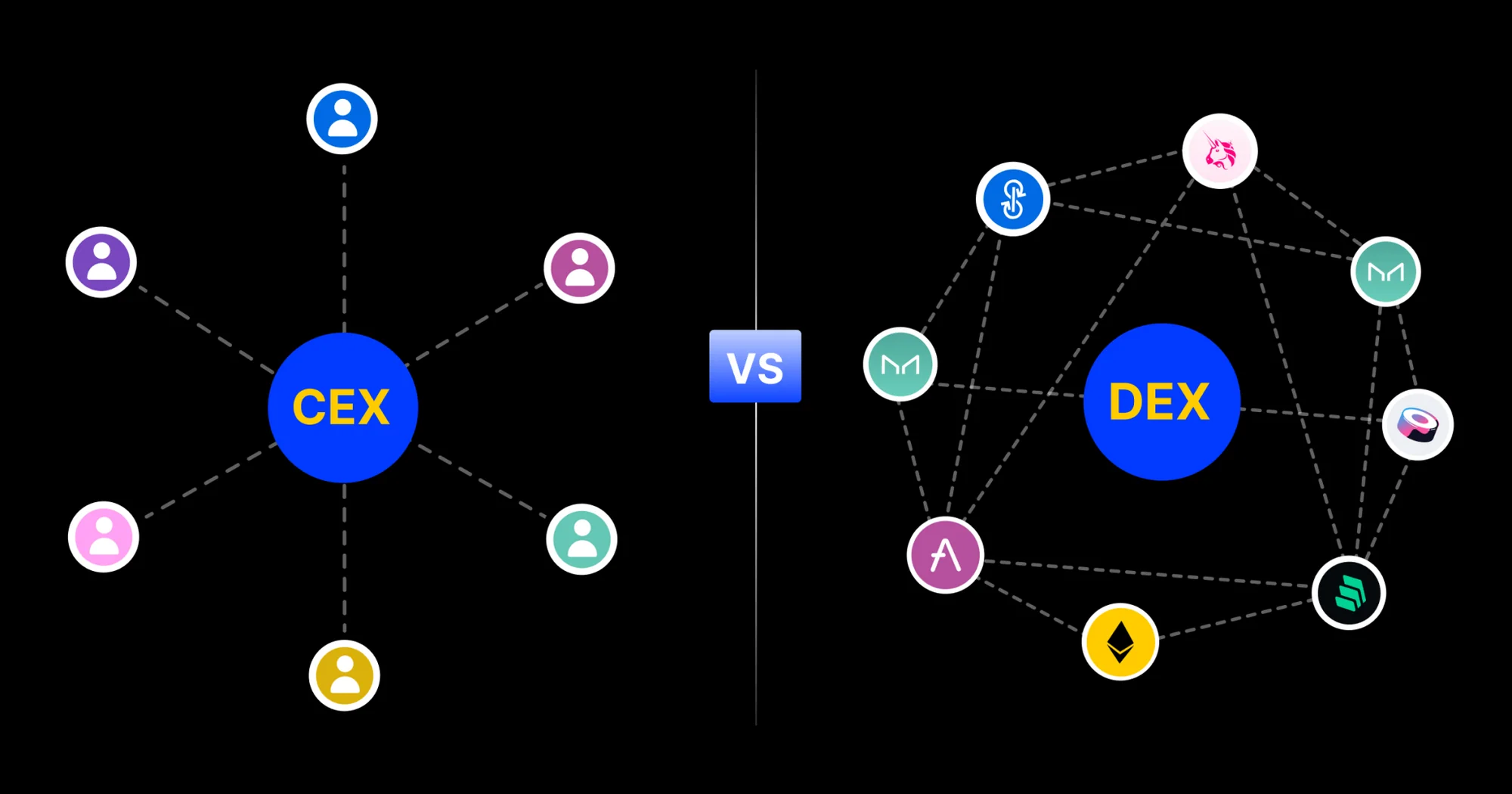
A coin might have brilliant technology, but if it only trades on obscure exchanges with low volume, you'll struggle to enter or exit positions. Look for projects listed on major centralized exchanges (CEXs) or with deep liquidity on decentralized exchanges (DEXs). Trading volume matters—it signals real market participation.
Tokenomics and Supply Mechanics
Understand how many tokens exist, how they're distributed, and what the inflation schedule looks like. Projects with reasonable token supplies and clear vesting schedules for team tokens tend to perform better. High inflation or concentrated holdings create selling pressure that caps price growth.
Regulatory Compliance
Here's something often overlooked: regulatory positioning. Projects that proactively adapt to regulations such as the MiCA or GENIUS frameworks have better survival odds.
Risk Assessment Framework for Altcoin Selection
Every altcoin carries risk; it comes with the risk-reward territory, after all. The question is: can you measure and manage it?
Volatility Assessment
Altcoins are volatile by nature, but some are wilder than others. Memecoins, for instance, comprised 5–7% of the total crypto market cap in mid-2025, representing approximately $80–90 billion. That's significant capital, but these tokens swing dramatically based on sentiment alone (since there are little to no fundamentals in these assets).
Compare that to established Layer 1 blockchains with proven track records, such as Ethereum. Established projects typically show lower volatility relative to speculative tokens.
Smart Contract and Security Risks
Technical vulnerabilities can kill projects overnight. Before investing, verify whether the protocol has undergone professional security audits. Has it faced exploits? How did the team respond? Projects with transparent security practices and bug bounty programs demonstrate maturity.
Market Dependency Analysis
Most altcoins correlate with Bitcoin's movements, but the degree varies. Nevertheless, Bitcoin’s dominance falling under 60% is a metric worth watching in any case. Understanding these patterns helps you time entries and exits.
Liquidity Risk
Can you sell when you need to? Low-cap altcoins might promise 10x returns, but if there's not enough buy-side liquidity, you're stuck holding during downturns. Always check 24-hour trading volume relative to market cap to get the idea of how liquid a token is.

Photo by Daniele Levis Pelusi on Unsplash
Market Cap Analysis and Growth Potential
Market capitalization tells you where a project stands and what realistic growth looks like.
General Market Cap Categories
- Large-cap (over $10 billion): Established leaders like Ethereum and Solana. Lower risk, but also more limited upside—think 2–5x potential rather than 100x.
- Mid-cap ($1–10 billion): Projects like Polygon or Chainlink that have proven use cases but still room to grow. Balanced risk-reward.
- Small-cap (under $1 billion): Higher risk, higher potential reward. Require deeper due diligence.
Growth Potential Calculation
Here’s practical math: if a $500 million market cap project grows to match a $5 billion competitor, that's a 10x return. But ask yourself—does it have comparable technology, adoption, and team strength? If not, the comparison is wishful thinking.
As of 2026, altcoins are a crowded field. Market cap analysis helps you focus on projects with realistic paths to growth.
Sector-Specific Considerations
Different sectors show different growth trajectories. The GameFi sector's time might have started and ended in 2024, but Total Value Locked (TVL) in DeFi protocols has exceeded $120 billion as of 2026. Sector dynamics are another signal that will help you position within growing markets.
To summarize, combine fundamental strength checks, quantifiable risk assessment, and realistic market cap analysis. That's how you separate the top 10 best altcoins for the next bull run from the thousands of projects that won't survive the cycle.
Top High-Cap Altcoins for the Next Bull Run
When investors ask which established cryptocurrencies offer the best risk-reward balance heading into the next bull cycle, three names consistently rise to the top: Ethereum, Solana, and Cardano. Sure, these are no longer speculative moonshots—they're battle-tested Layer 1 blockchains with real ecosystems, substantial developer activity, and proven track records. Let’s break down why each of these platforms belongs in any serious conversation about the best altcoins to buy now.
Ethereum (ETH) - The Smart Contract Leader
Ethereum remains the undisputed heavyweight champion of smart contract platforms. It's not the fastest or cheapest blockchain anymore, but it commands the deepest liquidity, the most developers, and the strongest network effects. Think of it as the New York City of crypto—expensive real estate, but everyone still wants to build there.
Ethereum's upgrade story didn't end with transition to Proof-of-Stake. By 2026, Ethereum has evolved into a multi-layered ecosystem. The base chain handles security and settlement while Layer 2 solutions like Arbitrum and Base handle everyday transactions. This architecture solves Ethereum's historical pain point: scaling without sacrificing decentralization.
Here's what that looks like in practice: the base layer processes roughly 15–30 transactions per second, but Layer 2 networks multiply that capacity dramatically. In 2024, the year it launched, Base's TVL grew over 400% to $4.32 billion, demonstrating how effectively these solutions scale Ethereum's reach.
The result? Users get near-instant transactions with minimal fees, while Ethereum's security anchors everything. Nevertheless, even with the bustling L2 ecosystem, Ethereum developers still strive for better scalability for the layer-one. It's the best of both worlds—something that positions ETH as one of the top 10 best altcoins for next bull run considerations.
Source: CoolWallet
Speaking of the ecosystem as a whole, Ethereum's advantage becomes undeniable when it comes to decentralized finance (DeFi). As of 2026, Ethereum still hosts the overwhelming majority of the capital locked in these protocols, as well as leads in the Real-World Asset (RWA) tokenization ecosystem—a sector attracting serious institutional interest.
Why does this matter? Because DeFi represents real, measurable utility. Billions of dollars flow daily through Ethereum-based lending protocols, decentralized exchanges, and yield farming platforms. Every major institutional player exploring blockchain infrastructure starts with Ethereum compatibility. That network effect creates a powerful moat that competitors struggle to breach.
Solana (SOL) - The High-Performance Blockchain
If Ethereum is New York, Solana is Dubai—hyper-efficient, futuristic, and built for speed. Since recovering from its 2022 network instability issues, Solana has emerged as the performance leader in the Layer 1 race.
The numbers tell a compelling story: Solana can process over 65,000 transactions per second, making it approximately 2,000 times faster than Ethereum's base layer. Average transaction costs hover around fractions of a cent, even during peak network activity.
This isn't just theoretical throughput. Solana handles real volume: millions of transactions daily from DeFi protocols, NFT marketplaces, and consumer applications. For projects requiring high-frequency trading, gaming mechanics, or micro-transactions, Solana's architecture simply works better than many alternatives.
The practical impact? Applications that would be economically impossible on other chains thrive on Solana. Imagine trying to run a high-volume trading bot or a blockchain game with thousands of transactions per session on Ethereum's base layer. The gas fees alone would make most use cases unviable.
Speed means nothing without builders, and Solana's developer momentum in 2024–2025 has been remarkable. Major projects like Jupiter (decentralized exchange), Magic Eden (NFT marketplace), and numerous gaming platforms have chosen Solana as their home base.
The ecosystem now supports diverse use cases: DeFi platforms offering competitive yields, NFT projects with active communities, and consumer applications testing blockchain's limits. Developer tooling has matured significantly, making it easier for teams to build production-ready applications.
By the way, this growth happened despite Bitcoin's market dominance remaining elevated. When altcoin season arrives, Solana's combination of technical performance and ecosystem depth positions it for outsized gains.
Cardano (ADA) - The Research-Driven Platform
Cardano takes a different approach entirely: methodical, academic, and sustainability-focused. It's the blockchain equivalent of peer-reviewed research—slower to market, but built on rigorous fundamentals.
Every major protocol change on Cardano undergoes formal academic review before implementation. This means development moves deliberately, prioritizing correctness over speed. While this approach frustrates some who want rapid feature deployment, it creates confidence in the network's long-term stability.
The academic backing matters for institutional adoption. When enterprises evaluate blockchain infrastructure, they scrutinize security guarantees and formal verification. Cardano's research-driven methodology speaks directly to these concerns.
Cardano launched with Proof-of-Stake from day one, avoiding Ethereum's energy-intensive Proof-of-Work phase entirely. The network's energy footprint remains minimal—a significant consideration as environmental concerns increasingly influence institutional investment decisions.
Photo by Michael Förtsch on Unsplash
Sustainability extends beyond energy. Cardano's treasury system and governance model create mechanisms for long-term funding and community-driven development. This structural approach to longevity differentiates Cardano from projects dependent on venture capital or foundation reserves.
| Metric | Ethereum (ETH) | Solana (SOL) | Cardano (ADA) |
|---|---|---|---|
| Consensus Mechanism | Proof-of-Stake | Proof-of-History + Proof-of-Stake | Ouroboros Proof-of-Stake |
| Transaction Speed | 15–30 TPS (base layer) | 65,000+ TPS | ~250–1,000 TPS |
| Average Transaction Cost | $1–5 (base layer) | <$0.01 | ~$0.10–0.50 |
| Energy Efficiency | 99.95% reduction post-Merge | Low | Low (native PoS) |
| DeFi TVL (2025) | Dominant share | Growing rapidly | Developing |
| Developer Ecosystem | Largest overall | Fast-growing | Academic-focused |
| Primary Strength | Network effects, liquidity | Speed, low costs | Research rigor, sustainability |
Each of these platforms brings distinct advantages to the table. Ethereum offers unmatched liquidity and institutional trust. Solana delivers performance that unlocks new application categories. Cardano provides academic rigor and long-term sustainability.
Together, they represent the blue-chip layer of altcoin investment—established projects with proven staying power heading into the next bull cycle.
Mid-Cap Altcoins with Explosive Potential
Circling back to mid-cap altcoins, they sit in a sweet spot that many investors find compelling. They've already proven their technology and built active communities, but they still have significant room to grow during bull markets. Think of them as companies that have moved past the startup phase but haven't yet reached their full potential—they're established enough to reduce risk but young enough for substantial gains.
When we talk about mid-cap altcoins, we're generally looking at projects with market capitalizations between $1 billion and $10 billion. These tokens often see explosive growth during altcoin seasons because they combine proven fundamentals with enough volatility to deliver impressive returns.
Layer 1 Blockchain Contenders
Layer 1 blockchains are the foundation protocols that process transactions independently—they don't rely on another blockchain to function. Two mid-cap Layer 1s stand out as strong contenders for the next bull run.
Avalanche (AVAX) has carved out a reputation for speed and flexibility. The platform uses a unique consensus mechanism that allows it to finalize transactions in under a second while maintaining decentralization. That's important because many blockchains sacrifice decentralization for speed, or vice versa—Avalanche manages both.
What makes AVAX particularly interesting for the next bull run is its subnet architecture. Each subnet operates as a customizable blockchain within the Avalanche ecosystem, allowing developers to create specialized networks for specific use cases. This modular approach has attracted institutional interest and gaming projects that need high throughput without compromising security.
The AVAX token itself serves multiple purposes: validators must stake it to secure the network, users pay transaction fees in AVAX, and the subnet architecture requires it for deployment. This backs consistent demand in the utility coin as the ecosystem grows.
Polygon started as a scaling solution for Ethereum and has evolved into a comprehensive ecosystem for Web3 infrastructure. Here's the compelling part: in the first half of 2025, Polygon's total value locked (TVL) grew by 18% to over $1.06 billion while the broader DeFi TVL actually declined by 14%. That's growth against the trend—a strong signal.
The POL token powers this ecosystem through staking, governance, and transaction fees. What sets Polygon apart is its focus on real-world adoption. Major brands and institutions have built on Polygon because it offers Ethereum's security with dramatically lower costs and faster transactions.
For investors considering the best altcoins to buy now, Polygon's sustained growth during market downturns suggests resilience. The platform's expanding partnerships and consistent development activity make it a solid mid-cap contender for the next cycle.
DeFi and Web3 Infrastructure Plays

Photo by Brendan Beale on Unsplash
DeFi infrastructure tokens represent its metaphorical plumbing. These projects might not be as flashy as new blockchain platforms, but they're critical to how DeFi actually works—and that makes them attractive during bull runs when DeFi activity surges.
If DeFi is a building, Chainlink (LINK) is the internet wiring. The protocol connects smart contracts to real-world data through its oracle network, enabling everything from price feeds to weather data to power decentralized applications.
What makes LINK particularly relevant for the next bull run is the expansion into tokenization of real-world assets. As traditional finance increasingly experiments with blockchain technology, they need trusted data feeds, and Chainlink has become the industry standard. The token itself is used to pay node operators who provide data, creating a direct link between ecosystem growth and token utility.
Uniswap pioneered the automated market maker (AMM) model that now powers most decentralized exchanges. Instead of traditional order books, AMMs use liquidity pools where users can swap tokens instantly. Without exaggeration, this innovation fundamentally changed how DeFi works.
The UNI token gives holders governance rights over the protocol, including fee structures and treasury allocation. As DeFi activity increases during bull markets, trading volume on Uniswap typically surges. That means more demand for liquidity provision and increased protocol revenue.
Another major DeFi player, Aave operates as a decentralized lending protocol—think of it as a bank where the code manages deposits and loans instead of employees. Users deposit crypto to earn interest, while borrowers put up collateral to take loans. Aave consistently ranks among the top protocols by TVL for a reason.
The AAVE token serves multiple functions: it provides governance rights, can be staked to secure the protocol, and offers fee discounts. During bull markets, both lending and borrowing activity typically spike as traders need capital for new opportunities—directly benefiting platforms like Aave.
The Graph (GRT) indexes blockchain data and makes it easily queryable—essentially, it's a search engine for blockchains. Developers use The Graph to build applications that need to access on-chain data efficiently. As more sophisticated dApps launch during bull runs, demand for indexing services naturally increases.
GRT tokens pay indexers who organize blockchain data, curators who signal which data is valuable, and delegators who help secure the network. It's infrastructure that becomes more valuable as the entire crypto ecosystem expands.
Tokenomics Breakdown Table
| Token | Max Supply | Circulation at the time of writing | Primary Use Cases | Staking Available |
|---|---|---|---|---|
| AVAX | 720M | ~430M (60%) | Transaction fees, subnet deployment, validation staking | Yes (validators & delegators) |
| POL | - | ~10.5B | Transaction fees, staking, governance | Yes (validators & delegators) |
| LINK | 1B | ~700M (70%) | Node operator payments, data service fees | Yes (staking v0.2) |
| UNI | - | ~630M | Governance, fee policies | No (governance only) |
| AAVE | - | ~15M | Governance, protocol insurance staking, fee discounts | Yes (Safety Module) |
| GRT | - | ~10B | Indexer payments, curator signals, delegator rewards | Yes (indexers & delegators) |
These mid-cap altcoins represent established projects with proven technology and active ecosystems. They're not the highest-risk, highest-reward plays but they offer a compelling balance of growth potential and relative stability. For investors building a diversified portfolio ahead of the next bull run, mid-caps like these form a solid foundation that bridges blue-chip projects and speculative small-caps.
Finding the Best Low-Cap Altcoins and Hidden Gems
Low-cap altcoins represent some of the highest-risk, highest-reward opportunities in crypto—but they also come with serious challenges. While the best altcoins to buy now often include established names with proven track records, low-cap gems can deliver explosive returns during the next bull run if you know what to look for.
Given the longevity of smaller crypto projects, the landscape changes faster than a rating like ours can keep up. So, instead of attempting to pick “gems” that might not even make it to the next bull run, let us instead equip you with the knowledge to set noteworthy choices apart from the trash.
What Makes a Low-Cap Gem?
A true low-cap gem combines three core elements: genuine technological innovation, active community engagement, and a credible development team. Market capitalization alone doesn't tell the whole story. You need to evaluate whether the project solves a real problem and has a clear path to adoption.
First, look at the use case. Does this token power a functioning product or service? Projects with working prototypes and real-world utility almost always outperform those that exist only on paper. Second, examine the team's background. Anonymous teams aren't automatically red flags, but public, experienced developers with verifiable track records significantly reduce risk.
Third, assess community strength. GitHub activity matters more than follower counts—consistent code commits show active development, while social media hype can vanish overnight. A project with 100 engaged developers typically has better long-term prospects than one with 100,000 passive followers.
Fourth, analyze tokenomics carefully. Fair token distribution, reasonable vesting schedules, and clear utility mechanisms separate legitimate projects from potential rug pulls. If early investors or the team control over 50% of supply, that's a major warning sign.
Emerging Sectors with High Growth Potential
The top 10 best altcoins for the next bull run likely won't all come from the same sector—diversification across emerging narratives helps capture different growth cycles. Three sectors show particularly strong fundamentals heading into 2026.
The intersection of artificial intelligence and blockchain represents one of the fastest-growing narratives in crypto. These projects focus on decentralized AI training, data marketplaces, and machine learning model verification—solving real problems in AI development.
Strong projects in this category provide infrastructure for decentralized computing power, enabling AI developers to access GPU resources without relying on centralized cloud providers. Others create marketplaces where users can monetize their data while maintaining privacy through cryptographic proofs.
Look for projects with actual partnerships enabling tangible use of both technologies, published research papers, and working products—not just whitepapers promising future AI integration. Technical complexity is a feature here because it creates barriers to entry for copycat projects.

Photo by Carl Raw on Unsplash GameFi evolution continues beyond the play-to-earn model that defined the 2021 cycle. The strongest gaming projects now focus on actual gameplay quality rather than token mechanics alone. Successful examples include games with substantial player bases that exist independently of crypto speculation, plus blockchain infrastructure that enables true digital ownership of in-game assets.
When evaluating gaming tokens, prioritize projects with playable releases (even beta versions), engaged gaming communities and not just traders, and partnerships with established game studios. The next bull run will likely favor projects that attract traditional gamers, not just crypto-native players chasing yields.
Finally, real-world asset tokenization has emerged as a major institutional narrative. The RWA ecosystem has drawn significant institutional capital, with Ethereum hosting over 60% of the sector's value at $24 billion.
This sector includes tokenized real estate, treasury bonds, commodities, and private credit—essentially bringing traditional financial assets onto blockchain infrastructure. The appeal is clear: 24/7 trading, fractional ownership, and programmable compliance through smart contracts.
Low-cap opportunities exist in other, more specialized niches: platforms focusing on specific asset classes (like fine art or intellectual property), regional real estate tokenization, or infrastructure that connects traditional financial systems with blockchain networks. Projects with actual regulatory licenses and partnerships with established financial institutions carry significantly lower risk than purely crypto-native alternatives.
Presale and Early-Stage Projects
Presale and early-stage investments carry the highest risk in crypto. Many projects fail before launching, and some are outright scams. Only invest what you can afford to lose completely, and never more than 1–2% of your portfolio in any single presale.
Early-stage investments offer access before public listings, potentially securing lower entry prices. However, this comes with major drawbacks: no price history to analyze, limited liquidity, long vesting periods, and higher fraud risk. The tradeoff is substantial.
When presented with limited information, due diligence based on what is available becomes absolutely critical. Verify the team's identity through LinkedIn and previous projects. Review the smart contract code or hire an auditor—legitimate projects welcome security reviews. Check whether the token has actual utility or exists purely for speculation. Examine the vesting schedule for founders and early investors—immediate unlocks often signal pump-and-dump schemes.
Opposite to that, avoid projects making unrealistic promises (guaranteed returns, "can't lose" messaging), those with anonymous teams and no working product, and any presale requiring you to send funds to personal wallets rather than verified smart contracts. These are clear red flags.
The safest approach to early-stage investing? Just wait for public listings on reputable exchanges. Yes, you miss the earliest gains, but you also avoid the majority of scams and failed projects. If you do participate in presales, treat it as venture capital: expect most investments to fail while hoping a few succeed dramatically.
How to Find Altcoins To 10x–1000x in the Next Bull Run
Finding altcoins with explosive growth potential—10x to 1000x returns—is part research, part pattern recognition, and part understanding what makes crypto markets move. Let’s break down how to spot these opportunities and what separates genuine potential from hype.

Photo by Alexander Grey on Unsplash
Identifying 1000x Potential Cryptocurrencies
True 1000x opportunities are rare, high-risk, and usually only obvious in hindsight. But they do share identifiable traits.
First, timing matters enormously. Projects that deliver 1000x returns typically enter the market during early bear cycles when attention is low and valuations are depressed. By the time the bull run arrives, they've built infrastructure, partnerships, and community momentum that explodes when capital flows back into crypto.
Second, these projects solve real problems in emerging sectors. Think about how DeFi protocols exploded in 2020–2021, or how gaming tokens captured attention as GameFi took off. That's where the next wave of explosive potential might hide—in sectors attracting new users.
Third, look at market cap positioning. A project with a $5 million market cap needs far less capital inflow to 10x than a $500 million project. The best altcoins to buy now for explosive potential typically sit between $1 million and $50 million market cap, have working products, and operate in growing narratives.
Fourth, watch for institutional validation. When venture capital firms invest during bear markets, they're betting on 2–3 year horizons. By 2025, institutional crypto adoption reached new levels, with 76% of global investors planning to increase digital asset exposure and nearly 60% expecting to allocate over 5% of assets under management to crypto. That capital seeks early-stage opportunities with massive upside.
Historical Analysis of Previous Bull Run Winners
Looking at previous cycles helps clarify what worked:
2017 Bull Run Champions:
- Ethereum grew from under $10 to $1,400
- NEO rose from around $0.15 to nearly $200
- Cardano climbed from a few cents to over $1
All were Layer 1 platforms launching during the 2015–2016 bear markets. They had active development communities, solved scalability or functionality problems, and entered the bull run with working testnets or mainnets.
2021 Bull Run Stars:
- Solana increased from roughly $1.50 to $260
- Terra (before its collapse) moved from under $1 to over $100
- Polygon jumped from fractions of a dollar to several dollars
The pattern here? These were 2019–2020 launches that addressed Ethereum's congestion problems. Solana's ability to process over 65,000 transactions per second, perfectly positioned it for the DeFi explosion.
Those now celebrated examples weren’t necessarily the most hyped before their pumps but the signs were certainly there. What unites them is they were or are projects solving tomorrow’s problems today.
Technology and Innovation Factors
Technology drives lasting value. Projects with genuine 1000x potential typically introduce:
Novel Consensus Mechanisms. New approaches to blockchain validation that improve speed, security, or decentralization. Solana’s Proof-of-History, underpinning its speed and throughput, is an example that illustrates this point well.
Interoperability Solutions. Cross-chain functionality becomes critical as blockchain fragmentation grows. Cosmos's 2025 IBC Eureka upgrade enabling direct asset bridging between Cosmos and Ethereum ecosystems addresses a major pain point .
Real-World Asset Integration. Projects building infrastructure for tokenizing real estate, commodities, or securities sit at the (rather lucrative) intersection of traditional finance and crypto.
Scalability Breakthroughs. Layer 2 solutions continue evolving. Base's TVL growth of over 400% is a direct consequence of real utility.
Market Adoption and Partnership Potential
Technology alone doesn't create 1000x returns—adoption does.
Track ecosystem growth metrics such as TVL: projects capturing meaningful percentages of TVL demonstrate real utility. For example, Polygon's TVL grew 18% to over $1.06 billion in early 2025 while broader DeFi declined 14%—a sign of resilience and increasing adoption.
Strategic partnerships matter enormously. When Chainlink's oracle infrastructure secured over $100 billion in value across DeFi applications, it validated the project's critical role in blockchain infrastructure.
Look for projects partnering with established enterprises, integrating with major protocols, or securing exchange listings on top-tier platforms. These signal institutional confidence and increase accessibility.
Community Support and Social Sentiment
Community strength often predicts survival and growth better than technology alone.
Strong communities show up in measurable ways: consistent GitHub activity, engaged social media following, active Discord channels, and organic content creation. Projects with 1000x potential typically have passionate early adopters who believe in the vision before mainstream attention arrives.
But here’s the critical distinction: genuine community differs from manufactured hype. Real communities discuss technology, share use cases, and build applications. Hype communities focus on price predictions and “wen moon” speculation.
Monitor developer ecosystem strength—projects attracting builders create long-term value. When developers choose a platform, they're betting time and reputation on its future.
The bottom line? Finding altcoins with 10x–1000x potential requires combining technological assessment, adoption tracking, and community evaluation. Focus on projects building during quiet periods, solving real problems in growing sectors, and attracting genuine user bases. That's where the next generation of explosive returns hide.
Sector-Specific Altcoin Opportunities
So far, we have discussed at length concrete examples and methods to find feasible options on certain categories. Building on that, let’s shift focus from the market capitalization valuations to niches that have potential in 2026.
When you're looking at the best altcoins to buy now, understanding the sectors driving real adoption makes all the difference. Each category serves a specific purpose in the crypto ecosystem, and the top 10 best altcoins for the next bull run often come from these high-growth sectors. Let’s break down where the opportunities are.
DeFi 2.0 and Yield Farming Innovations
These protocols have evolved significantly from the wild 2020–2021 era. Substantial institutional capital is betting on decentralized financial infrastructure.
The "DeFi 2.0" movement focuses on sustainable yield generation rather than unsustainable APY promises. Modern protocols prioritize liquidity depth, protocol-owned liquidity (where the protocol itself holds assets rather than relying purely on temporary liquidity providers), and real utility over pure speculation.
Protocols now integrate cross-chain functionality, allowing users to move assets seamlessly between networks. This reduces reliance on centralized bridges, which have historically been security weak points.
When evaluating DeFi tokens, look at actual usage metrics—transaction volume, unique active wallets, and developer activity. Projects building lending protocols, automated market makers (AMMs), and derivatives platforms with proven security audits tend to perform well during bull markets.
NFT and Gaming Token Ecosystem
The GameFi sector represents one of the fastest-growing entry points into crypto. Particularly, over half of Generation Z crypto portfolios are composed of GameFi tokens, and 75% of new crypto users enter Web3 through gaming.

Photo by Denise Jans on Unsplash
Gaming tokens offer self-evident utility: in-game purchases, governance rights, staking rewards, and NFT marketplace access. Unlike pure speculation tokens, gaming platforms create recurring engagement loops. Players earn tokens through gameplay, creating natural demand cycles.
Look for gaming projects with active daily users, not just promised features. Check if the game is actually playable. Strong communities, regular content updates, and partnerships with established gaming studios signal legitimacy. The best gaming altcoins for the next bull run will likely be those that successfully blend traditional gaming quality with blockchain-based ownership.
Layer 2 Scaling Solutions
Layer 2 solutions solve Ethereum's scalability challenge while maintaining security guarantees. These protocols process transactions off the main Ethereum chain, then settle batches back to Layer 1. The result? Dramatically lower fees and faster transaction speeds.
Explosive growth of the Base L2 network showed that users are actively choosing where to deploy capital based on performance and ecosystem development. Meanwhile, in the first half of 2025, Polygon's TVL grew by 18% to over $1.06 billion. This category demonstrates impressive resilience during a market contraction.
When evaluating Layer 2 tokens, examine transaction throughput, average fees, ecosystem adoption (how many dApps are building there), and bridge security. The winning Layer 2 solutions will be those offering the best developer experience combined with genuine cost savings for end users.
Cross-Chain and Interoperability Projects
Blockchain interoperability solves a fundamental problem: isolated networks can't communicate. Cross-chain protocols act as bridges, allowing assets and data to move between different blockchains. This matters because users want access to the best features across all chains without managing multiple wallets and native tokens.
In 2025, Cosmos introduced the IBC Eureka upgrade, enabling direct asset bridging between the Cosmos ecosystem and Ethereum. This represents a major technical achievement—connecting two fundamentally different blockchain architectures seamlessly.
Polkadot's parachain model and Cosmos's Inter-Blockchain Communication (IBC) protocol both enable this cross-chain future. While neither of these are in the low-cap territory, should you venture there, look for projects with proven bridge security (past hacks are red flags), active developer communities building cross-chain applications, and partnerships with multiple blockchain ecosystems.
In the context of RWA narrative, cross-chain protocols will be essential for moving these tokenized assets between traditional finance infrastructure and decentralized networks.
Meme Coins and Community-Driven Tokens
As of 2026, memecoins comprise 5–7% of the total crypto market cap, representing a value of approximately $80–90 billion. That's real money, not just internet references.
Meme coins thrive on community engagement, viral marketing, and cultural relevance. They operate differently than utility tokens—value comes from collective belief and social momentum rather than technical innovation. Successful meme coins create strong tribal identities, active social media presence, and (importantly) find ways to add utility over time.
The key distinction: community-driven tokens can evolve beyond memes, although this was more of a case in previous cycles (e.g. SHIB). Some develop actual use cases—governance systems, charitable initiatives, or ecosystem partnerships. Others remain purely speculative, and recently, we have been seeing more of this.
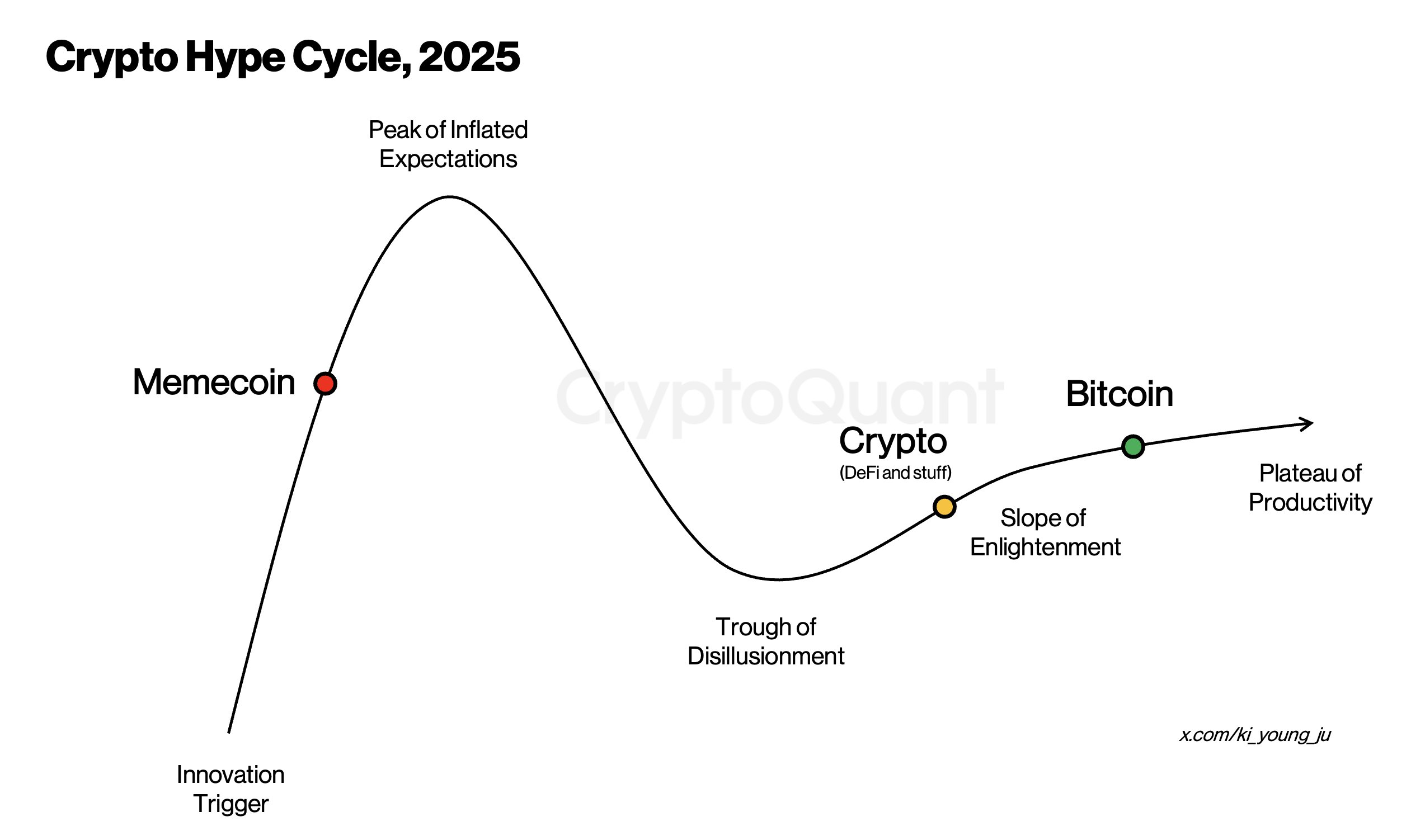
Source: Ki Young Ju on X
If you're considering meme coin exposure, you’d better treat it as high-risk, high-reward speculation. Never allocate more than you can afford to lose entirely. Watch for projects with transparent teams (even if pseudonymous), fair token distribution (no massive insider allocations), and genuine community enthusiasm (not just bot activity).
The best altcoins to buy now within this category will be those that have proven staying power beyond a single viral moment. Community tokens that build sustainable engagement loops and gradually add utility tend to survive multiple market cycles. But remember: the vast majority will not make it through the next bear market.
Investment Strategies for Bull Run Success
Picking the best altcoins to buy now is only half the battle. The real difference between profit and regret? How you actually invest. Your strategy determines whether you catch the next bull run at its peak or watch from the sidelines as others celebrate gains.
Long-Term vs Short-Term Altcoin Strategies
Here’s the fundamental choice: hold through volatility or trade the waves?
Long-term strategies (often called "HODLing") mean buying the top 10 best altcoins for the next bull run and holding them through market cycles. This approach works best when you believe in the underlying technology and ecosystem growth. Think Ethereum before its Proof-of-Stake transition, or Solana during its ecosystem expansion. You're betting on multi-year adoption, not chasing daily price movements.
The upside? You avoid exhausting yourself with constant monitoring. You also sidestep the emotional trap of panic-selling during temporary dips. Historically, altcoins with strong fundamentals tend to recover and grow during bull runs.
Short-term strategies involve active trading—buying during accumulation phases and selling into stronger phases. This requires more skill, more time, and more stress tolerance. You're watching technical indicators, tracking Bitcoin's movements, and reacting to news cycles. The potential rewards are higher in percentage terms, but so are the risks of mistiming exits or entries.
If you have a full-time job and limited market experience, long-term holding usually makes more sense. If you can dedicate hours daily to research and have strong risk management discipline, short-term trading might work. Many successful investors blend both—holding core positions long-term while trading smaller allocations.
Portfolio Diversification Across Market Caps
Diversification isn't just a fancy term—it's your safety net when individual projects underperform.
Think of market cap categories as risk-reward tiers: large-cap altcoins (typically over $10 billion) like Ethereum or Solana offer relative stability. Mid-cap altcoins ($1–$10 billion) occupy the sweet spot with a relatively balanced risk to reward ratio. Small-cap altcoins (under $1 billion) carry the highest risk and highest potential reward; these are your 10x–100x candidates, but many will fail entirely.
A balanced approach might look like this: 50% in large-caps for stability, 30% in proven mid-caps for growth, and 20% in carefully researched small-caps for explosive potential. Adjust these percentages based on your risk tolerance and how much capital you can afford to lose entirely.
Dollar-Cost Averaging vs Lump Sum Investment
Should you invest everything at once or spread it over time?
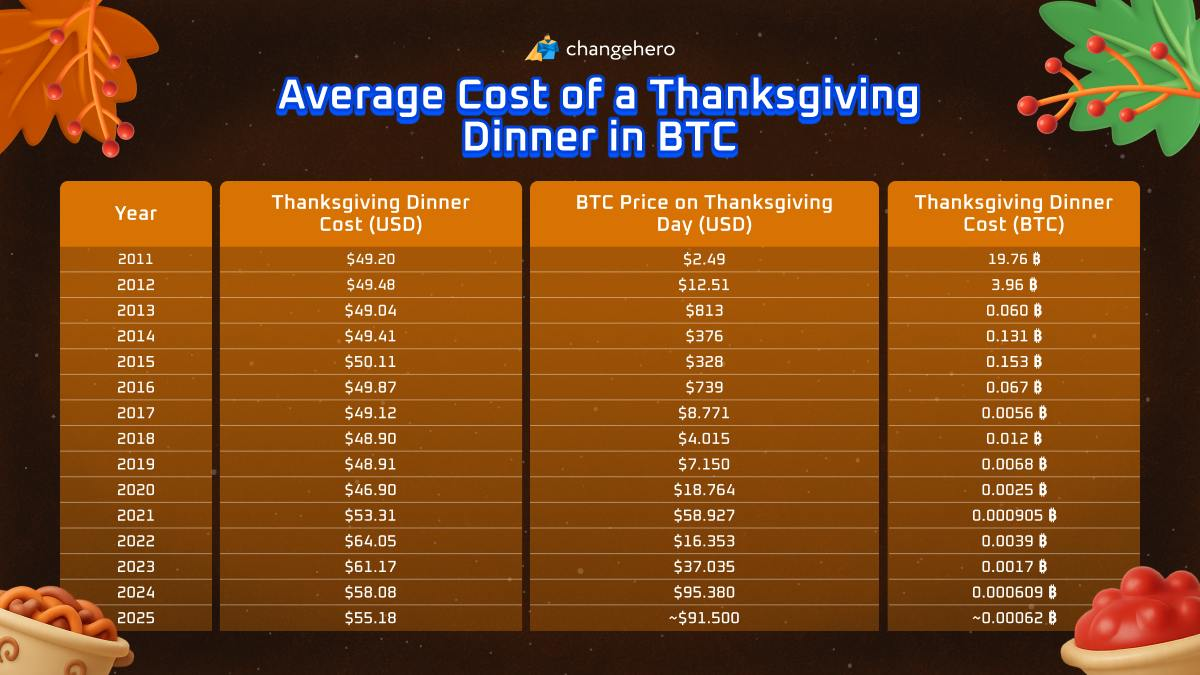
For reference, infographic that shows year-by-year performance of BTC.
Dollar-cost averaging (DCA) means investing fixed amounts at regular intervals—say, $500 every two weeks regardless of price. This strategy removes emotion from timing decisions. You buy more when prices are low, less when they're high, and you avoid the regret of investing everything right before a correction.
DCA works particularly well in crypto's volatile environment. When Bitcoin's MVRV Ratio sits around 2—like these days—spreading your buys over several months lets you capture different price points during the accumulation phase.
Lump sum investing is the opposite and means deploying all your capital immediately. Statistically, this approach can outperform DCA in traditional markets, but crypto isn't a traditional market. It experiences sharper, more frequent corrections that can devastate poorly timed lump sums.
Once again, combining both is valid: for example, investing a significant initial position (maybe 40–50% of your planned allocation) when you've identified a clear entry point, then DCA the remainder over 8–12 weeks. This captures immediate momentum while still protecting against short-term volatility.
Position Sizing for Different Risk Levels
How much should you actually invest in each altcoin? This is where most beginners make costly mistakes.
| Strategy Comparison: Risk-Based Position Sizing | |||
|---|---|---|---|
| Risk Level | Investment Characteristics | Typical Position Size | Example Altcoins |
| Conservative | Established projects, proven track record, high liquidity | 10–15% per position | Ethereum, Solana, Chainlink |
| Moderate | Growing ecosystems, strong fundamentals, mid-tier liquidity | 5–10% per position | Polygon, Avalanche, Cosmos |
| Aggressive | Emerging tech, unproven use cases, lower liquidity | 2–5% per position | New DeFi protocols, gaming tokens, AI projects |
| Speculative | High-risk moonshots, unaudited contracts, micro-cap projects | 0.5–2% per position | Meme coins, pre-launch projects, experimental protocols |
Position sizing isn't arbitrary—it's calculated. Even the best altcoins to buy now can fail due to technical exploits, regulatory changes, or simply being out-competed.
Let’s say, if you have $10,000 to invest, consider 40% ($4,000) in 3–4 conservative positions, 30% ($3,000) in 4–5 moderate positions, 20% ($2,000) in 5–10 aggressive positions, and 10% ($1,000) in multiple speculative bets. This structure gives you upside exposure while preventing any single failure from destroying your portfolio.
The key insight? Position sizing should reflect both the project's risk profile and your personal conviction. Just because Ethereum is "safer" doesn't mean you should put 50% of your portfolio into it—diversification matters even among blue-chip altcoins. And just because a micro-cap project has 100x potential doesn't justify oversizing your position beyond rational limits.
Market Timing and Entry Strategies
Getting the timing right with altcoins can feel like threading a needle—too early and you're stuck waiting, too late and you're buying near the top. The unsightly truth here is that there’s almost never a perfect entry point. But combining multiple analytical approaches dramatically improves your odds of identifying favorable entry zones for the best altcoins to buy now.
Technical Analysis for Altcoin Entry Points
Technical analysis (TA) helps you read market behavior through price patterns, trading volume, and momentum indicators. Think of it as learning the market's body language: you're looking for signals that suggest accumulation phases (smart money buying) versus distribution phases (smart money selling).
Support and resistance levels are a good starting point. These are price zones where an altcoin historically bounces or gets rejected. When evaluating top 10 best altcoins for next bull run candidates like Ethereum or Solana, identify where major support sits. A breakout above resistance with strong volume often signals the beginning of an uptrend.
The Relative Strength Index (RSI) measures momentum on a scale of 0–100. Values below 30 typically indicate oversold conditions (a potential buying opportunity), while readings above 70 suggest overbought territory (time for caution). RSI works best when combined with other indicators—never rely on just one signal.
Moving averages smooth out price action to reveal trends. Many traders watch the 50-day and 200-day moving averages. When the 50-day crosses above the 200-day (a "golden cross"), it historically signals bullish momentum. Conversely, a "death cross" (50-day dropping below 200-day) suggests bearish pressure ahead.
Volume analysis deserves special attention. Rising prices on increasing volume confirm strength. Rising prices on declining volume suggest a weak rally that may reverse. For altcoins specifically, sudden volume spikes often precede major moves—either up or down—so treat them as signals to look closer.
Fundamental Analysis and Project Evaluation
While technical analysis tells you when to buy, fundamental analysis tells you what to buy. You can nail the timing perfectly but still lose money on a fundamentally weak project.
Start with the technology and its real-world utility. Does this altcoin solve an actual problem? Then, evaluate the development team's track record and transparency. Check GitHub activity—consistent commits and active development signal a living project. Projects that go silent for months raise red flags; strong teams communicate regularly, ship updates on schedule, and engage openly with their communities.

Photo by Product School on Unsplash
For DeFi altcoins specifically, TVL growth indicates actual usage and trust. A project attracting more capital typically means users find genuine value in its services.
Tokenomics—supply and distribution mechanics—dramatically impact long-term price potential. Look for reasonable token supply (quadrillions of tokens is more often than not a completely unsustainable supply), fair distribution (team tokens with vesting schedules), and clear utility for the token within its ecosystem. High inflation rates eventually dilute the value of existing tokens in holders’ possession. Moreover, excessive concentration in team wallets creates dump risk.
And one more tip: partnership quality matters more than quantity. One strategic partnership with a major institution carries more weight than dozens of vague "collaborations."
Social Sentiment and On-Chain Metrics
It seems natural to segue into discussing social sentiment, the metric that is most influenced by news and updates. It acts as the market's emotional temperature—important, but not the whole story.
X (Twitter) activity, Reddit discussions, and Discord engagement reveal community strength and momentum. Growing communities with active discussions often precede price appreciation. However, distinguish between organic growth and coordinated shilling. Genuine enthusiasm feels conversational and educational; pump schemes feel urgent and promise-heavy.
On-chain metrics provide objective data that's harder to manipulate. Here are a couple of pointers: active addresses show how many unique wallets interact with a blockchain daily. Rising active addresses typically indicate growing adoption and network effects. Solana’s raw speed only matters because it's accompanied by real transaction volume.
Exchange netflow data reveals whether coins are moving onto exchanges (potential selling pressure) or off exchanges into wallets (accumulation). Large withdrawals from exchanges often precede price rallies as supply tightens.
Whale wallet activity is another metric that deserves monitoring. When major holders accumulate during price dips, they're voting with significant capital. Conversely, whale distribution during rallies can signal approaching tops.
Macro Economic Factors Affecting Altcoins
Altcoins and crypto at large don't exist in a vacuum—they respond to broader economic forces that many crypto-focused investors overlook.
We have already mentioned institutional crypto adoption reaching new levels and regulatory clarity dramatically impacting altcoin markets. They’re connected: clear regulations reduce uncertainty, making institutional participation safer and more likely.
Traditional market liquidity conditions matter. When central banks tighten monetary policy (raising interest rates), risk assets—including altcoins—typically suffer. Conversely, dovish policy (lower rates, quantitative easing) tends to benefit speculative assets. The saying "don't fight the Fed" applies to crypto markets too.
Dollar strength often inversely correlates with crypto prices. A strengthening dollar typically pressures Bitcoin and altcoins lower, while dollar weakness often coincides with crypto rallies. Therefore, monitoring the DXY (Dollar Index) alongside crypto charts provides useful context.
Successful altcoin timing combines all four approaches: technical analysis for entry points, fundamental analysis for quality, social metrics for momentum, and macro awareness for broader capital flows. No single method guarantees success, but together they greatly improve your probability of entering positions at favorable prices before the next bull run takes off.
Risk Management and Exit Strategies

Photo by Bram Naus on Unsplash
Risk management isn't optional when you commit to the best altcoins to buy now; conversely, it's the foundation that determines whether you'll profit during the next bull run or lose your position to volatility.
Volatility and Market Cycle Risks
Altcoins move fast. While you're analyzing the top 10 best altcoins for the next bull run, remember that the same tokens offering 10x potential can drop 40–60% in days during market corrections, and this is standard behavior in crypto cycles.
During bull markets, altcoins typically experience multiple corrections of 20–40% before reaching their peaks. As a result, you often won't be able to tell if you're in a temporary dip or the start of a deeper downturn until later.
It’s not just pullbacks; altcoins can also lose value faster than you can react. A coin that took three months to climb 200% might surrender those gains in three days. Position sizing is your first defense: never allocate more than 5–10% of your total crypto portfolio to any single altcoin, regardless of conviction.
Regulatory announcements create volatility spikes that charts alone can't predict. Europe's MiCA regulation, which came into force on June 30, 2024, initially caused uncertainty across altcoin markets before eventually stabilizing sentiment. Similar developments will continue impacting prices throughout the bull cycle.
Stop-Loss and Take-Profit Strategies
If you are trading on a centralized exchange, a conditional order type called stop-loss protects you from catastrophic losses, but these orders need to be calibrated for crypto’s volatility. Set the level too tight, and you'll get stopped out during normal price swings. Set them too wide, and they won’t protect your capital effectively.
A practical approach is to use 15–25% trailing stop-losses for your core altcoin positions. As your investment grows, the stop-loss automatically adjusts upward, locking in gains while giving the position room to breathe. For example, if you buy at $1 and set a 20% trailing stop, your exit triggers at $0.80. If the price climbs to $2, your stop shifts to $1.60.
Take-profit strategies likewise should be systematic, not emotional. Many investors watch their altcoins multiply, then refuse to sell because they're "waiting for more." They end up holding through the reversal and exiting much lower.
Consider a tiered approach:
- Sell 25% at 2x (recovering half your initial investment)
- Sell another 25% at 4x (now you’re playing with profits)
- Sell 25% at 8x (locking in substantial gains)
- Hold the final 25% for potential long-tail upside
Due to taking multiple steps and being about objectives and percentages, this method removes emotion from the decision-making process . You've locked in meaningful profits at each level while maintaining exposure for further upside. It also helps with tax planning—creating taxable events at different price points rather than a single large event.
For higher-conviction plays in the best altcoins to buy now, you can tweak percentages but keep the principle: decide in advance.
Rebalancing During Bull Markets
Portfolio rebalancing during bull runs can feel counterintuitive—it means selling winners and buying laggards. But this discipline often outperforms letting winners run unchecked.
Photo by Jonathan Borba on Unsplash
During bull cycles, different altcoin categories surge at different times. DeFi tokens might lead initially, then gaming tokens, then Layer 2 solutions. If you never rebalance, your portfolio becomes increasingly concentrated in early winners that may underperform in later phases.
Your move is to set rebalancing triggers based on allocation drift. If an altcoin grows from 10% to 20% of your portfolio, trim it back toward your target allocation. Use the proceeds to reinforce positions that remain at or below target weights. This forces profit-taking from overextended positions and redeploys capital into potential next movers.
Monthly or quarterly rebalancing usually works better than weekly in crypto. More frequent rebalancing creates unnecessary fees and taxes. Less frequent rebalancing can leave you overexposed.
Institutional investors often use threshold-based rebalancing: only rebalance when an asset drifts beyond 25–30% of its target allocation. Disciplined rebalancing will matter even more as institutional flows grow.
Liquidity and Exit Strategy Considerations
Liquidity determines whether you can execute your exit strategy or watch helplessly as prices collapse. The top 10 best altcoins for next bull run typically maintain better liquidity, but many promising mid-caps and low-caps suffer from thin order books.
To evaluate these signals, check daily trading volume before entering any position. A useful rule: daily volume should exceed at least 10x your intended position size. If you're investing $10,000, look for coins trading at least $100,000 daily. This helps ensure you can exit without heavily impacting the price.
Exchange listings directly affect liquidity. Coins listed on major centralized exchanges (like Binance or Coinbase) generally offer better liquidity than those available only on DEXs. However, DEX-only tokens sometimes provide better early entry prices before major exchange listings—you’re trading convenience for potential upside.
Plan your exit strategy before market conditions deteriorate. During panic selling, liquidity evaporates just when you need it most. Staggered exits—selling portions at predetermined price targets—spread execution across different market conditions, reducing the impact of temporary liquidity crunches.
Your exit strategy should also account for tax implications and fee structures. Frequent trading on centralized exchanges incurs fees that compound quickly. Some investors use limit orders at profit targets to reduce fees, though this requires patience and may miss sharp moves.
The bottom line: risk management and exit strategies aren’t what you do after your altcoins moon—they're what you plan before entering any position. Your success in the next bull run depends less on picking winners and more on managing positions effectively through volatility.
Tools and Platforms for Altcoin Research
When you're hunting for the best altcoins to buy now, having the right research toolkit is essential. Think of these platforms as your navigational system through crypto's vast landscape. Let’s walk through the four core categories of research tools that help separate promising altcoins from projects destined to fade.
Market Data and Analytics Platforms
Market data aggregators form your first line of insight. These platforms collect pricing information, trading volumes, and market capitalization across thousands of altcoins, giving you a bird's-eye view of the entire landscape.

Photo by Carlos Muza on Unsplash
CoinGecko and CoinMarketCap are the go-to options for most users. They track over 18,000 different altcoins as of 2026, displaying real-time prices, 24-hour trading volumes, and historical charts. The key detail here is to always check multiple exchanges: price discrepancies between platforms can signal liquidity problems or potential red flags.
For more sophisticated analysis, platforms like Messari offer professional-grade research reports, tokenomics breakdowns, and comparative analysis tools. These help you understand not just what an altcoin costs, but why it's priced that way. When evaluating the top 10 best altcoins for the next bull run, Messari's fundamental data becomes invaluable—you'll see metrics like circulating supply, inflation rates, and unlock schedules that casual platforms often gloss over.
TradingView dominates the technical analysis space. Beyond basic price charts, it provides indicators like RSI, MACD, and Fibonacci retracements that help you time entries and exits. The platform's social features let you follow experienced traders' chart analyses, though you should always verify their reasoning independently.
On-Chain Analysis Tools
On-chain analysis looks directly at blockchain data: actual transaction records, wallet movements, and network activity. This data doesn't lie, which makes it particularly useful when researching lesser-known altcoins.
Glassnode is a leader here for institutional-grade metrics. You can track wallet accumulation patterns, exchange inflows and outflows, and network health indicators. For example, if you notice large holders accumulating Ethereum or Polygon steadily despite price stagnation, that often signals smart money positioning before a bull run.
Dune Analytics offers customizable dashboards built by the community. Want to track how many unique addresses are using a specific DeFi protocol? Someone has probably built that dashboard already. This makes Dune especially useful for emerging altcoins where traditional analytics platforms haven't caught up.
Nansen combines on-chain data with wallet labeling, showing you which addresses belong to venture capital firms, centralized exchanges, or known smart-money wallets. When institutions started accumulating in 2024–2025, Nansen users could track these movements in real time.
Most professional traders use multiple on-chain platforms. Each has different strengths—Glassnode excels at Bitcoin and Ethereum metrics, while Dune shines for DeFi and Layer 2 tracking.
Social Sentiment Tracking
Community momentum drives altcoin prices, sometimes more than fundamentals. Social sentiment tools help you gauge whether a project is building organic excitement or just paid hype.
LunarCrush aggregates social metrics across Twitter, Reddit, and other platforms, assigning each project a social engagement score. High engagement with rising positive sentiment often precedes price movements. The platform tracks mentions, influencer activity, and community growth.
Santiment goes deeper, analyzing not just volume but sentiment quality. It identifies whether conversations are genuinely positive or superficially bullish. During meme coin rallies Santiment helped separate sustainable community projects from short-lived pumps.
Also, you cannot make do without social media: Twitter (or X) remains crypto's primary communication hub. Following key developers, official project accounts, and respected analysts gives you real-time updates. Reddit communities like r/CryptoCurrency and project-specific subreddits offer another window into how retail investors perceive different altcoins.
Portfolio Management Applications

Photo by Behnam Norouzi on Unsplash
Once you've researched and invested in promising altcoins, tracking becomes crucial. Portfolio management tools automate this work while providing performance analytics.
Delta and Blockfolio offer straightforward portfolio tracking. You manually input your holdings, and they calculate current values, profit/loss percentages, and allocation breakdowns. These apps work well for beginners managing a handful of altcoins.
CoinStats adds exchange API integration, automatically syncing your holdings across multiple platforms. Your portfolio updates in real time as you trade. The platform also includes news aggregation and price alerts.
For serious investors managing larger portfolios, Rotki provides open-source, privacy-focused portfolio management with built-in tax reporting features. Since jurisdictions handle crypto taxation differently—and the regulatory landscape continues evolving—having tax-ready reports saves headaches.
Kubera offers a wealth management approach, letting you track crypto alongside traditional assets. This holistic view helps maintain proper allocation—especially important when altcoins become a significant portion of your net worth.
The right research stack combines tools from all four categories. Market data platforms identify opportunities, on-chain analysis validates fundamentals, social sentiment confirms community strength, and portfolio managers track results. Together, they form the foundation for identifying the best altcoins to buy now and managing them effectively through the next bull run.
Expert Insights and Market Predictions
Industry Leader Opinions on Altcoin Markets
The conversation around the best altcoins to buy now has shifted dramatically in 2026. Industry leaders are taking a more measured—yet still optimistic—stance on altcoin markets heading into the next bull run.
Industry veterans point to three key factors driving the top 10 best altcoins for the next bull run narrative: technological differentiation, real-world utility, and regulatory compliance readiness. Projects that check all three boxes are attracting disproportionate attention from both venture capital and institutional players.
The consensus is clear: this cycle won't reward hype alone. Altcoins positioned for explosive growth demonstrate clear value propositions.
Some analysts also suggest institutional entry may smooth the traditional altcoin season pattern. Rather than explosive-then-collapse cycles, we may see more sustained, rotational growth across categories as professional capital reallocates methodically.
Institutional Adoption Trends
Institutions aren't just buying Bitcoin anymore but building comprehensive digital asset strategies.
By 2026, institutional crypto adoption reached levels that would have seemed impossible just two years prior. But the ripple effect matters even more. These same institutions are now exploring altcoin exposure through structured products, venture investments, and direct token holdings.
Institutional capital demands regulatory clarity (check), liquidity depth (almost there), real utility (check), and security infrastructure (almost there). Institutional playbooks currently focus on three categories: established Layer 1 platforms, DeFi blue chips, and infrastructure plays like oracles and interoperability protocols. This creates a rising tide effect. As institutions accumulate these positions, they validate entire categories for additional capital inflows.
Regulatory Developments and Impact
Regulatory clarity—once crypto’s biggest uncertainty—is rapidly becoming one of its strongest long-term tailwinds. In addition to the newer legal frameworks for crypto specifically, stablecoins now rival more traditional payment rails. With formal regulation in place, this growth trend is likely to accelerate.

Photo by Sasun Bughdaryan on Unsplash
For altcoin investors, the message is straightforward: compliance-ready projects now have clear pathways to institutional adoption. Projects that prioritized transparent tokenomics, robust KYC/AML frameworks where necessary, and regulatory engagement are better positioned than those that ignored compliance.
Venture Capital and Funding Trends
Venture capital's approach to crypto has matured significantly, offering a useful lens on where experienced money sees the next cycle's opportunities.
The low-cap projects with strong fundamentals that venture firms back today share key traits: experienced teams, working products, clear monetization, and regulatory awareness. The "whitepaper plus marketing" era is largely over. Diligence now looks much closer to traditional tech investing.
Three themes stand out: RWA tokenization, gaming and metaverse, and interoperability and infrastructure.
For individual investors, tracking venture capital flows provides valuable signals. These firms have resources for deep due diligence that retail investors can't replicate. When top-tier VCs back a project, they're effectively validating both team and market opportunity—often before the broader market catches on.
Conclusion
This guide has walked through the current market landscape, timing considerations, evaluation frameworks, sector opportunities, risk management, and tools you can use to research the best altcoins for the next bull run. Use it as a starting point, layer on your own research, and always prioritize safety and informed decision-making over hype.
Sources and References
This comprehensive guide draws on verified data and research from reputable sources within the cryptocurrency industry. All statistics, market data, and technical information referenced throughout this article have been carefully verified and sourced from the following authoritative publications and platforms:
Market Data and Statistics:
- CoinAPI — Glossary of Altcoin definitions and market capitalization data — 2025 — https://www.coinapi.io/learn/glossary/altcoin
- a16z Crypto — State of Crypto Report — 2025 — https://a16zcrypto.com/posts/article/state-of-crypto-report-2025/
- CoinLaw — Memecoin Market Capitalization Statistics — 2025 — https://coinlaw.io/memecoin-market-capitalization-statistics/
- CoinLaw — DeFi Lending Protocols Statistics — 2025 — https://coinlaw.io/defi-lending-protocols-statistics/
Institutional and Technical Analysis:
- ARK Invest — Bitcoin Cycles Analysis Entering 2025 — 2024-2025 — https://www.ark-invest.com/articles/analyst-research/bitcoin-cycles-entering-2025
- CryptoRank — Altcoin Season Analysis — 2025-2026 — https://cryptorank.io/news/feed/19114-altcoin-season-in-2026-signs-to-look-out-for
- B2Broker — Institutional Adoption of Crypto — 2025 — https://b2broker.com/news/institutional-adoption-of-crypto/
Regulatory Information:
- European Securities and Markets Authority (ESMA) — Markets in Crypto-Assets Regulation (MiCA) — 2024 — https://www.esma.europa.eu/esmas-activities/digital-finance-and-innovation/markets-crypto-assets-regulation-mica
Blockchain-Specific Technical Data:
- Exp.Science — Ethereum Smart Contracts and DeFi Education — 2025 — https://www.exp.science/education/what-is-ethereum-explaining-eth-smart-contracts-defi
- Backpack Exchange — Solana vs Ethereum Comparison — 2025 — https://learn.backpack.exchange/articles/solana-vs-ethereum
- Chainlink — Oracle Infrastructure for Institutional Tokenization — 2024 — https://pages.chain.link/hubfs/e/The_Oracle_Powering_Institutional_Tokenization.pdf
- Levex — Arbitrum vs Base Layer 2 Comparison — 2025 — https://levex.com/en/blog/arbitrum-vs-base-2025-layer-2-comparison
- Oak Research — Polygon Activity Report — 2025 — https://oakresearch.io/en/reports/protocols/polygon-pol-s1-2025-activity-report
Emerging Sector Data:
- Empirica — GameFi Crypto Assets Report — 2024 — https://empirica.io/gamefi-crypto-assets-report-on-chain-gaming-metaverse-play-to-earn-gaming-platforms/
- RWA.xyz — Real-World Asset Tokenization Data — 2025 — https://app.rwa.xyz
- Cosmos Blog — Stablecoins in Cosmos and IBC Eureka Upgrade — 2025 — https://blog.cosmos.network/the-rise-of-stablecoins-in-cosmos-03721abea8f3
Research Methodology:
All market capitalizations, transaction volumes, adoption metrics, and technical specifications cited in this guide reflect the most current verified data available as of 2026. Where specific data points are referenced, they are accompanied by their original source to enable readers to conduct their own verification and deeper research.
When exploring the top 10 best altcoins for next bull run, cross-referencing multiple sources helps build a comprehensive understanding of each project's fundamentals, technical capabilities, and market positioning. The sources listed above represent a foundation for due diligence, not a complete research library.
Remember that the cryptocurrency landscape evolves rapidly. Regulatory frameworks shift, technological capabilities advance, and market dynamics change. Always verify current information before making investment decisions, and consider consulting primary sources such as project whitepapers, official blockchain explorers, and regulatory announcements in your jurisdiction.
Frequently Asked Questions
Which altcoins will boom in 2026?
The best altcoins to buy now depend on your risk tolerance and goals, but several categories stand out based on current data. Layer 1 blockchains like Ethereum (ETH), Solana (SOL), and Cardano (ADA) remain strong foundations—they host entire ecosystems of applications and continue attracting developers. Scaling solutions are another promising category. Polygon (POL) and other Layer 2s help solve Ethereum's congestion while maintaining security. DeFi infrastructure tokens like Chainlink (LINK) have also demonstrated staying power. Finally, RWA tokenization projects are drawing institutional capital. The key is diversifying across these narratives rather than betting everything on a single coin.
What altcoin has 1000x potential?
1000x returns are exceptionally rare, even in crypto’s most explosive periods. Any claim of “guaranteed 1000x” should be treated as a major red flag. Theoretically, early-stage projects operating in emerging narratives—AI integration, cross-chain infrastructure, next-generation gaming—could deliver that level of upside. But they also come with extreme risk and a high probability of failure. Most investors are better served by targeting 5x–50x opportunities in high-quality small and mid-caps than chasing 1000x moonshots. The top 10 best altcoins for the next bull run discussed in this guide generally offer more balanced risk-reward profiles.
How do I identify the next big altcoin?
Identifying promising altcoins before they break out requires structured research. Start with fundamentals. What problem does the project solve, and is that problem meaningful? Then, check the development team and GitHub activity. Are they shipping code consistently? Evaluate tokenomics. Is supply reasonable? Are team and investor tokens vested? Last but not least, look for real users. DeFi projects, for instance, can be evaluated with metrics like TVL and active addresses.
Institutional backing can serve as validation. Watch emerging and solidified narratives: DeFi, RWA tokenization, gaming, AI, and interoperability are all active fronts. Finally, use on-chain and social tools to confirm momentum: rising active addresses, accumulating wallets, and growing organic communities are good signs. Just remember: even thorough research doesn’t remove risk—it only helps you tilt the odds in your favor.
What does 1000x mean in crypto investing?
In crypto, "1000x" means a 1,000-fold return on your capital. A $100 investment turning into $100,000 is a 1000x. To see why this is rare, consider market cap math. A $10 million market cap altcoin would need to hit $10 billion to deliver 1000x. That’s tough but conceivable for a truly groundbreaking project. On the other hand, a $1 billion coin would need to reach $1 trillion—bigger than Bitcoin’s historical highs. That’s extremely unlikely.
The term often appears around micro-cap altcoins and memecoins. Some have delivered huge multiples, but many more have gone to zero.
Established large caps like ETH or SOL will almost certainly not 1000x from 2026 levels—but they may still offer meaningful upside with far less downside risk.
When should I sell my altcoins during a bull run?
Selling is often harder than buying. Most investors hold too long and watch large unrealized gains evaporate. Consider systematic profit-taking instead of hunting for the exact top. You might take partial profits at fixed multiples (2x, 4x, 8x, etc.); use trailing stop-losses to lock in gains as price rises; and pay attention to macro and sentiment signals
Altcoin seasons historically begin when Bitcoin dominance falls below 60%. When dominance starts rising again after an extended altcoin rally, it often signals a cycle turning point. Bitcoin's MVRV Ratio approaching past peak levels (near 4.0) is another warning sign.
Also watch for euphoria: mainstream media coverage of obscure altcoins, friends with no prior interest asking how to "get in," and valuations disconnected from fundamentals. Those are your cues to tighten stops and increase profit-taking.
How much should I invest in altcoins vs Bitcoin?
Your Bitcoin-to-altcoin mix should reflect your risk tolerance and time horizon.
- Conservative: 70–80% Bitcoin, 20–30% altcoins. Bitcoin remains the most established asset, with deep liquidity and the most institutional adoption.
- Moderate: 50–60% Bitcoin, 40–50% altcoins. This balances Bitcoin's relative stability with altcoins' higher growth potential.
- Aggressive: Less than 40% Bitcoin, more than 60% altcoins. This maximizes upside but comes with significantly higher volatility.
Remember that altcoins already represent around 41% of the total crypto market cap, with over 18,000 active projects. Diversifying within your altcoin allocation is just as important as the BTC/alt split. Rebalance periodically. If altcoins outperform and drift beyond your target allocation, trim them and rotate into Bitcoin. This forces you to take profits while keeping your overall risk profile aligned with your goals.


