
How to Invest in Bitcoin? A Beginner’s Guide

Disclaimer
This information is not financial or investment advice. When dealing with cryptocurrencies, remember that they are extremely volatile and thus, a high-risk investment. Always make sure to stay informed and be aware of those risks. Consider investing in cryptocurrencies only after careful consideration and analysis of your own research and at your own risk.
Contents
- 1. Introduction to Bitcoin as Investment
- 2. Ways to Invest in Bitcoin
- 3. How to Buy Bitcoin Step by Step
- 4. How to Invest in Bitcoin With Little Money
- 5. Wallets and Storage for BTC
- 6. Bitcoin Investing Strategies
- 7. Fees and Taxes on Bitcoin (BTC)
- 8. More Considerations for Bitcoin Investing and Risk Management
- 9. Conclusion
As the first major cryptocurrency, Bitcoin set the template for digital scarcity and pulled everyday investors into ideas that used to feel niche: self-custody, on-chain transfers, and a money system with no central issuer. Bitcoin adoption has also moved from “internet curiosity” to a regular headline in finance, and the network itself keeps sending signals that people are using it.
The guide is necessary because “investing in Bitcoin” is not a single route. Some people buy on crypto exchanges and withdraw to a personal wallet; others use fintech apps that wrap the experience in a familiar interface. And then there are ETFs, which package price exposure into a traditional investment format. Same destination, different vehicles—and the trade-offs matter.
Bitcoin’s risk profile is usually sharper than traditional investments. Volatility is the obvious one (price can swing hard, fast, and at inconvenient times), but operational security is the sleeper issue. That doesn’t make Bitcoin “bad” or “good”—it just means the potential upside comes with real operational risks, and learning the basics is part of the investment journey.
Introduction to Bitcoin as Investment
Bitcoin combines digital money with an investable asset in a way traditional markets didn’t really have before. As a crypto network, Bitcoin can move value peer-to-peer without a bank acting as the middleman. As an investment vehicle, it has become the reference point for the entire crypto market.

That dual identity is exactly why learning how to invest in bitcoin feels different from buying a stock or a bond. Bitcoin trades 24/7, reacts fast to macro news and liquidity shifts, and has a long history of sharp drawdowns followed by explosive rallies. What’s more, its volatility is not a side effect—it’s a core market characteristic, and any investing strategy worth following needs to plan for it.
So why do investors keep showing up? Because Bitcoin also has a track record of delivering outsized returns for people who understand what they’re buying and how to hold it safely (despite past performance not necessarily being indicative of future results, this case included). The origin story matters here too: the Bitcoin whitepaper introduced the model for a peer-to-peer electronic cash system, published under the pseudonym Satoshi Nakamoto. Bitcoin’s security is grounded in blockchain technology—a public ledger maintained by miners who compete to add new blocks using Proof of Work, a mechanism that ties security to real-world energy and computing cost (unlike Proof of Stake, which secures networks through staked capital rather than mining). Building on that, a major signal of network robustness is mining power: Bitcoin’s hash rate exceeding 1 ZH/s reflects sustained miner investment and strengthening network security, which reduces vulnerability to attacks. In plain terms, a higher hash rate is like upgrading from a neighborhood watch to a city-wide security system—still not a price guarantee, but a meaningful piece of the risk picture.
This guide will walk you through the practical avenues people use to invest in Bitcoin today, from classic cryptocurrency exchanges and beginner-friendly fintech apps to regulated routes like spot ETFs, plus other approaches depending on whether you want direct ownership or exposure through a wrapper. Along the way, we’ll lean on blockchain basics (wallets, custody, and transactions) so you can choose the method that matches your goals, without accidentally turning “investing” into “learning hard lessons the expensive way,” even if your current crypto knowledge is still beginner-level.
Bitcoin can offer an investment opportunity that behaves very differently from stocks and bonds, which is exactly why the “fitness” question matters. In any case, Bitcoin sits at the intersection of a fast-moving crypto market and hard infrastructure (Bitcoin mining, exchanges, and users all reinforcing the network).
Return Profile of BTC
Bitcoin has famously delivered outsized historical gains, but it delivers them with a stomach-churning ride. That’s the trade: long-term upside potential paired with short-term moves that can feel irrational compared to traditional assets.
How does that happen? Bitcoin’s price is set globally, 24/7, on every major cryptocurrency exchange, and it reacts instantly to liquidity, sentiment, risk appetite, and macro headlines. When demand floods in, the market can reprice quickly; when fear hits, it can unwind just as fast. In practice, that means Bitcoin can outperform traditional assets during strong crypto cycles, but it can also underperform sharply in risk-off environments.

Here’s the key part for 2026 readers: institutional access has been widening, and that can influence both returns and the path they take. Kraken’s 2026 outlook notes $44B in net spot demand for Bitcoin ETFs and digital assets in 2025, a concrete signal that big allocators are no longer treating Bitcoin as a fringe experiment. More structural demand doesn’t guarantee higher prices, but it can change the return profile by adding deeper pools of capital and more consistent buying pressure.
On the network side, the hash rate milestone above also matters because long-term investors tend to care whether the underlying system looks resilient—hash rate is one of the few “real economy” signals in a world of charts.
Bitcoin price projections are everywhere (and are often loud). A safer way to look at any BTC price prediction or analysis is as scenarios: if ETF-led demand persists and network fundamentals stay strong, bullish outcomes are plausible; if liquidity tightens or regulations bite, downside scenarios can arrive quickly. In other words: Bitcoin’s return profile can be attractive, but it rarely comes in a straight line.
Risk Profile of BTC
Bitcoin carries risks that are easy to underestimate when you only look at a long-term chart. Volatility is the obvious and most often mentioned one, but it’s not the only one—and it’s not evenly “painful” for every investor.
Volatility first: Bitcoin can move dramatically over short windows because the crypto market is still relatively reflexive (sentiment can drive flows, and flows drive price). That’s great if you have a high risk tolerance and a long horizon; it’s a problem if you need stability, predictable cash flow, or you panic-sell when your portfolio is down double digits. A conservative investor often experiences Bitcoin as stress, not diversification.
Regulatory risk is the next big point. Laws and rules can affect how Bitcoin is bought, sold, and held (i.e. exchange compliance, custody standards, reporting, and access). Even if Bitcoin’s blockchain technology keeps running, policy shifts can change demand on a cryptocurrency exchange overnight by restricting on-ramps or altering what products (like ETFs) can do. This way, regulations can also influence liquidity: if fewer participants can trade easily, spreads widen and price moves get sharper.
Market structure and manipulation risk also deserve airtime. Bitcoin trades globally across venues with different standards, and large players can influence short-term price action through concentrated flows and, let’s not sugarcoat it, occasional market manipulation. That doesn’t mean the entire market is fake, but it does mean you should be careful with leverage and with chasing breakouts as if this were a sleepy blue-chip stock.
Finally, there’s operational risk: custody mistakes, phishing, and sending funds to the wrong address are still real hazards, especially in self-custody setups. Investors who keep Bitcoin on a cryptocurrency exchange reduce some self-custody complexity but take on platform and counterparty risk instead. It’s also worth remembering that investors face more “tech-style” risks than in traditional assets, including service disruption during peak volatility or even product obsolescence when a wallet app or platform feature gets deprecated and users fail to update.
Implication-wise, Bitcoin tends to fit investors who can (1) tolerate sharp drawdowns, (2) commit to a time horizon measured in years, and (3) implement basic security hygiene. That does not exclude investors with low risk appetites, by the way, but they will need to put more emphasis on position sizing and plan in their strategy.
Allocation
Even in growth-oriented portfolios, for investors who still ask themselves how to get in on the first cryptocurrency, Bitcoin should sit as a satellite position, not the engine of the entire investing strategy. The goal is simple: get meaningful upside exposure without letting one volatile asset dictate your financial life.
A practical allocation approach starts with evaluating your risk tolerance and your timeline. For investors with high risk tolerance, Bitcoin can be sized larger because drawdowns won’t force panic selling or life-plan changes. For lower-risk investors, the allocation should be small enough that a major drop feels annoying, but not catastrophic. In any case, allocation is less about picking a “magic percentage” and more about picking a size you can hold through ugly periods.
Diversification is your first risk-management lever. Bitcoin can diversify certain portfolios because it’s driven by different forces than corporate earnings or bond yields—but in broad sell-offs, correlations can rise (meaning everything falls together). So diversification means more than “Bitcoin plus stocks.” It can also mean holding cash reserves, avoiding leverage, and keeping position sizes aligned with real-world obligations.
Institutional trends matter here because they influence how investors can get exposure. The same ETF-demand figure above suggests these financial products are becoming a mainstream access route to crypto exposure, potentially increasing demand and liquidity. If you prefer traditional rails (such as brokerage accounts, regulated products), that trend supports a more structured approach to allocation, including holding Bitcoin exposure in tax-advantaged accounts where ETFs are permitted.
On the fundamentals side, the hash rate milestone is also a reminder that Bitcoin mining is not a hobby but a capital-intensive infrastructure. For an allocator, that’s relevant because it signals ongoing investment into network security, which can strengthen the long-term “hold” case even when price is noisy.
A clean way to put it: decide your allocation, choose your access method (ETF, spot via a cryptocurrency exchange, or self-custody), and set rules you can follow—like periodic rebalancing and a no-leverage policy. Bitcoin can be a good fit, but only when the allocation matches your ability to stay rational when the chart stops being polite.
Ways to Invest in Bitcoin
Cryptocurrency Exchanges
Cryptocurrency exchanges let investors buy Bitcoin directly on a dedicated trading platform like Coinbase, Binance, or Kraken. There, you open an account, fund it (usually via bank transfer, card, or other rails the platform supports), and place an order—either a market order for speed or a limit order for more control. That direct access is the big appeal: you’re not buying “Bitcoin exposure,” you’re buying Bitcoin itself.

Coinbase is often the easiest on-ramp for beginners because the interface is built like a mainstream fintech app, while Binance and Kraken are typically associated with a more “trader” feel (more order types, more market data, more knobs to turn). It’s worth knowing that the best exchange isn’t universal: it depends on your region, payment method, and how hands-on you want to be with custody and withdrawals.
Fees and security features are the two comparisons that actually matter. Fees can show up as trading fees, spreads (the difference between the buy/sell price), and withdrawal fees (especially when moving Bitcoin off-platform). Security is the other side of the same coin: look for strong 2FA options (authenticator app or hardware keys), withdrawal whitelists, and clear account-protection workflows. If you plan to hold long-term, the risk isn’t only market volatility—it’s also account compromise or leaving funds on an exchange longer than you intended.
A simple real-world way to think about it: an exchange is like an airport. It’s great for getting you where you need to go quickly, but you don’t camp out in the terminal forever. Many investors buy on Coinbase, Binance, or Kraken, then withdraw Bitcoin to a self-custody wallet they actually control once the purchase clears.
For decision-making, ask one practical question up front: do you want to actively trade, or do you want to buy-and-hold? Active trading magnifies fee sensitivity; buy-and-hold magnifies custody and withdrawal planning.
Fintech Apps
Fintech apps like Cash App and PayPal make Bitcoin investing feel almost suspiciously easy. Bitcoin becomes a button inside an app you might already use for paying friends or checking out online, which lowers the “first purchase” friction to nearly zero.
Mechanically, these apps tend to wrap the crypto experience inside their own ecosystem. You typically buy Bitcoin in small increments, sometimes via recurring purchases, and the app handles the background plumbing. Cash App is widely associated with a straightforward “buy/sell” flow, while PayPal is built around a familiar payments interface, with the broader platform built on digital payment processing at scale. That said, what you can do after you buy is a different story.
Limitations vary, and they matter. Some fintech apps restrict withdrawals, transfers, or on-chain functionality, which can turn “owning Bitcoin” into “having price exposure in an app balance.” That’s not automatically bad—indirect exposure can reduce self-custody complexity while preserving opportunities—but it changes your control. If your plan includes moving Bitcoin to a personal wallet, paying someone in Bitcoin, or using it outside the platform, you need to confirm withdrawal support and any caps before you buy.
Fees also deserve a second look, because simplicity sometimes hides costs in spreads or bundled pricing. If the app doesn’t clearly separate the trading fee from the execution price, comparison shopping gets harder. Consequently, customer support and account recovery policies become part of the risk profile: losing access to an app account can be as painful as losing a wallet backup.
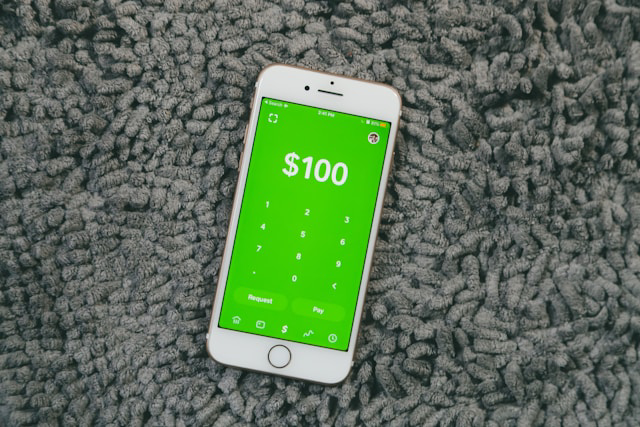
Photo by Live Richer on Unsplash
A practical scenario: someone sets up a $25 weekly buy on Cash App to dollar-cost average into Bitcoin. A perfectly reasonable approach—until they later decide they want self-custody, and discover transfers are limited or slower than expected. Knowing those constraints early prevents frustration (and panic-selling) later.
Brokerage Accounts
Brokerage accounts bring Bitcoin investing into traditional finance workflows, and that’s exactly why platforms like Fidelity show up in the conversation. Instead of buying Bitcoin directly, many investors use a brokerage account to buy Bitcoin-linked products—most commonly ETFs—right alongside stocks and bonds. For people already comfortable with equities, this integration can remove a lot of operational complexity.
Here’s something worth noting: a brokerage account usually means you’re investing through a regulated product wrapper rather than interacting with the Bitcoin network. You’re not managing a wallet, not worrying about on-chain fees, and not learning exchange order books or interfaces. You’re buying shares, with familiar tax documentation and reporting, inside an environment designed for conventional investing.
The tradeoff is control. Brokerage-based exposure typically cannot be withdrawn as Bitcoin, and you don’t get the “use” side of Bitcoin: self-custody, transfers, payments. The choice is convenience and institutional rails over direct ownership, which is valid. Risk also shifts: you trade custody and on-chain complexity for market tracking error, product fees, and brokerage rules around trading hours and order execution.
Fidelity is a good example of the bigger trend: crypto is no longer “some separate app on your phone,” it’s becoming another line item in mainstream portfolios. That matters because it changes who participates. A conservative investor who would never sign up for a crypto trading platform may still feel comfortable buying an ETF in a brokerage account they’ve used for years.
If you’re comparing this route to exchanges, think in terms of goals. Want Bitcoin as an asset you can hold and move? Exchanges win. Want Bitcoin exposure without learning wallets and withdrawal steps? Brokerages can be the cleaner investment opportunity—assuming you’re comfortable with the wrapper and its fees.
Spot Bitcoin ETFs
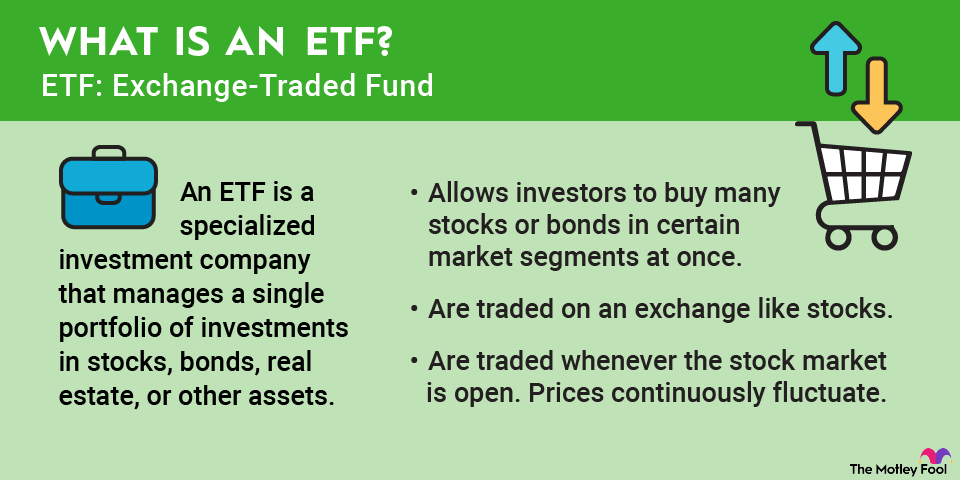
Speaking of vehicles and wrappers, spot Bitcoin ETFs give investors price exposure to Bitcoin through an exchange-traded fund that holds Bitcoin as the underlying asset. In other words, you can buy “Bitcoin exposure” in your brokerage account the same way you buy an S&P 500 ETF—no wallet setup, no private keys, no on-chain transactions.
ETFs are a big deal in the investment landscape because they’re familiar, liquid, and operationally simple. They fit inside retirement accounts, standard portfolio tools, and advisor models. On the other hand, the convenience comes with a structural tradeoff: you’re not self-custodying Bitcoin, and you’re paying fund-level fees (plus whatever your brokerage charges, if anything), including an explicit management fee.
The popularity clearly shows up in flows. U.S.-listed Bitcoin ETFs saw $44 billion in net demand in 2025, which is a strong indicator of institutional capital flows moving into the crypto space and a shift toward off-chain vehicles for exposure. That number matters because institutions often prefer regulated wrappers and standard custody arrangements, especially when investment committees and compliance teams are involved.
Source: The Motley Fool
Conservative investors tend to like spot Bitcoin ETFs for the same reason they like other ETFs: fewer moving parts. You don’t have to evaluate Coinbase vs Binance vs Kraken, you don’t have to learn how a trading platform handles withdrawals, and you don’t have to think about wallet backups. That simplicity can reduce operational risk while leaving market risk untouched. Bitcoin can still swing hard; the ETF wrapper doesn’t change volatility.
Peer-to-Peer Purchases
Peer-to-peer purchases let investors buy Bitcoin directly from another person, often with more privacy and flexibility than a centralized trading platform. The “what” is simple: you agree on a price, choose a payment method, and complete the exchange. The “how” is where things get serious, because P2P shifts more responsibility onto you.
The undisputable advantage is flexibility. Peer-to-peer transactions can support payment methods and deal structures that exchanges don’t, and privacy can be higher depending on how the trade is arranged.
The risk, of course, is scams. The moment you remove a centralized intermediary, you increase the chance of fake payment confirmations, chargebacks for reversible payment methods, or outright fraud. Mitigation isn’t complicated, but you have to actually do it: use reputable escrow where available, avoid reversible payment methods when possible, confirm funds settlement before releasing Bitcoin, and keep communication and proof inside the platform you’re using, not in DMs elsewhere. In a way, P2P is like meeting someone from a marketplace listing: you can get a great deal, but only if you follow boring safety rules.
Bitcoin ATMs
Bitcoin ATMs let investors buy (and sometimes sell) Bitcoin using cash, which makes them one of the most straightforward “walk-up” options. Bitcoin goes from “online asset” to “cash-to-crypto” in a few minutes: scan a QR code, insert cash, and receive Bitcoin to a wallet address (or, in some cases, a voucher-style flow). We have covered how Bitcoin ATMs work in a dedicated guide, so do give it a read if you are curious about it.
A major warning point for this method of purchase is fees. Bitcoin ATMs often charge higher fees than a typical exchange trading platform, and the spread can be wide. That’s the trade: you’re paying for immediacy, physical access, and a simple interface. Most machines also have identity verification requirements depending on transaction size and local rules, so don’t assume every ATM is anonymous or frictionless.
Finding a Bitcoin ATM is usually the easy part (most operators list locations and hours), but understanding the total cost is a detail not less deserving of attention and planning. Before you feed bills into a machine, look for the posted fee schedule, check the exchange rate the ATM is offering, and compare it to a spot price reference. If the machine won’t clearly display pricing before you commit, that’s a reason to walk away.
A practical tip that saves headaches: bring your own BTC wallet set up in advance, and double-check the address (or QR code) on-screen before confirming. Sending Bitcoin to the wrong address is one of those mistakes that feels impossible—until it happens even once.
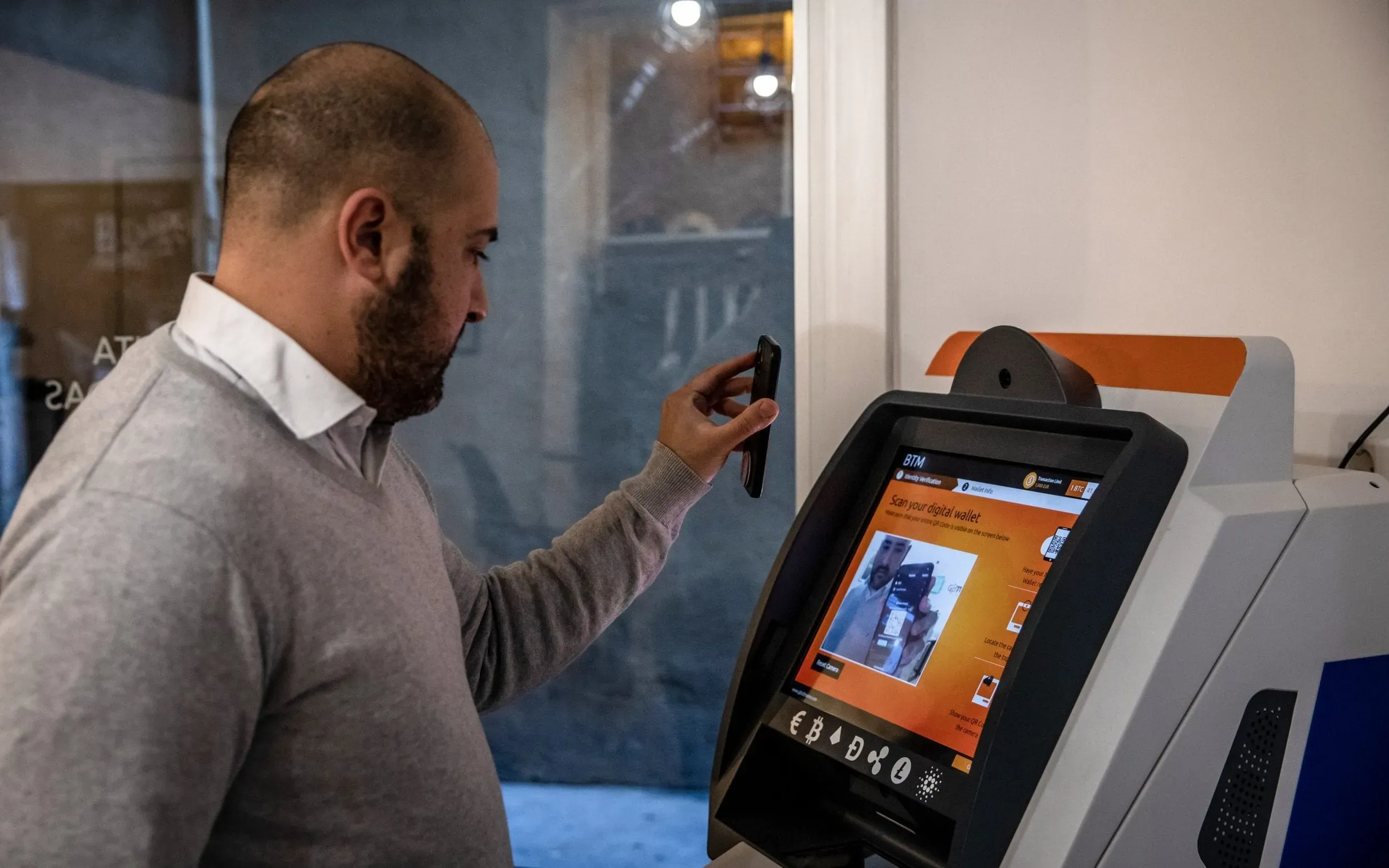
Customer scanning the QR code of his digital wallet on a cryptocurrency automatic teller machine in Barcelona, Spain CREDIT: Angel Garcia/Bloomberg
All in all, Bitcoin ATMs can be a solid option for small, occasional buys, especially if you value cash transactions and speed over tight pricing. Just treat the fee premium as part of the risk/benefit calculation, not an unpleasant surprise after the receipt prints.
How to Buy Bitcoin Step by Step
Platform Selection for BTC Purchase
Bitcoin buying starts with choosing a trading platform that matches your risk tolerance, fees, and custody preferences. That sounds obvious, but in 2026 it’s also a compliance decision: most mainstream providers now run tighter onboarding, stronger transaction monitoring, and more aggressive deposit/withdrawal controls than they did a few years ago, especially in markets that align with “travel rule” style reporting. Convenience is great until a “please confirm source of funds” email lands in your inbox.
The big three routes look like this:
- Cryptocurrency exchange (centralized): Best for liquidity, lower spreads, and advanced order types. These platforms tend to be the first to adopt new market practices like proof-of-reserves reporting dashboards, tighter withdrawal risk checks, and account-level security hardware requirements. The trade-off is operating inside a managed environment, so limits, delays, or freezes can happen if the system flags your activity for any reason.
- Brokerage-style apps: Best for simplicity. You usually get a clean “buy Bitcoin” button, and you might also get recurring buys and simple custody settings. On the other hand, some apps still restrict withdrawals or route purchases through internal ledgers before you can move Bitcoin on-chain (which matters if your end goal is self-custody).
- Bitcoin ATMs / kiosks: Best for speed and cash access, worst for fees. In 2026, more ATMs require phone verification and ID scans even at smaller amounts, and the spread can be painful. Think of it like buying snacks at an airport convenience store: it works, but you pay for the location.
Before committing, check three practical items: withdrawal availability (not just “trading available”), fee schedule (trading + withdrawal), and security controls (2FA options, device approvals, withdrawal allowlists).
Account Creation
Bitcoin account creation begins with registering an account and locking it down like it already holds money. Most losses at this stage aren’t “hacks” in the Hollywood sense—they’re credential reuse, SIM swaps, and phishing. Boring? Yes. Expensive? Also yes.
Start with the basics, but do them properly:
- Use a unique password generated by a password manager (20+ characters is a good target). Reusing an old password on a cryptocurrency exchange is like using the same key for your apartment, office, and storage unit.
- Turn on strong 2FA immediately. App-based authenticators are still common, but 2026 security practice leans harder toward hardware keys (FIDO2/WebAuthn) for high-value accounts. SMS 2FA is better than nothing, but it’s also the first thing attackers try to hijack.
- Set up account “guardrails”: withdrawal address allowlists where available, anti-phishing codes so real emails are recognizable, and login alerts. Small settings, big impact.

Source: FinanceMagnates
One more thing: account creation has become tightly linked with KYC flow design. Many platforms now run “tiered KYC” (you can explore or do small actions before full verification) or pre-checks that tell you what documents you’ll need before you waste 20 minutes on a failed upload. Some also use passkey support for login (device-bound credentials) to reduce password theft risk; nice when implemented well, but you still want a backup method.
Practical tip: create the account on a trusted network, update your phone OS/browser first, and don’t install “support tools” suggested by anyone in chat. Real platforms do not need remote access to “help you buy Bitcoin.” If someone asks, that’s not customer service—that’s a scam.
Identity Verification
Bitcoin identity verification (“know your customer” or KYC) confirms who you are so a platform can legally enable deposits, withdrawals, and higher limits. In 2026, KYC is also a fraud filter: platforms are under pressure to reduce stolen-ID signups, mule accounts, and chargeback abuse. That’s why verification can feel more strict even when you’re doing everything right.
The technological upside is real, though. Many providers now use improved liveness detection that’s quicker (blink/turn prompts instead of long videos), and automated document authenticity checks that reduce human review time when your upload is clean. Some KYC flows can pull verified address data from trusted sources, which means fewer “upload a utility bill” loops, if available in your region.
One more safety note: scammers love the KYC moment because you’re already expected to upload sensitive files. Only complete verification inside the official app or domain, and never send ID photos to “support” over email or messaging apps. If you wouldn’t hand your passport to a stranger in a café, don’t do the digital equivalent.
Funding the Account
Bitcoin funding starts with getting money onto the platform so you can place an order. Most people think “bank transfer or card,” and yes, those are common but 2026 funding menus are broader, and the choices change your fees, speed, and sometimes your tax or compliance trail.
Typical funding rails:
- Bank transfer (ACH/SEPA/FPS equivalents): Usually cheaper, often slower. Great for larger buys if you can wait.
- Debit/credit card: Fast, usually higher fees, sometimes treated as a cash-like transaction by banks. Also more chargeback risk, which is why limits can be tight.
- Stablecoins (less conventional, very common now): Funding with USDT/USDC (or other stablecoins your platform supports) can be fast and flexible if you already hold stablecoins in another wallet or exchange. The implication of this method is you’re now dealing with network choice (Ethereum vs L2 vs Tron vs others) and address accuracy, which is where wallet security habits matter.

Stablecoin funding in particular has a few “gotchas” worth treating like a checklist. First, you must match the asset and the network exactly—sending USDT on the wrong chain to a deposit address can mean a delayed recovery or permanent loss, depending on the platform’s tooling. Second, stablecoin transfers can be final; there’s no “chargeback” button. Third, you may still trigger compliance reviews if you deposit from high-risk sources or there are mixers involved even if you didn’t realize it from the history of the funds.
Let’s say you hold USDC in a self-custody wallet and want Bitcoin. You can send USDC to the exchange, trade USDC/BTC, and then withdraw BTC. That can be cheaper than a card purchase, but only if you avoid high gas networks at peak times and double-check the deposit details.
Whatever rail you choose, do a small “test deposit” first when using a new method. It’s the crypto version of tapping the water before you jump in.
Order Types
On a centralized exchange, Bitcoin order types control how your buy happens and what price you get. If you only ever use a “Buy” button, you’re usually placing a market order under the hood—and that’s fine for small amounts. But when volatility picks up, order choice becomes the difference between “nice entry” and “why did I pay that?”
The three main order types relevant to the discussion are:
- Market order: buys immediately at the best available price. The upside is speed; the downside is slippage: you can get a worse average price if the order book is thin or moving fast.
- Limit order: you set the maximum price you’re willing to pay. It will only fill at that price or better. Keep your expectations reasonable: it may not fill at all if the market never touches your limit.
- Stop order / stop-limit: triggers when Bitcoin hits a certain price. Some platforms use stop orders mostly for selling, but buying stops exist too (often used to enter breakouts). With stop-limit, the trigger activates a limit order, which protects price but risks missing the move.
In 2026, you’ll also see more platform-specific “quality of life” orders, depending on the trading platform: recurring buys (DCA automation), iceberg orders (hiding size), post-only limits (avoid taker fees), and OCO (one-cancels-the-other). Not every app offers these, but major exchanges often do.
Concrete example: Bitcoin is at $80,000.
- A market order for $200 fills right away.
- A limit order at $79,200 waits for a dip.
- A stop-buy at $81,000 enters only if momentum continues.
The implication is control. Market orders optimize for “now”, limit orders optimize for “price.” Stops optimize for “conditions.” The point is to pick the tool that matches your goal, not the one that looks easiest at the moment.
Purchase Execution
Bitcoin purchase execution happens when your order actually fills and you receive BTC in your account balance. This step sounds instant, but it’s where fees, speed improvements, and platform rules collide—and in 2026, there’s more nuance than “clicked buy, done.”

On most exchanges, execution speed is measured in milliseconds, but your trading experience depends on:
- Trading fees (maker/taker): market orders are usually takers (higher fee), limit orders can be makers (lower fee) if they add liquidity. Some platforms now show “estimated slippage + fees” before you confirm, which is a nice improvement if it’s accurate.
- Spreads: broker apps may advertise “zero commission” while earning on the spread or the difference between buying and selling prices. That can be perfectly legitimate, but you should understand you’re paying indirectly.
- Network and internal settlement: some platforms credit your Bitcoin instantly but delay withdrawals until risk checks for things like unfamiliar device, large first purchase, or unusual funding source are cleared.
Technological improvements have helped, especially around deposit crediting and chain monitoring. Better mempool analytics, smarter confirmation requirements by risk level, and broader adoption of faster Bitcoin transaction handling have reduced the “where is my money?” panic for normal users. On the other hand, some platforms deliberately slow down certain actions to prevent fraud—so “fast tech” doesn’t always mean “instant access.”
What does a Bitcoin purchase look like in practice then?
- Confirm the pair (BTC/USD, BTC/EUR, BTC/USDC) and order type.
- Review the full cost: fee + expected price impact.
- Place the order and verify the filled average price (not just the last traded price).
- Screenshot or export the trade receipt for your records.
If something feels off—like a huge price difference—pause. In crypto, speed is useful, but accuracy is cheaper.
Custody Choice
Bitcoin custody choice determines who controls the private key that ultimately controls your coins. This is the fork in the road: custodial (the platform holds keys) versus self-custody (you hold keys). Neither is strictly always best, but both have consequences you should choose consciously.
Custodial arrangement (keeping Bitcoin on a cryptocurrency exchange or app) is convenient. Password resets exist, customer support exists, and you don’t have to manage seed backups. Many custodians in 2025–2026 have strengthened security with tighter withdrawal controls, better anomaly detection, and more frequent proof-of-reserves style transparency efforts. The trade-off is still real: if the platform freezes withdrawals, goes down during volatility, gets hacked, shuts down, or flags your account, your access can be delayed.
Self-custody means your private key (or seed phrase) is the access. That’s the point and the burden. You’re protected from platform-specific failures, but you’re exposed to user error: lost backups, phishing, malware, and mistaken transfers. Self-custody is definitely not “set and forget,” it’s “set and maintain.”
Security incidents since 2025 have also nudged more users toward sober setups instead of extremes. People have seen that exchanges can be resilient yet still vulnerable to operational risk, and they also saw plenty of self-custody losses that were 100% preventable. The best “improvement” has been more user-friendly hardware wallets, better safe-transfer UX, and clearer education around crypto wallet security basics like offline backups and address verification.
A practical middle ground many people use: keep a small amount in custodial balances for active trading, and move long-term holdings to self-custody. That way, your trading platform stays a tool—not a vault.
Wallet Transfer

How exactly do you go about that? Bitcoin wallet transfer moves BTC from a custodial account to your own wallet, where you control the funds. This is the moment wallet security stops being theory and becomes muscle memory, so slow down and treat it like wiring money—because it basically is.
A safe, step-by-step approach:
- Choose your wallet destination first. Use a reputable wallet app and update it before receiving. If it’s a hardware wallet, confirm you’ve backed up the recovery phrase offline (on paper or metal, not screenshots).
- Generate a fresh receiving address in your wallet. Many wallets rotate addresses automatically; that’s normal and good for privacy.
- Verify the address carefully. Copy/paste is standard, but malware can swap clipboard content. Always compare at least the first and last 4–6 characters, and if your wallet supports it, verify the address on the device screen (hardware wallets shine here).
- Select the correct withdrawal network. For Bitcoin, it’s not too complicated: you typically want the Bitcoin network. Some platforms also offer alternative rails (like wrapped representations), which are not the same thing. If your goal is simple self-custody, withdraw native BTC.
- Send a small test withdrawal first, especially if it’s your first time. Yes, it adds a step. It also prevents “I just sent my life savings to the wrong place” stories.
- Confirm status on a block explorer using the transaction hash usually provided by the platform. Wait for the number of confirmations your wallet considers final for the funds to show up in your self-custodied balance.
In 2026, transfer UX is generally better than it used to be. Many platforms now support address whitelists, withdrawal delays for new addresses, and risk prompts that catch obvious mistakes. Some wallets also support clearer transaction previews and safer QR workflows. Still, the rule doesn’t change: once a Bitcoin transaction is confirmed, there’s no undo button.
After the transfer, lock in good habits: store backups securely, keep devices updated, and never type your seed phrase into “support forms.” Your private key is the keys to the vault, not a detail to pass on to some “support” imposter.
How to Invest in Bitcoin With Little Money
Fractional Purchases
You don’t have to buy the whole coin. Bitcoin lets investors buy fractions called satoshis (or sats for short) instead of whole units, which makes getting started with little money completely realistic. A full BTC can be out of reach for most beginners, but a $5–$25 purchase is still a real position in Bitcoin—just smaller on the scoreboard.
Most platforms price Bitcoin per BTC, but execute orders in tiny slices behind the scenes. That means your “small buy” still tracks Bitcoin’s price movement proportionally. If BTC moves +10%, your $10 becomes $11 (fees aside).
Examples of platforms that support fractional Bitcoin buys include:
- Coinbase (buying small dollar amounts is standard)
- Kraken (fractional trading is supported for many markets)
- Binance (spot buys can be fractional, depending on pair and rules)
- Cash App (popular for small, simple Bitcoin purchases)
- Robinhood (fractional crypto buys are available in supported regions)

It would be nice to set out with a “starter size” that won’t stress your budget—say $10—to treat it like learning tuition. You’ll get familiar with basic crypto mechanics (price spreads, market vs limit orders, confirmations, and withdrawals) without needing a big bankroll. However, keep platform-specific limits in mind; you might not get the chance to make the small purchase without depositing a larger sum into the exchange account.
Custody is an important detail in this context as well. A cryptocurrency exchange can be a fine on-ramp for small buys, but if your plan is long-term, consider the endgame: do you want to keep that Bitcoin on the platform, or move it to a personal wallet later (and pay a withdrawal/network fee)? Small amounts are more sensitive to those costs, so it’s smart to think one step ahead.
Recurring Buys
Bitcoin rewards consistency more than perfection, and recurring buys are the beginner-friendly way to build a position without trying to “call the bottom.” In crypto, that approach is commonly packaged as dollar-cost averaging (DCA)—an investing strategy where you buy a fixed amount on a schedule (daily, weekly, or monthly), regardless of the price.
Mechanically, you set an automated purchase on a cryptocurrency exchange, link a payment method, and let the platform do the repetitive work. The psychological benefit is huge: you’re not refreshing charts at midnight, and you’re not making every decision with adrenaline in the driver’s seat.
A simple example: you buy $10 of Bitcoin every week. In weeks when BTC is down, you naturally buy slightly more sats. In weeks when it’s up, you buy slightly fewer. Over time, you average into the market instead of sweating out a perfect entry point.
To make recurring buys work better with small amounts of money, match the schedule to your fee structure. Some platforms charge a flat-ish fee per buy, which can make daily DCA expensive. Weekly or biweekly can be the sweet spot: frequent enough to smooth volatility, not so frequent that fees nibble your position to death.
It would not hurt to keep your plan boring on purpose. Many beginners lose money not because Bitcoin “failed,” but because they over-traded. Recurring buys turn crypto investing into a routine—more like saving than speculating (and yes, that calm feeling is allowed).
Fee Impact
Bitcoin fees hit small purchases harder, because costs don’t scale down with your budget. A $1 fee on a $10 buy is a 10% haircut—before Bitcoin even has a chance to move. That’s why “fees first” is not nitpicking; it’s survival math for a small-account investing strategy.
There are three common fee types to watch on a cryptocurrency exchange:
- Trading fees (a percentage of the order, or a fixed cost)
- Spread (the hidden gap between buy and sell prices on simple “instant buy” screens)
- Withdrawal + network fees (what you pay to move Bitcoin off-platform, sometimes plus the Bitcoin network cost)

A rule of thumb: the simplest purchase flow is often the most expensive. Many apps offer a one-tap buy experience that quietly bundles a wider spread or higher convenience fee. If you’re investing small amounts, it can be worth using the exchange’s “advanced” trade ticket (e.g., spot trading with limit orders) where pricing and fees are clearer, even if you only do it once a month.
Here are a few more tips to minimize fees with small buys:
- Prefer lower-fee order methods (spot/limit orders instead of instant buys, when available)
- Bundle purchases (buy $40 once instead of $10 four times, if the platform fee is per-transaction)
- Spread out withdrawals (move Bitcoin out less often so you don’t pay network/withdrawal fees repeatedly—just don’t forget to balance it with the custody risk)
- Compare fee schedules before committing to a platform (especially for your typical purchase size)
On the other hand, don’t chase “zero fees” blindly; more often than not, it’s not more economical. Some platforms make it back on spread. The goal is a cheap total cost, not a cheap-looking headline.
Minimums for Buying and Depositing
Bitcoin investing with little money gets tricky when minimums show up—minimum deposits, minimum order sizes, and minimum withdrawal amounts. These thresholds vary by cryptocurrency exchange, and they matter because a minimum can force you to overfund your account or even block you from buying at all.
Common thresholds you can run into:
- Minimum buy/trade amount (often a small fiat value or a minimum BTC fraction)
- Minimum deposit (usually tied to payment rails; cards may have different limits than bank transfers)
- Minimum withdrawal (some platforms require a certain BTC amount to withdraw)
Why do exchanges enforce this? Processing costs, compliance overhead, and network economics. A platform can’t sustainably support endless $1 transactions if each one triggers operational costs and customer support load.
Luckily, there are some ways to work around minimums without blowing your budget:
- Choose payment methods with lower minimums. Bank transfer vs card can change thresholds
- Accumulate first, then buy. Set aside your weekly amount in cash, then place one trade when you pass the minimum
- Accumulate on-exchange, withdraw later. Buy small, wait until your Bitcoin balance is worth withdrawing but keep security in mind
- Pick a platform designed for small buys. Some apps are friendlier to tiny purchases than pro-style exchanges with strict trade minimums
Keep the full loop in the picture: deposit → buy → hold → (optional) withdraw. Minimums can bite at any step, so checking them upfront keeps your “little money” plan from turning into “surprise, you need more money.”
Wallets and Storage for BTC
Custodial Storage
Custodial storage places Bitcoin under third-party custody on your behalf. In plain English: an exchange or app holds the private key, and you get an account login that lets you buy, sell, and withdraw when the platform allows it. That can feel familiar (like online banking), but the important detail is that you don’t directly control the cryptographic key that ultimately authorizes spending.

Here’s how the plumbing typically works. The platform generates and manages wallet infrastructure, tracks your balance in its internal ledger, and aggregates user funds into hot and cold wallets it controls. Your “ownership” is reflected as a claim on the custodian, not direct control over a public key—private key pair you created. If withdrawals get paused, if your account gets locked, or if a platform has a security incident, your access can be delayed even if the Bitcoin technically exists on-chain.
Industry-standard custodial platforms are usually centralized exchanges and regulated fintech-style brokers. They often come with conveniences that beginners love: password resets, customer support, and optional but vital protections like 2-factor authentication (2FA). On the other hand, custodial storage also concentrates risk: one set of security controls protects thousands or even millions of user balances at once, which is exactly why custodians are attractive targets.
With custody, wallet security depends on the platform’s procedures as much as your own habits—so you’re outsourcing both the responsibility and the risk.
If you choose custody, treat it as a trade: you gain ease of use and recovery options, but you give up direct control over the private key. For small, frequently-used amounts, that can be a reasonable starting point. For long-term holdings, you’ll usually want a plan that doesn’t rely entirely on a third party.
Self-Custody
Self-custody gives you direct control over Bitcoin by making you the only person who holds the private key. That sounds intense because it is, but it also means you’re not asking permission to use your own funds. A wallet software creates a cryptographic key pair (a public key for receiving and a private key for signing transactions), and you keep the sensitive part under your control.
Types of self-custody is where most people get stuck, so let’s make it concrete. Hardware wallets store the private key inside a dedicated device and sign transactions without exposing the key to your computer or phone. Software wallets (mobile or desktop) can also be self-custodial, but they usually live on an internet-connected device, so wallet security leans heavily on device hygiene. Paper wallets (or, more accurately, paper backups) are offline by nature: the key material is written down and never touches an online device, but the tradeoff is physical vulnerability to fire, water, damage or loss—or curious roommates.
Here’s the deal: self-custody is not a brand, it’s a responsibility model. You can receive Bitcoin to an address derived from your public key, but spending requires a valid digital signature created with the private key. If no one else has that key, no one else can move your funds—great for ownership control, unforgiving for mistakes.
A real-world scenario helps. Imagine you keep your long-term Bitcoin in a self-custody setup and use a custodial platform for quick buys. If the platform experiences downtime, your long-term stash remains accessible because it’s secured by your private key, not the custodian’s systems. On the other hand, if you misplace your recovery information, there is no “reset password” button. That’s the self-custody bargain: maximum control, minimum hand-holding.

Self-custody also scales well. You can separate “spending” and “savings” by using multiple wallets or accounts, and you can upgrade security over time (for example, moving from a phone wallet to a hardware wallet) without changing the basic principle: you hold the cryptographic key, you own the access.
Hot Wallets
Hot wallets keep Bitcoin and other cryptocurrencies available on an internet-connected device for fast access. That can mean a mobile wallet you use at a café, a desktop wallet for trading, or a browser extension that you tap daily. The reason people love hot wallets is simple: sending Bitcoin takes seconds, and checking balances feels is not more difficult than checking messages.
Mechanically, a hot wallet stores or can access your private key (or the data needed to derive it) on a device that is online. That’s the convenience and also the risk. If malware, a malicious browser extension, or a phishing site gets access to what you type or click, it can potentially capture credentials or trick you into approving a transaction. Wallet security for hot wallets is less about “perfect safety” and more about reducing the most common failure modes.
So what precautions actually move the needle?
- Use strong device security: a long device passcode, biometric lock, and encrypted storage where available.
- Turn on 2FA where it applies: 2FA won’t protect a pure self-custody wallet’s private key by itself, but it does protect related accounts (email, cloud backups, exchange logins) that attackers love to hijack.
- Verify receiving and sending details: check addresses carefully (malware can replace copied addresses), and confirm amounts before you sign.
- Keep apps updated: security patches matter, especially on phones where wallets sit next to everything else.
A simple analogy: a hot wallet is like the cash in your physical wallet. Great for daily spending, not where you keep your life savings. If you routinely hold more Bitcoin in a hot wallet than you’d feel comfortable carrying in cash, that’s your cue to split funds.
Used wisely, hot wallets are a perfectly valid part of a Bitcoin setup. The trick is to assume the device will eventually be exposed to risk (because internet-connected devices always are) and size your balances accordingly.
Cold Wallets
Cold wallets store Bitcoin in a way that keeps the private key offline. That offline separation is the whole point: you’re reducing the attack surface by removing the key from internet-connected environments where most theft happens. For long-term holding, cold storage is the classic “sleep better at night” option.
In practice, cold storage usually means a hardware wallet or another offline signing setup where the private key never touches a connected computer. You create a transaction on an online device, move the unsigned transaction to the offline environment, sign it with the private key, and then broadcast the signed transaction online. The exact steps depend on the wallet, but the security model is consistent: online devices handle convenience, offline devices handle authorization.
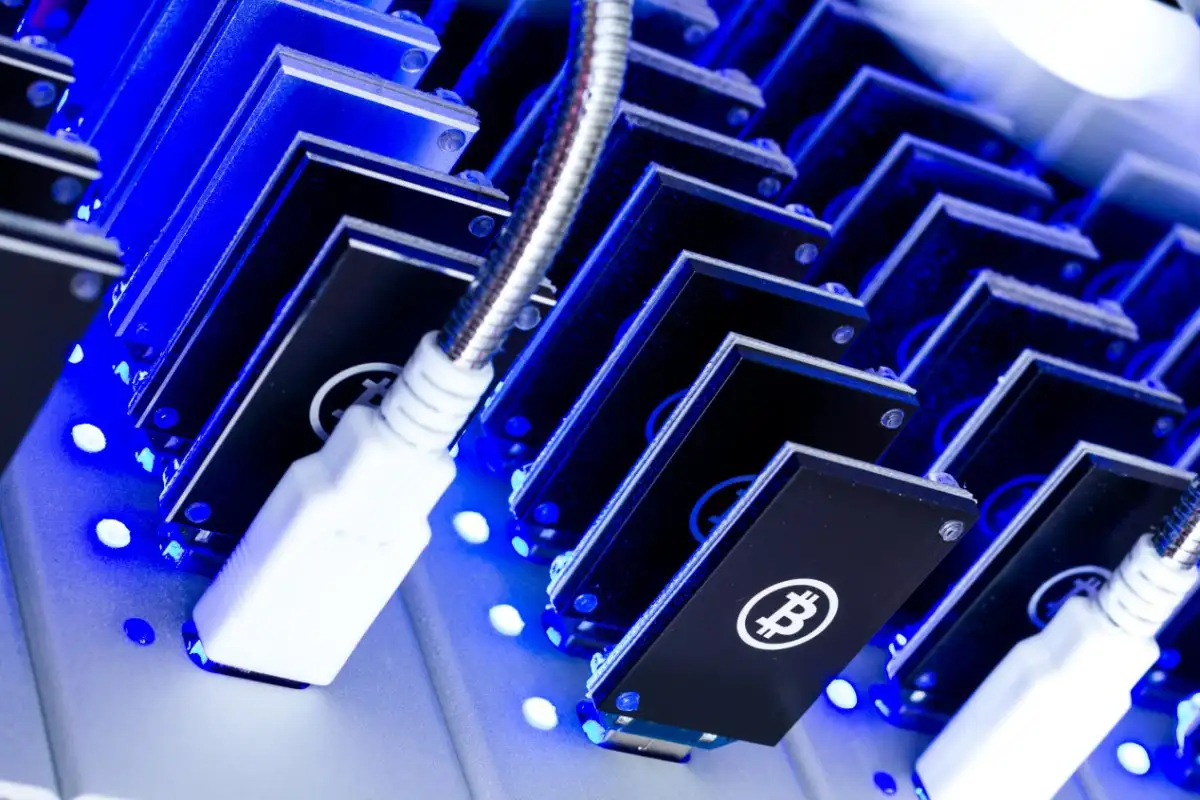
Source: Arina Habich / Alamy
This is why cold wallets fit long-term investors so well. If you’re buying Bitcoin to hold for months or years, you don’t need constant access. You need reliable custody under your control, with fewer opportunities for remote compromise. Cold storage also helps against a surprisingly common wrong-click issue. When signing is a deliberate, separate step, you’re less likely to approve a shady prompt in a hurry.
Of course, cold wallets aren’t magic. They shift the risk from remote attackers to physical and operational risks:
- Lose the device without a backup, and you’re in trouble.
- Store backups poorly, and someone else can take your funds.
- Skip verification steps, and you can still sign a bad transaction (offline doesn’t automatically mean correct).
As already mentioned, for many people, the sweet spot is hybrid: a small hot wallet for spending and a cold wallet for holding. That way, convenience doesn’t get to vote on your retirement plan.
Backup and Recovery
Bitcoin wallets recover access using a recovery phrase (a human-readable backup that can recreate your private key). That recovery phrase is not a “nice to have.” It is the master key to your self-custody, and anyone who gets it can control the Bitcoin tied to that wallet.
Here’s a step-by-step setup (for the full breakdown on how to back your crypto wallet up, take some time to read the dedicated guide):
- Create the wallet in a private environment. No cameras pointed at your desk, no screen sharing, no “I’ll do it later.”
- Write down the recovery phrase by hand. Don’t store it in a notes app, email draft, screenshot, or cloud drive. Digital copies are inherently exposed to online threats.
- Double-check the phrase. Many wallets will ask you to re-enter a few words; take that seriously because a single wrong word can break recovery.
- Store the backup securely. Use a place protected from casual discovery and environmental damage.
- Consider a second copy stored separately. Separate location helps if you deal with theft, flood, or simple misplacement. The tradeoff is that every extra copy is another thing to protect.
Now, what if your wallet device is lost, damaged, or wiped? The recovery process is typically to get a new wallet app or hardware wallet, choose “restore,” enter the recovery phrase, and regenerate the same public key and private key set. Your Bitcoin was never “in the device” anyway—it’s on the blockchain—so recovery is really about recreating the cryptographic key that proves control.
If you suspect your recovery phrase has been exposed (for example, you typed it into a fake site), treat it like a compromised bank account. Immediately create a new wallet with a fresh recovery phrase, then send your Bitcoin to the new wallet’s public key/address while you still can. Speed matters, because once someone has the phrase, wallet security is effectively gone.
One last rule that saves people from heartbreak: practice recovery before you store meaningful amounts. A small test restore confirms you wrote everything correctly and understand the process—because an emergency is a terrible time to learn.
Security Practices

Photo by Immo Wegmann on Unsplash
Wallet security improves dramatically when you treat Bitcoin storage like a system, not a single app. The system includes your devices, your accounts, your habits, and the way you handle private key material. That might sound like a lot, but the best practices are surprisingly approachable once you internalize them.
Start with the basics that prevent the most common compromises:
- Enable 2-factor authentication (2FA) on exchanges, email accounts, and any service tied to your crypto activity. 2FA won’t replace a private key, but it does stop a huge number of “password-only” takeovers that lead to withdrawals and social engineering.
- Update wallet software and operating systems regularly. Security patches close known vulnerabilities, and attackers love known vulnerabilities because they’re cheap to exploit.
- Watch for phishing threats. Fake wallet downloads, lookalike domains, and “support” DMs are the classics. If a site asks for your recovery phrase, that’s not support—that’s theft.
- Verify addresses and transaction details. Check the first and last characters of the destination address; consider using QR codes where appropriate to reduce copy/paste tampering.
- Separate roles: keep a hot wallet for spending and a cold wallet for storage, so one mistake doesn’t jeopardize everything.
Your public key and derived addresses can be shared, but your private key and recovery phrase cannot. If you remember only one rule, remember that one. A legitimate service might ask for a transaction ID or a receiving address, but it will never need your seed phrase to “fix” anything.
Finally, treat custody as a choice to mix and match. You can keep some Bitcoin on a custodial platform for convenience and still keep long-term holdings in self-custody where you control the cryptographic key. The win is not ideological purity but reducing the chance that a single failure (a hack, a lost device, a bad click) becomes a total wipeout.
Bitcoin Investing Strategies
Dollar-Cost Averaging
As previously covered, dollar-cost averaging (DCA) reduces Bitcoin timing risk by spreading buys across a schedule instead of betting on a single “perfect” entry. The idea is simple: you invest a fixed amount (say, weekly or monthly) regardless of Bitcoin’s price, usually through a cryptocurrency exchange or a broker that supports recurring purchases. When the crypto market dips, your fixed budget buys more BTC; when price spikes, it buys less. Boring? Yes. Effective at smoothing volatility? Often, also yes.
DCA is an investing strategy designed for investors whose investment objective is long-term exposure, not short-term bragging rights. A practical setup could look like $100 every Friday, or 5% of each paycheck on the 1st and 15th. You can keep the Bitcoin on-exchange for convenience, but most long-term investors eventually move it to a wallet they control (because exchange risk is a real risk, even in 2026).
The main trade-off here is opportunity cost. If Bitcoin rallies hard after you start, a lump-sum buy would have captured more upside. Still, if your biggest fear is buying the top, DCA is the strategy that lets you keep moving without needing a crystal ball or a time machine.
Lump-Sum Buying
Photo by Alexander Schimmeck on Unsplash
The opposite, lump-sum buying increases Bitcoin exposure immediately by deploying a large amount of capital in one purchase. This is the approach common in very specific scenarios: you received a bonus, sold an asset, reallocated from cash or bonds, or decided your investment objective is to move from “watching Bitcoin” to actually owning it.
The potential benefit is straightforward: if Bitcoin trends upward after you buy, you capture the move from day one. In a strong bull phase, waiting around with DCA can feel like showing up to the party after the best song ended. But the risk is equally straightforward: Bitcoin is volatile, and lump-sum entry concentrates timing risk into a single moment. If you buy right before a sharp drawdown, you’ll feel it immediately.
One more wrinkle in 2026 is market structure: institutional capital flows through ETFs can influence price discovery, which can change how fast (and how sharply) price reacts to macro news and liquidity shifts. For lump-sum buyers, this matters because big inflows or outflows can amplify short-term swings—great if you’re right, painful if you’re early.
A practical compromise is a “split entry” lump sum: invest half today, then place the other half over the next 4–8 weeks. You still get meaningful exposure quickly, but you reduce the all-or-nothing timing risk. Plus, you can do this on a cryptocurrency exchange with limit orders (to avoid chasing fast candles) rather than market orders (which can slip in thin moments).
Rebalancing
Moving on to strategies for those who have already bought, rebalancing maintains a target Bitcoin allocation by periodically buying or selling to keep your portfolio aligned with your plan. If your investment objective is “I want 20% Bitcoin and 80% diversified assets,” rebalancing is what stops that 20% from quietly becoming 45% after a rally (or shrinking to 8% after a drawdown) without you noticing.
The “how” is mechanical: you pick a target allocation and a schedule or threshold. A schedule approach might be monthly or quarterly rebalancing. A threshold approach might be “rebalance whenever Bitcoin moves 5% away from target.” If Bitcoin outperforms and becomes overweight, you sell some BTC and move proceeds into underweight holdings. If Bitcoin underperforms, you buy BTC to return to target. It feels counterintuitive—selling winners and buying losers—but it’s basically disciplined risk control, especially important in a volatile crypto market.
Rebalancing works best when you can execute efficiently. Fees, spreads, and taxes (where applicable) can turn a good idea into an expensive habit, so investors often rebalance less frequently unless allocations drift meaningfully. A cryptocurrency exchange with clear fee tiers and good liquidity helps, and some investors prefer rebalancing with a Bitcoin ETF inside a brokerage account for operational simplicity. Convenience is not a sin—just be honest about the trade-off (self-custody vs third-party custody).
Worth mentioning: rebalancing won’t eliminate risk, but it can stop risk from silently taking over your portfolio.
Trading Bitcoin

Trading targets short-term Bitcoin price moves to generate profit, usually using technical analysis and strict risk rules. This is a different animal from long-term investing strategy choices like DCA or rebalancing. Trading cares less about whether Bitcoin will be higher in five years and more about what it might do in the next hour, day, or week.
Most Bitcoin traders operate on a cryptocurrency exchange and rely on tools like candlestick charts, moving averages, RSI, support/resistance zones, and volume analysis. Two common approaches are:
- Day trading: opening and closing positions within the same day, aiming to capture intraday volatility.
- Swing trading: holding positions for several days to weeks, trying to ride medium-term trends and pullbacks.
Here’s what many beginners miss: trading is not just “predicting direction.” It’s position sizing, stop-loss placement, and limiting downside so one bad move doesn’t wipe out your account. In other words, risk management is the product, and “profit” is a side effect when executed well.
Market plumbing matters more in 2026 than it did in earlier cycles. ETF flows influencing price discovery create new volatility regimes around macro events, liquidity shifts, and sudden order-flow bursts. A trader who ignores flow-driven risk may get chopped up by moves that don’t “look technical” on a chart but are very real in order flow.
Trading BTC can be a valid investment objective if you treat it like a skill-based practice (with rules, journaling, and limits). If you treat it like a casino though, the crypto market has a way of collecting tuition fast—and it doesn’t offer refunds.
Fees and Taxes on Bitcoin (BTC)
Trading Fees
Bitcoin investing incurs trading fees on every buy and sell you place on a trading platform, and those percentages quietly decide whether an active strategy is worth it. The basic pattern is simple: most exchanges charge a maker or a taker fee, and the rate usually drops as your 30-day trading volume climbs. That tiering is why two people can use the same venue and still pay very different totals.
Here’s the practical range you’ll typically see across major names like Coinbase, Binance, and Kraken: ~0.00% to ~0.60% per trade, depending on (1) maker vs taker and (2) your volume tier. Many exchanges also have “simple buy” / “instant buy” flows that bundle extra costs into the price you get, which can feel like a fee even when it’s not shown as a line item (more on that in spreads). If you’re used to a stock brokerage account, this is the first “wait, what?” moment—crypto fees can be higher, and they can be structured differently.
Ask yourself how this interacts with your strategy. If you dollar-cost average into Bitcoin once a week, a small fee may be tolerable because you’re optimizing for consistency, not micro-efficiency. If you trade in and out frequently, fees can become your loudest risk because every round trip is two charges (buy + sell).
A quick sanity check before you click “Buy”: confirm whether your order type qualifies for maker/taker pricing, verify your current tier, and decide if your plan actually needs frequent trades or if a lower-churn approach would keep more Bitcoin working for you.
Spreads
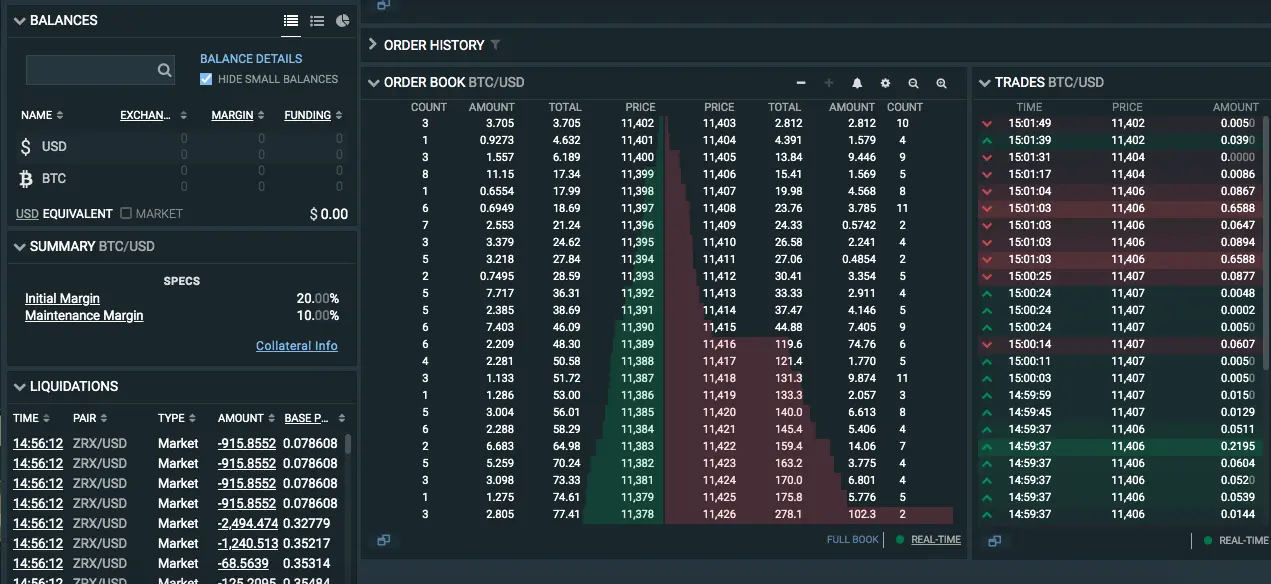
Bitcoin spreads add a “hidden” cost to a trade because you pay the difference between the best available buy price (ask) and sell price (bid), even if the trading fee looks low. You may not even see it as a receipt line but your portfolio feels it immediately.
Spreads vary a lot by platform design and market conditions. On an order-book exchange view (often labeled “Advanced Trade” or similar), spreads can be relatively tight when liquidity is strong and the order book is deep. On the other hand, “one-click” purchase flows can embed wider spreads because you’re effectively paying for convenience, risk buffering, and execution handling.
Here’s what investors should watch for when evaluating spreads on a trading platform:
- Quote type: Are you seeing a live order book price, or a guaranteed quote that bakes in a buffer?
- Order size sensitivity: Larger orders can “walk the book” (fill across multiple price levels), turning a tight-looking spread into a worse average execution.
- Volatility windows: Spreads often widen during fast moves, major news, or thin-liquidity hours—great for adrenaline, not great for cost control.
- Buy vs sell symmetry: Some simple interfaces are especially punishing on the sell side, which matters if your plan includes rebalancing or taking profits.
Want an easy test? Open the buy and sell screens for Bitcoin at the same time and compare the quoted prices for the same amount. If the gap looks chunky, that’s the spread talking. For long-term holders, a wider spread can be a one-time annoyance but for anyone trading frequently, spread becomes strategy-defining—because you need price movement just to break even.
Network Fees
Bitcoin network fees pay miners to include your transaction in a block, and they can swing from “barely noticeable” to “why is this so expensive today?” depending on network congestion. Unlike trading fees (which are set by a platform), network fees are a feature of the Bitcoin network’s demand for block space at that moment. You’re not paying an exchange for service here but you’re paying the network for priority.
Mechanically, you attach a fee to your transaction, often measured in satoshis per virtual Byte (sats/vByte), and miners generally prioritize higher-fee transactions when blocks are full. When mempools are busy, fees rise; when demand cools off, fees fall. The result is variable final cost and variable confirmation speed—two levers tied together. Pay more, and you usually confirm sooner; pay less, and you might have to wait.
For investors, this is how network fees manifest:
- Deposits and withdrawals: Moving Bitcoin off an exchange to self-custody typically triggers an on-chain withdrawal, and that’s when network fees matter most.
- Self-custody housekeeping: Consolidating UTXOs (combining smaller chunks of BTC) can become pricey during congestion, even though it’s a smart security/maintenance move.
- Small transactions: If you’re sending tiny amounts, a flat-ish network fee can be disproportionately painful.

Say, you buy Bitcoin on Kraken and plan to move it to a hardware wallet. The trading fee affects the purchase, but the network fee affects the withdrawal timing and cost. If you’re patient, waiting for a quieter period can reduce the fee meaningfully. If you need funds moved now (say, for a time-sensitive payment), you may decide speed is worth paying for.
Network fees are not “optional” in the sense of avoiding them entirely—unless you keep Bitcoin on-platform. That’s a trade-off, of course (custody risk vs convenience), and safety should stay in the driver’s seat.
Tax Treatment
Bitcoin tax treatment (in the U.S.) generally follows property-like logic: you can owe tax when you dispose of it, even if no dollars ever touch your bank account. That’s the part that surprises beginners, especially those coming from a traditional brokerage account where the taxable moments feel more familiar and neatly packaged.
Common taxable events typically include:
- Selling Bitcoin for fiat (realizing a capital gain or loss).
- Trading Bitcoin for another cryptoasset (still a disposal in many frameworks, even though it feels like a “swap”).
- Spending Bitcoin on goods/services (you disposed of BTC; you may have a gain/loss).
- Receiving Bitcoin as income (often treated as ordinary income at the time of receipt, with basis set from that value).
Basis and holding period are crucial to consider. Your cost basis is what you paid (plus certain costs), and your holding period determines whether gains are short-term or long-term under typical capital gains rules. If you buy Bitcoin on Coinbase in multiple lots over time, you don’t have “one Bitcoin” with “one price”—you have a stack of tax lots, each with its own clock and basis.
Exchanges may provide tax forms for some activity, but those forms can be incomplete if you move coins between platforms or into self-custody. That’s why generic tax advice like “just download your exchange PDF” can backfire; you often need full transaction history across every wallet and venue you used. If your situation is complex, professional tax advice from a qualified preparer is worth considering—because the cost of being wrong can dwarf the cost of getting help, and nothing in this guide is legal advice.
Recordkeeping
So, if you must do your taxes, Bitcoin recordkeeping protects you at tax time because it turns a messy pile of transactions into defensible numbers: proceeds, basis, gains/losses, and income. If you only ever buy and hold on one exchange, records can be easy. The moment you use multiple venues—say Binance for trading, Kraken for on-ramps, and Coinbase for recurring buys—manual tracking gets old fast (and mistakes get sneaky).
A good recordkeeping setup should capture, at minimum:
- Date/time of each transaction (and time zone, if available).
- Asset and amount (BTC in, BTC out).
- Value in local currency at the time of the transaction.
- Fees paid (trading fees and network fees), and how they were charged.
- Wallet/exchange identifiers (which address or account moved the coins).
- Transaction IDs (TXIDs) for on-chain movements.

Here’s the key part: transfers aren’t taxable by themselves, but they are the #1 way people “lose” their cost basis. If you withdraw Bitcoin from Coinbase to a personal wallet and later deposit into Kraken, you need to link those movements so you don’t accidentally treat the deposit as new income or unknown-basis inventory.
For efficient tracking, you have two realistic methods. The first is spreadsheet discipline (export CSVs from each trading platform, record wallet TXIDs, and reconcile monthly). The second is using dedicated crypto tax software that can ingest exchange APIs and wallet addresses, then apply lot selection methods consistently. Either way, set a cadence to keep track of the records instead of scrambling when the tax season comes.
Finally, keep copies of everything. Exchanges change interfaces, APIs break, and accounts get closed. A local archive of CSV exports, screenshots of confirmations, and wallet notes is a more reliable solution by comparison.
More Considerations for Bitcoin Investing and Risk Management
Bitcoin investing demands risk controls because the asset is volatile and the surrounding infrastructure (exchanges, custody, and rules) can fail in very different ways. Blockchain technology gives Bitcoin its censorship-resistant backbone, but your personal outcomes still depend on sizing, leverage choices, who you trust with custody, what regulators do next, and whether you can spot the scams fast enough. That is the real game.
Position Sizing
Bitcoin position sizing determines how much of your portfolio you can allocate without letting a single volatile asset hijack your financial plan. The key part is that sizing is not about “maximum upside,” it’s about “maximum tolerable downside” (because Bitcoin can move a lot, quickly, in both directions).
A practical way to think about it: start with your risk tolerance, then translate that into a drawdown you could live through. If a 30–50% drop would make you panic-sell, your allocation should be smaller than someone who can watch that kind of move and still sleep. Sounds obvious, but most sizing mistakes happen when people assume they are “long-term” investors right up until the first ugly candle.
Building on that, you can size with guardrails:
- Define a max loss you can accept on your Bitcoin slice (in dollars, not vibes).
- Work backwards into allocation given Bitcoin’s historically volatile behavior.
- Use staged entries (DCA or tranching) so you are not forced to time a single “perfect” price.
Here’s an example. If you have a $50,000 portfolio and you decide you can tolerate a $2,500 hit without changing your life, then a 25% drawdown on Bitcoin implies an allocation around $10,000 (20%). If a 50% drop is on the table (and with Bitcoin, it always is), that same $10,000 could mean a $5,000 hit—too large for your stated comfort—so you would size down or build the position slowly.
The important detail is that “network strength” does not equal “price stability.” Bitcoin’s security can improve while price remains volatile. Network robustness reduces certain protocol-level threats, but it does not protect your portfolio from market swings, liquidity shocks, or your own emotions.
Leverage

Bitcoin leverage amplifies returns and losses by letting you control more BTC exposure than your cash balance would normally allow. On the other hand, leverage also adds a second enemy: liquidation mechanics (your position can be forcibly closed) even if your long-term thesis is correct.
Under the hood, leverage means borrowed funds, margin, or derivatives (like perpetual futures). If Bitcoin moves against you by a certain percentage, the exchange’s risk engine closes your position to protect the lender. In plain English: you do not get to “wait it out” if your margin is insufficient. With a volatile asset, that is a dangerous mismatch.
Moreover, since Bitcoin trades 24/7, you are not just exposed during business hours—your risk runs overnight, on weekends, and during every macro headline.
A concrete scenario: you open a leveraged long because you believe Bitcoin is undervalued. Price dips sharply on a Sunday, your margin ratio spikes, and the exchange liquidates you at the worst point. Monday arrives, price rebounds, and your thesis “wins,” but your account is already gone. That is the emotional trap leverage creates: it punishes being early the same way it punishes being wrong.
Mitigation is boring, but effective:
- Use lower leverage than you think you need and assume sharp price moves will happen.
- Keep excess collateral so a routine dip does not trigger liquidation.
- Prefer spot exposure for long-term holding, because it removes liquidation risk entirely.
Counterparty Risk
Bitcoin counterparty risk appears when you rely on an exchange, broker, lender, or custodian to hold coins or settle trades on your behalf. Blockchain technology can let you self-custody, as covered in detail above, but the moment you leave BTC on a platform, you are trusting that platform’s solvency, security practices, and operational competence.
The cybersecurity risk angle is straightforward: centralized services are high-value targets. A well-secured Bitcoin network does not prevent exchange account takeovers, SIM swaps, leaked API keys, insider fraud, or compromised withdrawal systems. These are not “Bitcoin got hacked” events; they are “your service provider got hacked” events.
Counterparty risk is also financial. Even if an exchange is not hacked, it can freeze withdrawals, suffer a bank disruption, or fail due to mismanagement. When that happens, your BTC may become inaccessible exactly when you want it most (during volatility), which is not a great time to discover your assets were effectively an IOU.
Let’s reiterate tips and strategies to minimize this risk:
- Self-custody for long-term holdings (hardware wallets are the common choice because keys stay offline).
- Use exchanges for execution, not storage (deposit, trade, withdraw—done).
- Split exposure across venues if you must keep funds on platforms for trading.
- Enable strong account security (2FA via authenticator app, withdrawal allowlists, device hygiene).
Counterparty risk often masquerades as convenience. A slick app can feel “safe” in the fintech sense, but Bitcoin custody is different: if you do not control the private keys, you do not control the coins.
Regulatory Risk

Bitcoin regulatory risk comes from changing rules that can impact access, taxation, reporting, custody services, and even how exchanges list or delist products. Regulatory protection can be a real benefit when it improves transparency and consumer safeguards, but it can also create sudden friction—especially if you rely on third parties to on-ramp, off-ramp, or custody.
What does “changing regulations” look like in practice? Not usually a dramatic ban headline (those happen, but they are not the only issue). More often it is incremental: tighter KYC/AML requirements, stricter stablecoin rules affecting liquidity, restrictions on certain leveraged products, or new reporting obligations that make some platforms exit a market. The result for a Bitcoin investor can be very practical: fewer services available, higher compliance checks, longer withdrawal times, or forced product closures.
On the other hand, clearer regulation can reduce certain risks. Stronger standards for custodians and exchanges can lower counterparty blowups, and explicit consumer rules can improve regulatory protection in disputes, depending on jurisdiction and the specific service. The catch is that the transition period is messy, and markets dislike uncertainty.
A simple mitigation mindset:
- Assume access can change (have more than one fiat on/off-ramp option).
- Keep custody flexible (self-custody reduces dependency on a single regulated intermediary).
- Track rule changes where your exchange is licensed (because a platform’s compliance footprint matters more than its branding).
- Avoid building a plan around products that are often targeted first, like high-leverage derivatives.
Bitcoin can keep producing blocks regardless of regulatory noise—blockchain technology does not ask permission—but your ability to buy, sell, or custody through companies absolutely can be shaped by policy.
Scam Avoidance
Last but not in the very slightest least, Bitcoin scam avoidance is about treating every unexpected message, link, and “support” interaction as hostile until proven otherwise. Crypto scams are not just annoying; they are optimized for speed, confusion, and irreversible transfers—exactly the opposite of what you want when managing money.
The most common traps tend to rhyme:
- Phishing schemes: fake exchange login pages, fake wallet updates, fake “verify your account” emails.
- Impersonation: someone pretending to be customer support on X/Telegram/Discord.
- Fraudulent services: guaranteed returns, “risk-free” arbitrage bots, shady recovery firms.
- Address tricks: clipboard malware swapping a Bitcoin address right before you send.
As a network, Bitcoin is secure against brute-forcing but strong network security does not save you from human-layer attacks. Scammers do not need to attack the protocol if they can trick you into authorizing a transfer.
If you want a simple rule: Bitcoin makes value transferable without intermediaries, and that also means mistakes can be final. A little paranoia of the healthy kind is just basic operational security here, just as cypherpunks intended.
Conclusion
In sum, the simple question “How to invest in Bitcoin?” is actually multiple questions in a trenchcoat. Where do you buy BTC? What type of investment vehicle do you choose for BTC exposure? How do you keep your investment safe and sound? Hopefully, after our guide, you are equipped to answer all of these and ready to put it into practice.
Frequently Asked Questions
What do you need to buy Bitcoin?
Bitcoin buying requires identity-verified access to a cryptocurrency exchange or other trading platform, a payment method, and a plan for custody. Sounds basic, but the “plan” part is where most beginners trip (because blockchain technology doesn’t come with a password reset button).
Start with the rails. A reputable cryptocurrency exchange will typically ask you to complete KYC (identity verification), then fund your account via bank transfer, card, or other supported options. After that, you can place a market or limit order for Bitcoin and you’ll see the BTC balance in your exchange account. Easy. The important detail is what happens next: leaving BTC on an exchange means the exchange controls the private keys, not you.
Now add two practical ingredients: fees and sizing. Every trading platform has its own mix of trading fees, spreads, and withdrawal costs, so “buying Bitcoin” can mean slightly different totals depending on where you click the button. This matters a lot for small purchases, where fixed withdrawal fees can feel like a speed bump.
Finally, bring in the safety checklist. Use unique passwords, enable two-factor authentication (preferably an authenticator app rather than SMS), and double-check website URLs before you sign in. A real-world analogy? Treat your exchange login like your email login—because if someone gets it, they can usually reset everything else.
If your goal is a long-term investment opportunity, decide up front whether you’re buying to hold (and withdraw) or buying to trade actively. You can absolutely do both, but mixing them in one account without a plan is how “investing” turns into “oops, I accidentally became a day trader.”
How do you store Bitcoin?
Bitcoin storage requires choosing between custodial storage (a cryptocurrency exchange holds the keys) and self-custody (you hold the keys), then applying strict wallet security habits. That choice is basically a trade: convenience vs control, with your risk profile sitting in the middle.
Custodial storage is what you get by default when you buy on a trading platform and keep the BTC there. The upside is simplicity—password reset flows, customer support, and no seed phrase to manage. The downside is custody risk: if the exchange is hacked, freezes withdrawals, or your account is compromised, your Bitcoin can become inaccessible. Best practices here are non-negotiable: use a long unique password, enable strong 2FA, set up anti-phishing codes if the platform offers them, and whitelist withdrawal addresses where possible. Also, separate your email security from your exchange security (different password, strong 2FA), because email is the master key to most accounts.
Self-custody means your Bitcoin is controlled by your private key, usually via a software wallet or a hardware wallet. In blockchain technology terms, the wallet doesn’t “hold” coins; it holds keys that authorize spending. Here’s the key part: your seed phrase (recovery phrase) is the real vault. Write it down offline, store it in more than one secure physical location, and never type it into random websites or share it with anyone “helping” you. If a person asks for your seed phrase, they are not helping. They are robbing you with extra steps.
A practical setup many investors use is “hot for spending, cold for saving.” Keep a small amount in a software wallet for transactions and move the long-term stack to a hardware wallet for tighter wallet security. If you want to explore decentralized finance, you’ll typically interact through a self-custodial wallet—so the security habits you build here carry over directly into DeFi (and yes, DeFi is unforgiving).
Can you buy fractions of Bitcoin?
Bitcoin supports fractional buying, so you can purchase a small slice instead of a whole coin. This is not a workaround—it’s how Bitcoin works at the unit level, because BTC is divisible into smaller units on the network.
Fractional ownership is practical for two reasons. First, it lowers the entry barrier. You don’t need the capital to buy 1 BTC to get exposure to Bitcoin as an investment opportunity; you can start with an amount that fits your budget and risk tolerance. Second, it makes portfolio construction easier. If you’re building a diversified portfolio (cash, equities, maybe other digital assets), fractional BTC lets you target a specific allocation—like “I want 2% of my portfolio in Bitcoin”—without forcing awkward, oversized buys.
On most cryptocurrency exchange interfaces, you’ll see this as buying by fiat amount (“Buy $50 of BTC”) rather than buying by BTC amount. Under the hood, you’re receiving a fraction credited to your account, and you can later withdraw that fraction to a self-custodial wallet like any other amount (minimum withdrawal limits may apply on the trading platform, so check before you buy tiny amounts repeatedly).
Fractional buying also pairs nicely with disciplined strategies like periodic purchases. Instead of trying to time the market, you can spread entries over time, which may reduce the emotional whiplash that comes with Bitcoin’s volatility. No magic, no guarantees—just a smoother process.
One more detail people miss: fractional ownership doesn’t reduce your need for wallet security. A small amount can still be stolen, and small losses add up fast when repeated. So yes, buy fractions. Just protect them like the whole thing.
Can you get rich buying Bitcoin?
Bitcoin can create significant gains, but Bitcoin can also deliver brutal drawdowns, so “getting rich” is possible but never guaranteed. If you’re asking this question, the real question underneath it is usually: “How much risk am I actually taking?”
Bitcoin’s price has historically moved in big cycles, which makes it attractive as an investment opportunity and stressful as a day-to-day holding. The same volatility that can multiply returns can also cut your position in half in a short window. That matters because many people don’t fail on math—they fail on behavior. They buy when excitement is high, panic when the chart turns ugly, and then swear it was “rigged.” (No, it was just volatile.)
The safer framing is: Bitcoin can be a high-risk, high-volatility asset within a broader plan. If you treat it like a lottery ticket, you’ll likely trade emotionally. If you treat it like a long-term allocation, you’ll focus on position sizing, time horizon, and custody choices. Those are boring words, but boring words keep you solvent.
A concrete example: imagine two investors buy the same amount of BTC on the same trading platform. Investor A keeps it on a cryptocurrency exchange with weak account security and no 2FA. Investor B moves it to self-custody and secures the seed phrase properly. Even if the market price performs identically, their outcomes can diverge massively because operational risk (wallet security and custody) is real risk.
Also, be careful with leverage and “guaranteed yield” promises. In crypto, the fastest way to lose money is to chase returns you don’t understand. If you explore decentralized finance, start small and assume smart contracts and protocols can fail—because sometimes they do.
So yes, Bitcoin can change someone’s finances. The price can move. But the bigger question is whether your process can survive the parts where the price moves the wrong way.
What can you do with Bitcoin after buying?
Bitcoin lets you hold, trade, spend, or use it as collateral in certain ecosystems, depending on your custody setup and goals. The best next step depends on whether you bought BTC as a store of value, a trading position, or a tool.
Holding is the simplest. You buy Bitcoin, secure it (custodial or self-custodial), and sit tight. People do this because Bitcoin’s value proposition is tied to scarcity and the broader adoption of blockchain technology, and holding avoids the constant decision-making that comes with trading. The tradeoff is patience—you have to tolerate volatility without pressing buttons.
Trading is the active route. Keeping BTC on a cryptocurrency exchange makes trading easier because you can enter and exit quickly, set limit orders, and manage multiple positions. The downside is that frequent trading increases fee drag and emotional mistakes, and it keeps you exposed to custodial risks as long as the coins stay on the platform. If you’re going to trade, define rules first (timeframe, risk per trade, and what makes you exit). Otherwise, the chart becomes your boss.
Spending is possible too, depending on merchants and payment providers in your region. For some people, using Bitcoin even occasionally makes it feel “real” in a way that a chart never will. Just remember: spending BTC can have tax implications depending on where you live, so treat it like a financial action, not a casual swipe.
Then there’s the “advanced toolbox,” which often overlaps with decentralized finance. Some users bridge or wrap Bitcoin (using tokenized representations on other chains) to access DeFi lending, liquidity pools, or yield strategies. Here’s the key part: this adds extra layers of risk—smart contract risk, bridge risk, and custody complexity. If you go this route, start with an amount you can afford to learn with, and keep wallet security tight.
If you explore “Bitcoin-adjacent” crypto use cases, you’ll also hear about digital asset application categories like gaming economies, the metaverse, and even older hype cycles like the initial coin offering era—interesting context, but separate from Bitcoin’s core role as a bearer asset with simple tokenomics.
Should I choose Bitcoin or a spot Bitcoin ETF?
Bitcoin ownership gives you direct control and self-custody options, while a spot Bitcoin ETF gives you regulated brokerage access without handling keys, usually with ongoing fees. That’s the cleanest split: control vs convenience.
Buying Bitcoin directly on a cryptocurrency exchange (or similar trading platform) means you can withdraw it to your own wallet and control your custody. That’s a big deal if you want sovereignty: you can move coins anytime, store them in cold storage, and use them across the crypto ecosystem, including decentralized finance. The flip side is responsibility. You must manage wallet security, backups, and safe transaction habits. Mistakes can be permanent.
A spot Bitcoin ETF is different. You’re not holding BTC in your own wallet; you’re holding shares of a fund that holds Bitcoin. In many cases, the fund is organized under an investment company structure, and the sponsor’s fee schedule becomes part of your long-term cost. For many investors, that’s the point. You can buy and sell through a traditional brokerage account, potentially alongside other assets, and you don’t need to learn seed phrases, addresses, or how blockchain technology custody works under the hood. On the other hand, you typically pay an expense ratio (an ongoing fee), and you can’t withdraw BTC for on-chain use because you don’t own the actual coins in self-custody.
A practical way to decide is to ask: “Do I want Bitcoin the asset, or Bitcoin the price exposure?” If you want price exposure in a familiar wrapper, an ETF can make sense. If you want to use Bitcoin as a bearer asset (transfer it, self-custody it, or interact with the broader crypto world), direct ownership wins.
Also consider your timeline. Long-term holders who care about control often prefer direct custody. Investors who prioritize simplicity, reporting, and traditional account structures often lean ETF. Neither is “better” universally—it’s better for a specific job.
Is Bitcoin safe to hold on an exchange?
Bitcoin can be reasonably safe on a cryptocurrency exchange if the platform has strong security controls, but exchange custody always adds counterparty risk compared to self-custody. In plain English: you’re trusting someone else with your keys.
Start by evaluating the trading platform’s security posture. Look for features like mandatory 2FA support, withdrawal address whitelisting, login alerts, device management, and anti-phishing protections. Then look at your own setup, because user-side failures are common: weak passwords, reused credentials, and compromised email accounts. If your email gets hacked, your exchange account is often next, even if the exchange itself is fine.
The important detail is what you’re optimizing for. Exchanges are convenient for frequent trading, quick swaps, and managing orders. That convenience is real. But “safe enough for trading” is not always “safe enough for long-term storage,” especially for amounts you can’t afford to lose. If you’re holding as a long-term investment opportunity, moving Bitcoin to a self-custodial wallet (with solid wallet security practices) reduces reliance on third parties.
A good middle-ground approach is operational: keep a smaller balance on the exchange for active trades, and withdraw the rest to self-custody for storage. Think of it like keeping spending money in your wallet and your savings in a vault. Except the vault is your seed phrase, and the vault’s lock is your ability to keep it private.
Finally, watch out for the hidden risk: social engineering. Scammers love pretending to be exchange support, “security teams,” or recovery services. A legitimate cryptocurrency exchange will not need your seed phrase, and no real support agent needs remote access to your device. If someone asks for either, close the chat and secure your accounts immediately.
For completeness, note that some pooled products people confuse with “exchange holding” (like certain lending structures) can add another layer of structure and risk—sometimes resembling a commodity pool rather than simple spot custody—so read product terms before you assume your investment value behaves like plain Bitcoin.


