
Hopium & Copium: Definitions, Meaning, Significance


Contents
- 1. Key Takeaways:
- 2. What is Hopium? Definition and Core Meaning
- 3. The Psychology Behind Hopium
- 4. Hopium vs Copium: Understanding the Difference
- 5. Hopium in Crypto and Finance
- 6. Hopium in Social Media and Echo Chambers
- 7. Recognizing and Managing Hopium
- 8. Practical Strategies for Breaking Free from Hopium
- 9. Conclusion: Finding Balance Between Hope and Reality
Chances are very high that you have encountered accusations of being “on hopium” or “copium” in heated online discussions. But what do they mean? As verbal attacks often tend to be, they can be dismissed as pointless but there is a grain of truth to the reason these words needed to be conceived. In this guide, we will unpack what’s the difference between hopium and copium and what these terms say about the culture that uses them.
Key Takeaways:
- Hopium is an internet slang term derived from “hope” and “opium” that describes a persistent delusional attitude that goes too far beyond simply hoping for the best outcome.
- Copium is a similarly formed term but derived from “cope” instead. It has a similar connotation of delusion to it and describes going at excessive lengths to justify failed expectations.
- Both terms are used in online discussions concerning finance, sports or gaming but can be attributed to very real psychological issues with correctly assessing a situation. Luckily, these mental traps can be avoided and recovery is possible.
What is Hopium? Definition and Core Meaning
Hopium is a portmanteau—a blend of the words "hope" and "opium"—used to describe an irrational, almost addictive form of optimism. In simple terms, hopium means clinging to unrealistic expectations despite clear evidence pointing the other way. The term compares this behavior to opium use because it provides temporary emotional relief while disconnecting you from reality.

Opium creates a false sense of comfort, and hopium creates a false sense of security. People “on” hopium convince themselves that improbable outcomes will somehow materialize—whether that's a failing investment recovering, a long-shot prediction coming true, or an unlikely scenario playing out in their favor. Sounds oddly familiar, right? The metaphor captures how this mindset can become habit-forming, leading people to make poor decisions while feeling oddly optimistic about them.
Origins and Evolution of the Term
The term "hopium" emerged from internet culture, particularly within online trading and cryptocurrency communities during the mid-2010s. As retail investors flocked to volatile markets like Bitcoin and meme stocks, forum users on platforms like Reddit and Twitter needed language to describe the psychology they witnessed daily: investors refusing to sell losing positions, convinced prices would eventually "moon" (i.e. skyrocket).
The term gained mainstream recognition during the 2020–2021 cryptocurrency boom, when speculative behavior reached fever pitch. What started as insider slang quickly spread, and today, hopium has evolved even beyond finance—it describes unrealistic optimism in politics, technology, relationships, and entertainment.

The related term "copium" (derived from "cope" this time) emerged shortly after, describing the mental gymnastics people perform after their hopium-fueled predictions fail. Together, these terms form a linguistic ecosystem describing modern optimism bias in digital spaces.
Hopium ≠ Hope
New words emerge when there are new meanings to highlight: hope is healthy and evidence-based, hopium is delusional and evidence-resistant.
As a concept, hope involves realistic optimism grounded in probability and effort. You hope your business succeeds because you've built a solid plan. You hope a medical treatment works because doctors recommend it based on data. Hope acknowledges uncertainty but remains tethered to reason.
Hopium, on the other hand, ignores red flags entirely. It's the investor averaging down on a failing stock despite no fundamental improvement. It's the crypto holder refusing to sell at a loss, convinced the price will somehow recover despite clear downtrends. Hopium doesn't just resist bad news—it actively reinterprets failure as "delayed success."
Therefore, the line between hope and hopium is evidence and adaptability. Healthy hope adjusts when circumstances change. Hopium doubles down when reality pushes back.
The Psychology Behind Hopium
Hopium thrives on three core cognitive biases that distort how we process information and make decisions. First up is confirmation bias when people actively seek out information that supports what they already want to believe while dismissing contradictory evidence. In simple terms, if you're convinced a cryptocurrency will reach $100,000, you'll focus on bullish predictions and ignore warning signs.
Optimism bias takes this further. It's our tendency to believe we're special, that negative outcomes happen to others but not to us. This explains why investors hold losing positions far longer than rational analysis would suggest, convinced their situation will turn around despite mounting losses.

Then there's wishful thinking, the mental shortcut where desired outcomes override probability. We don't just hope for the best—we genuinely believe the best outcome is the most likely one, even when data suggests otherwise.
As behavioral economist Daniel Kahneman has pointed out in his work on decision-making, we are prone to overestimate how much we understand about the world and to underestimate the role of chance in events. This cognitive framework perfectly captures why hopium spreads so easily, especially in speculative markets like crypto where uncertainty is high and information overload is constant.
Why People Cling to Hopium
The psychological grip of hopium isn't just about faulty thinking—it's about emotional survival. When we've invested time, money, or identity into a particular outcome, admitting we were wrong in the worst case scenario triggers genuine psychological pain. Holding onto hopium provides emotional protection against this discomfort.
Fear of loss plays an even stronger role here. Research in behavioral finance consistently shows that the pain of losing $1,000 feels roughly twice as intense as the pleasure of gaining $1,000. This asymmetry means people will cling to hopium far longer than logic suggests, simply to avoid confronting their losses.
There's also a deeper psychological comfort factor at play. Hopium creates a narrative where eventual success is still possible, where we haven't made a terrible mistake, where our judgment isn't fundamentally flawed. According to research on cognitive dissonance, maintaining these reassuring narratives feels essential to protecting our self-concept and mental stability.
The Neurological Basis of False Hope
It gets worse: hopium is not just psychological but has real neurological roots too. When we anticipate a positive outcome, our brain releases dopamine, the neurotransmitter associated with reward and motivation. But dopamine doesn't respond to actual rewards only. It fires in response to the anticipation of rewards.

This creates a neurological feedback loop. Each piece of information that could support our hopeful narrative—a positive tweet, a price uptick, an optimistic article—triggers a small dopamine hit, reinforcing the behavior of seeking more confirming information. By the way, this is exactly why scrolling through bullish crypto Twitter feels so satisfying even when your portfolio is down.
This makes hopium physiologically addictive. People can maintain obviously unrealistic beliefs for extended periods because they're literally getting a neurochemical reward for doing so.
Hopium vs Copium: Understanding the Difference
Copium Definition and Meaning
Copium, likewise, is a portmanteau of "cope" and "opium"—it describes the psychological strategy people use to deal with disappointment or loss. When reality doesn't match expectations, copium becomes the mental rationalization that helps soften the blow. Think of it as emotional pain relief: instead of accepting a loss outright, people create narratives to make themselves feel better about what happened.
The copium meaning centers on post-disappointment justification. After a crypto investment crashes, for example, an investor might say, "I didn't need that money anyway" or "It's a long-term play." These statements aren't necessarily lies—they're coping mechanisms that protect emotional stability. The term emerged from internet culture, particularly in gaming and trading communities, where losses are frequent and often public.
Key Differences Between Hopium and Copium
By definition, hopium and copium represent different psychological phases. Hopium occurs before disappointment—it's the unrealistic optimism that fuels risky decisions. Copium kicks in after reality hits—it's the defense mechanism that protects ego and emotional well-being.
In practical terms, what is hopium in crypto? It's holding a meme coin convinced it'll reach $1, despite zero fundamentals supporting that belief. What is copium? It's saying "I'm not selling at a loss—I'm a long-term investor" after that coin drops 90%.
Hopium in Crypto and Finance

In particular, hopium in crypto does not have any special meaning to it. What is hopium in crypto specifically, you ask nonetheless? It's the emotional attachment to a position that overrides rational analysis. When investors ignore market fundamentals, regulatory developments, or technical indicators because they've convinced themselves of an inevitable turnaround—that's crypto hopium at work.
By the way, hopium isn't the same as confidence in long-term crypto adoption. It's specifically about maintaining irrational expectations despite mounting contradictory evidence.
Common Crypto Hopium Scenarios
The most recognizable hopium phrase in crypto? "Diamond hands." This originally meant holding through volatility with conviction, but it often morphs into refusing to acknowledge when a thesis has failed. HODL culture (sometimes explained as “Hold On for Dear Life”) follows the same pattern: what started as a legitimate long-term strategy becomes an excuse to avoid cutting losses.
An analysis of the Bitcoin Buy and Hold (HODL) strategy reveals the danger. Bitcoin experienced a 72.86% drawdown in 2022, yet many holders maintained positions based purely on hopium rather than risk management.
Stock Market Hopium Examples
As explained above, hopium isn't exclusive to crypto. Traditional stock investors fall into similar patterns through bag holding—keeping losing positions indefinitely while waiting for a recovery that may never come. Averaging down (buying more as prices fall) can be a legitimate strategy, but when driven by hopium rather than analysis, it compounds losses.
Refusing to cut losses represents pure hopium thinking too. Investors tell themselves "I haven't lost money until I sell," ignoring that unrealized losses still represent real financial damage. Sounds familiar? This mindset prevents portfolio rebalancing and keeps capital trapped in underperforming assets.
Meme Coins and Hopium Culture
If you have ever engaged with any of those communities, you know that meme coins represent hopium's most extreme form. These tokens often have no fundamental value proposition beyond community enthusiasm, yet they attract massive investments, albeit rarely with thousands of others failing.
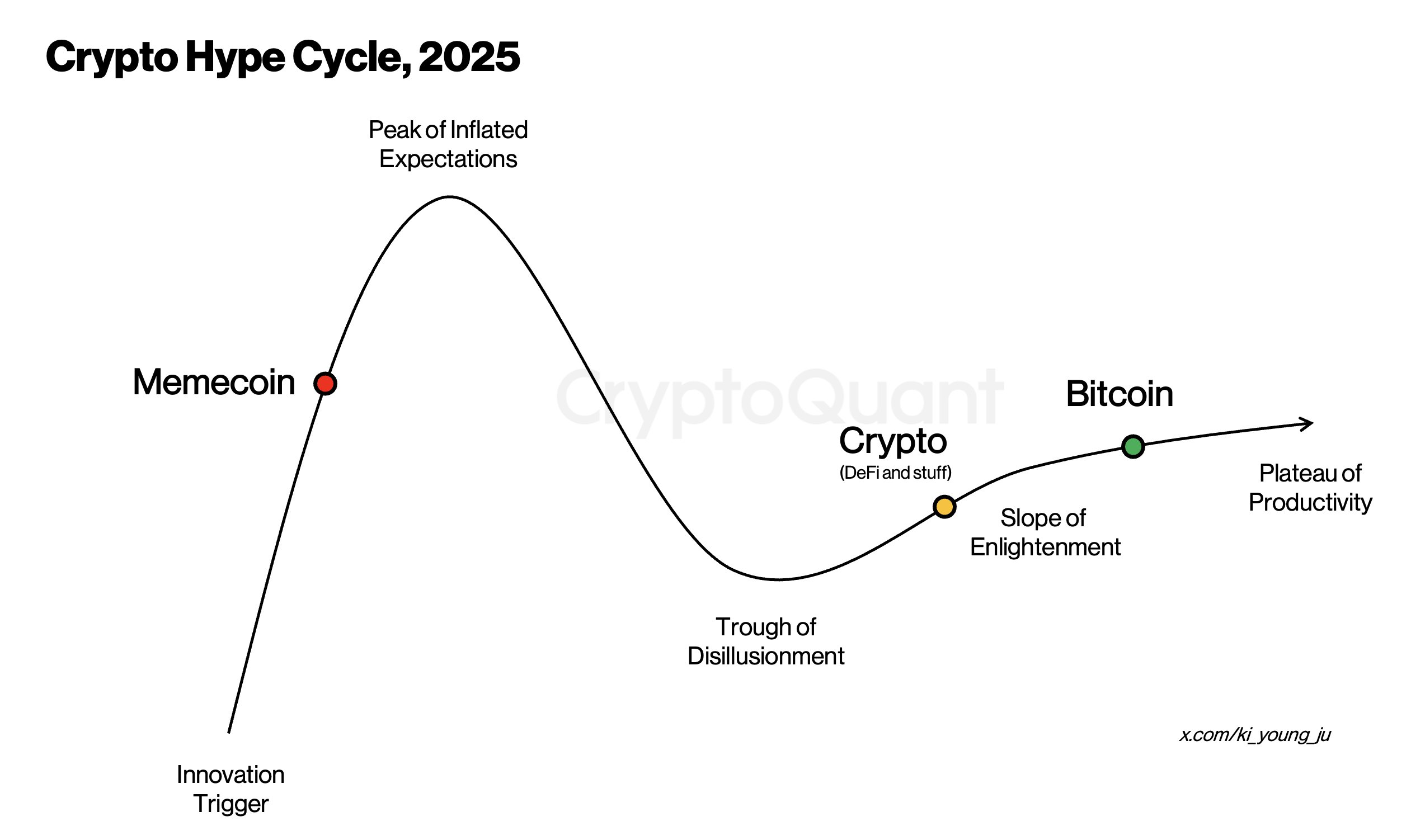
The hopium cycle with meme coins follows a predictable pattern: early hype creates FOMO, prices spike temporarily, then reality sets in as the token loses 95%+ of its value. Yet holders maintain their positions, convinced the "community" will drive another pump.
This is how hopium drives speculative investments—emotion replaces evaluation, and social proof substitutes for due diligence.
Hopium in Social Media and Echo Chambers
Hopium isn't limited to crypto—it shows up wherever people invest emotion, money, or identity into uncertain outcomes. The core mechanics stay the same (unrealistic expectations fueled by selective information), but the context changes how hopium manifests and what consequences follow.
What we are more interested in covering, though, as a crypto-focused blog, is the mechanics that crypto users see every day. Social media and other platforms are engineered to reinforce what we already believe, creating perfect conditions for hopium to flourish and spread faster than rational analysis can keep up.
How Social Media Amplifies Hopium
Social media algorithms prioritize engagement over accuracy. That means emotionally charged, optimistic content gets more visibility than balanced analysis. When you interact with hopium-filled posts about crypto taking off to the moon or stocks skyrocketing, the algorithm interprets this as preference and feeds you more of the same. This creates what psychologists call a filter bubble—you see primarily content that confirms your existing hopes and biases.
Nearly six in ten (59%) Gen Z adults get their financial information from social media, making it a primary channel for speculative narratives to spread. The problem? These platforms weren't designed for accurate financial education. They're designed to keep you scrolling.
As a result, confirmation bias gets turbocharged—you see endless posts supporting your hopium-driven position while critical perspectives get algorithmically buried.
Reddit, CT, and Hopium Culture
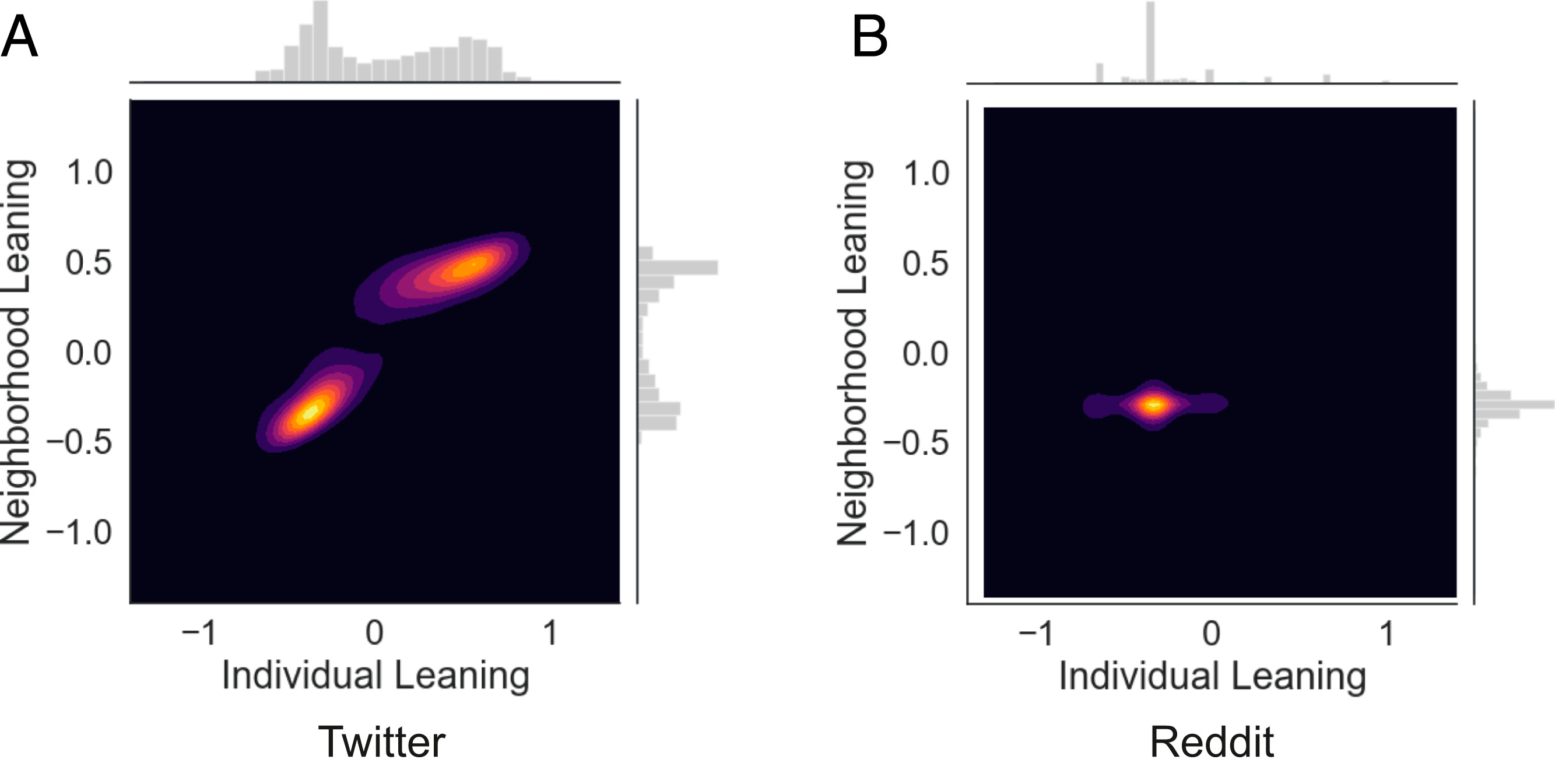
Different platforms cultivate hopium in distinct ways. Reddit's upvote system creates echo chambers where the most optimistic takes rise to the top of communities like r/CryptoCurrency or r/WallStreetBets. Combined with posts questioning popular hopium narratives getting downvoted into obscurity, rhetoric such as "HODL" and "diamond hands" starts to dominate discussions.
Twitter (now X) spreads hopium through viral threads and influencer amplification. A single optimistic prediction from a popular crypto account can reach millions within hours, boosted by users who might or might not be real. The character limit encourages punchy, confident statements over nuanced analysis—perfect for hopium, terrible for realistic assessment.
By the way, community dynamics play a massive role here. Being skeptical in hopium-heavy spaces often leads to social rejection or accusations of spreading "FUD" (fear, uncertainty, doubt—a term used to dismiss criticism). This social pressure keeps members aligned with the collective narrative, even when individual doubts creep in.
Influencer-Driven Hopium
Social media influencers have become the primary distributors of hopium in finance and crypto. A 2023 survey found that 46% of investors who use social media for financial guidance have acted on a specific influencer's recommendation. Add using social media as the most-used source for investment ideas, and you get a recipe for disaster.
The financial consequences are real. The SEC charged eight social media influencers in a $100 million stock manipulation scheme where they promoted stocks to followers, then dumped shares at inflated prices. Pumps-and-dumps are nothing new but now we have words to describe the precursors better and identify the red flags.
Here's what makes influencer-driven hopium so effective: perceived authenticity. Influencers share their "journey," post screenshots of gains (rarely losses), and create parasocial relationships with followers. When they promote unrealistic price targets or investment strategies, it feels like advice from a trusted friend rather than unqualified speculation. The result? Followers internalize the hopium and make decisions based on influencer enthusiasm rather than fundamental analysis.
Recognizing and Managing Hopium

Summing up, hopium stops being harmless optimism the moment it starts destroying real lives. What begins as wishful thinking can spiral into devastating financial losses, mental health crises, and fractured relationships.
Understanding when hopium has clouded your judgment is the first step toward making better decisions. The key is developing a structured approach that helps you spot warning signs, evaluate your thinking objectively, and apply critical analysis before acting on strong emotional impulses.
Warning Signs of Hopium Thinking
Step one: honest self-reflection. Here are the red flags that suggest you might be operating on false hope rather than realistic assessment:
You're ignoring negative information. When you find yourself dismissing criticism, avoiding price charts, or unfollowing accounts that share bearish perspectives, that's a major warning sign. Hopium creates tunnel vision—you only see what confirms your desired outcome.
You've stopped doing research. If your investment thesis now relies on "trust the process" or "diamond hands" rather than updated fundamentals, you're likely running on hopium. Real confidence comes from understanding what you own and why.
You're making emotional justifications. Phrases like "it has to go up eventually" or "I've already lost so much, might as well hold" signal hopium-driven thinking. These statements reflect emotion, not analysis.
Your timeline keeps shifting. Originally planning to hold for six months, but now it's "long-term" after losses? That's hopium adapting to disappointment. Healthy investing has defined goals and exit criteria.
You're doubling down without new data. Adding to losing positions simply because they're cheaper—what traders call averaging down—without fundamental changes in the asset's prospects is classic hopium behavior.
Identifying Hopium in Decision Making
Beyond recognizing the signs, you need practical frameworks to evaluate whether your decisions are based on hope or reality.
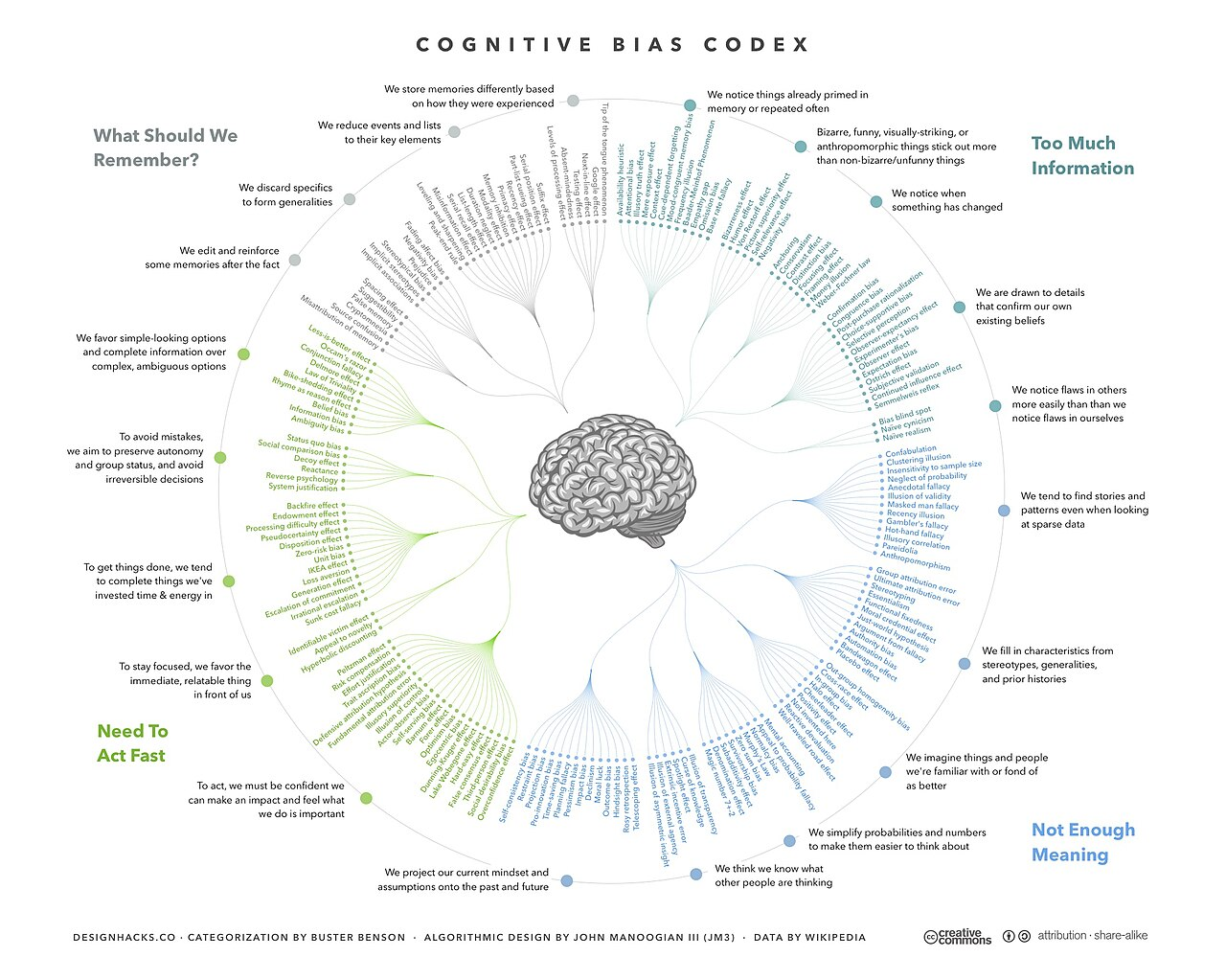
The Evidence Test: Can you articulate three concrete reasons—backed by data—why your position will improve? If you can't, you're likely operating on hopium rather than analysis.
The Stranger Test: Imagine explaining your investment thesis to someone with no emotional attachment. Would they find it compelling, or would they see holes in your logic? This mental exercise creates necessary distance.
The Exit Criteria Check: Before making any decision, define what would make you wrong. If you can't identify clear signals that would cause you to exit, you're not making a decision—you're placing a faith-based bet. Studies suggest many investors follow the crowd rather than personal analysis.
The Source Audit: Where is your information coming from? If your conviction comes primarily from social media echo chambers rather than diverse, credible sources, that's a hopium red flag.
The Role of Critical Thinking
Critical thinking is your best defense against hopium. It means actively questioning your assumptions and seeking evidence that contradicts your preferred outcome.
Ask "What if I'm wrong?" This simple question forces you to consider alternative scenarios. If the thought feels uncomfortable or you immediately dismiss it, hopium has likely taken hold.
Seek disconfirming evidence. Deliberately look for information that challenges your position. If you're bullish on a token, read bearish analyses. If every source you consume agrees with you, you're in an echo chamber—not reality.
Use probabilistic thinking. Instead of "this will moon," think in ranges: "There's a 30% chance of moderate gains, 50% chance of sideways movement, 20% chance of further losses." Hopium deals in certainties. Critical thinking deals in probabilities.
Implement cooling-off periods. When you feel urgency to act, wait 24–48 hours. Hopium thrives on emotional intensity and FOMO (fear of missing out). Time and space help logic return.
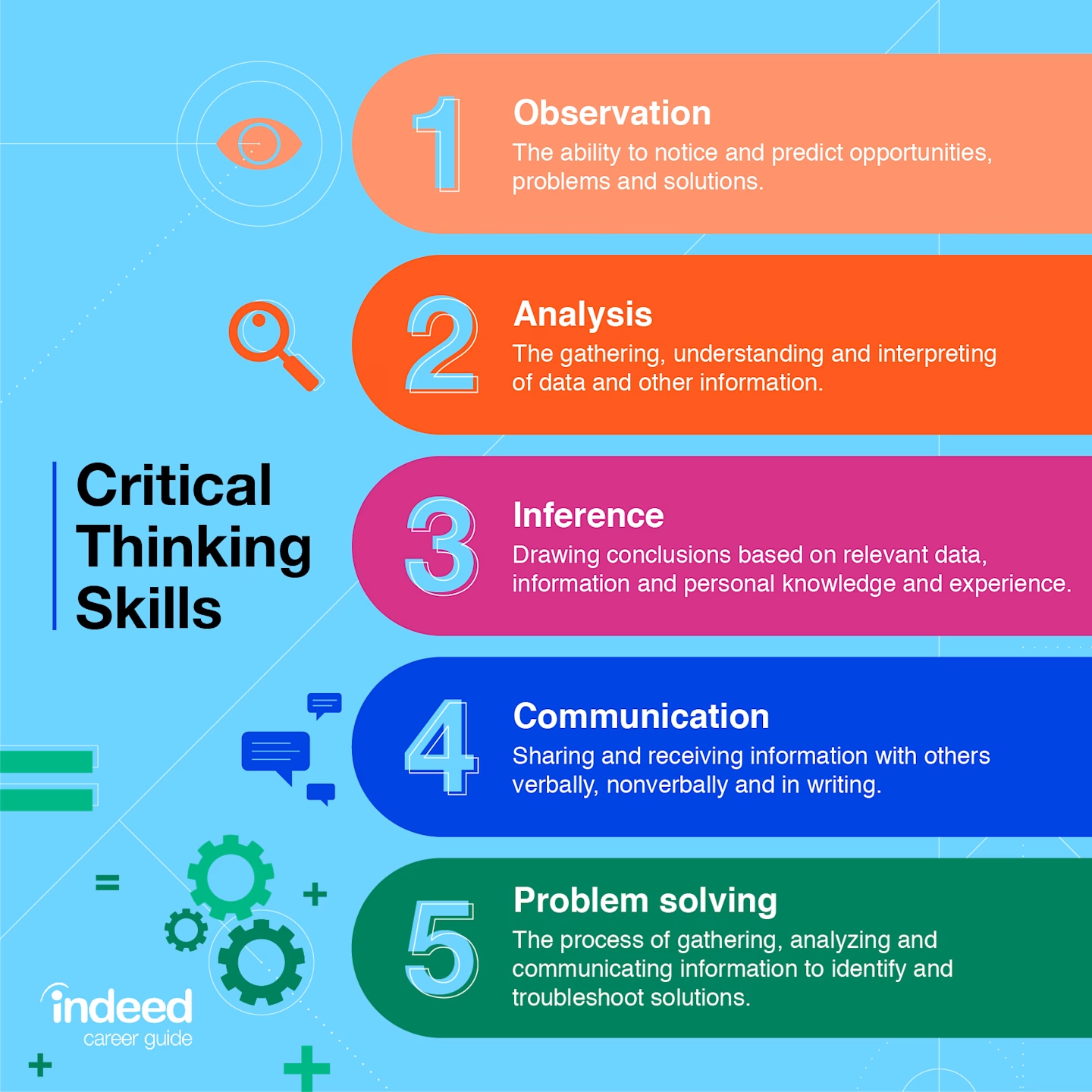
Don’t take it as needing to eliminate hope entirely—instead, ensure your hope is grounded in realistic assessment rather than wishful thinking. By recognizing warning signs early, using objective frameworks, and applying critical analysis, you can make decisions based on evidence rather than emotion.
Practical Strategies for Breaking Free from Hopium
Once you recognize hopium thinking in your own decisions, the next step is developing concrete tools to counteract it. Let’s see how you can anchor your expectations in reality while maintaining healthy optimism.
Realistic Expectations
Goal-setting frameworks help distinguish between aspirational thinking and delusions. Start by separating what you control (research, diversification, risk management) from what you don't (market movements, influencer predictions, timing). A useful approach: the probability-weighted scenario method. Instead of fixating on a single outcome ("This coin will 10x"), map out three scenarios—best case, likely case, worst case—and assign rough probabilities to each.
For crypto investments specifically, this means acknowledging that while Bitcoin might appreciate over time, it could also experience drawdowns exceeding 70% (as seen in 2022). Acknowledging downside scenarios before they happen reduces the emotional shock when markets turn.
Emotional Resilience
Emotional resilience acts as a buffer against hopium's psychological grip. Cognitive behavioral therapy (CBT) techniques prove especially effective here. Dr. Sarah Mitchell, a cognitive behavioral therapist specializing in financial psychology, explains: "The key to overcoming false hope is recognizing the cognitive distortions driving it. When clients catch themselves thinking 'This has to work out,' we reframe it as 'I want this to work out, but multiple outcomes are possible.' That subtle shift creates space for rational decision-making."
Practical coping mechanisms (not copium!) include pre-commitment strategies (setting automatic sell limits before emotions take over), delayed gratification exercises (waiting 48 hours before acting on investment impulses), and emotional journaling to track decision patterns. These tools help you distinguish between healthy optimism and the desperate clinging.
Accountability Systems
External checks counter the isolation that feeds hopium. Mentorship, peer review groups, or even a trusted friend who'll challenge your reasoning can interrupt delusional thinking patterns. Consider the "explain it to someone skeptical" test from the previous section.
Accountability partners work best when they understand both the emotional and technical dimensions of your decisions. In crypto contexts, this might mean joining communities that prioritize education over hype, or finding a mentor who's weathered multiple market cycles.
Professional Help and Resources
Sometimes breaking free from any kind of distorted mindset, once you recognize it, requires professional intervention. Financial counselors help when investment losses strain your budget or when you find yourself chasing losses despite mounting evidence. Therapy becomes essential if hopium thinking extends beyond finance—affecting relationships, career decisions, or mental health.
Warning signs that professional help is needed: persistent anxiety about investments, relationship conflicts over financial decisions, inability to acknowledge losses, or patterns of increasingly risky behavior. Licensed financial planners can provide objective assessments, while therapists address the underlying psychological patterns driving the behavior.
Resources worth exploring include FINRA's investor education tools, nonprofit credit counseling services, and cognitive behavioral therapy specifically focused on decision-making. Remember, seeking help isn't admitting defeat—it's taking control of the narrative before hopium causes irreversible damage.
Conclusion: Finding Balance Between Hope and Reality
Throughout this guide, we've explored how hopium represents the intoxicating pull of unrealistic expectations, while copium describes the coping mechanisms we use when those expectations crumble. We looked at those as something more than internet slang: patterns that genuinely impact your financial decisions, mental health, and relationships.
The key insight? Hope itself isn't the problem. Healthy hope drives innovation, perseverance, and calculated risk-taking. The danger emerges when hope disconnects from reality—when we ignore warning signs, dismiss contradictory evidence, and invest (financially or emotionally) based on what we desperately want to be true rather than what the data actually suggests.
Want a news source that does not pump you fill of hopium? How about ChangeHero blog and our social media: X, Facebook, or Telegram?
Frequently Asked Questions
What is the meaning of Hopium? What does Hopium mean in trading?
Hopium is a slang word used in trading to describe an overly optimistic or hopeful attitude toward market conditions or a particular investment. It refers to the belief that things will improve despite evidence suggesting otherwise. Traders who indulge in hopium may ignore risks and rely on wishful thinking rather than sound analysis.
How do you use Hopium in a sentence?
An example of the use of the word “hopium” in a sentence: “After the stock market took a sharp downturn, some investors were still holding onto hopium, convinced that the prices would bounce back quickly.”
What does copium mean in slang?
“Copium” is a slang term that combines “cope” and “opium” to describe a state of denial or self-delusion to cope with a difficult situation. It is often used humorously to poke fun at people who refuse to accept reality and instead cling to false hope or unrealistic expectations. The term implies that the person is relying on this coping mechanism like a drug to avoid facing the harsh truth.
