
Best Crypto Exchange: Complete Guide to Choosing the Right Platform in 2026


Contents
- 1. Introduction to Crypto Exchanges
- 2. Cryptocurrency Exchanges Explained
- 3. Best Crypto Exchange for Different Needs
- 4. Best Crypto Exchanges for Various User Types
- 5. Specialized Crypto Exchanges
- 6. Key Features to Consider When Choosing an Exchange
- 7. Exchange Regulatory Landscape
- 8. Advanced Trading Features Comparison
- 9. Exchange Integration Ecosystem
- 10. How to Choose the Right Crypto Exchange for Your Needs
- 11. Common Mistakes to Avoid
- 12. Future of Crypto Exchanges
- 13. Conclusion: Making the Right Choice
The best cryptocurrency exchange past 2025 is not just a place to buy Bitcoin anymore—it has to match your trading goals, security needs, and experience level with the right platform. Whether you're a complete beginner looking for the best crypto exchange for beginners, a day trader chasing high liquidity, or someone exploring DeFi tokens and meme coins, the exchange you choose directly impacts your trading costs, asset security, and overall experience.
To show you just how much the crypto exchange landscape has matured, let’s focus on some facts. Centralized exchanges like Binance continue to dominate—claiming a 38.0% market share of spot trading volume in April 2025 and handling $482.6 billion that month. Meanwhile, decentralized exchanges are projected to capture nearly one-fifth of all spot trading by year's end, a structural shift that's reshaping how traders access liquidity. At the same time, platforms like Coinbase serve 98 million verified users with $516 billion in quarterly volume, proving that trust and compliance matter just as much as features.
The catch is that the best exchange for crypto trading depends entirely on what you're trading and how you trade. The best place to buy Bitcoin might not be the best crypto futures exchange. The best leverage crypto exchange for professionals could overwhelm someone just starting out. And if you value privacy, the best non-KYC crypto exchange operates under completely different rules than mainstream platforms.
By the end of this guide, you'll know exactly which platform fits your trading style, risk tolerance, and goals. Because especially after 2025, the best crypto exchange isn't a one-size-fits-all answer but the one that aligns with how you want to use crypto.
Introduction to Crypto Exchanges
What is a Crypto Exchange?
A crypto exchange is a digital platform where you can buy, sell, and trade cryptocurrencies. They are direct descendants of stock exchanges, but instead of trading shares of companies, you're trading digital currencies like Bitcoin, Ethereum, or thousands of altcoins. These platforms connect buyers and sellers, facilitate transactions, and provide the infrastructure that makes crypto trading accessible to everyone from complete beginners to professional traders managing millions in assets.
In simple terms, exchanges act as intermediaries. When you want to buy Bitcoin with dollars, the exchange matches your order with someone selling Bitcoin. When you want to swap one cryptocurrency for another, the exchange handles that transaction. Most exchanges also offer additional services like crypto storage (through integrated wallets), market analysis tools, and educational resources to help users navigate the space.
There are two main types of crypto exchanges: centralized exchanges (CEX) and decentralized exchanges (DEX). Centralized platforms like Binance and Coinbase operate similarly to traditional financial institutions: they custody your funds and manage transactions through their systems. DEXs let you trade directly from your own wallet without an intermediary holding your assets.
Why Choosing the Right Exchange Is So Important

There is no harm in using a legitimate but suboptimal platform but remember that the wrong choice can cost you money through excessive fees, expose you to security risks, or limit your access to the coins and features you need.
Consider this: with 89% of global crypto holders remaining uninsured despite an over $3 trillion market valuation, according to LarsCo Insurance, security becomes paramount when evaluating where to store and trade your assets. Some exchanges have never been hacked and use cold storage plus proof-of-reserves audits. Others have weaker security infrastructure at best and negligible at worst. Identifying that is not rocket science but requires you to do your homework.
Notably, different exchanges excel at different things. If you're a beginner, you need user-friendly interfaces and strong educational support. Day traders require high liquidity, advanced charting tools, and low-latency execution. Professional traders might prioritize API access and institutional-grade features. Privacy-focused users seek non-KYC options (though this category is arguably the least fortunate in their choices).
Here's the key part: the best cryptocurrency exchange for one person might be entirely wrong for another. Your choice impacts everything from fee structures and available trading pairs to regulatory protections and customer support quality.
Cryptocurrency Exchanges Explained
How Crypto Exchanges Work
For example, when you want to buy Bitcoin, you place an order on the exchange. The platform's matching engine connects your order with someone willing to sell at your desired price. The exchange acts as the middleman, facilitating the trade and (in most cases) holding your funds temporarily while the transaction completes.
The process differs slightly depending on whether you're using a centralized or decentralized platform, but the core function remains the same: connecting buyers and sellers.
Centralized vs Decentralized Exchanges
CEXs like Binance, Coinbase, and Kraken dominate the market (although, their share is shrinking with each year).
One of the first things to learn about them is that CEXs act as custodians of your funds. You deposit crypto or fiat currency into their system, and they manage the order matching, security, and settlement. The advantages? High liquidity, fast execution, user-friendly interfaces, and access to advanced features like futures trading and margin lending.
They're typically the best place to buy crypto for beginners because of their intuitive design and customer support.
The tradeoff is trust, which is a surprisingly big deal in crypto. You're relying on the exchange to protect your assets and process withdrawals when requested. Worst case scenario: they simply disappear with your money.
Decentralized exchanges (DEX), in contrast, operate without a central authority. Instead, they use smart contracts on blockchains like Ethereum or Solana to facilitate peer-to-peer trading.
The key advantage of those? You maintain control of your private keys (sort of a password to your crypto assets), and your funds never leave your wallet until a trade executes. This makes DEXs appealing if you prioritize self-custody and privacy. Many platforms count as non-KYC crypto exchanges, meaning no identity verification is required to use it.
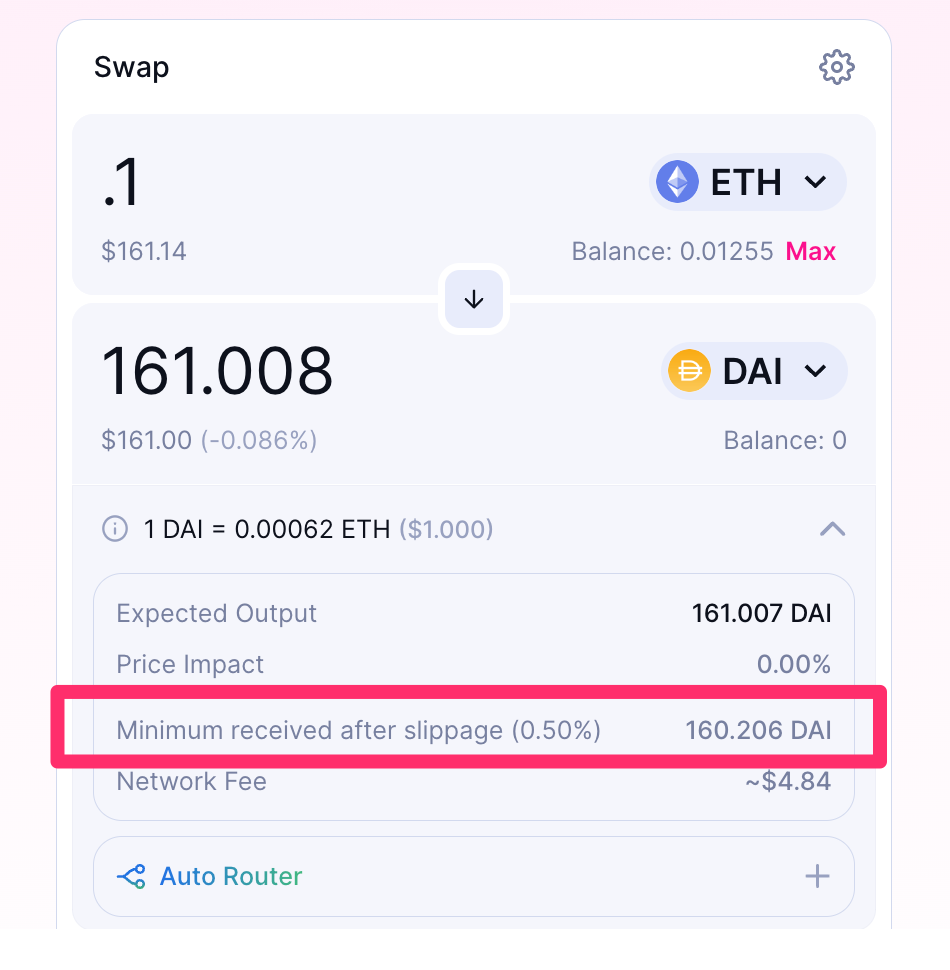
The downside is complexity. DEXs typically offer less liquidity than major centralized platforms, can have slower transaction times, and require familiarity with wallet management.
The line between CEX and DEX is not set in stone. Hybrid exchanges combine custodial convenience with self-custody options, letting you choose which assets to hold on-platform versus in your personal wallet.
Then there are cross-chain platforms that enable trading across different blockchains without multiple accounts. Sounds good, right? The important detail is that these bridges represent a significant security vulnerability—over $2.8 billion in losses from bridge hacks account for nearly 40% of all funds stolen in Web3, according to Eco’s cross-chain liquidity analysis.
Best Crypto Exchange for Different Needs
Methodology for Ranking
Choosing the best cryptocurrency exchange starts with understanding how platforms are evaluated. This guide’s ranking framework considers five core factors: security infrastructure (including cold storage and insurance coverage), liquidity depth (measured by trading volume and order book depth), fee structures (both trading and withdrawal costs), regulatory compliance (licensing and audit transparency), and user experience (interface design and customer support quality). Platform stability during high-volatility periods also matters. An exchange that freezes during market crashes can cost you real money.
Applying the framework in broad strokes, the key takeaways before diving deeper:
- Binance leads with the broadest asset selection and highest liquidity, making it ideal for diverse portfolios and active traders.
- Coinbase offers institutional-grade security, excellent for beginners prioritizing safety and regulatory clarity.
- Kraken stands out for security (it's never been hacked in a way that resulted in loss of customer funds), using proof-of-reserves audits and cold storage.
For various specialized needs, OKX excels in derivatives, Bybit offers high-leverage options (though KYC restrictions are tightening in 2025), and decentralized exchanges like Uniswap provide non-custodial trading and early access to DeFi tokens. Kraken also ranks as a top exchange for day trading with a Kaiko liquidity score of 83 out of 100.
Best Place to Buy Bitcoin
The best place to buy Bitcoin prioritizes three things: low fees, high liquidity, and reliable fiat on-ramps. Exchanges offering Lightning Network integration are particularly beneficial: its adoption is growing, with its use in payments rising to 16.6% in Q2 2024 and public capacity reaching about 5,358 BTC by January 2025. What you need to know is that Lightning enables faster, cheaper Bitcoin transactions. Also check for features like recurring buys (dollar-cost averaging tools), bank transfers to minimize conversion costs, and clear fee disclosures.
Binance dominates Bitcoin trading, commanding 35.4% of global volume—more than twice that of its nearest competitor.
Why does this matter? Higher volume means tighter spreads (the difference between buy and sell prices), saving you money on every trade. Binance's spot trading volume in Q1 2025 was $2.2 trillion, accounting for a 40.7% market share, which solidifies its position as one of the best places to buy Bitcoin for serious traders.
Best Place to Buy Altcoins
Finding the best crypto exchange for altcoins means evaluating token variety and listing speed. On that front, Binance offers over 400 altcoins, OKX has more than 350, while Coinbase provides over 250.
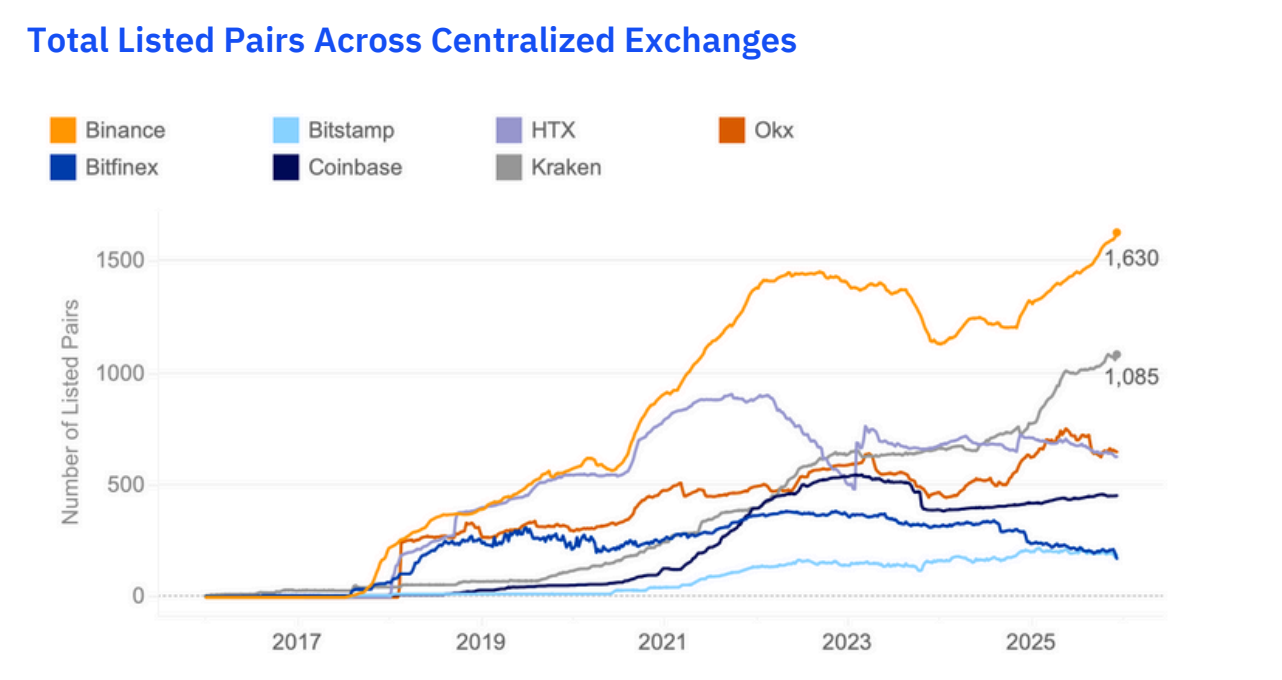
But quantity isn't everything—also check if your target coins have sufficient liquidity. A coin with $50,000 daily volume might have 5% slippage on a $1,000 order. That's a hidden cost that adds up over time.
For meme coins and DeFi tokens, speed matters, and DEXs have the upper hand since they often list emerging tokens first. Chain matters, too: Solana's DEX volume surged to $326 billion in Q3 2025 and surpassed Ethereum after a 21% quarter‑over‑quarter increase.
For early access to new projects, traders can combine a CEX for established altcoins with a DEX for early-stage opportunities. Taking this hybrid approach can give you the best of both worlds as well.
| Exchange | Total Altcoins | Best For | KYC Required | Fee Tier (Maker/Taker) |
|---|---|---|---|---|
| Binance | 400+ | Diverse portfolios, high liquidity | Yes | 0.10% / 0.10% |
| Coinbase | 250+ | Beginners, US users | Yes | 0.40% / 0.60% |
| Kraken | 590 | Security-focused traders | Yes | 0.16% / 0.26% |
| OKX | 350+ | Derivatives, altcoin variety | Yes | 0.08% / 0.10% |
| Uniswap (DEX) | Unlimited | DeFi tokens, privacy | No | ~0.30% (protocol fee) |
Note: Fees shown are baseline rates; volume-based discounts apply on most platforms.
Best Crypto Exchanges for Various User Types
After this brief overview, let’s take another angle since not all traders need the same things from an exchange. A beginner making their first Bitcoin purchase has completely different priorities than a professional running algorithmic strategies or a DeFi enthusiast chasing early token launches. The best cryptocurrency exchange for you depends on where you fall in this spectrum.
Rankings Summary: Best Crypto Exchange Platforms in 2026 by Category
| Rank | Best for Beginners | For Day Trading | For Pros | DeFi and Memes | Best for Futures | Best Leverage |
|---|---|---|---|---|---|---|
| 1 | Coinbase | Kraken | Binance | Uniswap | OKX | Bybit |
| 2 | Gemini | Binance | Kraken | MEXC | Binance | MEXC |
| 3 | Crypto.com | Bybit | OKX | Gate | Bybit | Binance |
| 4 | Kraken | OKX | Bitget | Binance | Bitget | OKX |
| 5 | BingX | Bitget | Gemini | PancakeSwap | Deribit | BingX |
(Continued)
| Rank | Best Derivatives | No-KYC | Best OTC | Best Fiat-to-Crypto | Best Crypto-to-Crypto |
|---|---|---|---|---|---|
| 1 | OKX | Uniswap | Kraken | Coinbase | ChangeHero |
| 2 | Deribit | MEXC | Coinbase | Kraken | Binance |
| 3 | Binance | KuCoin | Binance | Crypto.com | Uniswap |
| 4 | Bybit | ChangeHero | Circle | Gemini | KuCoin |
| 5 | Bitget | PancakeSwap | Genesis | Binance | 1inch |
Best Crypto Exchange for Beginners: Coinbase
The best crypto exchange for beginners ideally removes friction at every step. You shouldn’t need a manual to figure out how to buy your first $50 of Bitcoin.
1. Coinbase stands out for beginners because it combines security infrastructure (insurance coverage for US customers, regulatory compliance with licenses in all 50 states) with an intuitive user experience. The platform’s educational modules offer crypto rewards for completing lessons—you learn about blockchain fundamentals while earning small amounts of cryptocurrency. This addresses both knowledge gaps and initial capital concerns that often hold new users back. Coinbase’s instant purchase feature processes debit card transactions within minutes, though at a premium (3.99%), while bank transfers offer lower fees (~1.49%) with 1-3 day settlement.
2. Gemini appeals to security-conscious beginners through its SOC 2 Type 2 certification and NYDFS licensing, storing 95% of assets in cold storage with insurance against custody breaches. While fees run higher than competitors (up to 3.49% for instant purchases plus 1.49% trading commission), its fiduciary status under New York banking law provides banking-grade compliance that reassures newcomers.
3. Crypto.com attracts beginners with its comprehensive mobile app (4.6/5 rating) and integrated rewards credit card program, offering competitive fees (0.40% maker/0.60% taker) for entry-level traders. The mobile-first ecosystem lets users earn crypto rewards on purchases, stake for better rates, and access educational content without leaving the app.
4. Kraken guides beginners through purchases with clear explanations and a comprehensive Learn Center covering wallet security and gas fees. With maker/taker fees at 0.16%/0.26% (lower than Coinbase) and a perfect security record, it balances education with cost-efficiency.
5. BingX differentiates itself through social trading, letting new users copy trades from over 190,000 experienced traders. Its Futures Kickoff feature simplifies derivatives to single-click predictions with built-in risk controls, providing practical learning alongside standard 0.1% fees.
A user-friendly exchange should clearly display your portfolio value, make buying as simple as entering an amount, and explain what you’re doing at each step. What separates beginner-friendly platforms from the rest is that they actually teach you. For this category of users, strong customer support matters too—beginners hit snags that pros never encounter.
Best Crypto Exchange for Day Trading: Kraken

Day traders live in the charts. That means the best crypto exchange for day trading needs TradingView integration or similarly powerful charting tools, multiple timeframes, and customizable technical indicators.
1. Kraken earns this recommendation through its proven security record (never hacked with customer fund losses), deep liquidity (Kaiko liquidity score of 83/100), and comprehensive charting tools. The platform’s fee structure rewards high-volume traders with maker fees as low as 0.00% for orders above $10 million monthly volume. More importantly, Kraken’s order book depth means day traders can execute large positions without significant slippage—critical when you’re entering and exiting multiple times per day. Kraken Pro offers advanced order types including stop-loss, take-profit, and trailing stops essential for managing fast-moving positions.
2. Binance provides the deepest liquidity globally with $2.2 trillion in Q1 2025 spot volume, creating tight spreads that minimize per-trade costs. TradingView integration, customizable dashboards, and millisecond execution speeds support scalping strategies, while VIP fees drop to 0.00%/0.04% for traders exceeding $1 billion monthly volume.
3. Bybit attracts day traders through its unified trading account enabling seamless capital allocation across spot, futures, and options. With 47ms execution speed on major pairs and professional charting featuring 100+ technical indicators, it suits technical analysis-heavy strategies backed by a substantial insurance fund.
4. OKX serves professional day traders with WebSocket API infrastructure for real-time data feeds and institutional-grade execution handling high-frequency strategies. Competitive maker/taker fees (0.08%/0.10%) and liquidity across 350+ pairs ensure consistent execution during high volatility.
5. Bitget offers copy trading to diversify strategies alongside competitive 0.10%/0.10% fees and TradingView integration. Automated grid trading bots and one-click trading interfaces speed execution for traders making dozens of daily trades, while its protection fund secures leveraged positions.
Liquidity determines whether you can enter and exit positions at your intended price. High liquidity means tighter spreads and less slippage, which directly impacts profitability when making multiple trades per day. Every millisecond counts—the best exchanges use optimized infrastructure to minimize execution delays.
Best Crypto Exchange for Professional Traders: Binance
Professional traders need advanced order types—stop-loss, take-profit, trailing stops, and conditional orders. They need portfolio analytics that track P&L across multiple positions and exchanges.
1. Binance serves professional traders through its comprehensive API infrastructure, offering REST and WebSocket connections with 99.99% uptime guarantees. The platform’s institutional suite includes VIP fee tiers (reducing maker fees to 0.00% for high-volume accounts), dedicated account managers, and OTC desks for orders exceeding $100,000. Binance’s 40.7% market share in spot trading creates the liquidity depth professionals require for executing large positions without market impact. The exchange’s algorithmic trading support, backtesting tools, and comprehensive market data feeds make it essential infrastructure for quantitative strategies.
2. Kraken appeals to professionals through proof-of-reserves audits (first to complete publicly verifiable audits under new U.S. regulations) and OTC desks handling $100,000+ transactions. Dedicated account managers negotiate pricing with settlement within 24 hours, while API reliability and comprehensive documentation support custom trading systems.
3. OKX targets professionals with its unified trading account architecture enabling seamless capital deployment across spot, margin, futures, and options. Portfolio margin calculations optimize capital efficiency, while institutional services include custody solutions, regular audits, and insurance fund protection for sophisticated hedging strategies.
4. Bitget has gained professional adoption through advanced trading bots and copy trading infrastructure with competitive 0.10%/0.10% fees. Its $300 million protection fund and proof-of-reserves audits address institutional security requirements, while automated grid trading and DCA bots support algorithmic strategies.
5. Gemini serves institutional clients through its fiduciary structure under New York banking law with multi-signature custody and up to $70 million insurance. While fees exceed competitors, its clear regulatory status and ActiveTrader interface appeal to professionals prioritizing compliance over cost optimization.
Automated trading has become mainstream in 2025. Professional exchanges offer REST and WebSocket APIs that let traders build custom strategies and backtest them against historical data. What unites exchanges catering to this crowd is enhanced insurance, proof-of-reserves audits, and compliance frameworks that meet institutional standards.
Best Crypto Exchange for DeFi and Meme Coins: Uniswap
DeFi enthusiasts and meme coin hunters need exchanges that list tokens early, before they hit mainstream platforms.
1. Uniswap represents the best option for DeFi and meme coin access due to its permissionless listing model—any token can launch without approval, giving traders immediate access to new projects. The platform’s non-custodial structure (you control your private keys) and integration with multiple chains (Ethereum, Polygon, Arbitrum, Optimism, Base) make it essential for accessing early-stage tokens. Uniswap’s liquidity pools enable trading for thousands of tokens that will never list on centralized exchanges. The protocol’s ~0.30% fee applies uniformly, though traders must account for gas fees that vary by network congestion.
2. MEXC dominates early altcoin listings with over 3,100 cryptocurrencies, often listing new projects before larger exchanges. Its Kickstarter program and dedicated meme coin trading zone organize speculative assets for discovery, while zero maker fees and 0.00% spot trading on certain pairs make high-volume trading cost-effective.
3. Gate.io offers over 1,700 cryptocurrencies with aggressive listing policies and a startup IEO program for early token access. Competitive maker/taker fees (0.15%/0.15%) and futures contracts on altcoins provide leverage opportunities, while liquidity on smaller tokens often exceeds competitors.
4. Binance provides mainstream altcoin access with 400+ tokens and sufficient liquidity for larger trades. While listings aren’t as early as MEXC, its Launchpad program offers vetted token sales, and deep liquidity prevents the 5-10% slippage common on smaller platforms.
5. PancakeSwap dominates the BNB Chain ecosystem with automated market maker liquidity for thousands of tokens at ~0.25% fees. Many tokens launch here before (or instead of) centralized exchanges, while lottery and yield farming features extend beyond basic trading.
Early access comes with higher risk—many of these tokens won’t survive their first year. The best approach combines CEXs for established altcoins with DEXs for early-stage opportunities.
Specialized Crypto Exchanges
Not all crypto exchanges are built the same or even serve the same purpose. Some platforms specialize in specific trading strategies, privacy levels, or user types. If you need advanced features like futures contracts, high leverage, or anonymous trading, a general-purpose exchange might not cut it, and here is how to choose a platform for each specific purpose.
Best Crypto Futures Exchange: OKX
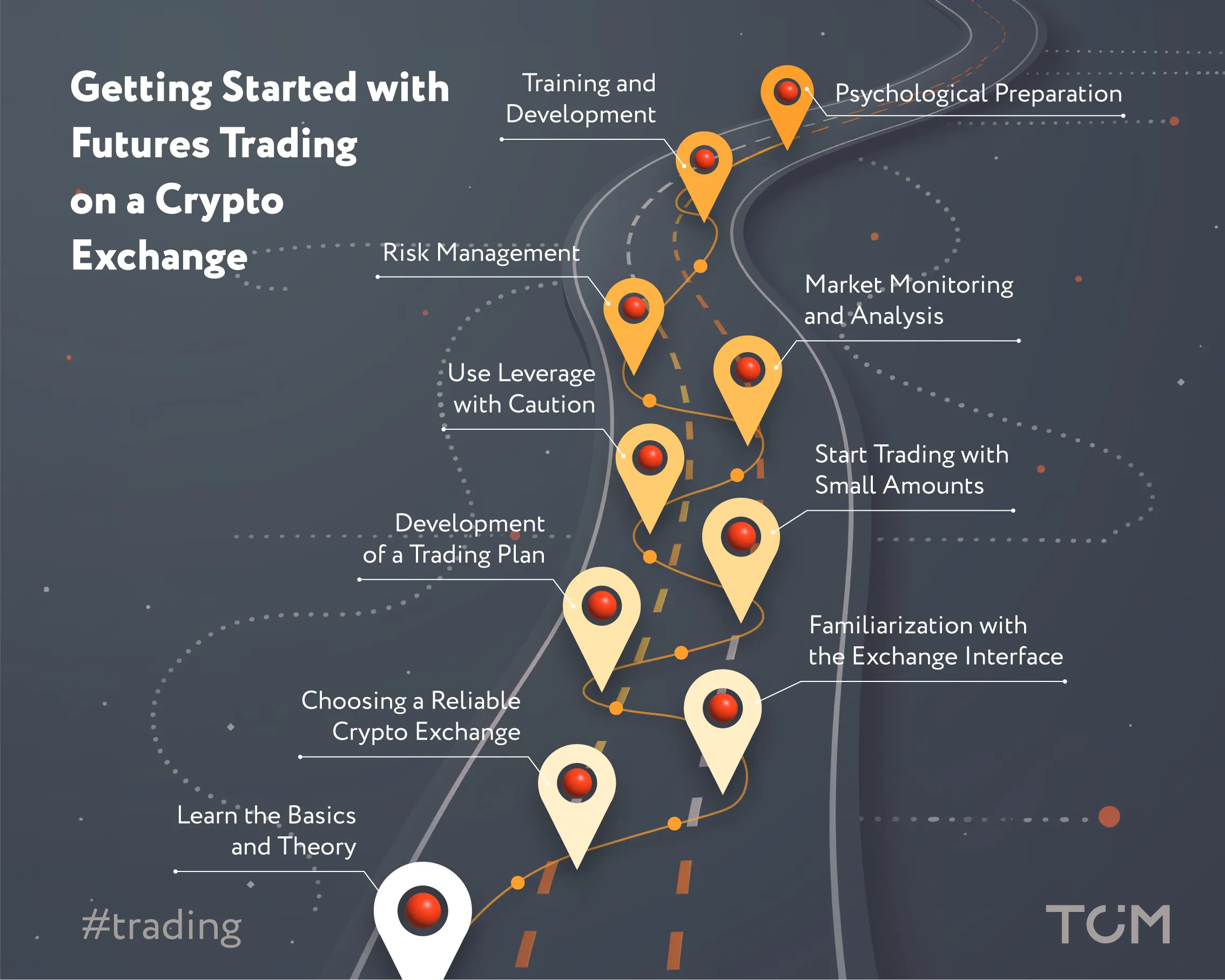
Futures contracts let you speculate on crypto prices without owning the actual asset. The best crypto futures exchange offers deep order books, multiple contract types, and advanced order options.
1. OKX dominates the futures market with sophisticated contract offerings across 350+ trading pairs. The platform’s risk management tools include isolated and cross-margin modes, real-time funding rate displays, and auto-deleveraging systems to prevent cascade liquidations. OKX’s maker/taker fees (0.02%/0.05% for futures) combined with its insurance fund make it the go-to platform for traders prioritizing both cost efficiency and security in leveraged positions. The platform’s portfolio margin system optimizes capital efficiency for multi-position strategies.
2. Binance Futures handles the highest futures volume globally with perpetual contracts on 200+ pairs. Liquidity ensures minimal slippage, while advanced features include portfolio margin, hedge mode, and TradingView integration. The SAFU insurance fund exceeds $1 billion, with maximum leverage reaching 125x on major pairs.
3. Bybit gained prominence through fast execution ($376 billion Q3 2025 volume) and deep derivatives liquidity. Following its February 2025 breach—swiftly remedied through full compensation—it expanded insurance and audits, while unified trading accounts simplify capital management and copy trading aids beginners.
4. Bitget has emerged as a futures hub through competitive fees (0.02% maker, 0.06% taker) and comprehensive copy trading. Its $300 million protection fund secures leveraged positions, offering perpetual contracts up to 125x leverage and futures with preset expiries.
5. Deribit specializes exclusively in BTC and ETH derivatives, commanding ~85% of the options market. Deep liquidity creates tight spreads for professional options traders, while transparent risk parameters and maker rebates (0.00% maker, 0.05% taker) attract institutional flow.
Futures trading leverage can reach as high as 200x on some platforms. The best exchanges provide real-time funding rate displays, historical volatility charts, and liquidation price calculators. Proper risk controls aren’t optional—they’re essential.
Best Leverage Crypto Exchange: Bybit
1. Bybit has established itself as the leverage specialist, offering up to 100x leverage on major pairs with a tiered system that adjusts based on position size. The platform’s unified margin account lets traders use a single collateral pool across spot, futures, and options—simplifying portfolio management while maximizing capital efficiency. Bybit’s isolated margin mode protects traders by ring-fencing individual positions, ensuring one liquidation doesn’t cascade across your entire portfolio.
2. MEXC provides up to 200x leverage on select futures contracts—the highest available among major exchanges. Competitive maker/taker fees (0.00%/0.02% on futures) make high-leverage strategies cost-effective, while risk management includes isolated and cross-margin modes with clear liquidation displays.
3. Binance offers leverage up to 125x on major pairs with portfolio margin systems (for institutional traders) optimizing capital by calculating risk across entire portfolios. VIP fee structures reduce costs for high-volume traders, while the SAFU insurance fund provides backup against extreme volatility.
4. OKX provides flexible leverage up to 125x with unified account architecture using assets across spot, margin, futures, and options as collateral. Its tiered leverage system automatically adjusts based on position size and market volatility, protecting traders from overextension.
5. BingX offers leverage up to 150x with user-friendly interfaces simplifying leveraged trading. Copy trading lets users replicate experienced leverage traders’ strategies, while margin calculators help understand liquidation risks before opening positions.
Different assets support different leverage levels. Bitcoin and Ethereum typically offer the highest leverage (up to 125x or more), while smaller altcoins might cap at 20x or 50x—liquidity is the main reason why.
Best Crypto Derivatives Exchange: OKX
Derivatives expand beyond basic futures. Best crypto derivatives exchange platforms offer options contracts (giving you the right, but not the obligation, to buy or sell at a set price) and perpetual contracts (futures with no expiry date).
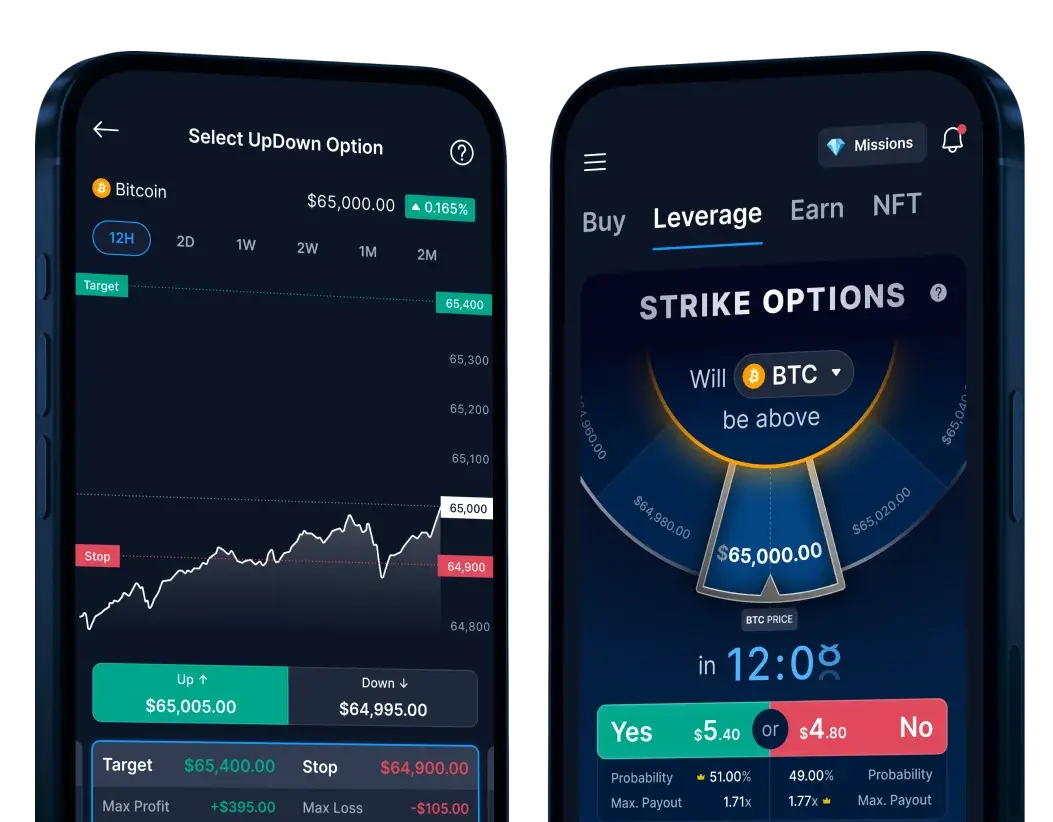
1. OKX leads derivatives trading by offering the full spectrum: perpetual and quarterly futures, European and American-style options, and structured products like leveraged tokens. The platform’s options suite supports multiple strike prices and expiries, letting sophisticated traders construct complex strategies like iron condors or strangles. OKX’s derivatives trading volume and comprehensive risk metrics (including Greeks for options) make it indispensable for traders who need advanced hedging capabilities.
2. Deribit specializes exclusively in crypto options and futures, commanding ~85% of the BTC and ETH options market. Deep liquidity creates tight spreads minimizing trading costs for complex strategies, while advanced interfaces display options chains and Greeks calculations. Professional traders value its transparent fee structure (0.00% maker, 0.05% taker).
3. Binance provides comprehensive derivatives coverage with perpetual futures, quarterly contracts, and options across 200+ pairs. Derivatives volume exceeds competitors, while portfolio margin systems optimize capital usage and leveraged tokens simplify exposure without managing futures positions directly.
4. Bybit offers perpetual contracts, inverse futures, and USDT-margined contracts across major cryptos. Unified trading accounts simplify derivatives management, while funding rate arbitrage opportunities attract sophisticated traders. Options trading provides basic calls and puts for hedging strategies.
5. Bitget has expanded beyond basic perpetuals to leveraged tokens that auto-rebalance for target exposure. Futures copy trading lets users follow successful derivatives traders, while grid trading bots automate range-bound strategies with competitive 0.02%/0.06% fees.
Options offer defined risk: you can lose only your premium, not your entire position. Advanced platforms offer structured products like move contracts, leveraged tokens, and basket derivatives—powerful tools for sophisticated strategies.
Best Non-KYC Crypto Exchange: Uniswap
User identification is a staple on the majority of CEXs but not everyone wants to share personal documents. Best non-KYC crypto exchange platforms let you trade with minimal identity verification, appealing to users who prioritize privacy or operate in jurisdictions with restrictive regulations.
However, these exchanges are facing increased regulatory pressure. Platforms like Bybit now impose limits such as a 20,000 USDT daily withdrawal cap for unverified users. The era of completely anonymous high-volume trading is fading into the past.
1. ChangeHero operates as a non-custodial exchange platform requiring no registration or KYC for any transaction size and allowing purchases of crypto assets without identification through licensed partners. Sourcing liquidity from multiple exchanges and DEXs, it executes swaps without holding user funds through floating-rate and fixed-rate options for 400+ cryptocurrencies.
2. Uniswap and other decentralized exchanges provide the truest non-KYC experience—no registration, no identity verification, just wallet connection. You trade directly from your Web3 wallet (MetaMask, WalletConnect), maintaining custody of your funds throughout. This permissionless structure means anyone globally can access DeFi markets regardless of jurisdiction, though you’ll need cryptocurrency already in your wallet to begin trading.
3. MEXC allows up to 10 BTC daily withdrawals without KYC verification—one of the most generous limits among centralized exchanges. Users can trade 3,100+ cryptocurrencies and access futures with 200x leverage without identity documents, though regulatory pressure is tightening these limits.
4. KuCoin permits trading and withdrawals up to 1 BTC daily without KYC, sufficient for most retail traders. Supporting 700+ cryptocurrencies with futures, margin, and spot markets, it ensures liquidity on non-KYC accounts matches verified users with competitive 0.1% fees.
5. PancakeSwap provides non-KYC trading for BNB Chain tokens through wallet connection only. The DEX’s automated market maker enables truly anonymous trading with yield farming and staking opportunities, while lower gas fees make small non-KYC transactions economically viable.
Lower verification often means lower trading limits and fewer customer protections. You’re trading convenience and safety for privacy—make sure that trade-off aligns with your needs.
Best OTC Crypto Exchange: Kraken
1. Kraken’s OTC desk specializes in large-volume transactions (typically $100,000+), providing personalized service from dedicated account managers who negotiate pricing and settle trades privately. The platform’s proof-of-reserves audits and security record give institutional clients the transparency they require, while its deep liquidity pools ensure competitive pricing even for multi-million dollar orders. Kraken’s settlement typically completes within 24 hours, with support for 50+ cryptocurrencies and direct bank wires for fiat settlement.
2. Coinbase Prime serves institutional clients with OTC trading for orders exceeding $100,000. Integration with Coinbase’s liquidity pools ensures competitive pricing, while regulatory status (all 50 US states licensed, publicly traded) provides transparency. Custody combines with OTC services for single-platform infrastructure.
3. Binance OTC operates globally with minimum transaction sizes around $20,000—lower than many institutional desks. Its 24/7 operation and multi-language support serve Asian, European, and American clients, sourcing liquidity from spot exchanges and external providers for competitive rates.
4. Circle’s OTC desk specializes in USDC transactions and fiat settlements. As USDC’s issuer, Circle provides unique stablecoin liquidity at scale, with compliance frameworks meeting institutional requirements and direct banking relationships enabling efficient USD settlements.
5. Genesis Trading operates as a pure-play OTC desk for institutional clients and high-net-worth individuals. Extensive counterparty networks create competitive bidding for large orders, while experienced traders provide market insights alongside execution and derivative structured products.
OTC trading prevents market impact—dropping a $10 million sell order onto a public exchange would crash the price before your order fills.
Best Fiat to Crypto Exchange: Coinbase
Buying crypto with traditional currency (USD, EUR, etc.) requires a best fiat-to-crypto exchange with strong banking partnerships. Look for platforms offering direct bank transfers, credit/debit card purchases, and payment processors like PayPal or Apple Pay.
1. Coinbase excels at fiat on-ramping with partnerships across 100+ countries, supporting ACH transfers (US), SEPA (Europe), FPS (UK), and credit/debit cards globally. The platform’s regulatory compliance (licensed in all US states, EU MiFID authorization) ensures stable banking relationships. Coinbase’s instant purchase feature lets you buy crypto with debit cards within minutes, though at a premium (typically 3.99%), while bank transfers offer much lower fees (~1.49%) with 1-3 day settlement.
2. Kraken supports bank transfers in USD, EUR, GBP, CAD, CHF, AUD, and JPY—making it globally accessible. European SEPA integration enables free deposits with 1-2 day settlement, while UK FPS provides same-day sterling deposits. Fiat withdrawal fees remain industry-low (free SEPA, £1 FPS).
3. Crypto.com provides fiat on-ramps through bank transfers, cards, and its Crypto.com Pay system, waiving fees on bank transfers. Partnerships with Simplex, Banxa, and MoonPay provide redundant payment processing for transaction reliability, supporting 20+ fiat currencies.
4. Gemini operates with full US and European banking licenses enabling direct ACH, wire, and SEPA deposits. Its fiduciary status under New York banking law ensures fund segregation, while instant buy processes debit cards immediately for convenience.
5. Binance supports fiat purchases through bank transfers, cards, and third-party processors across 60+ countries. Its P2P marketplace enables local currency purchases where direct banking is unavailable, with payment methods including mobile wallets and cash deposits through partners.
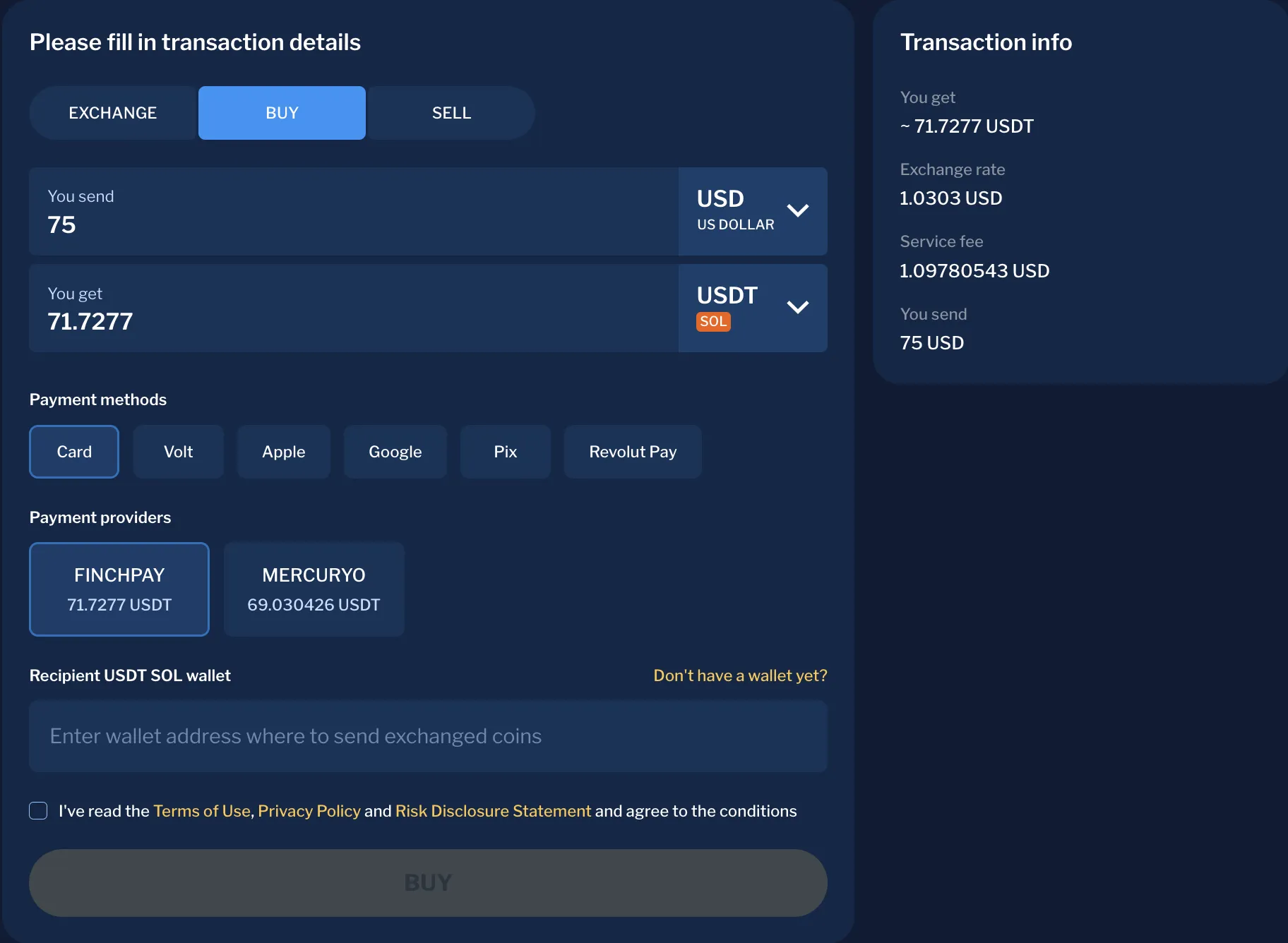
Nevertheless, even the most user-friendly exchanges introduce enough friction to warrant simplified, more streamlined solutions: fiat-to-crypto on-ramps or gateways. Fiat on-ramps have become more competitive in 2025, with many exchanges eliminating deposit fees to attract new users. This is good news if you're just getting started—lower barriers mean easier entry.
Some exchanges also support local payment methods (like SEPA in Europe or UPI in India), which can be faster and cheaper than international wire transfers. The logic is simple: the more payment options, the better. Leading fiat-to-crypto platforms accept bank transfers, cards, e-wallets, and even cash deposits through partner networks.
Each method has trade-offs: bank transfers are cheap but slow, cards are instant but pricey (often 3–5% fees), and e-wallets balance speed and cost. Choose based on whether you value speed or savings more.
Best Crypto to Crypto Exchange: ChangeHero
If you're swapping one crypto for another without touching fiat, you want the best crypto-to-crypto exchange with maximum trading pair depth. More pairs mean fewer conversion steps (and lower cumulative fees). Trading through an intermediate token eats into your profits with each hop. Trading BTC/ETH directly is cheaper than converting BTC to USDT, then USDT to ETH. The best exchanges offer direct pairs for popular combinations.
ChangeHero stands out for crypto-to-crypto swaps by aggregating liquidity from multiple exchanges and DEXs to find optimal rates. The platform supports 400+ cryptocurrencies with no registration required—you simply enter the swap details, send your crypto to the provided address, and receive the converted funds in your wallet. ChangeHero's fixed-rate option locks in prices for 15 minutes, protecting users from volatility during the swap process, while its floating-rate mode offers potentially better rates for those willing to accept slight price variations.
2. Binance offers the deepest selection of crypto-to-crypto pairs with direct pairs between major assets eliminating intermediate conversions. Its Convert feature provides instant swaps at market rates without placing orders, while liquidity ensures minimal slippage on substantial swaps with 0.1% fees.
3. Uniswap enables crypto-to-crypto swaps across multiple blockchains through automated market makers. Permissionless liquidity pools mean virtually any token can be swapped, while layer-2 integration (Arbitrum, Optimism, Base) reduces gas fees historically making small swaps uneconomical.
4. KuCoin provides extensive crypto-to-crypto pairs across 700+ assets with direct trading minimizing conversion steps. Its Quick Trade feature executes instant market-rate swaps, while trading bot ecosystem automates rebalancing strategies for portfolio managers.
5. 1inch aggregates liquidity across DEXs with its Pathfinder algorithm splitting orders across multiple platforms simultaneously. Gas optimization reduces Ethereum costs, while support for 10+ blockchains provides cross-chain swap capabilities ensuring optimal pricing.
Cross-chain trading lets you swap assets from different blockchains without using a separate bridge. At the same time, cross-chain bridges that lock funds in a smart contract remain a major security vulnerability, accounting for nearly 40% of all funds stolen in the crypto space. Your strategy here is to choose platforms with audited bridge protocols and insurance funds. An alterntative to a bridge is swapping—read our guide to learn how bridge vs swap compare.
Key Features to Consider When Choosing an Exchange
Choosing the best cryptocurrency exchange is about balancing security, cost, usability, and support to match your specific needs. You can trust our methodology or understand these core features that help you avoid costly mistakes and frustrating experiences.
Security and Safety Features
Security should be your first priority when selecting the best exchange for crypto. As 2025 is ending, the stakes are higher than ever.
Cold storage means keeping the majority of user funds offline, away from internet-connected systems, like keeping valuables in a bank vault instead of your desk drawer. The best crypto exchanges store most assets in cold wallets, which are essentially hardware devices or paper backups that hackers can't access remotely.
Some top crypto exchanges, typically highly regulated ones, now offer insurance coverage for assets held in hot wallets—that's the online storage used for daily operations. While coverage varies, leading platforms provide protection against internal theft and certain types of hacks. Ask yourself: Does the exchange explicitly state what's covered and what isn't? The fine print matters here.
Two-factor authentication (2FA) requires two forms of verification before you can access your account—usually your password plus a code from your phone. It's a simple but powerful security layer. Set this up immediately after creating your account. No exceptions.
Speaking of regulated exchanges, they follow strict Anti-Money Laundering (AML) and Know Your Customer (KYC) protocols. Compliance matters because regulated platforms are required to meet minimum security standards and undergo regular audits. It's accountability in action.
Fee Structures and Trading Costs
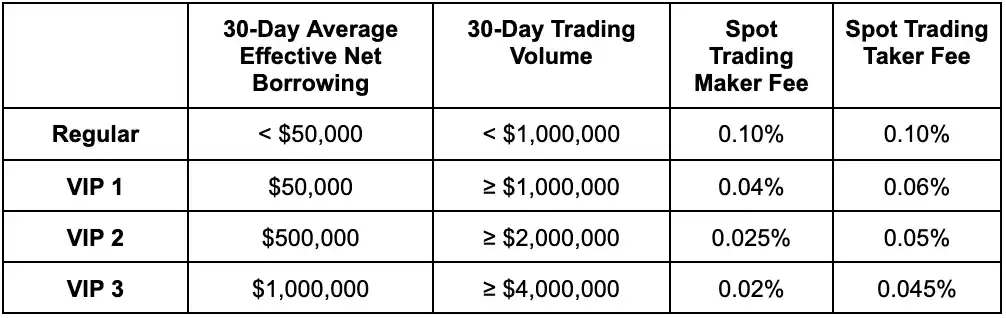
Fees charged by exchanges or networks can quietly eat into your profits, especially if you're an active trader searching for the best crypto exchange for day trading. Understanding the full picture prevents unwelcome surprises.
Most exchanges charge maker fees (when you add liquidity to the order book) and taker fees (when you remove liquidity). Typical rates on derivatives platforms range from about 0.02% for makers to 0.06% for takers, though spot trading fees vary widely. Binance offers competitive fee tiers based on trading volume—the more you trade, the less you pay per transaction.
Deposit fees depend on your payment method—credit cards often cost 3–4%, while bank transfers might be free. Withdrawal fees vary by cryptocurrency due to network costs (also called gas fees, for example, for Ethereum-based tokens). Check these before committing, especially if you plan to move funds frequently. Some exchanges waive deposit fees but charge higher withdrawal rates to compensate.
Watch for hidden costs such as spread markups (the difference between buy and sell prices), inactivity fees, and conversion fees when moving between fiat and crypto. Some platforms advertise "zero fees" but make money through wider spreads—you're still paying, just less visibly. The best fiat to crypto exchange options, on the contrary, are transparent about all costs upfront. If you have to hunt for fee-related information, that's a red flag.
User Experience and Interface Design
By 2025, mobile trading is the norm. The best crypto exchange apps offer full functionality for these platforms, not stripped-down versions of the desktop experience. Look for intuitive navigation, real-time price alerts, and biometric login options. Coinbase is often praised for its beginner-friendly mobile interface.
Desktop platforms, which remain an option, typically offer more advanced charting tools and screen real estate for monitoring multiple positions. The best place to buy crypto often depends on whether you need simple buy/sell functionality or advanced order types like stop-loss and trailing stops. Professional traders usually prefer desktop for detailed analysis, while casual investors gravitate toward mobile simplicity.
Even beginners need market orders (buy/sell immediately at current price) and limit orders (set your desired price). Advanced traders require stop-loss orders, conditional orders, and margin trading tools. The best crypto derivatives exchange platforms provide perpetual contracts, options, and leveraged positions with clear risk indicators. Make sure the platform you choose offers the order types that match your strategy—not just the basics.
Customer Support and Service Quality
When something goes wrong—and eventually it will—responsive support becomes critical. Great features mean nothing if you can't get help when you need it.
The top crypto exchanges offer multiple contact methods: live chat, email tickets, phone support, and comprehensive help centers. DEXs often lack direct support since there's no central company—community forums become your main resource, if available at all. That's the trade-off for decentralization.
Response times naturally vary dramatically. Premium platforms typically respond to urgent issues within hours, while smaller exchanges might take days. Check independent reviews for real user experiences. By the way, test support with a simple question before depositing significant funds—it's a quick way to gauge their responsiveness. Their answer tells you how they'll treat you when it matters.

"When I evaluate an exchange, I run a simple test: I look at the order book depth and try to execute a moderately-sized trade. If slippage is minimal and the platform doesn't freeze during high volatility, that tells me more than any marketing material. The best crypto exchange for day trading needs to handle rapid order execution without lag—Kraken is why it's one of my go-to platforms. But here's what most guides won't tell you: customer support quality only reveals itself when you have a problem. I always start with a small deposit and intentionally contact support with a basic question. Their response time and clarity tell me whether I can trust them with larger amounts. Security features look great on paper, but if you can't reach anyone when your 2FA device breaks, those features become a liability instead of protection."
Exchange Regulatory Landscape
Moving on from “who” to “where”, availability and legality of even the widely acknowledged platforms varies dramatically by region, and understanding these rules helps you pick a platform that's both secure and legally compliant, for your own good.
Licensed and Compliant Exchanges
Crypto exchanges operate under different rules depending on where they're based and where you're located.
In the United States, exchanges must register with FinCEN as Money Services Businesses (MSBs) and comply with state-level money transmitter licenses. The EU's Markets in Crypto-Assets (MiCA) regulation requires crypto asset service providers to apply for licenses starting January 2025, with full compliance required by July 2026—meaning exchanges serving European users need proper authorization soon. That's a tight timeline, so whoever meets it is probably legit.
Asian markets, in contrast, take varying approaches. Japan requires crypto exchanges to register with the Financial Services Agency (FSA), while Singapore mandates licensing through the Monetary Authority of Singapore (MAS). These frameworks ensure exchanges maintain AML and KYC standards—the baseline for legitimate platforms.
Licensed exchanges display specific certifications proving regulatory approval. Look for FinCEN registration numbers in the US, FCA authorization in the UK, or MAS licensing in Singapore. Coinbase maintains comprehensive licensing across multiple jurisdictions while shutting off others.
These certifications aren't just paperwork. They indicate regular audits, proper fund segregation, and adherence to consumer protection standards—the real difference between a legitimate platform and a risky operation.
Geographic Restrictions and Availability
US traders face unique restrictions not just because of its relatively strict laws and litigation but due to state-by-state regulations. The best crypto exchange for beginners in the US typically includes platforms like Coinbase, Kraken, and Gemini—all registered with FinCEN and licensed in dozens of states. These exchanges exclude certain tokens deemed securities by the SEC and implement strict KYC requirements.
If you're looking for the best fiat to crypto exchange with US bank integration, prioritize platforms with explicit state licensing in your location. It matters more than you might think.
Non-KYC crypto exchanges, on the contrary, face mounting pressure in the US market. The best place to buy Bitcoin legally in the US requires full identity verification with virtually no way around it.

The EU's MiCA regulation creates a unified licensing system across member states, replacing the previous patchwork of national rules. By mid‑2026, any exchange serving European customers must hold MiCA authorization, covering everything from the best crypto exchange for day trading to specialized platforms for DeFi tokens.
This framework standardizes consumer protections, requires segregated fund storage, and mandates transparent fee disclosure. The result? It's easier to compare the best exchange for crypto trading across the continent, since everyone plays by the same rules.
Asian markets, as mentioned, show significant regulatory diversity. The best crypto derivatives exchange or best leverage crypto exchange options vary drastically based on your Asian location. Always verify local legal status before trading—regulations change fast.
Regulatory Risk Assessment
Past regulatory actions should not be dismissed as they reveal important patterns. Exchanges with clean compliance histories demonstrate commitment to following rules, while platforms facing repeated violations signal potential risks.
Binance's regulatory settlements continue in multiple jurisdictions—a reminder that even top crypto exchanges face regulatory scrutiny. Market dominance doesn't equal regulatory immunity.
When evaluating the best place to buy crypto, review each platform's regulatory track record. Have they faced fines? Do they proactively comply with new regulations? Kraken's security reputation extends to compliance—they've never experienced a hack resulting in customer fund loss and maintain proof-of-reserves audits. That's the kind of track record you want.
Decentralized exchanges (DEXs) face their own regulatory questions. Whether the best decentralized crypto exchange can maintain anonymity under future regulations remains uncertain—it's a space worth watching closely.
Advanced Trading Features Comparison
When you're ready to move beyond basic buy-and-sell orders, the best crypto exchange for day trading and professional use becomes less about simplicity and more about power. Advanced trading features separate casual platforms from serious contenders—think of it as the difference between a bicycle and a sports car. Both get you places, but one handles speed and precision far better.
Professional Trading Tools
In addition to advanced order types, some exchanges like Kraken and Binance also provide iceberg orders—breaking large trades into smaller visible chunks to avoid moving the market—and time-in-force options like Fill‑or‑Kill (FOK) and Immediate‑or‑Cancel (IOC). These tools matter because they let you execute strategies without babysitting your screen 24/7.
Managing multiple positions across various assets requires clear visibility. Top platforms offer real-time portfolio tracking, profit-and-loss (P&L) analytics, and asset allocation breakdowns. You'll want features like trade history exports (for tax reporting), performance benchmarking against market indices, and alerts for portfolio rebalancing.
Coinbase, for one, provides robust portfolio tools. Dedicated trading platforms often go deeper with risk exposure metrics and correlation analysis.
The best exchanges build in safety nets for risk management. Position size calculators help you follow strategies like the "2% rule". You'll also find margin call warnings, liquidation price calculators, and drawdown alerts.
Kraken's platform includes risk scoring and lets you set maximum position sizes per trade. This is crucial when leverage amplifies both gains and losses.
API Access and Algorithmic Trading
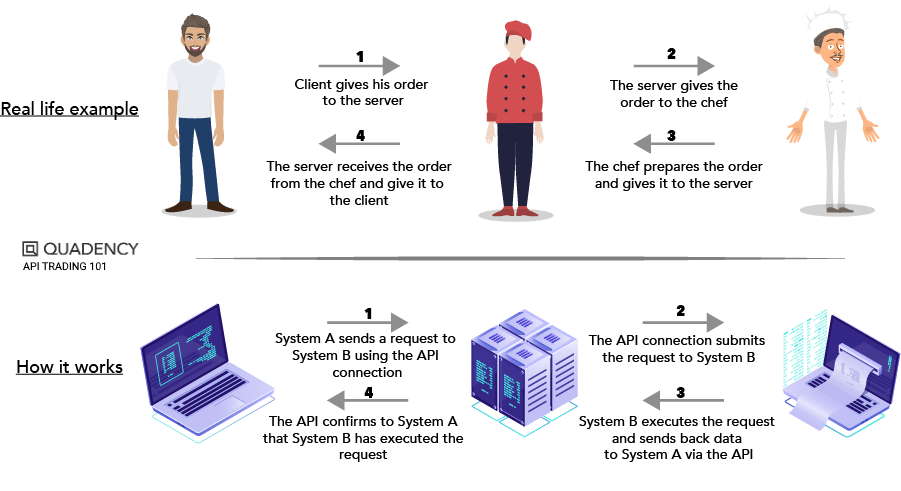
For supercharging your strategies further, APIs (Application Programming Interfaces) let you connect trading bots and custom software to exchanges. REST APIs handle requests like placing orders or checking balances—think of them as question-and-answer sessions. WebSocket APIs provide real-time data streams for live price updates and order book changes. The best platforms offer both, with comprehensive documentation and rate limits suitable for professional use.
The best leverage crypto exchange choices integrate seamlessly with third-party bots through standardized API formats for automated trading. Most exchanges now also support secure authentication flows for bots so you can grant limited access without exposing your main login credentials.
Before risking real money, professional traders test strategies against historical data. Some exchanges offer built-in backtesting tools, but many traders use API access to download historical price data and test strategies in platforms like TradingView or custom Python scripts.
The key detail is data quality—look for exchanges providing granular historical data going back at least a couple of years.
Exchange Integration Ecosystem
Choosing a smartphone goes beyond buying a device to entering an ecosystem of apps, services, and integrations that determine what you can actually do with it. Similarly to that, crypto exchanges these days are entire product ecosystems that interact with other applications relevant to using crypto to the full extent.
Wallet Compatibility
Your exchange needs to play nice with the wallets you're already using (or plan to use). Here's how the top platforms handle this in 2025.
Hardware wallets—physical devices that store your private keys offline—are the gold standard for security. The best crypto exchanges support direct withdrawals in the wallet’s interface. Coinbase, for example, lets you link your hardware wallet for quick transfers while keeping your keys completely offline.
Why does this matter? Once you've bought crypto on an exchange, moving it to cold storage can and should be as simple as clicking a button.
Software wallets (like MetaMask or Trust Wallet) connect directly to many exchanges, especially decentralized ones. If you're using the best decentralized crypto exchange options, this integration is essential—you'll connect your wallet, approve transactions, and maintain full control of your funds. Centralized platforms likewise increasingly offer one-click transfers to popular software wallets, making self-custody easier for beginners.
DeFi Protocol Connections
The best exchange for crypto in 2025 doesn't exist in isolation—it connects to DeFi protocols or runs its own, where you can actually use your crypto to generate returns.
Yield farming means providing liquidity to DeFi protocols in exchange for rewards. Some exchanges now integrate directly with lending and liquidity platforms, letting you move assets into yield-generating positions without leaving the exchange interface.
It's passive income potential with active risk—always understand and verify what smart contracts you're interacting with.
Staking has different mechanics—you lock up tokens to help secure a blockchain network—but the result is the same: you earn rewards. Major exchanges handle the technical complexity for you. As Coinbase's quarterly reports show, staking has become a core service for platforms with tens of millions of users seeking easy passive income options.
Traditional Finance Bridges
Moving between crypto and regular money needs to be painless. The best fiat-to-crypto exchange options offer direct bank links through ACH (US), SEPA (Europe), or local payment rails. Verification takes 1–3 business days initially, but afterward you can move funds much faster.
Want to buy crypto immediately? Credit cards work in that case, but expect 2–4% processing fees. Binance and Coinbase process card purchases instantly, though you'll often face a short withdrawal hold (for fraud protection). It's convenient but expensive—best reserved for small, urgent purchases.
This matters when you want to buy during a price dip—waiting days for a wire transfer means missing opportunities.
Nevertheless, for large amounts, wire transfers remain the standard. They take 1–3 days but typically have lower percentage fees than cards. The best place to buy crypto for institutional buyers almost always includes robust wire transfer infrastructure with reliable processing for large tickets.
How to Choose the Right Crypto Exchange for Your Needs
We’ve talked at length about how each type of exchange fits certain needs, and now it is time to explain how to match the criteria to your specific goals, risk profile, and trading habits to the right platform features.
Assessing Your Trading Requirements
Start by defining what you're actually trying to accomplish. Are you a long-term holder looking to buy Bitcoin and hold for years? Or are you actively trading altcoins and DeFi tokens on a daily basis?
If you're focused on simple buy-and-hold investing, the best place to buy Bitcoin might be a beginner-friendly platform like Coinbase. For frequent traders exploring meme coins or emerging tokens, you'll want the best crypto exchange for altcoins with a long list of supported assets.
Your goals also determine whether you need advanced features. Day traders benefit from high liquidity platforms like Kraken. Professional traders may need the best crypto derivatives exchange for options and perpetual contracts.
Your comfort with risk shapes everything from leverage to platform type.
Conservative investors typically avoid margin trading entirely and stick to spot exchanges. More aggressive traders might explore the best leverage crypto exchange—but here’s the key part: leverage can reach 200x on some platforms. The common "2% rule" is not arbitrary—it's how experienced traders protect themselves from catastrophic losses.
If privacy is a priority, you might consider the best non-KYC crypto exchange, though these face increasing regulatory pressure.
How often you trade directly impacts which fees matter most.
Occasional buyers should prioritize the best fiat to crypto exchange with low deposit fees. Active traders, on the other hand, need the best crypto futures exchange or best crypto margin trading exchange with competitive maker/taker fees.
High-frequency traders also need low-latency execution and advanced order types. These features appear on professional platforms rather than beginner-focused exchanges. Know your trading speed before you commit.
Security vs Convenience Trade-offs
CEX like Binance and Coinbase handle custody for you—convenient, yes, but you're trusting them with your private keys. DEX give you full control, but require managing your own security.
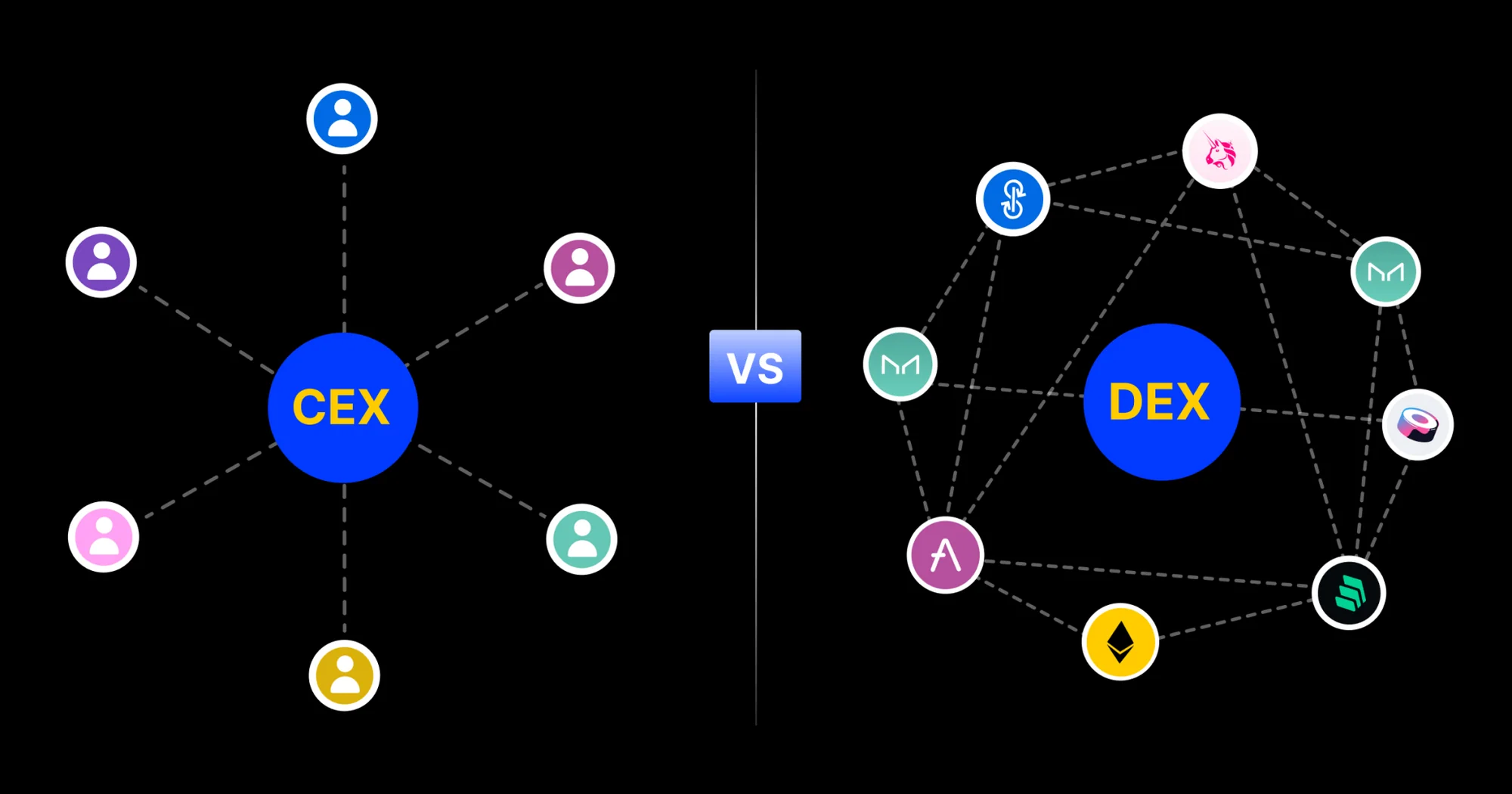
The trade-off is real. CEXs offer customer support and insurance. DEXs eliminate counterparty risk but put full responsibility on you. There's no customer service hotline if you send funds to the wrong address.
Know Your Customer (KYC) verification is another major distinction that adds friction but unlocks higher limits and fiat access. The EU's MiCA regulation requires licensing compliance by July 2026, meaning even more platforms will enforce KYC. If anonymity matters, the best decentralized crypto exchange or best crypto to crypto exchange options offer trading without identity checks.
Cost-Benefit Analysis
Compare trading fees across platforms, but don't stop there. Withdrawal fees, network fees, and deposit costs add up quickly. Some exchanges charge flat withdrawal fees while others pass through actual network costs—the difference can be substantial.
For high-volume traders, maker/taker fee structures matter significantly. The more you trade, the less you pay per trade.
At the end of the day, match features to your needs. Don't pay for advanced charting tools if you're a simple holder. Conversely, don't choose a beginner platform if you need API access for automated trading bots (platforms like Cryptohopper and Pionex now offer AI-driven strategies and built-in bots).
The best exchange for crypto is ultimately the one that balances cost, security, and features for your specific use case—not necessarily the one with the biggest market share. Your perfect exchange might have 5% market share if it solves your exact problem. And that's perfectly fine.
Common Mistakes to Avoid
Even when you've found the best cryptocurrency exchange for your needs, staying safe and successful means avoiding some common pitfalls. Here's what trips up traders most often and how to sidestep these issues before they cost you.
Security Pitfalls
Your exchange account password is the first line of defense protecting your funds. Using "password123" or reusing your email password across platforms? That's asking for trouble. Create a unique, complex password for each crypto exchange—ideally 16+ characters mixing uppercase, lowercase, numbers, and symbols. Better yet, use a password manager to generate and store these securely.
Phishing attacks remain one of the most effective ways hackers steal crypto. In 2025, major data breaches involved supply-chain attacks targeting third-party integrations like Salesforce, with the ShinyHunters group compromising multiple institutions. Always verify you're on the legitimate exchange URL before logging in—bookmark it to avoid typos.
No exchange will ever email asking for your password or two-factor authentication code. If you receive suspicious messages claiming to be from your exchange, go directly to the official site rather than clicking links. Simple rule: when in doubt, navigate manually.
Trading Mistakes
Fear of missing out (FOMO) causes more losses than almost any technical error. When you see a coin pumping 50% in a day, the urge to jump in is powerful—but that's often when you're buying at the peak. Whether you're using the best crypto exchange for day trading or holding long-term, emotional decisions rarely work out.
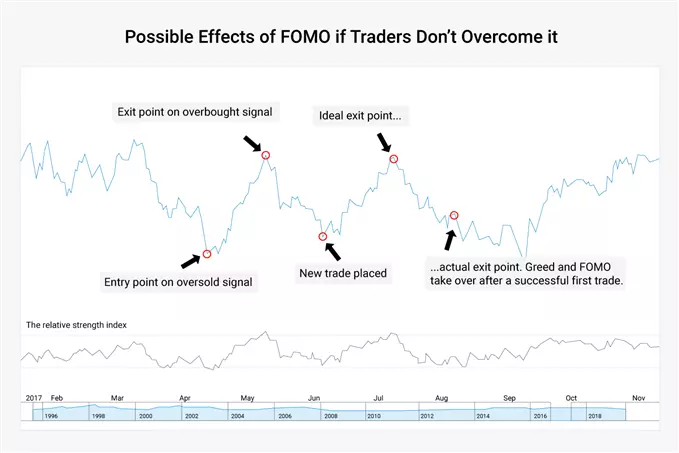
To cope with this emotional hurdle effectively, set clear entry and exit points before opening any trade, and stick to them regardless of what's trending on social media.
Leverage is another can of worms: it can amplify gains, of course, but it magnifies losses just as dramatically. If you're new to margin trading, start with lower leverage ratios until you understand how quickly positions can liquidate. We're talking minutes, sometimes seconds.
Choosing the Platform Wrong
Remember we said missing the mark while picking a platform can be a costly mistake? Trading fees might seem small at a fraction of a percent, but those percentages add up quickly with frequent trading. Beyond trading fees, watch for withdrawal fees, deposit fees, and currency conversion charges.
The best place to buy Bitcoin might offer competitive trading fees but charge hefty withdrawal costs. Calculate your total cost per transaction across different platforms before committing. Those "small" percentages can eat into your profits faster than you'd expect.
Then, liquidity matters more than you might think. Low-liquidity exchanges can cause slippage—where your order executes at a worse price than expected because there aren't enough matching orders. Top crypto exchanges like Binance and Kraken maintain high liquidity.
This becomes especially critical for larger trades or less popular trading pairs. Before choosing your platform, check trading volumes for the specific coins you plan to trade—not just the exchange's overall volume. A high-volume exchange doesn't help if your particular trading pair is sitting dry.
Future of Crypto Exchanges
The crypto exchange landscape is evolving fast, shaped by breakthrough technology, regulatory shifts, and industry consolidation. Understanding where the market is heading helps you pick platforms that won't just serve you today—they'll adapt to tomorrow's demands.
Emerging Technologies
Layer 2 Integration
Layer 2 solutions are changing how exchanges handle speed and cost. These scaling technologies (like Ethereum rollups or Bitcoin's Lightning Network) process transactions off the main blockchain, then batch-finalize them on-chain. The result? Faster trades, lower fees, and better user experience.
Lightning Network adoption is already accelerating. The best crypto exchanges are integrating Layer 2 protocols to reduce withdrawal costs and improve transaction finality. This matters especially for day traders and high-frequency users who need every millisecond advantage.
If you're evaluating the best crypto exchange for day trading or the best leverage crypto exchange, Layer 2 support isn't just nice to have. Lower latency means better execution prices—which translates directly to more profitable trades.
Cross-Chain Interoperability
Even with systemic risks of bridges, interoperability is essential for the future. The best crypto to crypto exchange platforms are investing heavily in secure bridging infrastructure and multi-chain aggregators. Expect to see hybrid solutions that combine centralized security with decentralized flexibility—giving you seamless access to DeFi, altcoins, and meme coins across chains without constantly switching platforms.
Regulatory Evolution
Global Standardization Trends
Regulation is moving from fragmented national rules toward coordinated global frameworks. The EU's Markets in Crypto-Assets (MiCA) regulation is the clearest example.
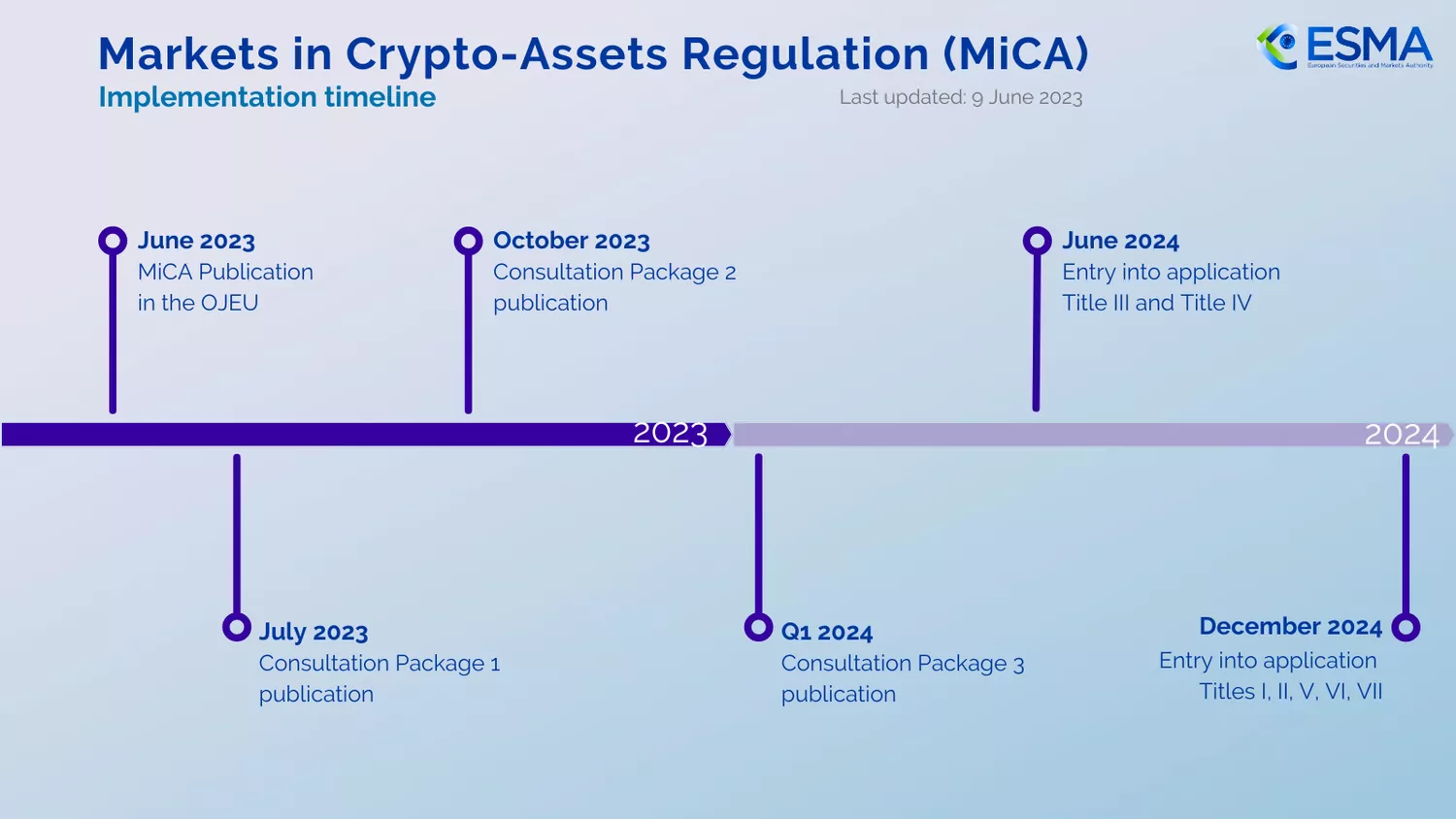
This matters for users because standardized regulation creates safer, more reliable platforms. The best cryptocurrency exchange options in the next few years will likely be those with proactive compliance strategies, transparent licensing, and cross-border operability. If you're comparing the best fiat to crypto exchange or the best place to buy Bitcoin, regulatory clarity often translates to better banking relationships, more payment options, and reduced shutdown risk. On the opposite side of the spectrum, as global standards tighten, the selection of the best non‑KYC crypto exchange category may shrink significantly.
CBDC Integration Potential
Central bank digital currencies (CBDCs) are eventually coming, posing an opportunity for exchanges to integrate them. CBDCs offer government-backed digital money with instant settlement—potentially bridging traditional finance and crypto. For exchanges, this means new fiat on-ramps, faster deposits, and mainstream adoption at a scale we haven't seen before.
The best place to buy crypto in a CBDC-integrated world might look very different: faster KYC (since CBDC accounts are already verified), instant fiat conversions, and tighter regulatory oversight. Early adopters—likely top crypto exchanges with strong compliance infrastructure—will gain a competitive edge as CBDCs roll out globally.
Market Consolidation Trends
Merger and Acquisition Activity
The exchange market is consolidating. Corporate crypto accumulation accelerated in 2025. Larger platforms are acquiring smaller competitors to expand user bases, add features, and achieve regulatory scale.
This trend affects your platform choice in tangible ways. Smaller niche exchanges (like the best crypto exchange for meme coins or specialized DeFi platforms) may get absorbed by major players. That's not necessarily bad—mergers can bring better security, deeper liquidity, and more trading pairs. But it also means fewer independent options over time, which could reduce innovation and competition.
Competitive Landscape Changes
Decentralized exchanges are gaining serious ground. Solana's DEX volume alone surged to $326 billion in Q3 2025, a 21% quarter-over-quarter increase that surpassed Ethereum. That being said, centralized exchanges still dominate overall volume. The numbers show that CEXs aren't going anywhere.
What does this mean for you? The best exchange for crypto depends on your priorities. Centralized platforms still offer the best crypto exchange for beginners experience, better customer support, and deeper liquidity for day trading. DEXs provide privacy, direct wallet control, and access to early-stage tokens—essential for the best crypto exchange for DeFi tokens category.
Conclusion: Making the Right Choice
The crypto exchange landscape evolves rapidly, and so do the lists of top cryptocurrency exchanges. You don’t have to stick to something that worked only at a given time: don't rely on a single platform. Many experienced traders use multiple exchanges to access different features, liquidity pools, and trading pairs. This diversification also protects you if one platform faces technical issues or regulatory challenges.
Stay up to date on news that matter: Subscribe to exchange newsletters, follow regulatory updates (especially if you're in the EU or US), and review your platform choice annually. Security practices change, fee structures adjust, and new features launch regularly. Another way to be in the know of the latest events and developments of the crypto world is with ChangeHero blog and social media: X, Facebook, Telegram.
Frequently Asked Questions
Which crypto exchange is best for beginners?
The best crypto exchange for beginners prioritizes simplicity, security, and educational support. Coinbase consistently ranks at the top for new users thanks to its intuitive interface, straightforward buying process, and extensive learning resources. The platform has proven its reliability at scale.
Kraken is another excellent choice, particularly if you want to balance beginner-friendliness with slightly more advanced features. Both platforms offer mobile apps that make buying your first Bitcoin or Ethereum feel as simple as using a banking app.
The key features beginners should look for: low minimum investment requirements, clear fee structures, and robust customer support. Educational content matters too—the best place to buy crypto for newcomers is one that helps you understand what you're actually buying, not just how to click "purchase."
What is the safest crypto exchange?
Security defines the safest crypto exchange, and Kraken leads this category with an impressive track record. The platform has never suffered a hack resulting in customer fund losses and employs proof-of-reserves audits alongside cold storage protection. This combination of preventive measures and transparency sets a strong security standard.
Here's the reality, though: even the most secure centralized exchange introduces custodial risk. When you hold funds on any platform, you're trusting that exchange to protect your assets. That's why security-conscious users follow the principle of keeping only active trading funds on exchanges and moving long-term holdings to personal wallets.
Two-factor authentication (2FA), withdrawal whitelisting, and cold storage implementation are the baseline security features any safe exchange must offer. Your own security practices matter as much as the exchange's infrastructure.
How do crypto exchange fees work?
Crypto exchange fees typically fall into three categories: trading fees, withdrawal fees, and deposit fees. Trading fees are charged when you buy or sell crypto and usually follow a maker-taker model. Maker fees (when you add liquidity to the order book with limit orders) are typically lower than taker fees (when you remove liquidity with market orders).
On many of the best crypto futures exchange platforms, maker fees sit around 0.02% and taker fees around 0.06%. With leverage and derivatives, you also need to account for funding rates and potential liquidation penalties.
Withdrawal fees vary by cryptocurrency—Bitcoin withdrawals typically cost more than stablecoin transfers due to network congestion. Some exchanges cover deposit fees to encourage incoming funds, while others charge for credit card or bank wire deposits.
The important detail: advertised trading fees don't tell the whole story. Spreads (the difference between buy and sell prices) can effectively increase your costs, particularly on beginner-friendly platforms with simplified interfaces. Always calculate your total transaction cost, not just the visible fee percentage.
Can I use multiple crypto exchanges?
Yes, using multiple crypto exchanges is not only allowed but often strategically smart. Different platforms excel in different areas—the best place to buy Bitcoin might differ from the best crypto exchange for day trading or the best place to buy altcoins.
Binance dominates Bitcoin trading, but you might prefer a fiat to crypto exchange with better banking integration for your initial purchases. Professional traders commonly maintain accounts across several platforms to access different trading pairs, better liquidity on specific assets, or region-specific features.
Using a non-KYC crypto exchange alongside verified platforms can provide privacy for certain transactions (though regulatory pressure is increasing, with platforms like Bybit limiting unverified users). The main consideration is security management—each additional account creates another potential vulnerability. Use strong, unique passwords and enable 2FA everywhere.
What happens if a crypto exchange shuts down?
Exchange shutdowns create serious risks for users, which is why choosing regulated, established platforms matters. If an exchange closes unexpectedly, customer funds can become inaccessible for extended periods while administrators sort through claims. In worst-case scenarios involving fraud or insolvency, users may recover only a fraction of their holdings through bankruptcy proceedings.
This risk explains why decentralized exchanges are gaining traction. When you trade on a DEX, you maintain control of your private keys, meaning no single point of failure can lock you out of your assets.
The practical safety measure: never keep funds on an exchange longer than necessary for trading. The crypto mantra "not your keys, not your coins" exists precisely because of shutdown risk. Regulated exchanges with insurance coverage and transparent reserve audits offer more protection, but moving funds to self-custody remains the only guaranteed safety approach.
How to transfer crypto between exchanges?
Transferring crypto between exchanges requires sending from one platform's withdrawal address to another's deposit address. First, log into the receiving exchange and navigate to your wallet section. Select the cryptocurrency you want to receive and generate a deposit address. Copy this address carefully (even one wrong character sends funds into the void).
Next, go to your source exchange, initiate a withdrawal, paste the deposit address, enter the amount, and confirm the transaction.
Critical safety step: always send a small test amount first. Network fees might make this feel wasteful, but losing a little to fees beats losing a lot to an incorrect address. Double-check you're using the correct blockchain network—sending Bitcoin over the wrong network or mixing up ERC‑20 and other token standards can permanently lose funds.
Transfer times vary by network congestion and exchange processing. Bitcoin transactions might take 10–60 minutes, while Ethereum transfers depend on gas fees. Some crypto to crypto exchange platforms offer instant internal transfers if you're moving between related services, eliminating blockchain wait times entirely.
Are decentralized exchanges better than centralized ones?
Neither decentralized exchanges nor centralized ones are universally "better"—they serve different needs. DEXs eliminate custodial risk since you control your private keys throughout trading. Solana's DEX volume hit $326 billion in Q3 2025, marking a 21% quarterly increase and surpassing Ethereum. This growth reflects increasing trust in non-custodial trading.
However, centralized exchanges still dominate overall volume. Binance alone handled $2.2 trillion in Q1 2025 spot trading volume, representing 40.7% market share. CEXs offer superior liquidity, faster execution, fiat on-ramps, and customer support. The best crypto exchange for beginners is almost always centralized because DEX interfaces require understanding wallets, gas fees, and slippage tolerance.
The trade-off is control versus convenience. DEXs give you complete asset control but require technical knowledge and expose you to smart contract risks. CEXs simplify the experience but create single points of failure.
Most experienced users employ both, depending on their specific transaction needs.
What documents do I need for exchange verification?
Most regulated exchanges require identity verification (KYC—Know Your Customer) to comply with anti-money laundering (AML) regulations. The EU's MiCA regulation, requiring license applications starting January 2025 with full compliance by July 2026, is standardizing these requirements across Europe. Similar regulations exist in most major markets.
Standard verification typically requires:
- A government-issued photo ID (passport, driver's license, or national ID card)
- Proof of address (utility bill or bank statement dated within the last three months)
- A selfie for facial recognition matching
- Higher verification tiers for increased withdrawal limits may require additional documentation like proof of income or tax identification numbers.
Processing times range from minutes to several days depending on the platform's verification queue and document quality. The best fiat to crypto exchange platforms often prioritize faster verification because they understand users want to buy during favorable market conditions.
Have clear, well-lit photos ready—blurry documents create processing delays. Some best non‑KYC crypto exchange platforms still exist but face increasing regulatory pressure, limiting withdrawal amounts and available features for unverified users.