
Which Crypto to Buy Today for Long-Term? 10 Coins to Hold to 2030

Key Takeaways
- 🔘 Researching this article, the ChangeHero team identified the criteria for components of a successful crypto portfolio aimed for years ahead. For this strategy, we reviewed the time horizon of 2030.
- 🔘 The ten cryptocurrencies with the best positioning for long-term investment in 2026 are Bitcoin (BTC), Ethereum (ETH), Solana (SOL), Cardano (ADA), Polkadot (DOT), Chainlink (LINK), BNB, Avalanche (AVAX), XRP, and Litecoin (LTC).
- 🔘 Common traits these crypto projects share are legitimate use cases and utility, longevity, development activity, and reasonable tokenomics. At the same time, each of these can fulfill a different purpose in any kind of portfolio, be it conservative or growth-oriented.
Contents
- 1. Long-Term Cryptocurrency Investing
- 2. Long-Term Investing vs Short-Term Trading
- 3. Top Cryptocurrencies for Long-Term Investment (2026)
- 4. Emerging Narratives and Higher-Growth Assets
- 5. 2030 Time Horizon Framework
- 6. Things to Keep in Mind When Investing in Crypto Long-Term
- 7. 1000x Potential Claims
- 8. How to Choose Long-Term Cryptocurrency Investments
- 9. How to Invest in Cryptocurrencies
- 10. Conclusion
The crypto landscape as of early 2026 looks different from earlier cycles. Regulatory frameworks have matured across major markets, institutional custody has scaled, and the underlying infrastructure has improved (especially around scalability). As a result, long-term positions have a sturdier foundation—but the “get rich quick” energy of 2017 or 2021 is a lot harder to find.
That said, volatility is still the entry fee. Past performance doesn’t guarantee anything here. Even top-tier coins can drop 50–80% in a bear market and stay down longer than you’d like. And yes, the technology is still experimental: smart contract bugs, network failures, and consensus mechanism vulnerabilities remain real risks. Cautious investment strategies are not optional.
On the other hand, writing crypto off entirely can mean missing one of the decade’s most important shifts in financial infrastructure. The workable middle path is boring—but effective: appropriate position sizing (often 5–10% of a total portfolio) and patience measured in years, not weeks.
Long-Term Cryptocurrency Investing
Quite straightforwardly, long-term cryptocurrency investing means buying these digital assets and holding them for years. While with stock investing, you hope that the company grows and makes you some profit while at it, the expectation in this case is the technology matures and adoption grows. In simple terms, you’re investing in infrastructure, not trying to win a short-term price contest.

Photo by Rohan Reddy on Unsplash
Unlike investing in crypto assets for short-term trading (daily chart-watching and reacting to every candle), a long-term strategy is built around fundamentals: network activity, development momentum, use case viability, and whether a protocol is still improving when the market stops cheering.
Benefits
The main benefit of long-term strategies is that the upside is tied to adoption and network effects. Patient holders have historically done well in Bitcoin, and Ethereum’s role as the backbone of DeFi and NFTs created enormous gains for early believers. Solana is also positioning itself as a serious infrastructure play—post-Firedancer upgrade, Solana could theoretically achieve 1 million transactions per second, making it a cornerstone for the next generation of DeFi applications and NFT marketplaces.
Long-term investing also supports risk diversification across different blockchain models and use cases. The longer time horizon implies a higher risk of systemic failure in unsafe bets but this is exactly why managing this risk is both necessary and manageable. Instead of betting on a single chain, you can spread exposure across various value propositions:
- Blue-chip store of value (Bitcoin)
- Smart contract platforms (Ethereum, Cardano)
- Interoperability (Polkadot)
- High-throughput Layer 1s (Solana)
By the way, the compounding effect here isn't just price or risk. Holding through cycles can let you accumulate during bear markets, stake where appropriate, and benefit from protocol upgrades without constant trading (and constant fees/taxes). Discipline does a lot of heavy lifting.
Risk Profile
To elaborate on the risks of long-term crypto investing, needless to say, it comes with a very specific kind of stress test. Just a few major factors you should keep in mind when going for this strategy:
- Market volatility: brutal drawdowns are normal, not exceptional.
- Regulatory uncertainty: rules differ by jurisdiction, and enforcement can change quickly.
- Technology risk: protocols can be leapfrogged, exploited, or simply become irrelevant.
- Security: long-term custody means you’re responsible for private keys for years. One bad mistake can be final. Hardware wallets reduce the attack surface, but the responsibility never disappears.
Long-Term Investing vs Short-Term Trading
Naturally, the time horizon you plan for changes everything about the strategy. It might be the same market but a completely different game.
Choose Your Strategy
Long-term investing prioritizes durability and gradual appreciation through adoption cycles. You’re betting on the maturation of blockchain technology while ideally, tolerating volatility without panic-selling.
Short-term trading, on the other hand, is more involved as it aims to profit from swings and momentum. It can work, but it demands constant monitoring, fast execution, and strict risk controls. One emotional trade can erase weeks of progress even if the intention is not to ragequit.
On top of trading and holding styles, your lifestyle matters too. Long-term holders usually check a portfolio quarterly; active traders can see the results more often but effectively commit to it like a job.
Coin Selection Differences
Similarly, the coin selection for each strategy shifts depending on your goal.
Long-term investors look for fundamentals: development activity, real-world adoption, and innovation with staying power. Bitcoin’s store-of-value narrative is tied to Proof of Work security. Ethereum’s long-term pull comes from its smart contract ecosystem.
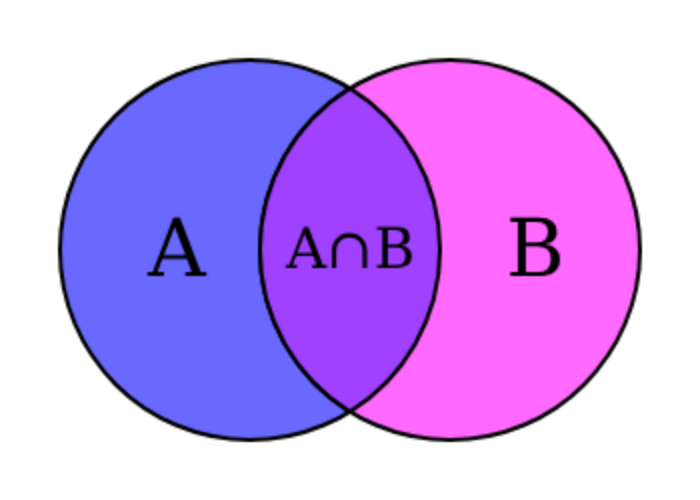
Generic Venn diagram. Source: Wikimedia Commons
Short-term investors prefer more volatile and trending coins but if need be, can make BTC and ETH work for their goals too. Solana is a good example of how one asset can fit two styles for different reasons. Long-term investors focus on its throughput and low fees that make it a plausible Web3 infrastructure layer; short-term traders can appreciate its liquidity.
Risk management flips too due to the vastly different risk profiles in these strategies. Long-term portfolios may tolerate 50% drawdowns for extended periods but only if the investment thesis holds. Short-term positions often need stop-loss discipline at 5 or 10%. Even if the asset is the same, you manage its risks differently as a result of the strategy choice.
Top Cryptocurrencies for Long-Term Investment (2026)
Hype and trends won’t matter in a few years or even months, so a long-term crypto portfolio is less about chasing the next 100x and more about owning networks that still matter when the conversation moves on. Here are ten major candidates for a 2026 portfolio for many more years ahead.
Bitcoin (BTC)
To no one’s surprise, Bitcoin remains the anchor asset for many cryptocurrency portfolios. It consistently has the largest market capitalization among crypto assets and the strongest “digital gold” positioning—especially for investors who value security and decentralization over speed.
Spot Bitcoin ETF demand predictions suggest institutional allocations could further accelerate, with analysts expecting major pension funds and sovereign wealth funds to seek Bitcoin exposure.
Yes, Bitcoin’s base-layer throughput is still around 7 transactions per second. But that’s not the point. Its job is credibility and resilience.
Ethereum (ETH)
The runner-up, Ethereum, is still the core settlement layer for a huge portion of DeFi applications, NFT marketplaces, and smart contracts. Ethereum 2.0 upgrades back in 2022 shifted the network to proof-of-stake, and scaling work continues to target lower gas fees and higher throughput. If you invested in ETH even at that point in its lifetime, when it was already seven years old and a DeFi powerhouse, you would reap considerable benefits in 2026.
The key argument in favor of ETH is developer gravity. Ethereum consistently leads in active developers, and that tends to translate into real-world utility over time. If you want broad exposure to the smart contract economy, Ethereum is the most direct route.
Solana (SOL)
Another infrastructure play that paid off massively for early and later investors alike, Solana is a speed-first chain built for high-frequency use. In real conditions, it processes roughly 3,000–4,000 transactions per second, on par with more traditional global payment networks. At the same time, gas fees are often less than $0.001 per transaction, which is why ultra-low transaction fees are a recurring theme in Solana adoption discussions.
It is true that Solana had experienced recurring outages and stability issues in earlier years, but ongoing improvements have considerably strengthened the confidence ever since. The long-term thesis for buying Solana is simple: if Web3 needs scale that feels like the internet, speed matters.
Cardano (ADA)
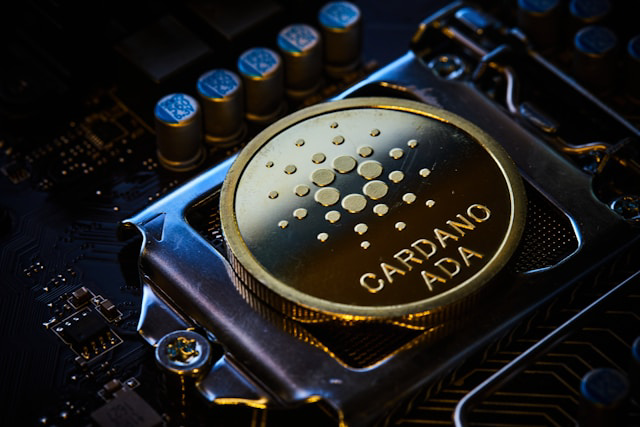
Photo by Michael Förtsch on Unsplash
Short-term traders may have been underwhelmed by ADA’s performance but hear us out: Cardano is methodical—peer-reviewed, research-driven, and slower to ship. That’s frustrating in bull markets and comforting in bear markets.
It runs on proof-of-stake, supports staking rewards, and focuses heavily on identity and emerging-market partnerships (notably in Africa). Aligning with the expectations vs. reality, the investment case for Cardano is longer-dated: adoption through boring but real infrastructure needs, not short-term trend cycles, however exciting they may be.
Polkadot (DOT)
The Polkadot network is built around interoperability—the idea that blockchains shouldn’t live in isolated islands. Even in 2026, this is still a major hurdle to not only widespread global adoption but simply nicer user experience in crypto. Polkadot addresses this issue with its own infrastructure: its parachain architecture supports specialized chains that can still communicate through the network.
Of course, other isolated blockchain ecosystems are still around and thriving, not yet replaced by parachains. But this is not to say that Polkadot failed: if the ecosystem keeps expanding, the inherent interoperability of the platform becomes more valuable over time. Polkadot’s native coin DOT also offers staking and governance rights, which can matter for long-term holders who want yield and participation.
Chainlink (LINK)
Chainlink is currently the leading oracle network, meaning it connects smart contracts to real-world data and lets the blockchain and real worlds communicate with each other. Prices, weather, event outcomes—anything a contract needs to reference from outside the blockchain it gets from an oracle.
And once again, this is infrastructure, not an app. Chainlink’s price feeds and proof-of-reserves are integrated all across the DeFi space. And infrastructure tends to compound value when ecosystems grow. Thus, Chainlink’s wide integration across major blockchains creates defensibility through network effects and switching costs.
BNB
BNB simultaneously powers the Binance ecosystem and its own one: holders and users get reduced trading fees, participation in token launches, and gas for BNB Chain. BNB token burns add deflationary pressure into the investment thesis.
The trade-off in this particular case is centralization risk. Your thesis is partially tied to Binance maintaining market position and navigating regulation successfully. But despite facing serious reputational damage in the past years, it still seems to be doing fine; do not take this as a guarantee, of course but there is a lot to study and take away from this ecosystem’s case for the long term.
Avalanche (AVAX)
Well-balanced around methodical development, addressing actual issues in the blockchain space and being a legitimate competitor to many projects described above, Avalanche targets fast finality (under two seconds) and relatively low fees (often under $0.25). A big differentiator is subnets—custom blockchains that plug into the broader Avalanche framework.
That flexibility can attract enterprises that need compliance or tailored environments. Partnerships with traditional finance players and spot ETFs also support a “beyond crypto-native” adoption path.
XRP
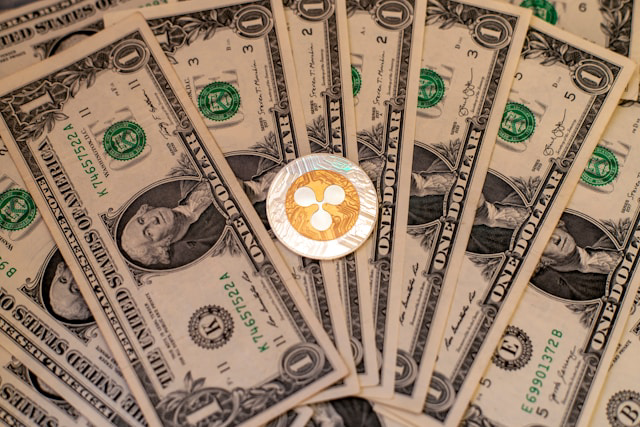
Photo by Dmytro Demidko on Unsplash
In its original iteration developed by Ripple, XRP focuses on cross-border payments. The XRP Ledger settles transactions in 3–5 seconds with negligible fees, and Ripple has long targeted bank and payment-provider integrations.
Its market capitalization has remained in the top tier through thick and thin, and the current investment case depends heavily on institutional payment adoption. Improved regulatory clarity and standing has also supported the sentiment around XRP’s long-term value.
Litecoin (LTC)
Last but not least, Litecoin is the Bitcoin spin-off for daily payments that has survived the longest of its kind. It’s been up and running since 2011, with practical transaction speeds (around 54 TPS) and fees often under $0.05.
It’s not exactly flashy, especially lately, but its reliability inherited from BTC’s design is a core feature. Litecoin can work as a conservative counterweight in a portfolio full of higher-beta assets.
Emerging Narratives and Higher-Growth Assets
If the list above is your “sleep at night” basket, this section is your “high upside, higher risk” shelf. After all, Bitcoin is the poster child for an obscure technology bringing a paradigm shift into finance at large—and those who saw it early are now insanely vindicated.
However, with BTC, we have the benefit of hindsight. Emerging narratives can be real innovation—or just a well-designed story. The goal is to stay curious without getting reckless.
AI Tokens
When AI became a mainstream technology, it was only a matter of time that use cases combining it with the blockchain would be sought. No longer a new category in the market, AI tokens combine artificial intelligence and blockchain to build decentralized computing markets. Examples include:
- Bittensor (TAO): machine learning subnets with incentive-driven competition
- Akash (AKT): decentralized cloud computing marketplace (spare compute rental)
- Artificial Superintelligence Alliance (FET): autonomous agents that transact and negotiate
Projects aim for a large variety of use cases but their uniting pitch is decentralization: reducing the concentration of AI infrastructure in a few corporate hands.
Modular Blockchains
Modular blockchains generally have a complex architecture of layers that separate execution, consensus, and data availability. Celestia (TIA) is a key example with a pluggable data availability layer. Sui (SUI) takes another route with Move and parallel processing.
In simpler terms, modular design tries to scale more efficiently by not forcing every participant to do every job.
Layer 2 Networks
By now, Layer 2 networks are the main solution to reduce congestion on Ethereum by processing transactions off-chain and settling back to Layer 1. For example, Arbitrum (ARB) uses optimistic rollups to lower gas fees while leaning on Ethereum security.
Solana’s high throughput (up to 65,000 transactions per second) and low fees (fractions of a cent) have contributed to its increasing share in the DeFi space, creating competitive advantages in terms of scalability and developer adoption over Ethereum. Layer 2s are Ethereum’s answer: keep Ethereum’s security ethos, add speed where users need it.
Real-World Assets (RWA)

Photo by Jakub Żerdzicki on Unsplash
What is tokenization and RWA narratives about? These technologies create representations of traditional assets on blockchains: real estate, commodities, securities. On paper, it improves their liquidity and opens up opportunities such as fractionalization. Ocean Protocol (OCEAN) supports data marketplaces; Injective (INJ) targets derivatives trading, including tokenized stocks and commodities.
The core idea is fractional ownership and always-open markets; something that was not always possible in traditional markets but crypto can enjoy. Why should access to assets be limited by geography or market hours?
2030 Time Horizon Framework
Let’s suppose you are aiming for the end of the decade. Long-term crypto investing indeed works better when you plan beyond the next cycle.
Portfolio Goals
Set goals around technology milestones and macro trends, not just a return number. Ask: which networks might define value transfer, computation, and digital ownership six years from now?
Also, define risk tolerance honestly. Can you sit through a 70% drawdown without panic-selling? If not, your “core” allocation needs to be heavier, and your satellite bets smaller.
Core and Satellite Allocation
A 70/30 framework (core/satellite) often fits crypto well.
- Core: Bitcoin and Ethereum for liquidity depth, institutional support, and relative regulatory clarity
- Satellite: higher upside positions tied to infrastructure gaps (interoperability, scaling, user experience)
Solana can fit as a satellite, especially post-Firedancer upgrade. The Firedancer validator client, built by Jump Crypto, is expected to push Solana’s throughput beyond 1 million transactions per second—useful for high-frequency applications like payments and gaming. Regardless, as your satellite, your position in it should be sized according to your risk appetite and ability to take volatility on.
Rebalancing Rules Across Market Cycles
Rebalancing is what stops your portfolio from turning into a single-coin accident.
Experienced investors use percentage-based triggers for this. If satellites rally and your core drops below target, trim winners and restore balance. In bear markets, do the opposite: if everything bleeds and Bitcoin becomes an oversized percentage, resist the urge to consolidate further. That is also often when quality satellites are cheapest.
Regulatory events can change flows quickly (ETFs, MiCA implementation). Core assets, as the more established ones, tend to catch institutional inflows first. Those moments can be opportunities to rebalance into undervalued infrastructure plays—if your fundamentals check out.
Things to Keep in Mind When Investing in Crypto Long-Term
Long-term crypto investing includes unique investment risk that traditional assets don’t. Knowing the risk categories is how you avoid learning them the expensive way.
Volatility and Drawdowns
Drawdowns in crypto are extreme, both in time and scale. Even Bitcoin has historically seen 80%+ drops. During the 2022 bear market, Bitcoin fell from $69,000 to $15,500, and Solana dropped more than 95%.
Volatility is a feature of an immature market, which crypto still is. It’s also why many retail investors underperform: they sell fear and buy excitement. Smart money are more recent players in this market in contrast.
Regulatory and Legal Risk (Jurisdiction-by-Jurisdiction)

Photo by Neon Wang on Unsplash
Rules and laws vary widely, depending where you trade or where you are. The United States SEC intensified actions in 2023, the EU implemented MiCA, China maintains a ban, and El Salvador adopted Bitcoin as legal tender. Hence, your risk profile depends on where you live and which platforms you use.
Crackdowns are not always known well in advance and can mean delistings, restricted access, or forced changes in how protocols operate. Depending on what happens—is is a lawsuit or a total ban?—this can be a blip on the radar or throw a wrench into your long-term plan.
Custody and Protocol Risk
In terms of custody on exchanges, FTX in 2022 was the rude awakening no one wanted: centralized exchanges, even major ones, can and do fail. “Not your keys, not your coins” is a custody principle, not a mantra.
Hardware or any self-custody wallets partially reduce this counterparty risk, but they introduce personal responsibility. Lose your backups or a seed phrase, and there’s no support desk. Any long-term stash will go completely inaccessible, just like that.
DeFi in general runs on Smart Contract code, which can be faulty: that’s how exploits happen. Ronin Bridge lost $625 million in 2022, and Wormhole Bridge lost $320 million. But it’s not only the code, some economic models like Terra (LUNA) that collapsed in May 2022, wiping out $40 billion in market cap, can fail the real-life exam as well.
The main takeaway here is blockchain immutability is unforgiving. Smart contracts have two options: either stay immutable, exploit or not, or keep access and ask users to trust the admin. In any case, if a protocol fails, there’s rarely a clean rewind.
Supply and Market Manipulation, and Scams
Where applicable, unlock or release schedules of tokens and emissions matter. Aptos, for one, faced criticism for large investor unlocks in 2023. Inflationary Proof-of-Stake issuance can dilute holders unless demand grows faster: not every coin with this model (or tokenomics) can be Solana.
When it comes to markets, pump-and-dumps, wash trading, fake contracts, and phishing are still common. It takes precautions like verifying token contract addresses through official sources and ignoring unsolicited investment pitches to stay safe. Although they reliably protect from online attacks only (if you sign a transaction for a scammer, it’s over), it’s still recommended to use hardware wallets when holdings justify it.
Taxes and Reporting Obligations
Taxes vary, but in many places crypto trades are taxable. In the U.S., the IRS treats crypto as property. The 2021 Infrastructure Bill increased broker reporting requirements, and 2024 regulations mandated 1099-DA forms.
Track cost basis, trades, and staking rewards carefully. If you’re unsure, talk to a qualified tax professional.
1000x Potential Claims
On the longer time horizon, higher gains become more feasible. The “1000x” narrative sells because it’s mathematically possible. It’s also statistically brutal. It’s true that you have LINK’s 20x, Solana’s 50x, and even BNB’s 500x, which are exorbitant by traditional market standards. However, the crypto market has hundreds of thousands, if not millions, of tokens that never reach such heights and legitimacy.
Asymmetric Risk
Asymmetric risk is when upside dwarfs downside—risk $100, potentially make $100,000. Sounds great… maybe even too good to be true. Early Ethereum and Solana investors saw massive returns but for each winner, hundreds of projects collapsed.
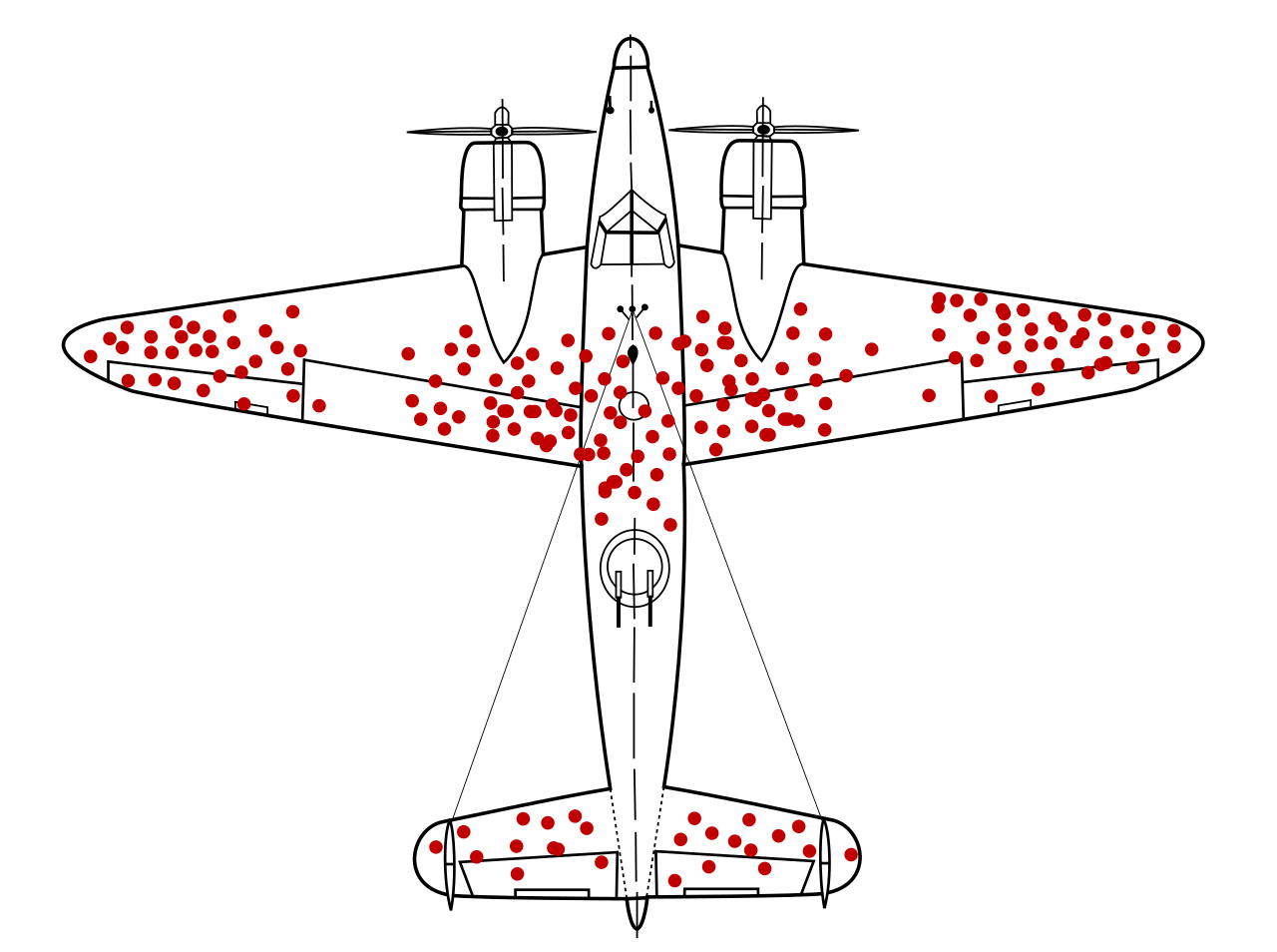
Illustration of hypothetical damage pattern on a WW2 bomber. Loosely based on data from an unillustrated report by Abraham Wald (1943), showing that a similar plane survived a single hit to the engine 60% of the time, but a hit to the fuselage or fuel system closer to 95% of the time.
The important detail is survivorship bias: you hear about the winners because the losers stopped tweeting.
Microcap Liquidity and Exit Planning
Microcap liquidity, that is, liquidity in tiny markets, is where paper gains go to die. You might be up huge, but selling moves the market against you.
Low liquidity tends to create dramatic pumps—and equally dramatic exits. Your risk isn’t only “does it succeed?” but also “can I realize gains without nuking the price?”
Exit planning is what turns speculation into a strategy. Many experienced traders use tiered exits: sell portions at 10x, 50x, and keep a remainder for long-tail upside.
Bull markets create liquidity windows which don’t last forever. Keep in mind that greed is a terrible portfolio manager.
Tokenomics and Emissions
Aggressive emissions can crush a microcap. Insider unlocks on the 6–24 month time frame post-launch can overwhelm demand if a solid product is not there or has not found an audience.
Deflationary mechanics somewhat help but not all of them are created equal. To add insult to injury, governance can change rules, and scarcity narratives can be manipulated.
Security and Smart Contract Risk
Even audited projects can be exploited, and unaudited code may as well be a time bomb. The Poly Network hack in 2021 pulled $600 million through a smart contract flaw. The risk is much higher in microcaps, which tend to not have the solid fundamentals of projects with good longevity: the priorities are often misplaced.
All of this is to warn you against doing unresearched bets on obscure altcoins, propelled by current sentiment and hype rather than real utility. A few and far between cases of assets multiplying their value do not mean that just about any cryptocurrency with small valuation at the time will do the same by the time you are aiming for.
How to Choose Long-Term Cryptocurrency Investments
So, if you want assets you can actually watch quickly or more slowly grow for years, you need a framework that survives price noise.
Value Drivers
Value drivers are the concrete “why” behind demand.
- Bitcoin: scarcity and security
- Ethereum: smart contract economy
- Solana: ultra-low fees and high throughput with a large-scale thriving ecosystem
Summary: utility matters. XRP’s cross-border payments thesis is only as good as the adoption it is actually finding. A token that exists only for speculation is a different category entirely.
Ecosystem Strength
Ecosystems create network effects. Developer activity signals whether a project is alive, in most cases. Ethereum’s developer base is a major moat, and Solana’s thriving ecosystem includes DeFi protocols, NFT marketplaces, and infrastructure projects.
Partnerships can help, but builders matter more than brand announcements. Healthy communities also tolerate skepticism, while cultish communities don’t.
Tokenomics and Governance
Tokenomics determines whether demand can actually accrue to holders. Bitcoin’s cap on total supply creates scarcity. Ethereum’s fee burn mechanism can make ETH deflationary during high activity.
Check distribution and vesting. Concentration risk is real, and so is insider dumping.

Photo by Elissa Garcia on Unsplash
Governance is how protocols adapt. On-chain governance offers transparency but can still be whale-driven. Off-chain governance can work, but it can also hide centralization.
Look for a history of upgrades and conflict resolution. Stagnation is a slow death.
Regulatory Exposure
Securities classification, privacy scrutiny, stablecoin regulation, and DeFi frameworks all affect viability. Bitcoin and Ethereum generally have more clarity than newer projects.
Teams with legal resources and transparent operations tend to adapt more smoothly than projects living in gray zones.
Security Track Record
Security is the foundation. Audits, bug bounties, incident response, validator decentralization, and uptime history all matter.
Solana had outages in 2021–2022 but by now has significantly improved stability through upgrades. Past issues aren’t always disqualifying—how a network responds is often the tell.
How to Invest in Cryptocurrencies
Picking coins is only half the job. The other half is building a setup that protects you from preventable losses.
Position Sizing
Remember the tips at the start of the article? Position sizing is how you control survival. Many investors cap individual holdings at 5–10% of their portfolio, with smaller limits for higher-risk altcoins. Bitcoin and Ethereum often anchor conservative allocations.
Rebalancing matters. So does having rules before emotions arrive.
Exchange Selection
Choose exchanges by security, fees, regulatory compliance, and reputation. Cold storage practices, insurance, and licensing status are all worth checking.
Also: user experience is not trivial. A clean interface reduces mistakes, and mistakes in crypto can be expensive.
Hardware Wallets
Hardware wallets keep private keys offline. Ledger (Nano S Plus, Nano X) and Trezor (Model One, Model T) are widely used, with PIN protection and seed phrase backups.
They cost money upfront, but if you’re holding long-term, they often pay for themselves in risk reduction.
Scams and Custody Risk
Stay on your toes to protect your investment, especially long-term. Scammers target urgency and inexperience: fake sites, impersonation, “guaranteed returns.” No legitimate service asks for your recovery phrase.
Custodial wallets are convenient but concentrate counterparty risk. Non-custodial wallets give you control—along with full responsibility. Use 2FA (authenticator apps, not SMS) for exchange accounts.
Crypto Tax Considerations
You will inevitably need to do things to your holdings that can classify as tax events, so do not neglect it. Selling, swapping, and even small purchases can be taxable depending on jurisdiction. Record-keeping is essential: dates, amounts, rates, and transaction purpose.
Tax rules are not set in stone either. If you’re unsure, consult a tax professional familiar with cryptocurrency regulations in your region.
Conclusion
Long-term cryptocurrency investing in 2026 is a balancing act: established assets for durability, emerging assets for growth, and a risk plan that keeps you in the game when volatility hits.
The important detail is that portfolio management goes beyond price charts. Decentralization affects censorship resistance. Ecosystem development shows whether builders are creating lasting value. Regulatory compliance can be boring, but it can also be the difference between a long-term hold and a forced exit.
To summarize: thorough research beats timing the market every single time. Know what you own, why it matters, and what could realistically go wrong. The opportunities heading into 2026 are substantial—but they tend to reward investors who build positions thoughtfully, manage risk actively, and refuse to chase every trending token.
Frequently Asked Questions
Which crypto should I buy today for the long term?
Most long-term portfolios start with Bitcoin and Ethereum for liquidity and track record, then add measured exposure to growth assets. Solana offers high throughput at 2,600 transactions per second with the upcoming Firedancer upgrade promising even greater performance improvements for longer-term ROI considerations. Polkadot adds interoperability exposure.
The key part is balance: Bitcoin and Ethereum for stability; newer assets for upside—sized according to your risk tolerance. Conservative allocations might keep 60–70% in Bitcoin and Ethereum, while more aggressive investors may allocate 20–30% to scalable infrastructure plays.
Which crypto will boom in the future?
Future growth tends to favor projects solving real constraints: AI integrations, modular blockchains, and decentralized data networks. Competition among smart contract platforms like Algorand, Near Protocol, Internet Computer, and Elrond also matters as they compete on throughput, tooling, and user experience.
Here’s the important detail: “boom” predictions fail when they focus on price instead of fundamentals. Developer activity, user growth, and real-world utility are more durable signals than hype.
What is the best cheap crypto to buy now?
Low price triggers unit bias, but value depends on market capitalization—not token price.
When evaluating cheap tokens, focus on:
- Project utility
- Scalability potential
- Ecosystem development
- Security infrastructure
Cheap tokens can be legitimate entry points, but they usually carry higher risk than established assets. Treat them like satellites, not foundations.
Do I have to pay taxes for investing in crypto?
In many jurisdictions, yes. Selling for profit, swapping one asset for another, or buying goods with crypto can be taxable, including common stablecoin conversions involving Tether and USD Coin.
Rules vary by region. In the U.S., gains are typically reported on Schedule D, and rates depend on the holding period. Record-keeping is essential, and crypto tax software can help. If you’re uncertain, a tax professional familiar with crypto can save you from expensive mistakes.
Disclaimer
This article is not financial or investment advice. When dealing with cryptocurrencies, remember that they are extremely volatile and thus, a high-risk investment. Always make sure to stay informed and be aware of those risks. Consider investing in cryptocurrencies only after careful consideration and analysis of your own research and at your own risk.