
How to Buy New Crypto Before Listing?


Key Takeaways
- 🐣 The goal isn’t “buy early.” It’s to buy smart. Pre-listing markets can offer 40–60% discounts, but the trade-offs are baked in: thin liquidity, extreme volatility, delays, and the very real chance a token never lists (or lists below presale).
- 🐣 Early-access routes have their failure modes. Presales/ICOs can mean discounts + lock-ups; IDOs/DEX listings are frictionless but higher scam/contract risk; IEOs add structure and vetting, but allocations are scarce and eligibility is strict; pre-markets are pure price discovery with brutal volatility.
- 🐣 At any point but early on especially, tokenomics and vesting matter more than vibes. Study circulating vs total supply, team/investor allocations, and cliff/unlock schedules—because unlocks create sell pressure, and hidden or lopsided allocations turn “early access” into exit liquidity.
Disclaimer
This guide serves educational purposes only and does not constitute financial, legal, or investment advice. Readers are solely responsible for complying with local laws and regulations governing cryptocurrency transactions. Pre-listing access can be restricted by region and may require KYC/AML verification. Cryptocurrency investments carry high risk, including total loss of principal.
Contents
Buying new crypto before listing means acquiring tokens before they become available on major centralized exchanges like Binance or Coinbase. In 2026, access happens through four primary routes: direct participation in token sales or initial DEX offerings (IDOs), allocation-based launchpad platforms such as Binance Launchpad or CoinList, purchasing on decentralized exchanges (DEXs) like Uniswap or PancakeSwap immediately after initial liquidity deployment, and trading IOUs or points in pre-market futures on select exchanges. After reading this guide, you will know how to identify opportunities across each route, prepare the technical and compliance infrastructure needed to participate, and execute trades while managing the inherent risks and timelines that come with early-stage token access in a fast-moving digital currency market.
What counts as “before listing”? Three distinct scenarios qualify, each with different mechanics:
- Not tradable anywhere yet: private sales, public sales, or launchpad events where you receive an allocation but cannot transfer or sell until a claim date.
- Tradable on a DEX, but not on major CEXs: liquidity exists, but pricing can be volatile and slippage high due to shallow pools.
- Pre-market IOU/points markets on exchanges like Bybit or KuCoin: you trade a derivative representing future token delivery; settlement happens only after the official token listing, custody remains with the exchange, and pricing reflects speculation rather than spot liquidity.
This guide is for:
- Users comfortable managing private keys, seed phrases, and interacting with smart contracts on multiple blockchains
- Individuals willing to complete KYC/AML verification on launchpad platforms and exchanges when required
- Traders who can tolerate illiquidity, vesting schedules, and potential lockup periods lasting weeks or months before tokens become transferable
If any of this sounds like something outside of your wheelhouse, the guide may not be for you yet. Of course, you can always take some time to gain the necessary knowledge, with other guides in the ChangeHero blog included!
Benefits of Buying Crypto Before Listing

Buying before listing is a bit like getting a concert ticket at face value while everyone else is paying resale. Maybe even better! That being said, the upside is obvious but the trade-offs are not to ignore either.
Price Upside
Pre-listing investments can secure tokens at significantly lower prices than you’ll see once a coin goes public. Early rounds often come with discounts in the 40–60% range versus an anticipated listing price.
The mechanism is simple: fewer buyers, lower demand, better pricing. Once a token lists on a major exchange like Coinbase, accessibility expands, and that can trigger a sharp price rise—sometimes purely off announcement momentum.
An example: if a token is priced at $0.50 during a private sale and later trades at $1.20 after listing, early buyers are already sitting on gains before broader markets even get access. Solana was sold $0.04 a piece in the initial seed round. The key word is potential. Not every token is Solana, not every token even pumps, and some list below presale price. But mathematically, a lower entry price is still an advantage—if the project is the real deal.
Incentives
Even in a presale, you need buyers, and potentially lower price alone is not always enough to attract them. Projects frequently reward early buyers with bonuses and perks that disappear once public trading begins.
Common incentives include:
- Bonus tokens (often 10–20% extra in early rounds)
- Tiered bonuses (earlier rounds = higher bonus)
- Governance privileges or early community access
- Priority participation in future launches
Why do teams do this? Early capital funds development and helps bootstrap an investment community. Ideally, that funding goes toward audits, infrastructure, and execution—not just marketing. Once a token is live on exchanges, though, buyers typically get no bonuses and no special access.
Allocation Access
If you’ve ever tried to buy into a hot public sale, you might’ve seen oversubscription in action. Demand can dwarf supply, and public buyers sometimes receive 10–20% of what they intended to purchase—or nothing.
Pre-listing participation helps you secure allocation before the scramble. You’re effectively reserving a position when conditions are calmer instead of fighting a chaotic launch window.
Building on that, allocation access also gives you room to size the position more intentionally. You can do research first, commit capital on purpose, and avoid making split-second decisions while the market is sprinting.
Preparing to Buy Crypto Early
Before attempting to acquire a new cryptocurrency before its official listing, assembling the right infrastructure matters more than timing alone. Irreversible mistakes—lost access, wrong network selections, failed swaps exploited by MEV bots—almost always come from skipped steps, not “bad luck.”
Wallet
Before committing to any early crypto purchase, you have to go back all the way to your wallet setup, even if you are an experienced investor. In the context of crypto presales and pre-listing purchases, there are a few quirks to consider.
First of all, do you utilize cold and hot storage properly? Cold hardware wallets are a secure choice for substantial holdings but competitive pre-sale windows often push users toward hot wallets for faster signing. Carefully consider the trade-off between security versus responsiveness.
Secondly, make sure well in advance your crypto wallet supports the blockchain network and assets in question. Finding out you can’t receive the tokens from the presale with your freshly bought dedicated hardware device is a costly mistake.
Thirdly, for higher-risk pre-listing activity, it might be better to compartmentalize: deploy a fresh wallet dedicated solely to this purchase, funded with only the amount you need. Even then, your seed phrase handling must follow a zero-compromise protocol. If you’d like a refresher, read on seed phrase security.
Connection hygiene matters as much as seed phrase safety. Before approving any transaction, confirm the domain matches the official site—phishing domains often differ by a single character. Avoid blind signing. If your wallet parses transaction data, read it. Pre-approve only the exact spend amount rather than unlimited allowances. After you’re done, revoke token allowances using tools that scan your wallet for open permissions and submit cancellation transactions.
Funding
Funding preparation splits into three main steps:
- Purchase asset: ETH for Ethereum-based tokens, SOL for Solana launches, or BNB for BscScan-listed projects.
- Gas buffer: budget for multiple retry attempts; pre-listing windows create congestion. Plan at least 3–5x your estimated gas costs.
- Bridge and transfer fees: if you’re moving cross-chain, the bridge itself consumes gas on both source and destination chains.
Before initiating large transfers, confirm your exchange withdrawal status. Many platforms impose holding periods after deposits, KYC/AML regulation reviews, or daily withdrawal limits. Also verify the destination network at withdrawal time. Centralized exchanges like Binance or Coinbase offer multi-network withdrawal options for assets like USDT (ERC-20, BEP-20, TRC-20). Selecting the wrong network is one of the most common irreversible failure modes.
Execute a test transaction before moving your full amount. Send $10–20 worth of the asset to your wallet, confirm receipt on a blockchain explorer like Etherscan or BscScan, then proceed with the full transfer.
Network Selection
Pick the correct network by cross-referencing three data points:
- Where you’ll acquire the token: launchpad platforms specify their native chain; IDO pools operate on specific networks; DEX listings on Uniswap or PancakeSwap show which chain hosts the liquidity pair.
- Where the token actually lives: check the token contract address in a blockchain explorer. The official project should publish this contract address; any deviation is a scam signal.
- How liquidity is paired: token/ETH pools require ETH; token/USDT pools require stablecoins.
Confirm chain details through a blockchain explorer rather than third-party sites. On Etherscan, the contract page shows the token standard (ERC-20, ERC-721), creation date, and deployer address. Cross-reference this with official project communications on verified social channels.
If bridging becomes necessary, do it well ahead of sale windows. Bridge routes vary in minimums, time-to-finality, and destination wallet format compatibility. Ethereum uses EVM addresses (0x...), while Solana uses base58 encoding. Verify the bridge supports the exact route you need and that finality times align with your deadline.
Transaction Settings
If you go the decentralized exchange route, DEX swap configurations determine execution success and your true cost basis.
- Slippage tolerance: start at 0.5–1% for established pairs; increase gradually only after failures confirm the pool can’t support tighter bounds. Very high slippage (10%+) creates sandwich-attack opportunities.
- Deadline/expiry: set 10–20 minutes under normal conditions, shorter during volatile launches.
- Gas strategy: plan for two attempts—first slightly above average, second with 50–100% higher priority fees if needed.
Lest you forget, high-visibility launches create a lot of opportunities for MEV and front-running. Avoid sharing transaction hashes or wallet addresses publicly before execution. If you can, use private RPC endpoints; these can reduce mempool exposure.
Before submitting, take 30 seconds for a final review: correct token contract, correct network, intended amount, and “minimum received” output that accounts for slippage and fees.
Best Methods to Buy New Crypto Before Listing
Retail investors access new crypto before listing through seven primary routes—presales, ICOs, IDOs, IEOs, launchpads, decentralized exchanges, and pre-market trading—where higher price discounts (often 40–60% below intended listing per Medium analysis) correlate directly with stricter lockups, custody handoffs, or smart-contract risk. The route you pick should match what you actually value: liquidity, simplicity, allocation size, or minimal KYC friction.
There are a few criteria you may find helpful in matching your profile to a method:
- KYC/AML regulation needed: IEOs, most launchpads, and some CoinList-style ICOs require full identity verification; presales, IDOs, and DEX swaps often do not.
- Custody: Centralized routes (IEOs, some launchpads) hold your tokens until listing; decentralized routes let you custody immediately.
- Vesting/lockup: Presales and ICOs commonly lock tokens for 3–12 months; IDOs may offer partial unlocks; DEX trades settle instantly.
- Pricing mechanism: Fixed-price sales (presales, IEOs) versus auction/AMM curves (IDOs) versus live orderbooks (pre-market trading).
- Execution complexity: Direct contract calls (presales, IDOs) require MetaMask and gas token management; exchange-based methods need only account balances on a crypto exchange.
- Main scam surface: Presales expose you to fake contract addresses; IDOs to rug pull liquidity; IEOs to exchange insolvency; pre-market to platform counterparty risk.
Presales
Firstly, crypto presales allow early investors to purchase tokens at discounted rates before public availability, usually through staged pricing tiers. Think early-bird promotion: you get a better price because you commit earlier.
Presales are commonly structured as:
- Seed rounds for strategic investors
- Private rounds for venture capital
- And finally, public presales for retail participants
Each stage typically increases price. For instance, a token might be sold at $0.05 in seed, $0.08 in private, $0.12 in public presale, then list at $0.20.

Funds raised in presales usually go toward development and early liquidity creation, hence the very attractive conditions. The important detail is that many presales require whitelisting and KYC, and many include lock-ups that can restrict selling for months so buyers can’t dump.
On the other hand, presales are high-risk by default: unreleased products, uncertain tokenomics, and timelines that can stretch are all part of the package.
ICOs
Secondly, Initial Coin Offering (ICO) events function similarly to presales but historically ran at larger scale with broader retail access. After all, those were originally envisioned as crypto’s IPOs. The classic ICO flow is: a whitepaper is published, the project accepts future token purchases in cryptocurrency (often Bitcoin or Ethereum), and participants receive newly minted tokens after the event concludes.
ICOs created real winners—Ethereum itself ran an ICO in 2014—but the low barrier to launching them also created the “exit scam” era, where founders raised funds and disappeared.
Regulators later began treating many ICO tokens as securities by definition, which pushed modern ICOs toward stronger compliance, KYC/AML, and jurisdiction restrictions. As a result, many teams shifted toward IDOs and IEOs.
IDOs
Initial DEX Offerings (IDOs) are the even more decentralized option compared to ICOs: users buy new tokens on decentralized exchanges like Uniswap or PancakeSwap without intermediaries.
In these events, projects create liquidity pools (often paired with ETH, BNB, or stablecoins), and anyone with a compatible wallet can swap in immediately. No gatekeepers. No long KYC process. That ease is the point.
Lower fees are part of the appeal too: DEXs don’t charge listing fees or any other underwriting expenses, so launches can be faster and cheaper.
However, this is also where responsibility shifts to you. IDOs can be plagued by smart contract issues, rug pulls, and honeypots due to virtually non-existent barriers to entry and regulation. Always verify contract addresses through official channels and check for audits before you interact.
IEOs
Initial Exchange Offerings (IEOs) run through centralized exchanges like Binance Launchpool, Coinbase, or KuCoin Spotlight. The exchange vets projects and provides infrastructure, acting as a launch platform, an underwriter, and a gatekeeper.
Binance Launchpool is a common example: users stake assets (like BNB) to receive new tokens before listing. KuCoin Spotlight often uses lottery-style allocations.
The trade-off is scarcity and restrictions. IEO allocations can be tiny in high-demand launches, and many apply geographic limits due to regulations. Still, compared to the Wild West of IDOs, IEOs often offer a more structured experience.
Pre-Market Platforms
MEXC is an example of these platforms: they enable trading of tokens before official listings. It’s essentially speculative early price discovery—like betting on where the market will land once real trading opens.
MEXC may list “pre-market” versions of anticipated tokens, which later convert into the real tokens at defined ratios. Therefore, thin liquidity and high volatility are the baseline here, not the exception. Rumors can move prices violently, and launch delays can trap positions.
The upside is early positioning and occasional arbitrage. The downside is that if the project delays, changes terms, or never launches, the position can become worthless.
Airdrops
A very popular method, especially in crypto, airdrops distribute free tokens to wallets that meet certain criteria—often to bootstrap users, visibility, and network effects.
Some airdrops reward real usage (like Uniswap’s liquidity mining program with UNI). Others require tasks like staking, testing protocols, or participating in communities. It’s free in the sense that you do not pay for it but these days, it is far from unconditional.
The “free money” label associated with airdrops attracts scams. If an “airdrop” asks you to pay, rush, or connect to a suspicious contract, assume it’s hostile. Verify announcements only through official channels and never share your private keys.
Decentralized Exchange Listings
Not to be confused with IDO, DEX listings on Uniswap or PancakeSwap often happen before any centralized exchange listing. That can offer first-mover access—but with thin liquidity and volatility that can be punishing.
Early pools can be small (sometimes $50,000–$200,000 total liquidity), which means a single trade can move price significantly. You may see dramatic spikes followed by equally dramatic crashes as early holders take profits.
Access is easy: compatible wallet + base currency + correct contract address. The downside is already familiar: due diligence is entirely on you. Scam tokens, honeypots, and rug pulls are more common than anyone would like. Verify contracts, check liquidity lock conditions, and start small.
How to Discover Real Pre-Listing Opportunities
Finding legit pre-listing tokens requires a sequential discovery workflow: start with aggregators to generate initial leads, validate credibility through social channels, cross-check timing and legitimacy via on-chain signals, and contextualize risk with venture capital activity. Each layer filters noise and builds confidence before capital commitment.
Aggregators
Aggregators function as your first-pass sorting mechanism, consolidating scattered launch announcements into searchable databases. Finding projects is not particularly challenging—but extracting structured data and separating legitimate opportunities from promotional clutter is.
Ideally, a project should provide the following in their introduction:
- Official website URL
- Token contract address (if deployed; note "coming soon" status)
- Blockchain network (Ethereum, BSC, Solana, etc.)
- Launch mechanism (presale, IDO, IEO, launchpad name)
- Announced TGE/listing window (specific dates or ranges)
- Vesting schedule and lockup periods
- KYC requirement (yes/no/jurisdiction restrictions)
- Official social links (Telegram, Discord, X)
But that alone is the bare minimum. With the provided information, continue verifying project’s legitimacy by:
- Cross-referencing social links across multiple aggregator listings—mismatches signal fake entries
- Identifying copycat domains by checking registration dates and slight spelling variations (common in phishing attempts)
- Verifying chain consistency: a project claiming "multi-chain" at presale stage often lacks focus
- Confirming whether contract addresses exist on the stated blockchain versus "TBA" promises
- Looking for transparent allocation breakdowns and publicly accessible vesting documentation
- Checking if launchpad platforms enforce baseline requirements (team doxxing, audit completion, liquidity locks)
When using an aggregator, watch out for fake listings: Projects listed on aggregators but absent from the claimed launchpad's official calendar—verify directly with the launchpad; Swapped tickers: Same ticker symbol used by multiple projects; always verify by token contract address; Spoofed contract addresses: Scammers list legitimate project names with malicious contract addresses—detect by comparing character-by-character against official sources; Paid promotions: "Featured" or "Trending" badges often reflect payment, not legitimacy; check whether organic crypto community discussion exists; Recycled projects: Abandoned tokens relaunched under new names with identical tokenomics—search previous contract addresses on blockchain explorers.
Social Channels

Although a very valid source of new projects, Telegram and Discord channels promise direct access to teams, but they're equally prime territory for impersonators and manufactured hype. Effective monitoring requires verification discipline and signal interpretation skills.
Social media links or handles on the project website should exactly match details in aggregator listings—mismatches indicate unauthorized channels. The language matching in pinned messages for official announcements and the website's communication style is also a plus. Watch out for admin impersonation: scammers create similar usernames with invisible Unicode characters or slight misspellings. Never respond to unsolicited DMs claiming to offer whitelist spots, presale access, or "urgent" wallet verification. And one more: see if announcement language appears copy-pasted across multiple "new" projects—it’s a sign of template scams run by the same operators.
Good signals:
- Structured AMA schedule with named team members and specific technical topics
- Clear, consistently updated roadmap with completion milestones marked publicly
- Transparent moderation that addresses critical questions rather than deleting them
- Organic conversation patterns with users asking detailed implementation questions
Bad signals:
- Perpetual "airdrop coming soon" bait without concrete eligibility criteria
- TGE dates that shift repeatedly with vague explanations like "perfecting tokenomics"
- Bot-heavy engagement with identical praise messages posted within seconds
- Aggressive deletion of questions about team backgrounds, token distribution, or audit findings
On-Chain Signals
Blockchain explorers and DEX analytics provide objective evidence that cuts through marketing narratives. The best part is that many such tools are public, free to use, and hard to fake. Discovery-stage on-chain validation focuses on red-flag detection and early momentum indicators, not exhaustive security audits. What can you do with these tools and for what purpose:
- Locate the token contract on the relevant blockchain explorer (Etherscan for Ethereum, BscScan for BSC, or chain-specific equivalent)
- Verify contract source code publication status—unpublished code prevents independent review
- Inspect the top 20 holder addresses for concentration risk (team wallets, exchanges, liquidity pools)
- Review recent transfer activity for unusual patterns (sudden large movements, circular transfers between related addresses)
- Check liquidity pool creation events on DEX Screener—note initial liquidity amount and timing
- Cross-reference deployer address with known scam databases or previous rug pull incidents
Timing info provides additional insights. Pools created hours after contract deployment suggest rushed launches; legitimate projects often delay liquidity addition to finalize audits. Linear increases in unique holder numbers over days indicate organic discovery versus sudden vertical spikes that signal coordinated buying. Consistent daily volume across multiple price levels versus single-block bursts concentrated at specific timestamps (often wash trading).
In addition to contracts and timing, on-chain analysis can help with assessing liquidity’s quality if you use a DEX. For a start, you can confirm the liquidity pool’s existence on at least one major DEX for the stated blockchain. Liquidity lock and concentration risk require a little more sophisticated services but are also publicly available information. Another signal for wash trading, evidenced by liquidity dynamics, is repetitive trades of identical token amounts between the same two addresses within short intervals
This on-chain layer validates what aggregators and social channels claim. If social channels promise "locked liquidity" but blockchain data shows unlocked pools, that discrepancy alone disqualifies the opportunity.
Venture Capital Activity
Credible venture backing adds legitimacy signals but requires verification beyond logo walls on project websites. VC involvement indicates institutional diligence occurred, though it doesn't guarantee individual investor success.
Don’t take the project’s word about VC involvement at face value: search for direct announcements from the venture fund's official blog, X account, or portfolio page listing the investment; press releases distributed through recognized crypto news outlets (not just project-submitted articles); filings or publicly accessible investment documents in jurisdictions requiring disclosure; named partners or principals quoted in official communications about the investment thesis. Such announcements and disclosures should be cross-referenced by both sources.
Although no VC involvement is not disqualifying on its own, once it is mentioned, take a better look at what is actually entails and avoid these red flags:
- Undisclosed "advisor" relationships where individuals claim affiliation but the VC firm makes no public acknowledgment
- Recycled partner announcements where the same VC "news" appears across multiple unrelated projects simultaneously
- Paid "incubator" or "accelerator" badges that require no selection process—anyone can join for a fee
- Unverifiable investment claims where the stated VC has no digital footprint confirming the relationship
- Logo usage without permission: scammers scrape VC logos from other projects' websites
- Investment amounts disclosed by the project but contradicted or unacknowledged by the VC
How to Evaluate a Token Before You Buy
If what we covered in the previous sections applied to coins anticipating their first big listing, what follows has place in any due diligence plan.
Team
Team verification extends beyond learning who is behind the project and how transparent their track record is. Beyond identity, you must identify who controls the protocol's critical functions via the smart contract roles. Communication integrity reveals whether the team operates with transparency or manufactures hype.
What to verify:
- Team’s identities and supporting evidence (GitHub history, LinkedIn profiles, conference recordings, legal entity registration)
- Contract ownership structure and multisig composition (who are the signers, what threshold is required)
- Communication frequency and substance (are updates technical or purely marketing)
- Historical performance of team members' prior projects (did previous tokens survive, did protocols deliver promised features)
- Public accountability mechanisms (bug bounty programs, incident post-mortems, transparent treasury reporting)
Navigate to the project's official website and locate the "Team" or "About" section to extract member names and social profiles. For contract permissions, use Etherscan or BscScan to inspect the token contract's "Read Contract" and "Write Contract" tabs, filtering for functions that include words like "mint," "pause," "upgrade," or "withdraw." Compare information from the white paper, pitch deck, and live AMA recordings to detect contradictions in tokenomics or launch timelines.
Tokenomics
Tokenomics math determines whether early buyers face guaranteed dilution or whether the supply structure rewards long-term holders. Distribution risk concentrates on who owns how much and when they can sell. Use DEX Screener or DexTools to inspect the top 20 holder addresses once the token contract deploys: if three wallets control 40% of circulating supply, coordinated selling can collapse liquidity regardless of project fundamentals. Airdrop distributions that rely on social tasks (follow, retweet, join) without Sybil resistance create thousands of mercenary wallets that dump immediately, while airdrops gated by on-chain activity (prior protocol usage, governance participation) filter for users with long-term interest.
What to verify:
- Circulating supply at TGE versus max supply, with FDV calculation at expected launch price
- Vesting schedules for team, advisors, seed investors, and strategic partners (start date, cliff duration, linear release period)
- Top holder concentration and whether large allocations correspond to known entities (team wallets, marketing reserves, liquidity pools)
- Revenue capture mechanism and whether it accrues to token holders or protocol treasury
- Comparison of allocation ratios to similar successful projects in the same category
Try locating the tokenomics section in the white paper or pitch deck to extract the total supply, circulating supply at TGE, and allocation table. Use a spreadsheet to calculate FDV (max supply × target price) and divide by circulating supply to find the dilution multiplier. Cross-reference the allocation table with blockchain explorer data by searching the token contract on Etherscan or BscScan, navigating to the "Holders" tab, and comparing the top addresses to team/treasury addresses published by the project.
Use Case
Use case evaluation applies the problem-user-payment triad test to separate genuine utility from narrative-driven speculation. First, identify the specific user. Second, articulate the pain point that existing solutions fail to address. Third, explain why a token is necessary instead of a centralized database or loyalty points—usually because the use case requires permissionless access, trustless settlement, or decentralized governance that no single entity can provide.
Competitor substitution analysis exposes whether the project has defensible moats or whether it competes in a commoditized market. List two to three direct substitutes on the same blockchain and cross-chain alternatives that solve the same problem: if you're evaluating a Solana-based DEX, compare it to Raydium and Orca on Solana, then Uniswap on Ethereum and PancakeSwap on BNB Chain.
Proof of demand signals distinguish projects with traction from projects with only marketing. Measurable artifacts include daily active wallets interacting with the protocol (verify on-chain via Dune Analytics dashboards), total value locked or trading volume trends over 30+ days (check DEX Screener charts for organic growth versus paid wash trading), waitlist signups with wallet verification (not just email collection), and live pilots with named partners who have publicly announced the integration.
What to verify:
- Concrete user persona and pain point articulation (who pays, what problem costs them money or time, why existing solutions fail)
- Token necessity argument (why blockchain vs database, why this token vs native chain asset)
- Named competitors on-chain and cross-chain with feature comparison
- On-chain traction metrics (daily transactions, unique active addresses, TVL or volume trends)
- Public partnerships with verifiable announcements from both parties
Ideally, you should be able to articulate the use case in one sentence without jargon. Search the blockchain explorer for the project's deployed contracts (if testnet is live) and count the number of unique addresses and transactions in the past 30 days. Use Telegram or Discord to ask moderators for links to active testnet dashboards, live demos, or partner integration announcements, then verify those links lead to legitimate third-party sources rather than self-published Medium articles.
Roadmap
Roadmap should signal realistic development, not empty promises. For each roadmap item—testnet launch, mainnet deployment, DEX listing, partnership integration—identify the corresponding evidence: testnet should link to a live blockchain explorer with transaction activity, mainnet requires a verified token contract address on Etherscan or BscScan, DEX listings need official announcements from the exchange, and partnerships require public confirmation from the partner organization (not just a logo on the project's website).
If the roadmap hinges on a centralized exchange listing, understand that exchanges rarely commit to specific dates until liquidity and trading volume targets are met—a chicken-and-egg problem for new tokens. If success requires integration with third-party bridges, oracles, or layer-2 networks, confirm those integrations are already in progress with public communication from the dependency.
What to verify:
- Verifiable artifacts for each past and near-term roadmap item (testnet explorer link, mainnet contract address, Git release tags, partner announcements)
- External dependencies that could delay milestones (exchange listing approvals, third-party infrastructure integrations, regulatory clearances)
- Historical accuracy of prior milestone delivery (did the project hit Q1 targets on time, were delays communicated transparently)
- Specificity of future milestones (vague "research phase" vs concrete "audit by Certik scheduled for June 15")
- Contingency plans or fallback options if key milestones fail
Liquidity
Liquidity before hype determines whether you can exit your position at a reasonable price or become trapped in an illiquid market. Pre-listing tokens typically launch liquidity on decentralized exchanges first so identify which DEX will host the initial pair and what base asset (ETH, SOL, USDT, USDC) will provide liquidity depth. Launchpad platforms like Pinksale or DxSale often lock initial liquidity for 30–180 days to prevent rug pulls, but verify the lock by checking the LP token holder address on the blockchain explorer—if the team wallet still holds the LP tokens, the lock claim is fraudulent.
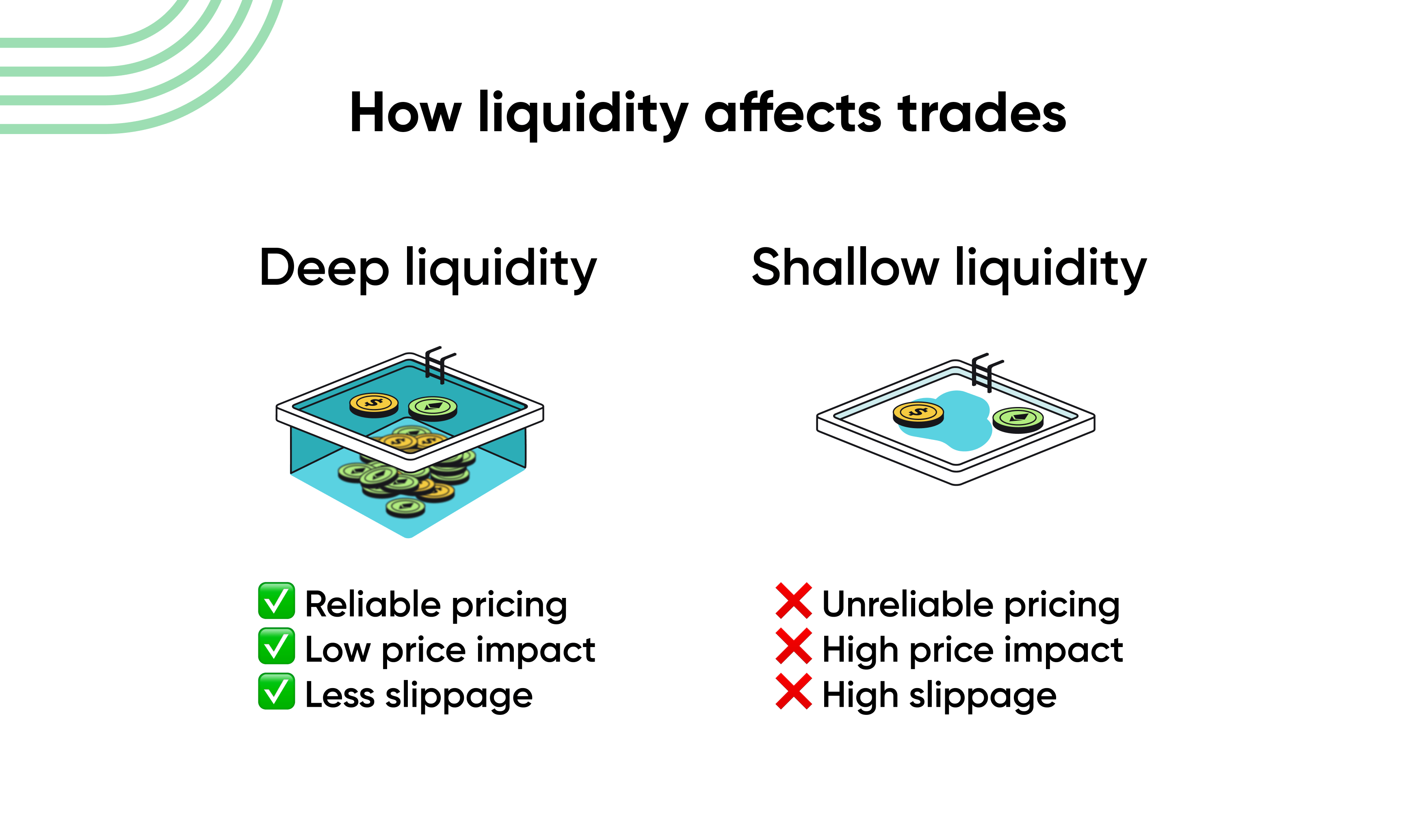
Liquidity safety checks prevent exit scams where developers drain the pool after initial buys. Additionally, review the token contract for hidden functions that restrict transfers: some scam tokens include "honeypot" code that allows buys but blocks sells, or dynamic tax functions that charge 99% fees on sells while displaying 1% fees in the contract. Tools like Honeypot.is or Token Sniffer scan for these patterns, but manual inspection of the contract's transfer and fee functions provides the definitive answer.
Launchpads and Incubators: Best Options
CoinList
CoinList connects retail users with early access to token sales through compliance-forward events. Expect KYC/AML, eligibility checks, and queue/lottery mechanics. That structure is the point: it reduces the “mystery meat” factor and makes participation repeatable. Most recently, CoinList has transitioned to a fully on-chain non-custodial model.
Here’s the key part: read vesting and distribution terms like fine print on a loan. Entry price is only half the story if unlocks stretch over months.
Binance Launchpad
Binance Launchpad offers early access inside a high-liquidity exchange environment. Participation usually depends on KYC, eligibility, and launch-specific holdings or snapshot rules.
A key differentiator worth calling out is Binance Launchpool as a structured presale access option. The Launchpool provides a more methodical path where users can earn or receive exposure through a structured mechanism rather than only chasing a one-time allocation event.
The trade-off is competition: popular launches, and Binance is a popular platform, can mean smaller allocations.
Bybit Launchpad
The alternative, Bybit Launchpad is designed for users who want exchange-native launches: discover, participate, then trade without moving assets across apps.
Eligibility and KYC are typical, and event windows matter. Miss the snapshot, and you’re watching from the sidelines. Bybit reduces dApp friction, but it replaces it with platform/custody risk—so 2FA and account security are non-negotiable.
DAO Maker
DAO Maker positions itself as a screened launchpad service for pre-listing tokens. Should you proceed with this platform, expect eligibility rules, possible whitelisting, and jurisdiction constraints that can vary by project. The differentiator is curation plus a tokenomics-focused investment community—less “wen listing,” more actual evaluation.
Uniswap
As for DEXs, Uniswap enables decentralized token trading via liquidity pools which pretty much anyone can set up with two cryptocurrencies committed to a pool. If a team can deploy a token contract and seed liquidity, trading can begin immediately—no listing committee required.
Liquidity providers deposit two assets (for example, ETH + a new token) into a pool, and traders swap against it. Price shifts automatically based on pool balances.

DEX listings are typically cheaper than centralized exchange listings, which helps explain why tokens often appear earlier on DEXs—especially for small-cap launches and presale-to-market transitions.
Most users connect Metamask, approve the token, then swap. Watch gas fees, pool depth, and price impact. Thin liquidity turns “early entry” into “expensive lesson” quickly.
PancakeSwap
Alternatively, PancakeSwap offers AMM-style trading on BNB Chain (Binance Smart Chain), where lower transaction costs often make small trades and frequent adjustments more realistic. Not to mention BNB Chain’s own distinct ecosystem of tokens and apps.
It plays the “first market” role for many BNB Chain launches. The flip side is more noise: cheap listings mean more experiments—and more scams—so your due diligence has to work overtime.
Raydium
Raydium is a Solana DEX that combines AMM mechanics with broader Solana ecosystem liquidity integrations. Solana’s high throughput and low costs can make active management easier compared to Ethereum gas-heavy conditions. Perhaps due to it, Solana’s ecosystem of token launchpads such as Pump.fun, flourished.
Cheap, fast execution is helpful—but it also attracts bots and aggressive speculation. Pool checks, approvals, and trade settings still matter.
Risks and Key Considerations
Buying tokens before major exchange listings seems lucrative but places you in a fundamentally different risk environment than purchasing established large-caps. Pre-listing tokens operate with thin liquidity, unverifiable teams in many cases, immature smart contracts, and uncertain regulatory compliance across jurisdictions.
Volatility
The 2025 total crypto market demonstrated structural market volatility with significant swings across all asset classes, and pre-listing tokens amplify these dynamics even further due to liquidity constraints and float limitations that magnify both upside and downside movements.
To mitigate volatility exposure, apply these four specific tactics before entering any position:
- Position sizing rule: Cap pre-listing allocations at 2-5% of your total portfolio, ensuring that even a complete loss does not materially impact your financial position.
- Staggered entries and exits (laddering): Split your intended buy across multiple price levels or time periods to avoid concentration at a single entry point; similarly, define multiple exit targets rather than all-or-nothing sells.
- Pre-set invalidation price and time-based stop: Determine in advance both the price threshold (e.g., -30% from entry) and the calendar deadline (e.g., 48 hours post-listing) at which you will exit regardless of narrative or sentiment.
- Avoid leverage for pre-listing trades: Borrowed funds amplify losses in illiquid markets where stop-losses can fail to execute at your chosen price, leading to liquidation beyond your risk tolerance.
Scams
Scams and fraud in pre-listing and early access is commonplace but more often than not is one thorough inspection away from being busted. A rug pull occurs when developers drain liquidity from a decentralized exchange liquidity pool, making it impossible for holders to sell at any price. Fake presale or claim sites impersonate legitimate projects to harvest wallet connections and private keys. Address poisoning involves scammers sending dust transactions from addresses that visually resemble yours, hoping you copy the wrong address from your transaction history when sending funds. Social-engineering attacks via Telegram or Discord use fake admin accounts to distribute phishing links or solicit "verification" payments. Airdrop dusting sends tiny amounts of a worthless token to your wallet, with embedded contract calls designed to drain approved assets when you interact with the token. Pump-and-dump schemes also target pre-listing tokens, where coordinators artificially inflate prices through false hype before selling their holdings en masse.
Even these precautions will go a long way: only use official links sourced directly from the project's verified website (not from social media replies or DMs), cross-check the token contract address on a blockchain explorer to confirm it matches the official address, and verify on-chain evidence of liquidity locks or ownership renouncements rather than trusting screenshots or claims in marketing materials.
Smart Contract Risk
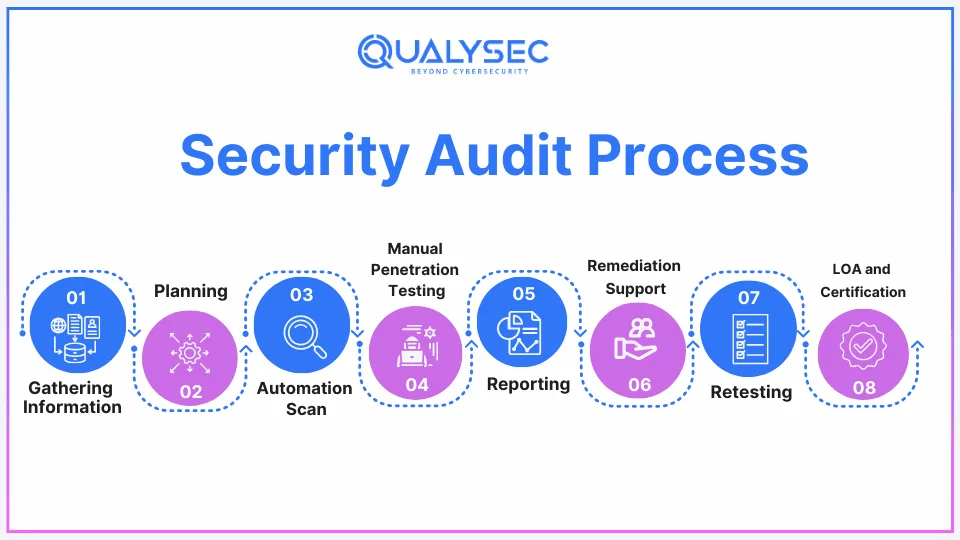
Smart contract security extends beyond whether a token contract has been audited. To assess real risk, execute these five reader actions and document the evidence:
- Check contract verification on Etherscan or BscScan: Navigate to the token contract address and confirm the "Contract" tab displays verified source code. If source code is not published, you have zero visibility into how the contract operates.
- Scan for proxy and upgradeability patterns: Search the contract code or audit report for terms like "proxy," "upgradeable," or "delegatecall." If the contract is upgradeable, identify who controls the upgrade mechanism—a single wallet, a multisig, or a DAO—and whether changes are subject to a timelock that gives holders advance notice.
- Confirm privileged roles and their constraints: Look for functions restricted to "owner," "minter," "admin," or "blacklist" roles. Determine whether these roles are assigned to externally owned accounts (high centralization) or governed by multisig wallets and timelocks (moderate risk reduction).
- Review audit status and scope: If an audit exists, read the report to understand what was audited (core token logic, staking contracts, governance modules) versus what was excluded (frontend, oracles, third-party integrations). Note the severity of any unresolved findings.
- Test a small buy and sell on a DEX: Where applicable, execute a minimal transaction to confirm you can both purchase and dispose of the token without contract-level interference, then verify the transaction completed as expected on a blockchain explorer before committing larger size.
One critical edge case: audited does not equal safe. Development teams can deploy contract upgrades after the audit that reintroduce vulnerabilities or insert malicious logic. Continuous monitoring of contract changes and governance proposals is essential for tokens with upgrade rights.
Liquidity Risk
Liquidity constraints in early-stage tokens manifest in specific ways that directly impact execution quality. Slippage occurs when your order moves the market price between submission and execution, causing you to receive fewer tokens (on buys) or less stablecoin (on sells) than displayed in the interface. MEV and sandwich attacks exploit transaction ordering: bots detect your pending trade, place a buy order immediately before yours to drive the price up, then sell immediately after your execution to profit from the artificial spread at your expense. Shallow pools mean total liquidity may be only a few thousand dollars, so even modest trades (e.g., $500-$1,000) create significant price impact. Withdrawal and bridge constraints arise when tokens are locked in vesting contracts, cross-chain bridges are congested, or centralized pre-market platforms impose minimum hold periods before allowing transfers.
To assess liquidity before trading, execute this step-by-step check sequence:
- Navigate to DEX Screener or GeckoTerminal and search for the token by contract address.
- Examine the liquidity pool size (total value locked) and compare it to 24-hour trading volume; healthy pools typically have volume representing 10-30% of TVL per day.
- Use the platform's trade simulator feature to model your intended trade size and observe the displayed price impact percentage; avoid trades where impact exceeds 2-3% unless you are prepared to accept execution loss as part of your cost basis.
- Set a maximum slippage tolerance in your wallet (e.g., 1-2% for moderate liquidity, 5%+ only for micro-cap volatility you are explicitly accepting).
- Verify that liquidity is distributed across multiple LP holder addresses rather than concentrated in one or two wallets, which indicates lower risk of a single entity removing liquidity.
Be especially cautious during the 24-48 hour window surrounding major exchange listings (before and after). Liquidity frequently migrates from DEXs to centralized order books or shifts between chains, creating temporary illiquidity traps where your expected exit route evaporates without notice.
Custody Risk

Custody risk splits into two distinct contexts, each requiring separate mitigation strategies.
Self-custody risks involve threats to your direct control over tokens. Seed phrase or private key compromise allows an attacker to drain your wallet irreversibly. Approval phishing tricks users into signing token approval transactions that grant malicious contracts permission to transfer assets from your wallet. Malicious dApps disguised as legitimate tools can inject hidden contract calls into transactions that you sign without full awareness.
In addition to the measures described in depth in our guides mentioned above, to defend against self-custody failures, implement these extra steps:
- Periodically revoke token approvals using tools like Revoke.cash or Etherscan's approval checker to eliminate lingering permissions from old dApp interactions.
- Enable two-factor authentication (2FA) and anti-phishing codes on all exchange accounts to prevent unauthorized login or withdrawal requests.
- Whitelist withdrawal addresses on centralized platforms so that even if your account credentials are compromised, attackers cannot redirect funds to their wallets.
Third-party custody risks emerge when using centralized exchange (CEX) pre-markets, launchpad platforms, or vesting portals. Account freezes can occur due to compliance investigations, platform insolvency, or technical errors. Withdrawal limits may prevent you from moving tokens when you want to exit, forcing you to hold through unfavorable price action. Counterparty risk means the platform itself could be hacked, mismanage funds, or shut down, leaving your tokens inaccessible.
Regulatory Risk
Regulatory exposure varies significantly based on how you access pre-listing tokens. Presales and launchpads typically impose Know Your Customer (KYC) and Anti-Money Laundering (AML) requirements, accreditation checks in certain jurisdictions (e.g., U.S. securities laws), and geofencing that blocks participation from countries under sanctions or with restrictive crypto policies. DEX purchases may feel anonymous but remain subject to local tax laws, capital gains reporting, and potential scrutiny of transaction history via blockchain forensics. Airdrops and claim events often constitute taxable events in many jurisdictions (e.g., U.S., UK, Australia) at the fair market value of received tokens, even if you do not immediately sell.
Before committing to any pre-listing opportunity, verify your eligibility to participate in your jurisdiction by reading the project's terms of service and checking whether your country appears on exclusion lists. Document your purchase or claim timestamps and cost basis (the price or value at the time of acquisition) to ensure accurate tax reporting in your home country.Finally, exercise caution with tokens that exhibit characteristics of securities under local KYC/AML regulation: profit-sharing mechanisms, dividend-like distributions, or heavy reliance on a single promoter or development team for value creation as opposed to decentralized protocol utility.
Conclusion
Buying cryptocurrency before official listing in 2026 means acquiring tokens during presale, ICO, IDO, IEO, or pre-market phases—before they become tradable on major exchanges. The core decision filter combines three variables: your chosen route (presale vs launchpad vs pre-market), your risk tolerance (how much volatility and illiquidity you accept), and your custody preference (self-custody via hardware wallet or exchange-held assets).
Frequently Asked Questions
How can I find new cryptocurrencies before they are listed?
Crypto launchpads are one of the cleanest ways to see new token sales before a public exchange listing. Start with launchpad deal flow, then validate the project outside the marketing bubble.
DAO Maker and Seedify are often referenced for having screening mechanisms designed to filter projects and offer comparatively safer pre-listing access. Still risk, just managed risk.
Next, use Twitter, Telegram, and Discord as early signals for whitelist windows and sale dates. Then check GitHub activity if the project claims to ship code. Finally, only then connect a wallet (like MetaMask) to interact with sale pages.
What are reliable sources to research new crypto coins?
CoinMarketCap and CoinGecko help you sanity-check basics like supply metrics, listed markets, and official links—then you cross-reference with primary sources: project docs, audit reports, and blockchain explorer data. A simple workflow: (1) CoinGecko/CoinMarketCap for quick context, (2) official docs for promises, (3) explorer data for reality. If they disagree, reality wins.
Where can I buy new cryptocurrencies before listing?
Common routes include:
- Project website presales
- Launchpads (curated sales)
- OTC markets / private deals
- DEX listing moments (e.g., Uniswap)
CoinTracker notes that listing on major exchanges like Coinbase can trigger price increases, which is one reason investors try to acquire tokens earlier. The important detail is that “can” isn’t “will,” and liquidity + unlock timing matter more than hype.
How can I evaluate early-stage crypto projects?
Start with the team (identity + execution signals), then tokenomics (supply, vesting, allocations), then roadmap realism. After that, check audits, contract verification on explorers, and GitHub activity. If you’re choosing between two early projects, pick boring transparency over exciting mystery. Mystery is fun in movies, not in your portfolio.
What risks are associated with buying new cryptocurrencies before listing?
The core risks are volatility, liquidity constraints, and market unpredictability (delays, regulatory shocks, contract bugs, and listing uncertainty). CoinTracker points out that a major listing (like Coinbase) can trigger price increases. That also means failure to secure a listing can cause brutal repricing.
What wallet do I need for presales and IDOs?
MetaMask and Trust Wallet are common choices because they support dApp interactions for presales and IDOs. Choose based on chain compatibility, and consider operational safety: use a fresh wallet for high-risk participation, keep minimal funds in it, and practice strict approval hygiene.
How do I avoid fake contract addresses?
Use official project pages and confirm contract addresses via a blockchain explorer. Paste contract addresses yourself when swapping on Uniswap, and compare the first and last characters as a quick human checksum. Bookmark the official domain. Don’t trust search ads or random Telegram pins.
What happens if a token never lists?
If a token never lists, it can become illiquid—meaning you may not be able to sell at a reasonable price, or at all. It may remain DEX-only with thin liquidity, or the project may fail entirely. Treat “before listing” as venture-style risk. If you can’t tolerate the possibility of a token never listing, your position size is too big.